Sundowning in Dementia: Understanding Late-Day Symptoms
Learn what sundowning is, why it happens, and how to help your loved one manage late-day confusion and agitation.
What Is Sundowning?
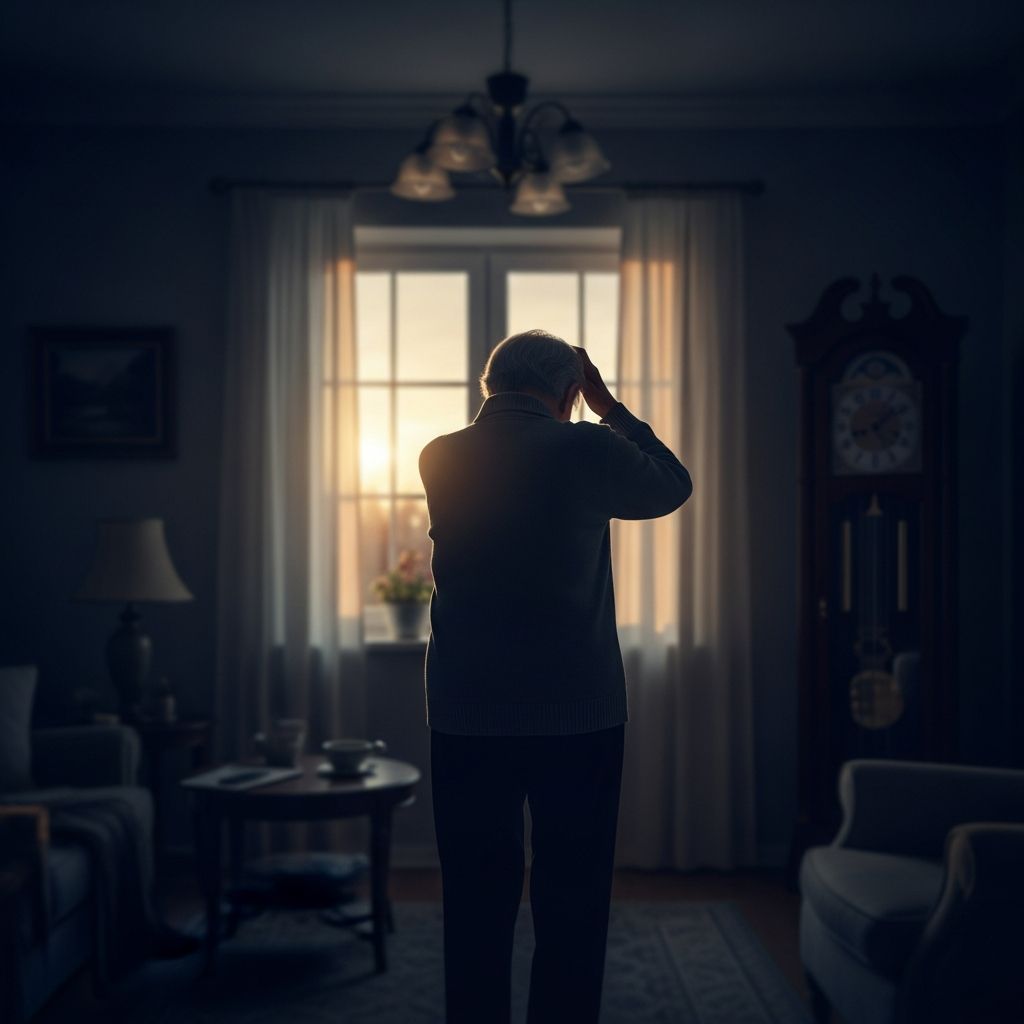
Sundowning, also known as sundown syndrome or sundowers, is a common phenomenon experienced by individuals with dementia and cognitive impairment. This condition is characterized by a group of behavioral, emotional, and cognitive symptoms that emerge or worsen during late afternoon, evening, or nighttime hours. The term “sundowning” specifically refers to the temporal association with sunset, though symptoms can occur at any time of day.
Unlike a disease itself, sundowning is a symptom or syndrome associated with dementia and other cognitive conditions. Research suggests that approximately 19% to 66% of people with dementia experience sundowning, making it a relatively common challenge for caregivers and family members to navigate. The condition is particularly prevalent among individuals with Alzheimer’s disease and other forms of progressive dementia, and it tends to become more pronounced as the disease advances.
Understanding the Symptoms of Sundowning
Sundowning manifests through a wide variety of behavioral and emotional symptoms that can significantly impact both the affected individual and their caregivers. Understanding these symptoms is essential for early recognition and appropriate management.
Behavioral and Cognitive Changes
The most common behavioral manifestations of sundowning include:
– Agitation and restlessness- Confusion and disorientation- Pacing, wandering, or excessive rocking- Difficulty sleeping or insomnia- Aggression or combative behavior- Yelling or screaming- Resistance to care or direction
Emotional Symptoms
Individuals experiencing sundowning often display significant emotional changes during late-day hours:
– Anxiety and fear- Mood swings and irritability- Sadness or crying- Paranoia or suspiciousness- A heightened sense of alarm or panic
Cognitive and Perceptual Disturbances
Sundowning can also involve more complex cognitive and perceptual symptoms, including visual and auditory hallucinations, delusional thinking, and impaired judgment. Some individuals experience “shadowing,” where they closely follow their caregiver from room to room throughout the home.
Why Sundowning Occurs: Underlying Causes and Triggers
While the exact cause of sundowning remains not fully understood, research has identified several interconnected factors that contribute to its development and severity.
Neurological Factors
Sundowning appears to be mediated by neurophysiological changes in the brain associated with dementia. Specifically, research suggests that degeneration of the suprachiasmatic nucleus of the hypothalamus—the brain region responsible for regulating circadian rhythms—plays a significant role. Additionally, decreased production of melatonin, the hormone that regulates sleep-wake cycles, contributes to the disruption of normal circadian rhythmicity observed in sundowning.
Circadian Rhythm Disruption
One of the primary factors underlying sundowning is the impairment of the body’s internal circadian rhythm. The circadian system normally helps coordinate numerous physiological processes, including sleep-wake cycles, hormone production, and behavioral regulation. In individuals with dementia, this system becomes severely disrupted, leading to abnormal patterns of activity, confusion about time of day, and behavioral disturbances that peak in late afternoon and evening hours.
Related Stories



Sleep Architecture and Fragmentation
Sleep disturbances play a crucial role in sundowning. Many individuals with dementia experience fragmented sleep patterns, with frequent awakenings throughout the night. Research indicates that these sleep disruptions, particularly awakenings after sunset, are associated with increased agitated behavior. The combination of poor nighttime sleep and daytime fatigue creates a cycle that exacerbates sundowning symptoms.
Environmental and Social Factors
The environment significantly influences the severity of sundowning symptoms. Common environmental triggers include:
– Overstimulation from loud noises or excessive activity- Bright screens or changing light conditions- Large gatherings or crowded spaces- Shift changes among caregivers (often occurring around 3:00 PM)- General chaos or unpredictability in the environment
Fatigue accumulated throughout the day, both in the person with dementia and in their caregivers, can intensify symptoms. High levels of activity during morning and daytime hours may lead to afternoon and evening fatigue, resulting in increased irritability and agitation.
Physical Discomfort and Unmet Needs
Sometimes what appears to be sundowning may actually be a response to unmet physical needs. Hunger, thirst, pain, discomfort, urinary tract infections, or the need to use the bathroom can trigger behavioral changes that coincide with late-day hours.
When Sundowning Typically Occurs
Sundowning characteristically begins in late afternoon, typically as daylight begins to fade, and continues into the evening and nighttime hours. However, the exact timing varies significantly among individuals. For some people, symptoms may begin as early as 1:00 PM, while for others, they primarily manifest during evening hours. What distinguishes sundowning from other dementia-related behavioral issues is the consistent temporal pattern—symptoms tend to occur around the same time each day, creating a predictable cycle.
It is important to note that while sundowning is most closely associated with late afternoon and evening, symptoms can occasionally occur at other times, particularly during periods of stress, illness, or significant environmental disruption.
Who Is Most Affected by Sundowning?
Sundowning most commonly affects individuals in the middle and later stages of Alzheimer’s disease and other progressive forms of dementia. While it can occur in any person with significant cognitive impairment, it is particularly prevalent among those with advanced dementia who have experienced substantial neurological deterioration. The severity and frequency of sundowning symptoms often correlate with disease progression, becoming more pronounced as cognitive decline advances.
Impact on Quality of Life and Caregiving
The behavioral and emotional disturbances associated with sundowning can have profound effects on both the affected individual and their caregivers. Agitation related to sundowning is recognized as a common cause of institutionalization in older patients with dementia, as family caregivers often find these symptoms exceptionally challenging to manage. The unpredictable nature of sundowning symptoms, combined with the caregiver fatigue that accumulates throughout the day, creates significant stress within caregiving relationships.
Practical Strategies for Managing Sundowning
While there is no cure for sundowning, several evidence-based strategies can help reduce symptom severity and improve quality of life for both individuals with dementia and their caregivers.
Environmental Modifications
Creating a calm, structured environment during late-day hours is essential for managing sundowning. Specific environmental modifications include:
– Increasing light exposure during daytime hours to reinforce normal circadian rhythms- Gradually dimming lights during evening hours rather than sudden darkness- Minimizing loud noises and excessive activity in late afternoon- Limiting screen time and reducing visual stimulation from bright displays- Maintaining a consistent, predictable daily routine- Creating a safe, comfortable space where the individual can feel secure
Activity Planning
Strategic scheduling of daily activities can significantly reduce sundowning symptoms. Engaging individuals in meaningful activities during morning and early afternoon hours can provide mental stimulation and physical exercise. However, it is important to avoid overstimulation and excessive fatigue accumulation. Late afternoon should typically involve calming, low-stimulation activities rather than demanding or exciting events.
Addressing Physical Needs
Regularly assessing and addressing physical needs is critical for symptom management. Ensuring adequate nutrition, hydration, and toileting throughout the day can prevent behavioral disturbances that may mimic or exacerbate sundowning. Pain management is particularly important, as uncontrolled pain often manifests as behavioral disturbances in individuals with advanced dementia who may have difficulty communicating discomfort verbally.
Social and Emotional Support
Maintaining calm, reassuring interactions during late-day hours can help reduce anxiety and fear. A consistent caregiver presence, gentle validation of the individual’s feelings, and avoidance of confrontation or argument are important strategies. Some individuals may benefit from one-on-one time with a trusted caregiver during vulnerable evening hours.
Sleep Hygiene and Rest
Establishing consistent sleep schedules and promoting good sleep hygiene can help improve nighttime rest and reduce daytime fatigue. This may include limiting daytime napping, establishing a calming bedtime routine, and maintaining a comfortable sleep environment. Adequate rest for caregivers is also essential, as caregiver fatigue significantly influences the ability to manage behavioral symptoms effectively.
When to Seek Medical Evaluation
If you notice sudden onset of late-day confusion, behavioral changes, or other symptoms suggestive of sundowning in your loved one, it is important to bring this to the attention of their healthcare provider. A medical evaluation can help exclude other potential causes of behavioral changes, such as delirium, medication side effects, or underlying medical conditions including urinary tract infections or other acute illnesses. A healthcare professional can also help develop an individualized management plan tailored to your loved one’s specific needs and circumstances.
Frequently Asked Questions
Q: Is sundowning a separate disease or a symptom of dementia?
A: Sundowning is not a disease itself, but rather a symptom or syndrome associated with dementia and cognitive impairment. It represents a pattern of behavioral and emotional changes that occur in response to the neurological changes caused by dementia.
Q: Can sundowning be prevented?
A: While sundowning cannot be completely prevented in individuals with advanced dementia, its severity can often be reduced through environmental modifications, structured activities, consistent routines, and attention to physical and emotional needs. Early intervention and proactive management strategies are more effective than reactive approaches.
Q: Does everyone with dementia experience sundowning?
A: No. While sundowning is relatively common, affecting approximately 19% to 66% of individuals with dementia, not everyone with cognitive impairment experiences sundowning symptoms. The prevalence and severity vary considerably among individuals.
Q: Can medication help manage sundowning?
A: Medication may be considered in some cases, but it should typically be approached cautiously and as part of a comprehensive management plan that includes environmental and behavioral interventions. A healthcare provider can discuss medication options and potential benefits and risks specific to your loved one’s situation.
Q: How can caregivers manage their own stress related to sundowning?
A: Caregiver self-care is essential. This may include seeking respite care, joining support groups, maintaining personal health and wellness practices, and developing realistic expectations. Understanding that sundowning is a symptom of the disease, not a behavioral choice, can help reduce caregiver guilt and frustration.
Q: Are there specific times of year when sundowning worsens?
A: Seasonal changes in daylight duration can influence sundowning severity. Some individuals may experience worse symptoms during fall and winter months when daylight hours are shorter. Increased light exposure during daytime can help mitigate seasonal effects.
References
- Sundown Syndrome in Persons with Dementia: An Update — National Center for Biotechnology Information (NCBI), U.S. National Library of Medicine. 2011. https://pmc.ncbi.nlm.nih.gov/articles/PMC3246134/
- What Is Sundown Syndrome? Symptoms, Causes and Treatment — UCLA Health, Department of Neurology. 2024. https://www.uclahealth.org/departments/neurology/keith-vossel-md-what-sundown-syndrome-symptoms-causes-and
- Sundowning: Late-Day Confusion in People with Dementia — Hebrew Senior Life. 2024. https://www.hebrewseniorlife.org/blog/sundowning-late-day-confusion-people-dementia
- Caregivers Beware: Clock Change a Challenge for Those with Dementia — Deseret News. 2025. https://www.deseret.com/family/2025/10/29/time-change-alzheimers-dementia-patients-caregivers-struggle-sundowning/
- Sundowning May Be A Sign Of Early Dementia, Doctors Say — Women’s Health Magazine. 2024. https://www.womenshealthmag.com/health/a69544406/sundowning-dementia-early-warning-sign/
- Understanding What Triggers Sundowning in Dementia Care — Happy to Help Caregiving. 2024. https://happytohelpcaregiving.com/understanding-what-triggers-sundowning-in-dementia-care/
Similar Articles








Read full bio of Sneha Tete