Sunflower Seeds Benefits: 5 Evidence-Based Health Gains
Discover the impressive health benefits of sunflower seeds, from heart protection and cancer prevention to thyroid support and reduced inflammation.
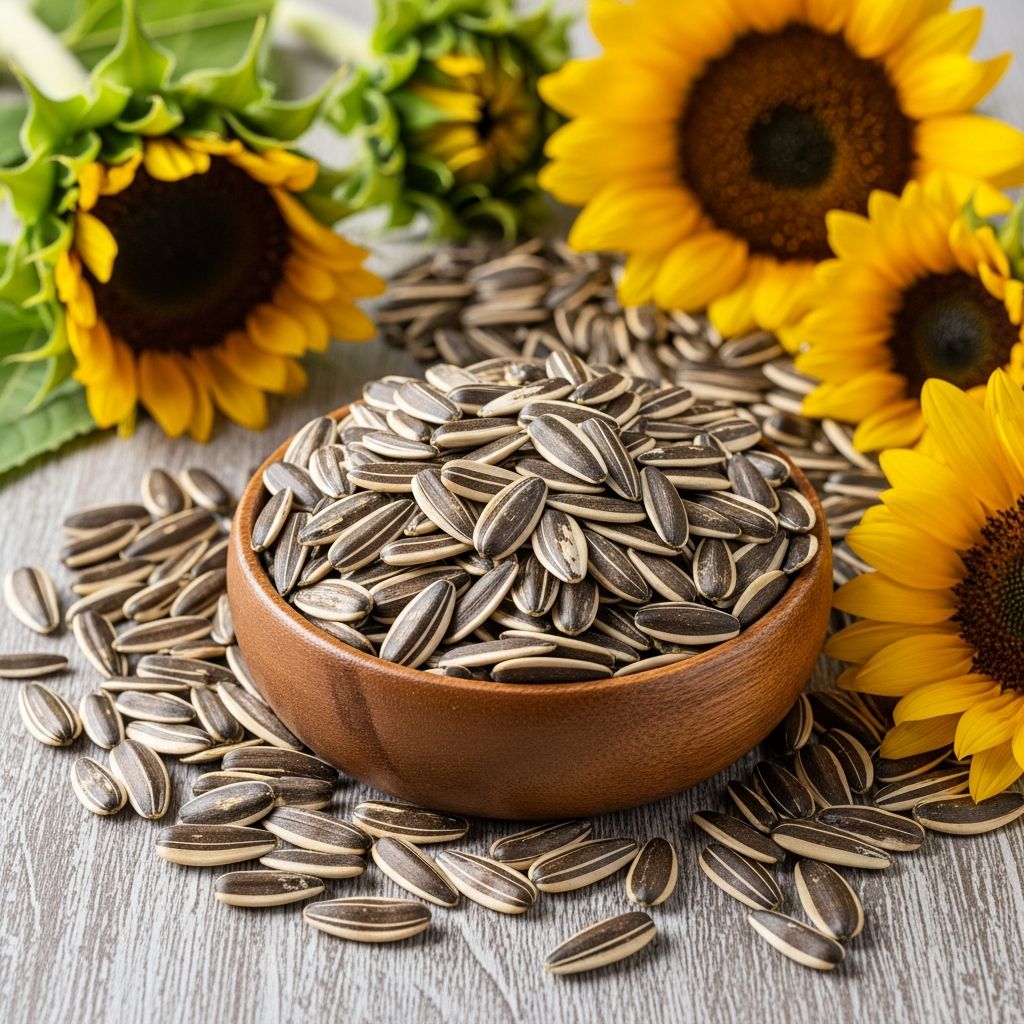
Sunflower seeds, the edible kernels from the sunflower plant (Helianthus annuus), are tiny nutritional powerhouses packed with vitamins, minerals, healthy fats, and antioxidants. These versatile seeds offer benefits like cancer prevention, heart health support, thyroid function improvement, blood sugar regulation, and inflammation reduction. Whether roasted, raw, or sprinkled on salads, they provide essential nutrients that contribute to overall wellness.
What Are Sunflower Seeds?
Sunflower seeds are harvested from the flower head of the sunflower plant, native to North America but now grown worldwide. They come in two main forms: hulled (kernels only) for easy eating or in-shell for a satisfying crunch. Nutritionally, a 1-ounce (28g) serving of hulled sunflower seeds delivers about 165 calories, 14g fat (mostly unsaturated), 6g protein, 6g carbs, and 3g fiber. They are exceptionally rich in
vitamin E
(37% DV), providing potent antioxidant protection, along with selenium (32% DV), magnesium (23% DV), copper (half DV), and B vitamins like niacin and folate.High in polyunsaturated fats, particularly linoleic acid (up to 70%), sunflower seeds support cell membrane health and reduce inflammation. Their protein content includes sulfur-rich globulins and albumins ideal for muscle development and antioxidant activity. These attributes make sunflower seeds a superior choice among seeds for nutrient density.
Nutrition Facts of Sunflower Seeds
Here’s a breakdown of key nutrients in a 1-ounce (28g) serving of dry-roasted, hulled sunflower seeds:
| Nutrient | Amount | % Daily Value* |
|---|---|---|
| Calories | 165 | 8% |
| Total Fat | 14g | 18% |
| Protein | 6g | 12% |
| Fiber | 3g | 11% |
| Vitamin E | 10mg | 67% |
| Selenium | 18mcg | 33% |
| Magnesium | 92mg | 22% |
| Copper | 0.5mg | 56% |
| Manganese | 0.5mg | 22% |
*Based on a 2,000-calorie diet. Source: USDA data via Cleveland Clinic. Sunflower seeds also contain phytosterols, flavonoids, phenolic acids, and conjugated linoleic acid (CLA), enhancing their anti-inflammatory and anticancer properties.
Top 5 Health Benefits of Sunflower Seeds
1. May Help Prevent Cancer
Sunflower seeds are loaded with antioxidants like
vitamin E
and flavonoids that combat free radical damage, a precursor to cancerous cell changes. One cup of in-shell seeds (about 45g kernels) provides over 100% of daily vitamin E needs from food sources, which studies link to lower cancer risk compared to supplements.They also boast high levels of CLA, an anti-cancer fatty acid more abundant in sunflower seeds than in sesame, flax, or peanuts. Polyunsaturated fats and selenium further protect DNA integrity. Research highlights their role in preventing oxidative stress-related cancers.
2. Support Heart Health
The combination of vitamin E, phytosterols, and healthy fats in sunflower seeds promotes cardiovascular wellness. Vitamin E reduces inflammation and lowers LDL cholesterol, total cholesterol, and triglycerides. Phytosterols block dietary cholesterol absorption, preventing atherosclerosis.
Sunflower oil, derived from these seeds, reduces total and LDL cholesterol while offering antioxidant benefits. Regular consumption supports healthy blood pressure and arterial function.
3. Support Thyroid Health
Thyroid disorders affect millions, impacting metabolism, energy, and mood. Sunflower seeds provide
selenium
(24mcg per cup in-shell, 35% DV) and iodine-supporting nutrients essential for thyroid hormone production. Selenium aids in converting T4 to active T3 hormone and protects the gland from oxidative damage.Related Stories



Deficiencies in selenium are linked to hypothyroidism and autoimmune thyroiditis, making these seeds a unique dietary ally.
4. Reduce Inflammation
Chronic inflammation fuels diseases like heart disease, diabetes, and arthritis. Sunflower seeds lower C-reactive protein (CRP) levels—a key inflammation marker—by 32% in frequent consumers (5+ times weekly) versus non-consumers.
Antioxidant enzymes boosted by their phenolic compounds, flavonoids, and vitamin E, along with anti-inflammatory polyunsaturated fats, contribute. Studies confirm their antimicrobial and wound-healing effects too.
5. Balance Blood Sugar
Sunflower seed extracts lower plasma glucose in diabetic models, comparable to medications like glibenclamide. They inhibit alpha-glucosidase, slowing carb digestion and post-meal spikes. Magnesium improves insulin sensitivity.
Antioxidants reduce oxidative stress in diabetes, supporting better glycemic control and preventing complications.
Other Potential Benefits
- Muscle Cramp Prevention: Magnesium (37% DV per cup in-shell) and pantothenic acid prevent spasms, especially beneficial for athletes.
- Skin Health: High linoleic acid in sunflower oil treats dermatosis, improves preterm infant skin barrier, and reduces infections.
- Antimicrobial & Wound Healing: Phenolics provide broad-spectrum activity against pathogens.
- Antihypertensive Effects: Polyunsaturated fats and peptides help regulate blood pressure.
How to Eat Sunflower Seeds
Incorporate sunflower seeds into your diet for maximum benefits:
- Sprinkle on yogurt, oatmeal, or salads (1-2 tbsp daily).
- Eat raw or dry-roasted as a snack; avoid heavy salt or oil.
- Blend into smoothies, energy balls, or homemade trail mix.
- Use sunflower seed butter as a nut butter alternative.
- Bake into bread, muffins, or granola.
Aim for 1 ounce (¼ cup hulled) daily. In-shell varieties encourage mindful eating due to shell-cracking.
Potential Downsides and Precautions
Sunflower seeds are safe for most but calorie-dense (high fat), so portion control prevents weight gain. Those with seed allergies should avoid them. Cadmium accumulation from soil is minimal in commercial seeds. Excessive intake may cause digestive issues from fiber; chew thoroughly. Opt for unsalted to limit sodium.
Pregnant individuals benefit from folate but consult doctors for personalized advice. No major interactions with medications noted.
Frequently Asked Questions (FAQs)
Are sunflower seeds good for you?
Yes, they are highly nutritious, offering vitamin E, selenium, healthy fats, and antioxidants that support heart health, cancer prevention, thyroid function, blood sugar balance, and reduced inflammation.
Can you eat sunflower seeds every day?
Yes, 1 ounce daily is beneficial without excess calories. Choose unsalted varieties.
Do sunflower seeds help with weight loss?
Their fiber, protein, and fats promote satiety, aiding weight management when portioned correctly.
Are sunflower seeds better than almonds?
Sunflower seeds excel in vitamin E and selenium for thyroid health; almonds lead in calcium. Both are excellent—variety is key.
Can sunflower seeds lower cholesterol?
Yes, phytosterols, vitamin E, and unsaturated fats reduce LDL and total cholesterol.
References
- Are Sunflower Seeds Good for You? — Cleveland Clinic. 2023-10-12. https://health.clevelandclinic.org/are-sunflower-seeds-good-for-you
- A review of phytochemistry, metabolite changes, and medicinal uses of sunflower seeds. — PMC/NCBI (Wealthy et al.). 2017-09-19. https://pmc.ncbi.nlm.nih.gov/articles/PMC5622016/
Similar Articles








Read full bio of Sneha Tete