Sunflower Seeds Nutrition Explained: 5 Health Benefits
Discover the impressive nutrition facts, health benefits, and smart ways to enjoy sunflower seeds in your daily diet for optimal wellness.
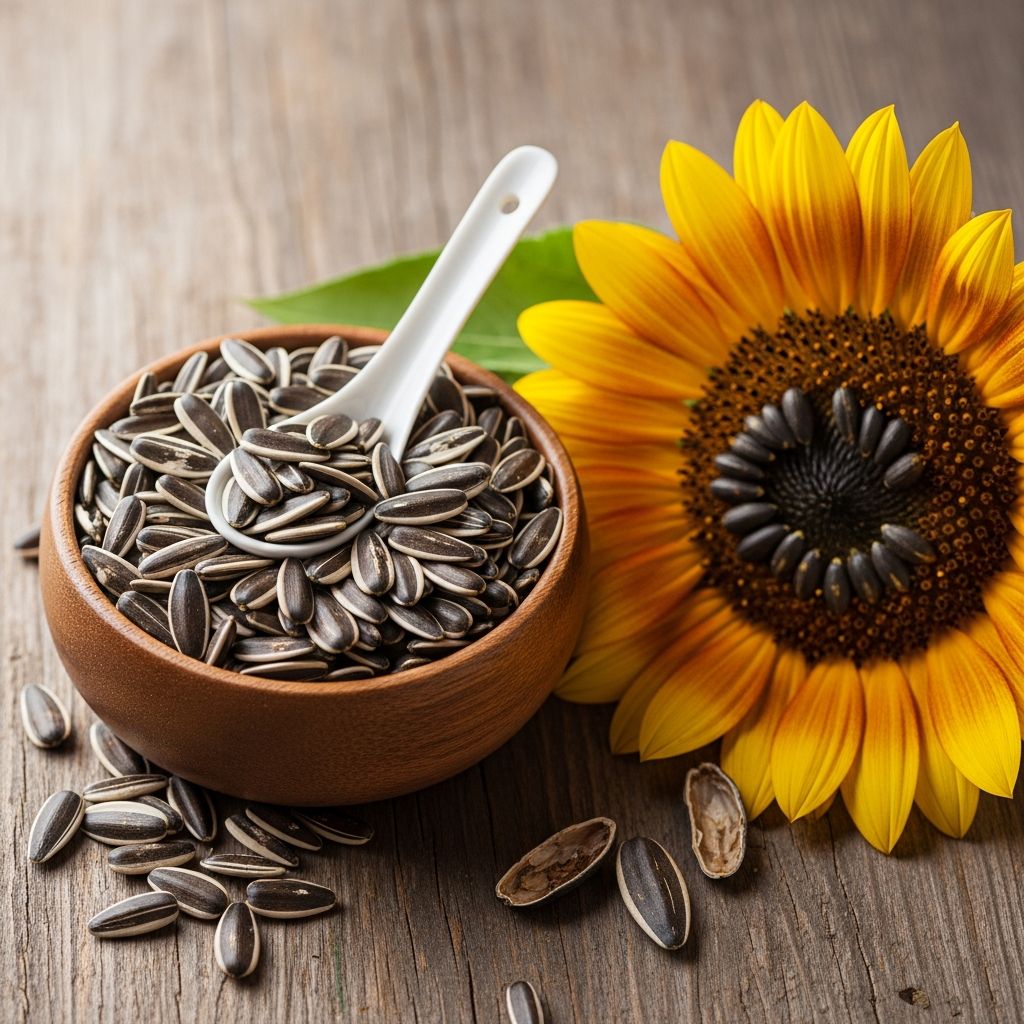
Sunflower seeds are nutrient-dense powerhouses offering healthy fats, plant-based protein, fiber, and key antioxidants like vitamin E and selenium. A 1-ounce serving (about ¼ cup shelled) delivers around 165 calories, 14g fat, 6g protein, and substantial micronutrients supporting heart health, immunity, and energy.
What Are Sunflower Seeds?
Sunflower seeds come from the large flower heads of the sunflower plant (Helianthus annuus), native to North America. These small, flat seeds are typically hulled for eating, revealing a mild, nutty kernel rich in unsaturated fats. Available roasted, raw, or salted, they serve as versatile snacks or ingredients in salads, trail mixes, and baked goods.
Historically cultivated by Native Americans, sunflower seeds now rank among top global oilseed crops. Their edibility stems from high nutrient density, making them a staple in healthy diets worldwide.
Sunflower Seeds Nutrition Facts
One ounce (28g) of dry-roasted, unsalted sunflower seed kernels provides a balanced macronutrient profile alongside impressive vitamins and minerals.
| Nutrient | Amount per 1 oz (28g) | % Daily Value* |
|---|---|---|
| Calories | 165 | 8% |
| Total Fat | 14g | 18% |
| Protein | 5.5-6g | 11-12% |
| Carbohydrates | 6-7g | 2% |
| Dietary Fiber | 3g | 11% |
| Vitamin E | 10mg | 49-66% |
| Selenium | 23-41% DV | 23-41% |
| Magnesium | 90mg | 23% |
| Vitamin B1 (Thiamin) | 0.4mg | 37% |
| Copper | 0.5mg | 58% |
| *Based on 2,000-calorie diet. Values from USDA data via sources. | ||
These seeds excel in
polyunsaturated fats
(like linoleic acid), which support cell function, and provide plant protein ideal for vegetarians. Their low glycemic impact from fiber helps stabilize blood sugar.Health Benefits of Sunflower Seeds
Sunflower seeds’ nutrient synergy offers multiple evidence-based benefits, from antioxidant protection to metabolic support.
1. Packed with Antioxidants
Rich in
vitamin E
(up to 49% DV per ounce) andselenium
(41% DV), sunflower seeds combat oxidative stress from free radicals, linked to chronic diseases like cancer and heart disease. Vitamin E protects cell membranes, while selenium aids thyroid function and DNA repair.2. May Support Heart Health
Healthy fats, magnesium, and plant sterols in sunflower seeds help lower LDL cholesterol and blood pressure. Studies associate their linoleic acid with reduced cardiovascular risk.
3. Help You Meet Your Protein Needs
With 6g protein per ounce—twice that of some nuts—these seeds aid muscle repair and satiety, perfect for plant-based diets.
4. Promote Healthy Thyroid Function
Selenium is crucial for thyroid hormone conversion, potentially benefiting those with hypothyroidism.
5. May Improve Blood Sugar Control
Fiber and magnesium enhance insulin sensitivity, helping regulate glucose levels.
- Anti-inflammatory effects from vitamin E reduce chronic inflammation risks.
- Immune boost via zinc and selenium.
- Energy sustainment from B vitamins and fats.
Potential Downsides of Sunflower Seeds
Despite benefits, moderation is key. One ounce daily suffices; excess calories (165/oz) can lead to weight gain. High phytic acid may hinder mineral absorption—sprouting or roasting mitigates this. Cadmium accumulation from soil is a concern in large amounts, especially for smokers. Those with seed allergies should avoid.
Related Stories



How to Enjoy Sunflower Seeds
Incorporate sunflower seeds creatively for maximum nutrition:
- Sprinkle on yogurt, oatmeal, or salads (1-2 Tbsp).
- Mix into trail mix with nuts and dried fruit.
- Blend into smoothies or energy balls.
- Use sunflower seed butter as a peanut butter alternative on toast or in sauces.
- Bake into muffins, breads, or granola bars.
- Add to stir-fries or veggie patties for crunch.
Opt for unsalted, dry-roasted varieties to limit sodium (up to 1,000mg/oz in salted).
Bottom Line
Sunflower seeds are a nutritious, versatile addition to balanced diets, delivering antioxidants, healthy fats, and minerals for heart, immune, and metabolic health. Limit to 1 oz daily to avoid calorie overload, and choose minimally processed options.
Frequently Asked Questions (FAQs)
Q: Are sunflower seeds good for you?
A: Yes, they provide vitamin E, selenium, healthy fats, and protein supporting heart health, immunity, and energy when eaten in moderation.
Q: How many sunflower seeds should you eat per day?
A: Stick to 1 ounce (¼ cup shelled) daily to gain benefits without excess calories.
Q: Do sunflower seeds have a lot of calories?
A: At 165 calories per ounce, they are energy-dense; portion control is essential.
Q: Are sunflower seeds a good source of protein?
A: Yes, 6g per ounce makes them excellent for plant-based protein needs.
Q: Can sunflower seeds help with weight loss?
A: Their protein and fiber promote fullness, but calorie density requires measured portions.
Q: Do sunflower seeds contain fiber?
A: Absolutely, 3g per ounce aids digestion and blood sugar stability.
References
- The Health Benefits of Sunflower Seeds — GoodRx. 2023. https://www.goodrx.com/well-being/diet-nutrition/health-benefits-of-sunflower-seeds
- Sunflower Seeds: Nutrition Facts & Health Benefits — Krishival. 2024. https://krishival.com/blogs/health-nutrition/sunflower-seed-nutrition-facts
- Health Benefits of Sunflower Seeds — WebMD. 2024-01-15. https://www.webmd.com/diet/health-benefits-sunflower-seeds
- Sunflower Seeds: Nutrition, Benefits, and How to Eat — Healthline. 2024. https://www.healthline.com/nutrition/sunflower-seeds
- Unsung Superfood: Health Benefits of Sunflower Seeds — Free2B Foods. 2023. https://free2bfoods.com/blogs/general/unsung-superfood-health-benefits-of-sunflower-seeds
- The Many Health Benefits of Sunflower Seeds — Cleveland Clinic. 2024. https://health.clevelandclinic.org/are-sunflower-seeds-good-for-you
Similar Articles








Read full bio of medha deb