Sunglasses Protection Against Macular Degeneration
Discover how proper sunglasses shield your eyes from UV damage and reduce macular degeneration risks for lifelong vision health.
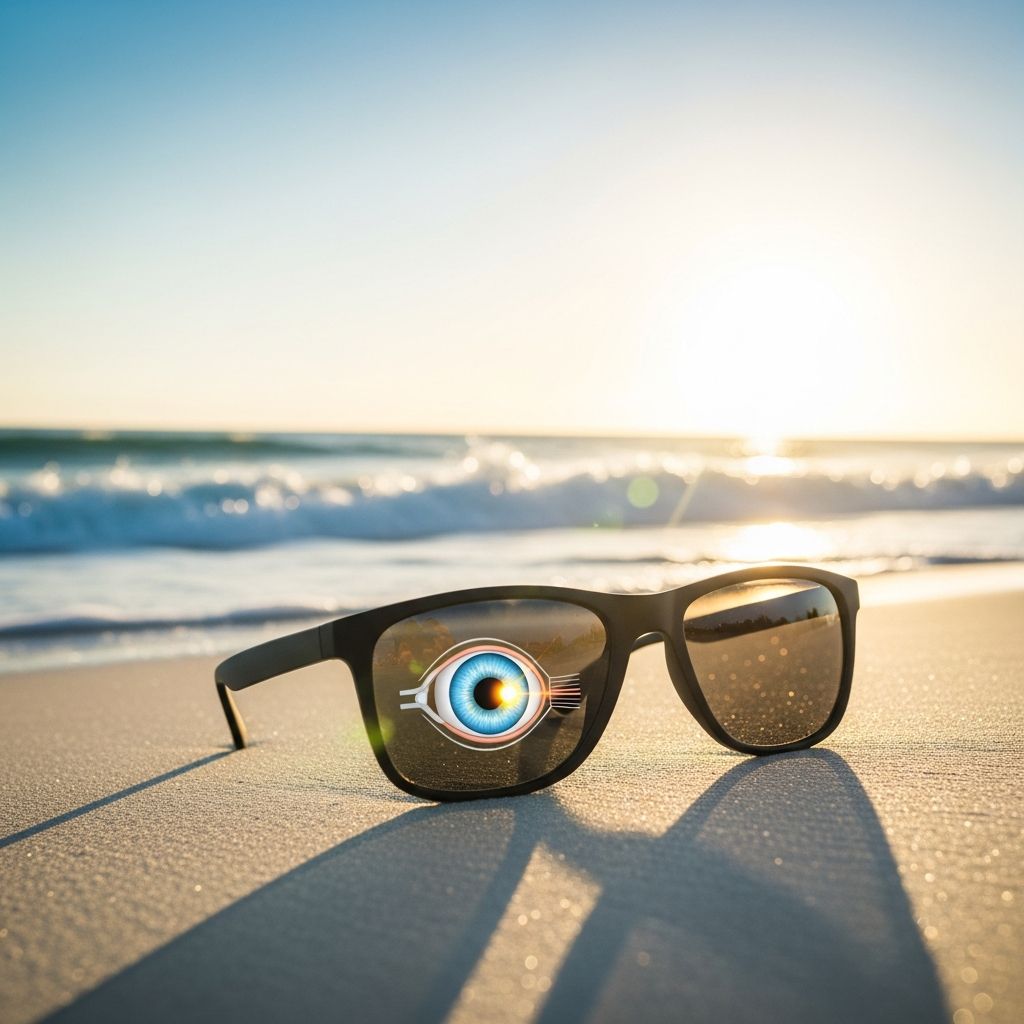
Protecting your vision starts with everyday choices like wearing the right eyewear outdoors. Ultraviolet radiation from the sun poses a significant threat to retinal health, particularly increasing the risk of age-related macular degeneration (AMD), a leading cause of vision loss in older adults. High-quality sunglasses that block nearly all UV rays can play a crucial role in prevention by minimizing cumulative damage to the macula, the central part of the retina responsible for sharp, detailed sight.
Understanding the Link Between UV Exposure and Eye Damage
Prolonged exposure to the sun’s ultraviolet (UV) rays accelerates cellular deterioration in the eyes. UVA rays penetrate deep into the lens and potentially the retina, contributing to conditions like cataracts and AMD, while UVB rays primarily affect the cornea and outer eye structures. Research shows that UV damage accumulates over decades, making consistent protection vital from a young age. For individuals with a family history of AMD or those over 50, this risk intensifies, but unlike genetics or aging, sun exposure is modifiable through protective measures.
The macula is especially vulnerable because it relies on precise light processing for tasks like reading or recognizing faces. When UV-induced oxidative stress harms its cells, central vision blurs irreversibly in advanced dry or wet AMD forms. Early intervention with proper eyewear can slow this progression, emphasizing prevention over cure since no full reversal exists.
Key Features of Effective Protective Sunglasses
Not all sunglasses offer equal defense. Prioritize pairs labeled to block 99-100% of both UVA and UVB rays up to 400 nanometers (UV400), ensuring comprehensive shielding across the UV spectrum. Look for this specification on the tag or packaging, as darker tints alone do not guarantee UV blockage—cheap lenses might even heighten risk by dilating pupils without protection.
- UV400 Rating: Blocks all harmful wavelengths up to 400nm, critical for retinal safety.
- Polarization: Reduces glare from reflective surfaces like water or roads, easing eye strain for AMD patients sensitive to bright light.
- Wraparound or Oversized Frames: Prevent UV infiltration from sides, top, or bottom, offering superior coverage than standard styles.
- Anti-Reflective Coatings: Minimize internal reflections for clearer vision, especially useful in low-light conditions.
Fit-over designs are ideal for prescription glasses wearers, featuring side shields and large lenses that accommodate underlying frames while blocking peripheral light.
Ideal Lens Types and Colors for AMD Prevention
Lens selection impacts comfort and acuity beyond UV blocking. Polarized gray or plum lenses cut glare effectively without distorting colors, while amber, orange, or yellow tints enhance contrast by filtering blue light, which can exacerbate AMD symptoms like photophobia. Polycarbonate materials provide shatter resistance, adding safety during active outdoor pursuits.
| Lens Color | Primary Benefit | Best For |
|---|---|---|
| Gray/Polarized | Glare reduction, true color perception | Driving, water activities |
| Amber/Orange | Contrast enhancement, blue light block | Overcast days, AMD sensitivity |
| Yellow | Low-light clarity, visual acuity boost | Hiking, reading outdoors |
| Plum | Balanced light transmission, comfort | General daily use |
Avoid unverified ‘blue-light blocking’ indoor glasses marketed for screens, as evidence for their AMD benefit is lacking; focus budget on outdoor UV specialists.
Additional Strategies to Complement Sunglass Use
Sunglasses form one pillar of defense; integrate these habits for optimal protection:
- Seek shade during peak sun hours (10 AM to 4 PM) to limit direct exposure.
- Pair eyewear with wide-brimmed hats or caps extending 3 inches beyond face sides.
- Avoid direct sun gazing, especially during eclipses, which amplify retinal burn risk.
- Schedule yearly comprehensive eye exams post-50 to detect early AMD signs via retinal imaging.
Related Stories



For those with existing AMD, anti-glare overlays on reading materials or yellow-tinted paper indoors can further ease visual stress.
Common Myths and Shopping Pitfalls
Misinformation abounds in eyewear retail. Darker lenses do not equate to better protection—verify UV ratings independently. ‘UV absorbent’ labels without percentage specifics are unreliable; demand explicit 100% UVA/UVB claims. Fashion-first cheap imports often fail standards, potentially worsening damage by allowing more light entry via pupil dilation.
European CE marks or BS EN ISO 12312-1:2013 certification indicate quality compliance. Test lenses for distortion by viewing straight lines through them—any waviness signals poor optics unsuitable for AMD-vulnerable eyes.
Special Considerations for AMD Patients
Those diagnosed with macular degeneration experience heightened glare sensitivity and contrast loss. Specialized fit-overs with 521nm blue cutoff, like polycarbonate models with side shields, improve acuity and comfort. Prescription polarized options integrate seamlessly with corrective needs, while clear UV filters suit everyday glasses.
UV penetrates clouds and car windows, so wear protection consistently, even on overcast drives. Nighttime tinted lenses are hazardous for driving—opt for anti-reflective clear coatings instead.
Long-Term Benefits of Proactive Eye Shielding
Consistent UV avoidance preserves macular health, potentially delaying AMD onset by years. Studies link high lifetime exposure to elevated risk, underscoring sunglasses as a simple, cost-effective intervention. Combined with healthy diet, non-smoking, and blood pressure control, eyewear protection maximizes vision longevity.
Investing in durable, feature-rich pairs pays dividends through reduced doctor visits and sustained independence. Educate family members early—childhood habits yield lifelong safeguards.
Frequently Asked Questions (FAQs)
Do all sunglasses protect against UV rays?
No. Only those labeled UV400 or 100% UVA/UVB blocking do. Check labels carefully.
Are polarized lenses necessary for AMD prevention?
Not essential for UV block but highly beneficial for glare reduction, improving comfort for sensitive eyes.
Can I wear sunglasses indoors or on cloudy days?
Skip indoors unless specified for blue light; yes on cloudy days—UV penetrates clouds.
What if I wear prescription glasses?
Choose fit-over sunglasses with shields or get polarized prescription lenses.
How often should I replace sunglasses?
Every 2-3 years or if scratched, as coatings degrade over time.
Choosing Your Next Pair: Quick Checklist
- Confirms 99-100% UVA/UVB protection up to 400nm
- Features polarization or contrast-enhancing tints
- Offers wraparound/fit-over design
- Made from shatter-resistant polycarbonate
- CE/ISO certified with no lens distortion
References
- Can UV-Protectant Sunglasses Save You from Macular Degeneration? — Elman Retina Group. 2022-05-09. https://www.elmanretina.com/can-uv-protectant-sunglasses-save-you-from-macular-degeneration/
- The Best Eye Protection Wear for Macular Degeneration — Macular.org. N/A. https://www.macular.org/about-macular-degeneration/what-is-macular-degeneration/reduce-your-risk/eye-protection
- Sunglasses For Those With Macular Degeneration — Enhanced Vision. N/A. https://www.enhancedvision.com/low-vision-info/eye-health/sunglasses-for-those-with-macular-degeneration.html
- How to Choose the Right Sunglasses — BrightFocus Foundation. N/A. https://www.brightfocus.org/resource/how-to-choose-the-right-sunglasses/
- Best Fit-Over Sunglasses for Macular Degeneration – by Solar Shield — Glazzers. N/A. https://glazzers.com/fit-over-sunglasses-for-macular-degeneration-by-solar-shield/
- Protecting your eyes from glare and UV — Macular Society. N/A. https://www.macularsociety.org/support/daily-life/practical-guides/healthy-living/protecting-your-eyes/
Similar Articles








Read full bio of Sneha Tete