Sunless Tanning Explained: Safe Alternatives to UV Exposure
Discover how sunless tanning offers a safe, effective alternative to UV exposure without skin damage risks.
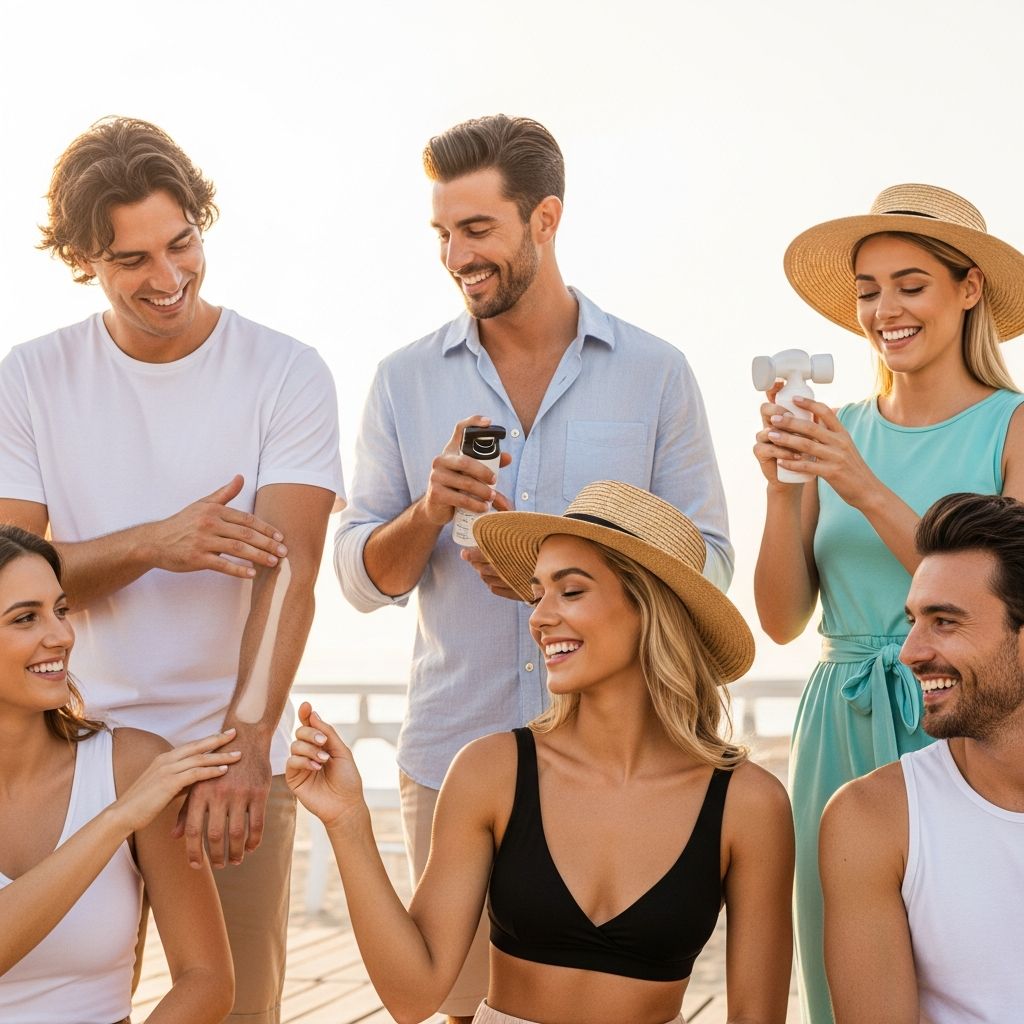
Sunless Tanning Explained: A Safer Path to Your Perfect Glow
Achieving a bronzed, sun-kissed complexion no longer requires risking your skin health through ultraviolet exposure. Sunless tanning has emerged as a revolutionary alternative that allows you to maintain a radiant appearance without the dangers associated with traditional tanning methods. Unlike UV tanning from sunlight or indoor tanning beds, sunless tanning products deliver the aesthetic benefits of a tan while eliminating the risk of skin damage, premature aging, and skin cancer.
The shift toward sunless tanning reflects a growing understanding of skin health and the documented risks of UV exposure. Dermatologists increasingly recommend sunless tanning as a safe alternative for individuals seeking to enhance their skin tone while protecting their long-term health. This comprehensive guide explores the science, safety, application methods, and best practices for achieving a flawless sunless tan.
Understanding Sunless Tanning: What It Is and How It Works
Sunless tanning, also known as self-tanning, involves applying a topical solution to the skin that creates a temporary tan without any exposure to ultraviolet radiation. The process is fundamentally different from UV tanning, which causes the skin to produce melanin in response to radiation exposure—a process that inherently damages skin cells.
The magic behind sunless tanning lies in a simple chemical reaction. When applied to the skin, the active ingredient in most sunless tanners—dihydroxyacetone, commonly known as DHA—reacts with amino acids in the outermost layer of the skin, specifically the stratum corneum. This reaction, known as the Maillard reaction, produces a browning effect that creates the appearance of a tan. Importantly, this reaction occurs only in the outermost, dead cell layer of the skin, making it fundamentally safe and non-toxic.
The “tan” achieved with sunless tanners is both nontoxic and noncarcinogenic, and has been validated through extensive FDA testing. This stands in stark contrast to UV tanning, where the browning or reddening of skin represents actual damage to living skin cells. As dermatologists emphasize, there is no such thing as a safe UV tan—any visible color change from sun exposure indicates cellular damage.
The Science of DHA: How the Active Ingredient Functions
DHA is a sugar-based compound that interacts exclusively with the amino acids present in the stratum corneum—the outermost, non-living layer of skin. The concentrations used in sunless tanning products typically range from 3% to 5%, with the specific concentration adjusted to provide varying shades of tan, from light to deep bronze.
The Maillard reaction begins immediately upon application but develops gradually over time. The artificial tan becomes visible on the skin surface instantly due to cosmetic bronzers included in most commercial products, but the actual tan continues to darken over the next 24 hours, depending on the specific formulation used. Once the darkening effect has fully occurred, the tan becomes waterproof and will not wash away with soap or water, making it genuinely resistant to moisture.
The tan gradually fades over 5 to 10 days as the skin naturally exfoliates and sheds the outer layer containing the DHA-induced pigmentation. This natural fading process means sunless tans are inherently temporary and require periodic reapplication to maintain the desired appearance.
Related Stories



Types of Sunless Tanning Products and Methods
DHA-Based Self-Tanning Products
DHA-based products are available in numerous formulations, including lotions, creams, gels, mousses, and sprays designed for at-home application. Many modern formulations include beneficial ingredients such as aloe vera, antioxidants, and hyaluronic acid to nourish the skin while creating the tan. These products allow for customizable application, enabling users to control the intensity of their tan by adjusting application thickness and frequency.
Professional Spray Tanning
Professional spray tan applications are administered by trained technicians at spas, salons, and specialized tanning studios using either hand-held sprayers or enclosed booths. The enclosed booth, which resembles a shower stall, sprays the tanning solution evenly over the entire body, ensuring consistent coverage and professional results. A typical professional sunless tanning session lasts 11 to 15 minutes, including drying time. Airbrush tanning, performed by a professional using precision application techniques, can last five to ten days and is popular for special occasions when a quick, dark tan is desired.
Temporary Bronzers
Bronzers offer a temporary sunless tanning option available in powders, sprays, mousse, gels, lotions, and moisturizers. Unlike DHA-based products, these create a tan that washes away with soap and water, making them ideal for one-day-only tans or to complement a DHA-based sunless tan. Common bronzer ingredients include walnut oil extract, jojoba extract, and caramel. While much safer than tanning beds, temporary bronzers can sometimes produce an orangey or splotchy appearance if applied incorrectly. Additionally, many formulations contain allergens such as benzyl alcohol, tocopherol (vitamin E), and fragrances, so consumers should be aware of potential allergic reactions.
Clear and Dye-Free Formulations
Modern tanning technology has introduced clear or completely dye-free tanning solutions that contain DHA without any artificial color guides. These products provide no immediate visual color on the skin, allowing users to see their true tan results after 24 hours. A significant advantage of dye-free bronzer solutions is that they are typically water-soluble, meaning any stains or transfers to clothing, sheets, or furniture wash out with water. However, delicate fabrics like silk, satin, and lycra may require special care.
Preparation: The Foundation for a Flawless Tan
Achieving an even, natural-looking sunless tan requires proper preparation. The most critical step is thorough exfoliation of the skin.
Pre-Tanning Preparation Steps
- Exfoliate 24 hours before application: Remove dead skin cells by exfoliating thoroughly to create a smooth, even base for the tanning solution. This step is essential because areas of callused or thickened, dry skin—such as elbows, knees, ankles, and wrists—will bind more product if not properly exfoliated, resulting in darker or more orange-brown patches.
- Allow skin to dry: After exfoliation, allow your skin to dry completely for at least 15 minutes before applying self-tanner.
- Avoid lotions, oils, and deodorants: These products create a barrier that prevents the tanning solution from absorbing evenly, potentially resulting in streaks or uneven coloring.
- Wear loose, dark clothing: Tight clothing can rub against your freshly tanned skin and affect the development of your tan. Dark clothing helps prevent visible rub-off from bronzers.
Application Techniques for Even Coverage
Proper application is crucial for achieving a natural, streak-free tan. Apply the sunless tanning product in a thin layer as evenly as possible across all areas of the body. After application, wait another 15 minutes for the product to dry completely before putting on clothing. This waiting period allows the DHA to fully react with the skin and prevents transfer to fabrics.
For those concerned about the orange tint that can result from improper application, the key factor is ensuring proper exfoliation beforehand. When dead skin cells are not adequately removed, they absorb more product, leading to darker, more orange-tinted areas. Careful, even application combined with thorough pre-tanning preparation virtually eliminates this common concern.
Post-Tanning Care and Maintenance
Maintaining Your Sunless Tan
- Moisturize daily: Hydrated skin helps extend the life of your tan and promotes even fading. Use a salon-recommended tan-extending moisturizer to keep your skin supple and your tan vibrant.
- Avoid prolonged water exposure: While the tan becomes waterproof after 24 hours, excessive water exposure can accelerate fading.
- Continue sun protection: Sunless tanning does not provide protection from UV radiation, so continued use of sunscreen remains essential.
Why Sunless Tanning Is Superior to UV Tanning
Safety and Health Benefits
| Aspect | Sunless Tanning | UV Tanning |
|---|---|---|
| Skin Damage | No cellular damage; affects only dead outer layer | Damages living skin cells; increases skin cancer risk |
| Aging Effects | No premature aging or wrinkles | Accelerates aging, causes wrinkles and age spots |
| Carcinogenic Risk | Non-carcinogenic; FDA approved | Linked to melanoma and other skin cancers |
| Application Time | Quick; results in hours to 24 hours | Requires time; results build gradually |
| Skin Type Suitability | Safe for all skin types and tones | May not work well for fair or sensitive skin |
Sunless tanning is suitable for all skin tones and types, making it an inclusive option for anyone seeking to enhance their appearance. It is particularly excellent for those with acne-prone or aging skin, as many modern sunless tanning solutions include nourishing ingredients designed to support skin health.
Sun Protection After Sunless Tanning
A critical misconception is that a sunless tan provides protection from UV radiation. It does not. The browning created by DHA is purely cosmetic and offers no photoprotection. Therefore, a proper sun protection regimen remains essential regardless of whether you’re displaying your natural skin tone or a sunless tan.
Sun protection should include seeking shade when possible, daily application of a broad-spectrum sunscreen with an SPF of 15 or higher, and covering up with protective clothing, including a broad-brimmed hat and UV-blocking sunglasses. For extended periods in the sun, use an SPF 30 or higher, broad-spectrum, water-resistant sunscreen, reapplying every two hours or after swimming or sweating.
It’s important to note that for the 24 hours immediately after self-tanner application, the skin is especially susceptible to ultraviolet damage, so extra sun protection is particularly important during this period while the tan is still developing.
Frequently Asked Questions
Is sunless tanning safe?
Yes, sunless tanning is safe. The “tan” achieved with sunless tanners is both nontoxic and noncarcinogenic, with FDA approval confirming its safety in testing. Unlike UV tanning, which damages skin cells, sunless tanning affects only the outermost, dead cell layer.
How long does a sunless tan last?
A sunless tan typically lasts 5 to 10 days, gradually fading as your skin naturally exfoliates. The duration depends on individual skin exfoliation rates and how well you maintain your skin’s hydration.
Can sunless tanning cause an orange tint?
Improper application or inadequate exfoliation can cause an orange or splotchy appearance. Thorough exfoliation beforehand and careful, even application virtually eliminate this issue.
Is sunless tanning suitable for all skin types?
Yes, sunless tanning is suitable for all skin types and tones, including acne-prone and aging skin. Many formulations include beneficial ingredients like aloe vera and antioxidants.
Do I still need sunscreen if I have a sunless tan?
Absolutely. A sunless tan provides no protection from UV radiation. You should continue using broad-spectrum sunscreen with SPF 15 or higher daily, and SPF 30 or higher for extended sun exposure.
How quickly does a sunless tan develop?
The artificial tan appears immediately on the skin surface due to cosmetic bronzers, but the actual tan continues to darken over the next 24 hours, depending on the formulation.
Conclusion: Embracing a Safer Path to Radiance
Sunless tanning represents a significant advancement in beauty and skincare, offering a safe, effective, and customizable alternative to UV exposure. By understanding the science behind DHA, preparing your skin properly, and following best practices for application and maintenance, you can achieve a beautiful, natural-looking tan without compromising your skin health. In a world where the risks of UV exposure are well-documented and undeniable, sunless tanning empowers you to maintain your desired appearance while protecting yourself from premature aging and skin cancer risk. Whether you’re preparing for a special event or simply want to feel confident year-round, sunless tanning offers a responsible, proven solution.
References
- Fake it to Make it: Sunless Tanning Explained — The Skin Cancer Foundation. 2024. https://www.skincancer.org/blog/sunless-tanning-explained/
- Sunless tanning — Wikipedia. 2025. https://en.wikipedia.org/wiki/Sunless_tanning
- DHA: The Science Behind Sunless Tanning — Norvell Tanning. 2024. https://norvelltanning.com/blogs/protips/dha-the-science-behind-sunless-tanning
- The Science Behind the Sunless Tan — AestheticsED. 2023. https://aestheticsed.com/topics/3-2-the-science-behind-the-sunless-tan-2/
- The Ultimate Guide to Sunless Tanning: Achieve a Flawless Glow — Sunseeker’s Tanning. 2024. https://sunseekerstanning.ca/blogs/news/the-ultimate-guide-to-sunless-tanning-achieve-a-flawless-glow
- The Rise of Sunless Tanning: A Safe, Smart Way to Glow — Utopia Tanning Spa. 2024. https://utopiatanningspa.com/the-rise-of-sunless-tanning-a-safe-smart-way-to-glow/
Similar Articles








Read full bio of medha deb