Sunscreen Allergy: Causes, Symptoms, And Prevention Tips
Understanding sunscreen allergy: causes, symptoms, diagnosis, and effective management strategies for safe sun protection.
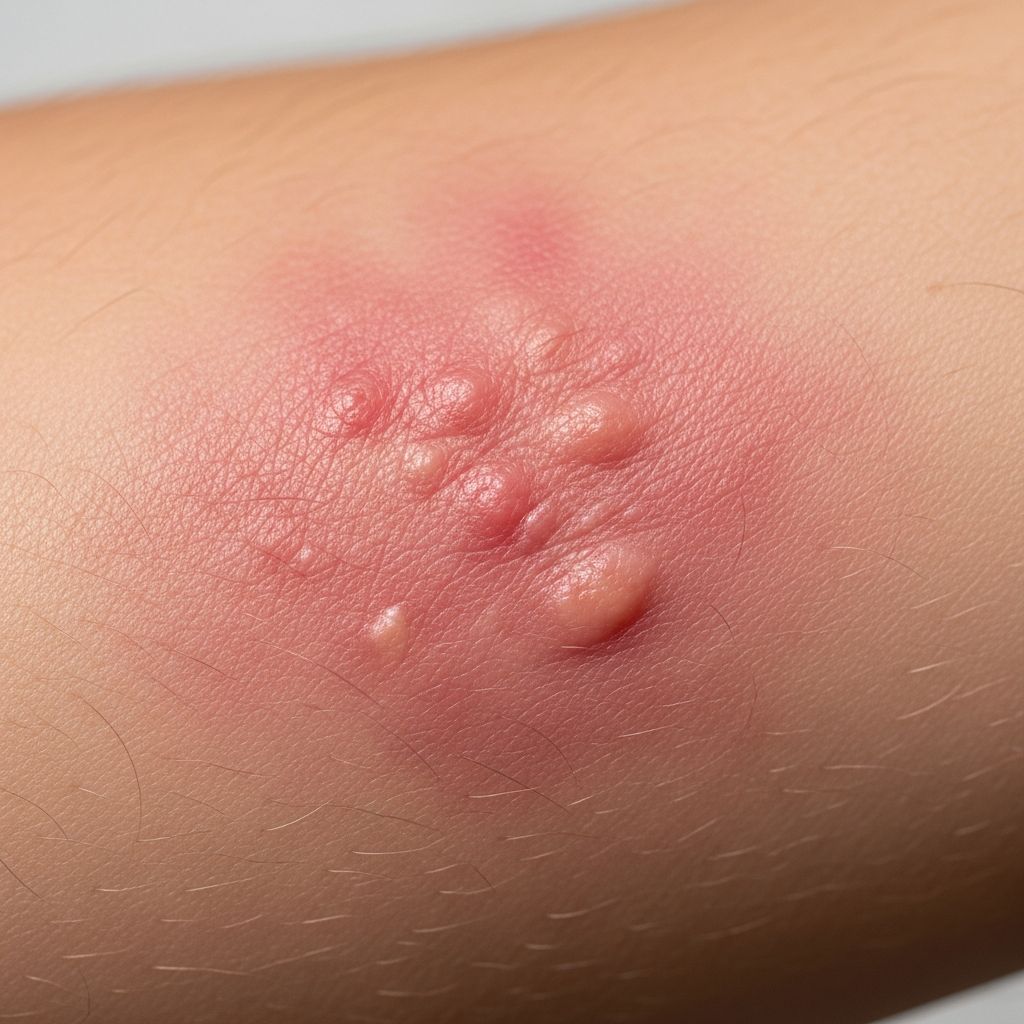
Sunscreen allergy refers to adverse skin reactions triggered by sunscreen ingredients, often activated by sunlight exposure. These reactions are uncommon but can significantly impact individuals seeking sun protection, manifesting as
phototoxic
orphotoallergic
dermatitis.What is sunscreen allergy?
Sunscreen allergy encompasses two primary types: phototoxic reactions and photoallergic reactions. Phototoxic reactions occur when sunscreen chemicals, upon absorbing ultraviolet (UV) radiation, become toxic to skin cells, resembling an exaggerated sunburn without immune involvement. These affect anyone with sufficient exposure and typically appear within 24 hours.
Photoallergic reactions, conversely, involve an immune-mediated type IV hypersensitivity response. UV light alters sunscreen chemicals into allergens that sensitize T-lymphocytes, leading to dermatitis upon re-exposure. This delayed reaction develops over days in previously sensitized individuals.
Additional reactions include irritant contact dermatitis from sunscreen vehicles (e.g., preservatives, emulsifiers) and, rarely, immediate contact urticaria or anaphylaxis.
Who is at risk of sunscreen allergy?
Individuals with a history of contact dermatitis or multiple allergies face higher risk. Photoallergic reactions are more prevalent in adults, particularly women aged 20–40, due to frequent sunscreen use on sun-exposed areas like the face, neck, arms, and hands.
Children and infants may experience reactions from mineral sunscreens containing zinc oxide or titanium dioxide, often due to their thicker formulations. Occupational exposure in lifeguards or outdoor workers increases susceptibility.
What causes sunscreen allergy?
Sunscreen agents fall into two categories: chemical ultraviolet absorbers and physical blockers.
- Chemical sunscreens include para-aminobenzoic acid (PABA) and derivatives (e.g., padimate O), cinnamates (e.g., octyl methoxycinnamate), benzophenones (e.g., oxybenzone), salicylates, anthranilates, and avobenzone. PABA and benzophenones are common photoallergens.
- Physical sunscreens like zinc oxide and titanium dioxide rarely cause photoallergy but may provoke irritant reactions, especially in nanoparticle forms.
Non-filter ingredients such as preservatives (e.g., Euxyl K400), emulsifiers, fragrances, and dyes also contribute to allergies. Phototoxicity often stems from salicylates and cinnamates.
What are the clinical features of sunscreen allergy?
Reactions appear on sunscreen-applied, sun-exposed skin. Phototoxic dermatitis presents as exaggerated sunburn with erythema, edema, and possible blistering within 24 hours. Photoallergic contact dermatitis features pruritic, eczematous changes—redness, scaling, vesicles—emerging 24–48 hours post-exposure.
Symptoms include burning, stinging, and itching. Chronic exposure may cause lichenification or hyperpigmentation. Airborne spread to covered areas can occur.
Reactions mimic photocontact dermatitis from plants or drugs but are distinguished by sunscreen application history.
How is sunscreen allergy diagnosed?
Diagnosis combines clinical history, examination, and photopatch testing—the gold standard. The process uses standardized allergens from the North American Contact Dermatitis Group or European Photopatch Test Group.
- Apply allergens to the back.
- Occlude for 48 hours.
- Remove patches and irradiate half with UVA (5 J/cm²).
- Read reactions at 48 and 96 hours.
Positive photopatch tests show dermatitis only on irradiated sites, confirming photoallergy. Non-irradiated reactions indicate contact allergy; both suggest combined sensitivity.
Related Stories



Broad-spectrum phototesting may identify idiopathic photodermatoses. Open application tests replicate usage but are less standardized.
What is the treatment for sunscreen allergy?
Treat established dermatitis as acute eczema: potent topical corticosteroids (e.g., clobetasol), emollients, and antibiotics for secondary Staphylococcus aureus infection. Oral corticosteroids or antihistamines aid severe cases.
Prevention is paramount: identify and avoid allergenic ingredients. Switch to mineral sunscreens (zinc oxide, titanium dioxide), fragrance-free, hypoallergenic formulations labeled for sensitive skin.
| Sunscreen Type | Ingredients | Pros | Cons |
|---|---|---|---|
| Chemical | Oxybenzone, avobenzone | Clear, elegant | High allergy risk |
| Mineral | Zinc oxide, titanium dioxide | Low allergy risk | Thick texture |
Test new products on small areas for 48 hours. Use protective clothing, hats, and seek shade.
What is the outcome for sunscreen allergy?
Acute dermatitis resolves within weeks with avoidance and treatment. Sensitization may persist lifelong, necessitating permanent avoidance of triggers. Some patients tolerate alternatives long-term.
Cross-reactivity occurs within chemical classes (e.g., benzophenones). Patchy avoidance is ineffective; total elimination is required.
How can sunscreen allergy be prevented?
- Read labels; avoid known allergens.
- Opt for mineral-based, broad-spectrum SPF 30+ sunscreens.
- Choose ‘non-comedogenic,’ fragrance-free products.
- Apply 30 minutes before exposure; reapply every 2 hours.
- Combine with UPF clothing (UPF 50+), hats, sunglasses.
- Limit peak sun hours (10 AM–4 PM).
Frequently Asked Questions
What are common sunscreen allergens?
Oxybenzone, octocrylene, avobenzone, and PABA derivatives are frequent culprits in photoallergic reactions.
Can mineral sunscreens cause allergies?
Rarely; they mainly cause irritant reactions in children due to formulation.
Is sunscreen allergy curable?
No, but manageable through avoidance and symptom treatment.
How do I test for sunscreen allergy?
Consult a dermatologist for photopatch testing.
Can I use sunscreen if allergic?
Yes, select mineral-based, hypoallergenic options after testing.
What if symptoms persist?
Seek medical evaluation for steroids or further testing.
References
- Sunscreen Allergy: Symptoms, Diagnosis, and Remedies — Allergy & Asthma Center. 2023. https://www.allergyinatlanta.com/sunscreen-allergy
- Sunscreen Allergy Symptoms & Treatment — New York Allergy & Sinus Centers. 2024. https://www.nyallergy.com/sunscreen-allergy/
- Sunscreen Allergy — St. Louis Allergy & Asthma. 2023. https://stlouisallergyasthma.com/sunscreen-allergy/
- Sunscreen Allergy: How To Identify And Get Relief — McGovern Allergy and Asthma Clinic. 2024. https://mcgovernallergy.com/how-to-sunscreen-allergy-relief/
- Sunscreen allergy — DermNet NZ. 2025-01-15. https://dermnetnz.org/topics/sunscreen-allergy
- Sun Allergy: Symptoms, Causes, and Treatment Options — La Roche-Posay. 2024. https://www.laroche-posay.me/en/article/sun-protection/sun-allergy-symptoms-causes-and-how-to-deal-with-it
Similar Articles








Read full bio of medha deb