Sunscreen Morning Routine: How To Apply For Best Protection
Protect your skin every day with the right sunscreen habits and morning routine.
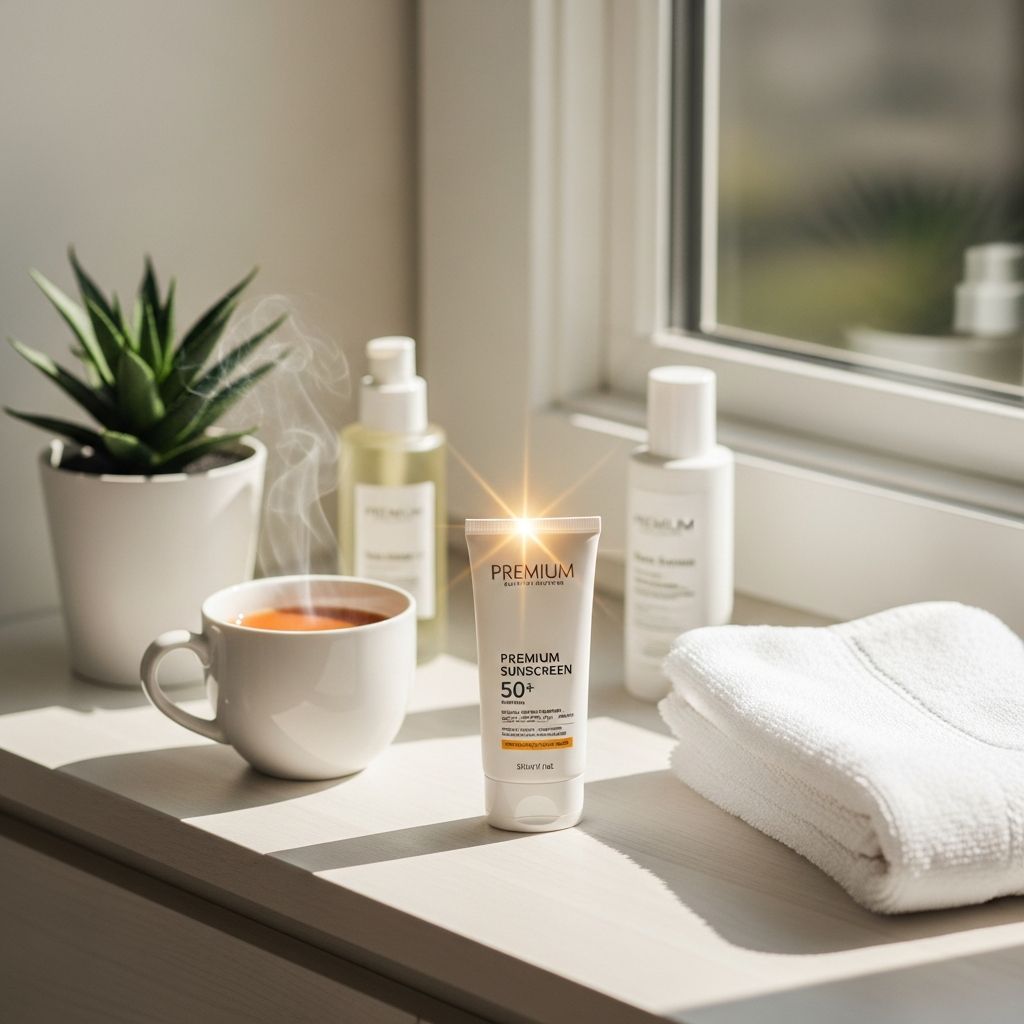
Sunscreen and Your Morning Routine
Wearing sunscreen is one of the simplest and most effective ways to protect your skin’s appearance and health at any age. Regular use of sunscreen helps prevent sunburn, skin cancer, and premature aging. Dermatologists recommend making sunscreen a non-negotiable part of your daily routine, especially in the morning. This article will guide you through the best practices for integrating sunscreen into your morning skincare regimen, choosing the right product, and understanding how much to use for optimal protection.
Why Sunscreen Is Essential
The sun emits ultraviolet (UV) rays, which can cause significant damage to your skin. There are two main types of UV rays: UVA and UVB. UVA rays penetrate deep into the skin and are responsible for premature aging, while UVB rays cause sunburn and play a key role in the development of skin cancer. Broad-spectrum sunscreen protects against both types of rays, making it a crucial part of your daily skincare routine.
- Prevents sunburn and skin cancer
- Reduces premature aging and wrinkles
- Protects against both UVA and UVB rays
- Helps maintain even skin tone
Choosing the Right Sunscreen
Not all sunscreens are created equal. When selecting a sunscreen for daily use, consider the following factors:
SPF (Sun Protection Factor)
For day-to-day use, choose a sunscreen with an SPF of at least 30. If you spend a lot of time outdoors, opt for SPF 60 or higher. SPF 30 blocks about 97% of UVB rays, while SPF 50 blocks about 98%. Higher SPF values offer slightly more protection, but no sunscreen can block 100% of UV rays.
Broad-Spectrum Protection
Ensure your sunscreen is labeled as “broad-spectrum,” which means it protects against both UVA and UVB rays. This is essential for comprehensive skin protection.
Water Resistance
If you plan to be active or spend time outdoors, choose a water-resistant sunscreen. This type of sunscreen remains effective for up to 40 or 80 minutes in water, depending on the product.
Skin Type
Select a sunscreen that suits your skin type. For oily skin, look for oil-free or non-comedogenic formulas. For dry skin, choose a moisturizing sunscreen. Sensitive skin may benefit from mineral-based sunscreens containing zinc oxide or titanium dioxide.
How Much Sunscreen to Apply
Most people do not apply enough sunscreen to achieve the advertised SPF protection. To cover your face, neck, arms, and legs, you need about 1 ounce (30 milliliters) of sunscreen. This is roughly the amount that would fill a shot glass or cover the palm of your hand.
| Body Area | Amount of Sunscreen |
|---|---|
| Face and Neck | 1/4 to 1/2 teaspoon |
| Arms | 1/2 teaspoon per arm |
| Legs | 1 teaspoon per leg |
| Torso | 1 teaspoon |
When to Apply Sunscreen
Sunscreen should be applied about 15 minutes before going outside to allow it to bind to your skin. If you’re using other skincare products, such as moisturizer or makeup, apply sunscreen after your moisturizer but before makeup. This ensures that the sunscreen forms a protective layer on your skin.
Related Stories



- Apply sunscreen after moisturizer
- Apply sunscreen before makeup
- Allow sunscreen to absorb for 15 minutes before going outside
Does Makeup with SPF Work?
Makeup with SPF can provide some protection, but it is not enough on its own. Most people do not apply enough makeup to achieve the advertised SPF protection. For optimal protection, use a standalone sunscreen before applying makeup.
Reapplying Sunscreen
Sunscreen should be reapplied every two hours, especially if you are spending time outdoors, swimming, or sweating. If you work indoors and are not exposed to direct sunlight, you may not need to reapply as frequently. However, if you step outside for lunch or run errands, keep a spare bottle of sunscreen at your desk for touch-ups.
- Reapply every two hours when outdoors
- Reapply after swimming or sweating
- Keep a spare bottle at your desk for convenience
Protecting Your Lips
Your lips are also exposed to the sun and can suffer from sun damage. Use an SPF lip balm to protect your lips from UV rays. This is especially important if you spend a lot of time outdoors.
Additional Sun Protection Tips
In addition to sunscreen, consider other forms of sun protection:
- Wear wide-brimmed hats and sunglasses
- Seek shade during peak sun hours (10 a.m. to 4 p.m.)
- Wear protective clothing, such as long sleeves and pants
- Avoid tanning beds
Frequently Asked Questions
Do I need sunscreen on cloudy days?
Yes, UV rays can penetrate clouds, so it’s important to wear sunscreen even on cloudy days.
Can I use sunscreen on babies?
For babies under 6 months, it’s best to avoid direct sun exposure and use protective clothing. For older babies, use a sunscreen formulated for sensitive skin.
Are organic sunscreens better?
There is no strong evidence that organic sunscreens are more effective than conventional ones. Choose a product that suits your skin type and preferences.
Can I use sunscreen with other skincare products?
Yes, sunscreen can be used with other skincare products. Apply sunscreen after moisturizer and before makeup for best results.
How often should I reapply sunscreen?
Reapply sunscreen every two hours when outdoors, and after swimming or sweating.
Conclusion
Integrating sunscreen into your morning routine is a simple yet powerful way to protect your skin from sun damage, prevent skin cancer, and maintain a youthful appearance. Choose a broad-spectrum sunscreen with at least SPF 30, apply the recommended amount, and reapply as needed throughout the day. By making sunscreen a daily habit, you can enjoy the benefits of healthy, protected skin for years to come.
References
- Sunscreen and Your Morning Routine — Johns Hopkins Medicine. 2023. https://www.hopkinsmedicine.org/health/wellness-and-prevention/sunscreen-and-your-morning-routine
- Skin Safety Facts — Johns Hopkins Bloomberg School of Public Health. 2023. https://publichealth.jhu.edu/skin-safety-facts
- Sunscreen and Your Morning Routine FAQ — Johns Hopkins Work Care Pathways. 2022. https://www.johnshopkinssolutions.com/wp-content/uploads/2022/06/Johns-Hopkins-Work-Care-Pathways-Sunscreen-FAQ-NOCTA-v060322-large-blue-header.pdf
Similar Articles








Read full bio of medha deb