Sunscreen Around Your Eyes: 5 Safe Application Steps
Expert advice on safely applying sunscreen to protect the delicate eye area from UV damage without irritation.
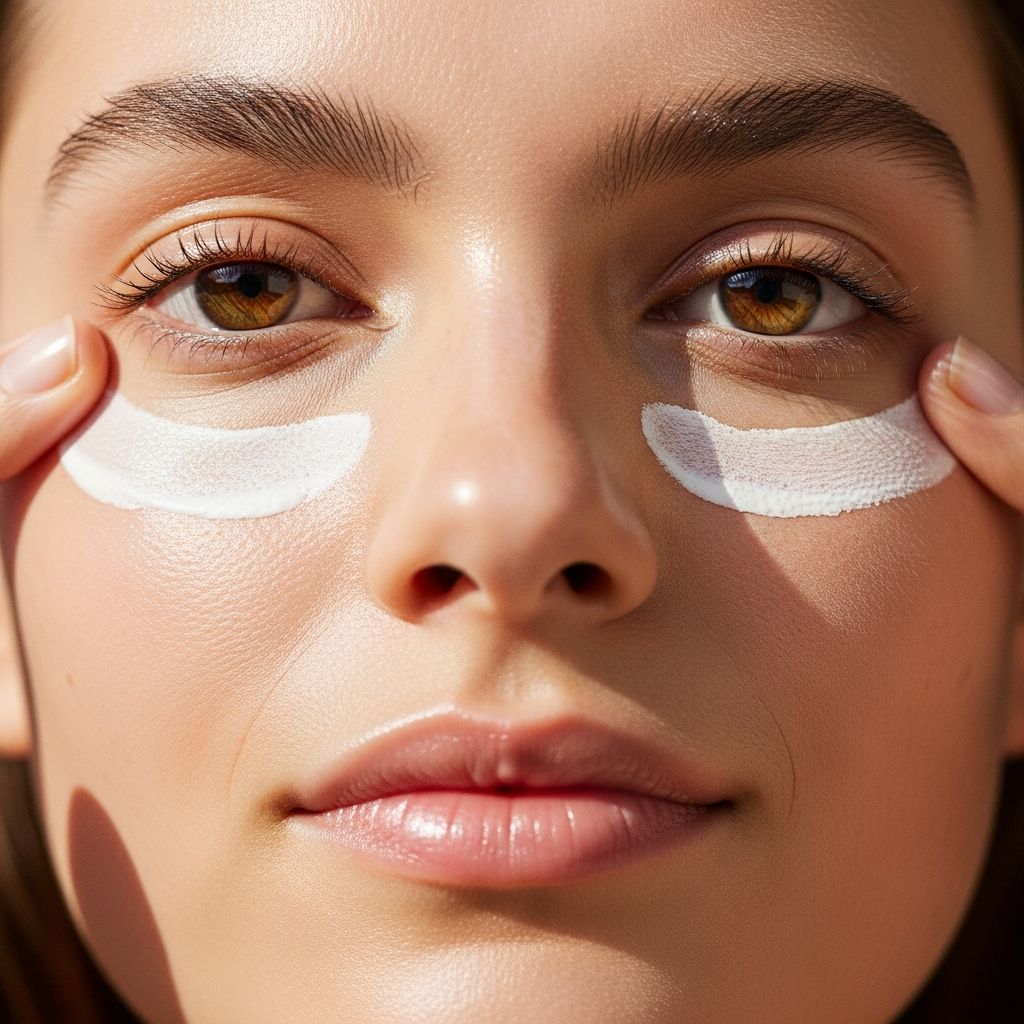
The skin around your eyes is exceptionally thin and vulnerable to ultraviolet (UV) radiation, making it a prime target for sun damage and skin cancer. Protecting this delicate area requires careful selection and application of sunscreen, combined with additional barriers like hats and sunglasses.
Why Protecting the Eye Area Matters
The eyelid skin is the thinnest on the body, only 0.5 mm thick, compared to 2 mm on other facial areas. This fragility heightens the risk of sunburn, premature aging, and cancers like basal cell carcinoma, which frequently occurs near the eyes. UV exposure contributes to up to 90% of visible skin aging around the eyes, including wrinkles and dark circles.
Extended UV exposure without protection can lead to conditions like pterygium, a growth on the eye surface that impairs vision, especially in outdoor workers or water sports enthusiasts. Daily application of broad-spectrum SPF 30+ around the eyes is essential for prevention.
Choosing the Right Sunscreen for Your Eyes
Not all sunscreens suit the sensitive eye area. Opt for formulas designed to minimize irritation.
- Mineral (Physical) Sunscreens: Zinc oxide or titanium dioxide reflect UV rays without absorption, reducing sting risk. Ideal for eyes as they sit on skin’s surface.
- Avoid Chemical Filters: Ingredients like oxybenzone can migrate into eyes, causing burning, especially when sweating.
- Fragrance-Free and Ophthalmologist-Tested: Prevents allergic reactions in this sensitive zone.
- SPF 30+ Broad-Spectrum: Blocks UVA/UVB; higher for intense sun.
Recommended formats:
- Sunscreen sticks for precise, non-dripping application.
- Tinted mineral powders or creams that double as concealers.
- Mists for easy reapplication over makeup.
Product Examples
| Product Type | Key Features | Suitable For |
|---|---|---|
| Mineral Tinted Sunscreen (e.g., La Roche-Posay Anthelios SPF 50) | Fragrance-free, color-correcting | Daily face/eye use |
| Eye-Specific SPF (e.g., SkinCeuticals Physical Eye UV Defense SPF 50) | Gentle mineral formula | Direct eye area application |
| Mineral Stick (e.g., CeraVe SPF Stick) | Water-resistant, no fragrance | Active/sweaty conditions |
How to Apply Sunscreen Around Your Eyes Safely
Proper technique prevents drips and ensures even coverage.
- Cleanse and Prep: Start with clean, dry skin. Apply eye cream first if using.
- Use a Small Amount: Dab pea-sized mineral sunscreen on ring finger. Gently pat from under-eye to brow bone, avoiding waterline.
- Eyelids: For lids, use stick above lash line. Close eyes, swipe lightly, blend.
- Wait to Set: Allow 15 minutes absorption before makeup or sweat-inducing activity.
- Reapply Every 2 Hours: Or after swimming/sweating. Use mist or stick for touch-ups.
Pro Tip: Apply sunscreen before other products to create a protective base.
What If Sunscreen Gets in Your Eyes?
Accidents happen, but prompt action minimizes harm. Sunscreen isn’t toxic but irritates due to pH and preservatives.
Immediate Steps
- Flush Immediately: Hold eye open under lukewarm water or saline for 15+ minutes. Blink to expel.
- Remove Contacts: If wearing, take out first to avoid trapping irritants.
- Wipe Gently: Use soft cloth on surrounding skin; avoid rubbing eyes.
- Lubricate: Preservative-free drops soothe post-flush. Apply hourly as needed.
Rest eyes 48 hours: no contacts, dim lights, cold compress for swelling. Seek medical help if pain/blurred vision persists beyond 24 hours.
Related Stories



Prevention Tips to Avoid Eye Irritation
- Choose ‘eye-safe’ or sensitive-skin labels.
- Spray into hands, never face directly.
- Use sticks near eyes for control.
- Supervise kids; apply for them.
- Store out of reach.
Beyond Sunscreen: Multi-Layer Protection
Sunscreen alone isn’t enough; layer defenses.
- UV-Blocking Sunglasses: Wraparound styles block 100% UVA/UVB. Protect surrounding skin too.
- Broad-Brimmed Hats: 3+ inch brim shades face/eyes effectively.
- Seek Shade: 10 AM-4 PM when UV peaks.
- Post-Sun Care: Vitamin C eye serums combat free radicals, reduce dark circles (e.g., Kiehl’s or iNNBEAUTY).
For swimmers: Goggles shield from chlorine/salt; rinse eyes post-swim.
Special Considerations
- Active Lifestyles: Water-resistant, sweat-proof sticks prevent runoff.
- Children: Gentle minerals; adult supervision essential.
- Makeup Wearers: SPF powders over foundation for reapplication.
- Daily Routine: Integrate into AM skincare: cleanse, eye cream, sunscreen, makeup.
Frequently Asked Questions (FAQs)
Q: Is it safe to put sunscreen on eyelids?
A: Yes, mineral formulas on closed lids are safe and recommended. Avoid waterline.
Q: What SPF for eye area?
A: Minimum SPF 30 broad-spectrum; 50+ for high exposure.
Q: Can chemical sunscreens be used near eyes?
A: Better to avoid; minerals are gentler and less migratory.
Q: How often reapply around eyes?
A: Every 2 hours outdoors, or after water/sweat.
Q: What if irritation persists after flushing?
A: Use drops, rest eyes. See doctor if symptoms last >24 hours.
Q: Do sunglasses replace sunscreen?
A: No, they complement; skin still needs SPF.
Conclusion: Make Eye Protection Habitual
Incorporating eye-safe sunscreen into your routine dramatically cuts skin cancer risk in this high-vulnerability area. Combine with sunglasses and hats for comprehensive defense. Consistency prevents irreversible damage—your future self will thank you.
References
- How to Apply Sunscreen Around Your Eyes, Minus the Irritation — Skincare.com. 2023-08-07. https://www.skincare.com/product-picks/sun-care/how-to-apply-sunscreen-around-eyes
- Sunscreen for Eyelids: Why It Matters and How to Apply It — COOLA. Accessed 2026. https://coola.com/blogs/blog/sunscreen-for-eyelids
- How to Get Sunscreen Out of Eyes: Summer Eye Health — VO Eye Dr. Accessed 2026. https://www.voeyedr.com/blog/summer-eye-health/
- Ask the Expert: Can You Safely Use Sunscreen Around Your Eyes — Skin Cancer Foundation. Accessed 2026. https://www.skincancer.org/blog/sunscreen-around-your-eyes/
Similar Articles








Read full bio of Sneha Tete