Sunscreen Safety: A Complete Guide To Facts, Regulations & Use
Unpacking the truth about sunscreen safety, ingredients, regulations, and best practices for protecting your skin from UV damage.
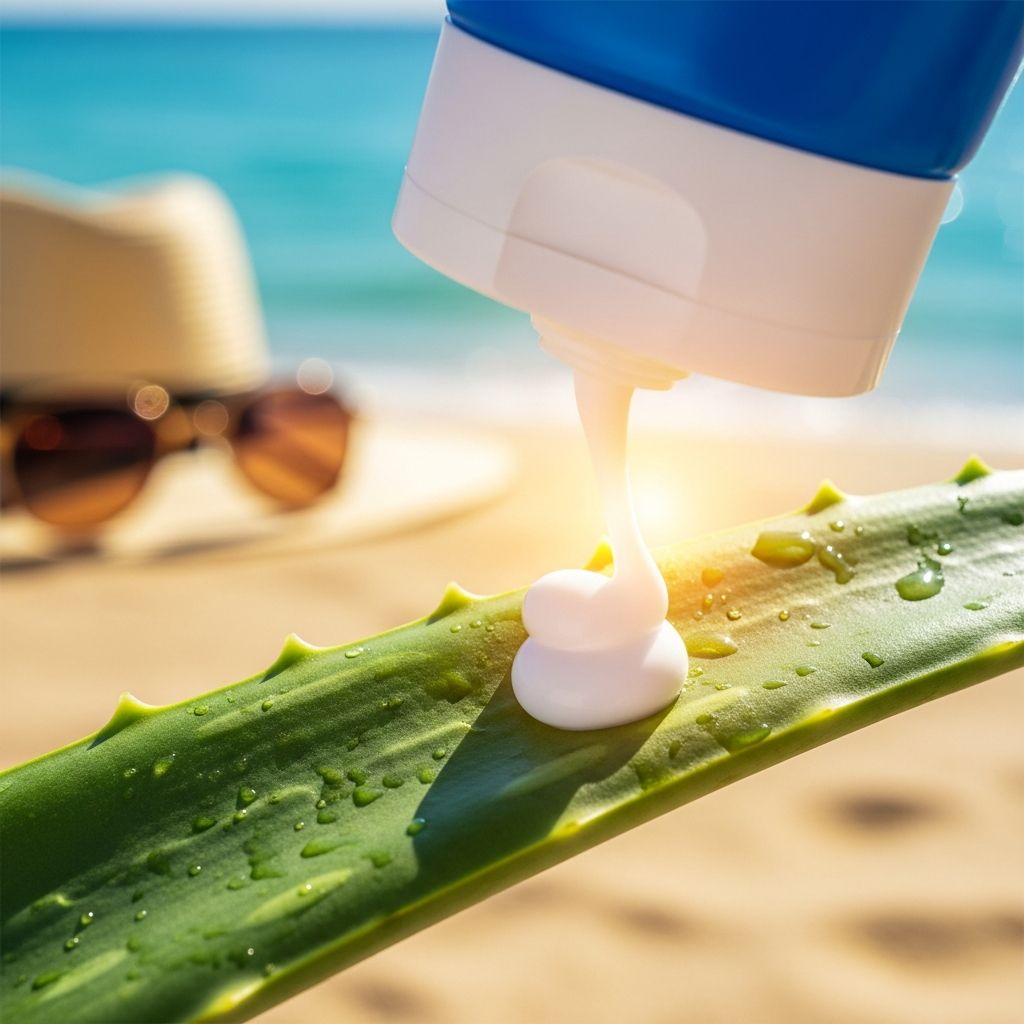
The safest and most effective method to protect your skin from ultraviolet (UV) radiation—proven throughout history—is to minimize sun exposure and wear sun-protective clothing, wide-brimmed hats, and UV-blocking sunglasses. When used as part of a complete sun protection strategy, sunscreen can provide important additional protection against UV damage that leads to skin cancer, sunburn, and premature skin aging.
Sunscreen safety has been a topic of growing concern, fueled by media reports, social media claims, and evolving regulatory discussions. This article cuts through the misinformation, drawing on authoritative sources like the FDA, American Academy of Dermatology (AAD), and recent legislation such as the SAFE Sunscreen Standards Act, to deliver evidence-based facts on sunscreen ingredients, efficacy, and usage.
Is Sunscreen Safe?
Yes, sunscreens available in the U.S. are rigorously regulated by the FDA as over-the-counter (OTC) drugs and are safe and effective when used as directed. The FDA maintains high standards for safety, effectiveness, and quality, based on current scientific evidence. No sunscreen ingredients currently on the U.S. market have been shown to harm human health at typical usage levels.
Recent studies have detected absorption of certain chemical sunscreen ingredients (like avobenzone, oxybenzone, octocrylene, and ecamsule) into the bloodstream after application. However, absorption alone does not indicate harm—the FDA emphasizes that further research is needed, but there is no evidence of adverse effects in humans from real-world use. High-dose animal studies showing potential issues used concentrations far exceeding human topical application.
The FDA classifies only two mineral ingredients as “generally recognized as safe and effective” (GRASE): zinc oxide and titanium dioxide, which primarily sit on the skin’s surface to reflect UV rays. For 14 other chemical filters, the FDA requested additional safety data in 2019 and 2021 proposals, but has not deemed them unsafe or recommended discontinuation.
FDA Sunscreen Regulations: What’s Changing?
The FDA continues to update sunscreen rules to enhance protection and innovation. Key proposals and recent laws include:
- SPF Cap Adjustment: Raising the maximum labeled SPF from 50+ to 60+, though experts like the AAD note SPF 30 blocks ~97% of UVB rays, and higher SPFs offer diminishing returns.
- Broad-Spectrum Requirements: All sunscreens with SPF 15+ must protect against both UVA and UVB rays to reduce skin cancer risk.
- Ingredient Reviews: PABA and trolamine salicylate will no longer be GRASE due to ineffectiveness and side effects like irritation or nausea.
- New Forms and Combos: Sunscreen wipes/towelettes and sunscreen/insect repellent combos require full drug approval.
In a major advancement, the SAFE Sunscreen Standards Act (signed November 2025) modernizes FDA review processes. It mandates science-based standards using real-world evidence, non-animal testing, and evaluation of globally approved ingredients (e.g., European filters unavailable in the U.S.), aiming to provide Americans access to advanced protections amid rising UV Index levels.
| Aspect | Current/Proposed FDA Rule | Expert Recommendation (AAD) |
|---|---|---|
| SPF | Max 60+ (proposed) | 30+ daily |
| Broad-Spectrum | Required for SPF 15+ | Always |
| Water Resistance | 40 or 80 min labeled | Yes, reapply every 2 hours |
| GRASE Ingredients | Zinc oxide, Titanium dioxide | Any effective formula |
Sunscreen Ingredients: Mineral vs. Chemical
Sunscreens use two main types of active ingredients:
- Mineral (Physical) Filters: Zinc oxide and titanium dioxide form a barrier reflecting/scattering UVA/UVB rays. Ideal for sensitive skin, children, and those preferring non-absorbed options. New formulations reduce the white cast.
- Chemical Filters: Absorb UV rays and convert them to heat (e.g., avobenzone for UVA, octinoxate for UVB). Effective but under FDA review for systemic absorption. No human health risks identified at cosmetic-use levels.
Related Stories



Choose based on needs: minerals for immediate protection and sensitivity; chemical for elegant, clear formulas. Both are safe when GRASE or approved.
How to Choose and Use Sunscreen Effectively
The AAD and Skin Cancer Foundation recommend:
- SPF 30+ (or higher): Broad-spectrum, water-resistant.
- Application: 1 oz (shot glass) for adult body, 15-30 min before sun exposure. Reapply every 2 hours, after swimming/sweating.
- For Children: Avoid under 6 months if possible; use minimal mineral sunscreen on exposed areas. For 6+ months, SPF 30+ on uncovered skin.
- Storage: Avoid heat/direct sun to preserve efficacy.
Sunscreen complements—not replaces—other strategies like shade-seeking (10am-4pm), UPF clothing, and hats.
Common Myths and Misconceptions
- Myth: High SPF is always better. Reality: SPF 30 blocks 97% UVB; SPF 50 ~98%. Focus on application amount.
- Myth: Sunscreen causes cancer. Reality: No evidence; UV exposure is the proven carcinogen.
- Myth: Water-resistant means permanent. Reality: Reapply after 40-80 min per label.
- Myth: Daily use is unnecessary indoors. Reality: UVA penetrates windows; use on exposed skin year-round.
Frequently Asked Questions (FAQs)
What is the best sunscreen for everyday use?
A broad-spectrum, SPF 30+, water-resistant formula. Mineral options suit sensitive skin.
Are chemical sunscreens dangerous?
No, FDA-regulated and safe. Absorption studies show no harm at human doses.
Should I use sunscreen on children?
Minimal on infants <6 months; SPF 30+ on 6+ months, prioritizing clothing/shade.
How often to reapply?
Every 2 hours, or after water/sweat.
What about the SAFE Act?
It speeds FDA approval of innovative, global sunscreens using modern evidence.
Complete Sun Protection Strategy
Sunscreen alone isn’t enough. Adopt the “Slip! Slop! Slap!® + Wrap” approach:
- Slip on sun-protective clothing (UPF 50+).
- Slop on broad-spectrum SPF 30+ sunscreen.
- Slap on a wide-brimmed hat.
- Wrap on UV-blocking sunglasses.
- Seek shade 10am-4pm; get annual dermatologist exams and monthly self-checks.
With rising UV Index per EPA, consistent habits prevent most skin cancers.
References
- FDA To Update Sunscreen Regulations — UCLA Health. 2023-approx. https://www.uclahealth.org/news/article/fda-to-update-sunscreen-regulations
- Text – 119th Congress: SAFE Sunscreen Standards Act — Congress.gov. 2025. https://www.congress.gov/bill/119th-congress/house-bill/3686/text
- SAFE Sunscreen Standards Act Signed into Law — LiVDerm. 2025. https://www.livderm.org/articles/safe-sunscreen-standards-act-signed-into-law/
- Sunscreen FAQs — American Academy of Dermatology. Accessed 2026. https://www.aad.org/media/stats-sunscreen
- Sunscreen: How to Help Protect Your Skin from the Sun — FDA.gov. Updated 2021+. https://www.fda.gov/drugs/understanding-over-counter-medicines/sunscreen-how-help-protect-your-skin-sun
Similar Articles








Read full bio of Sneha Tete