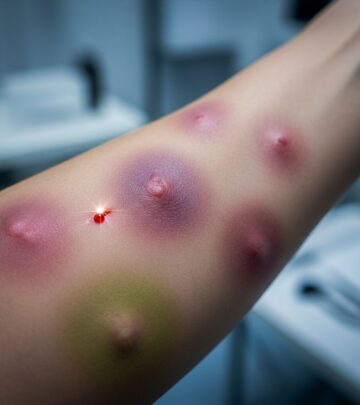
Superficial Thrombophlebitis
Understanding superficial thrombophlebitis: causes, symptoms, diagnosis, treatment, and prevention of this common vein inflammation.
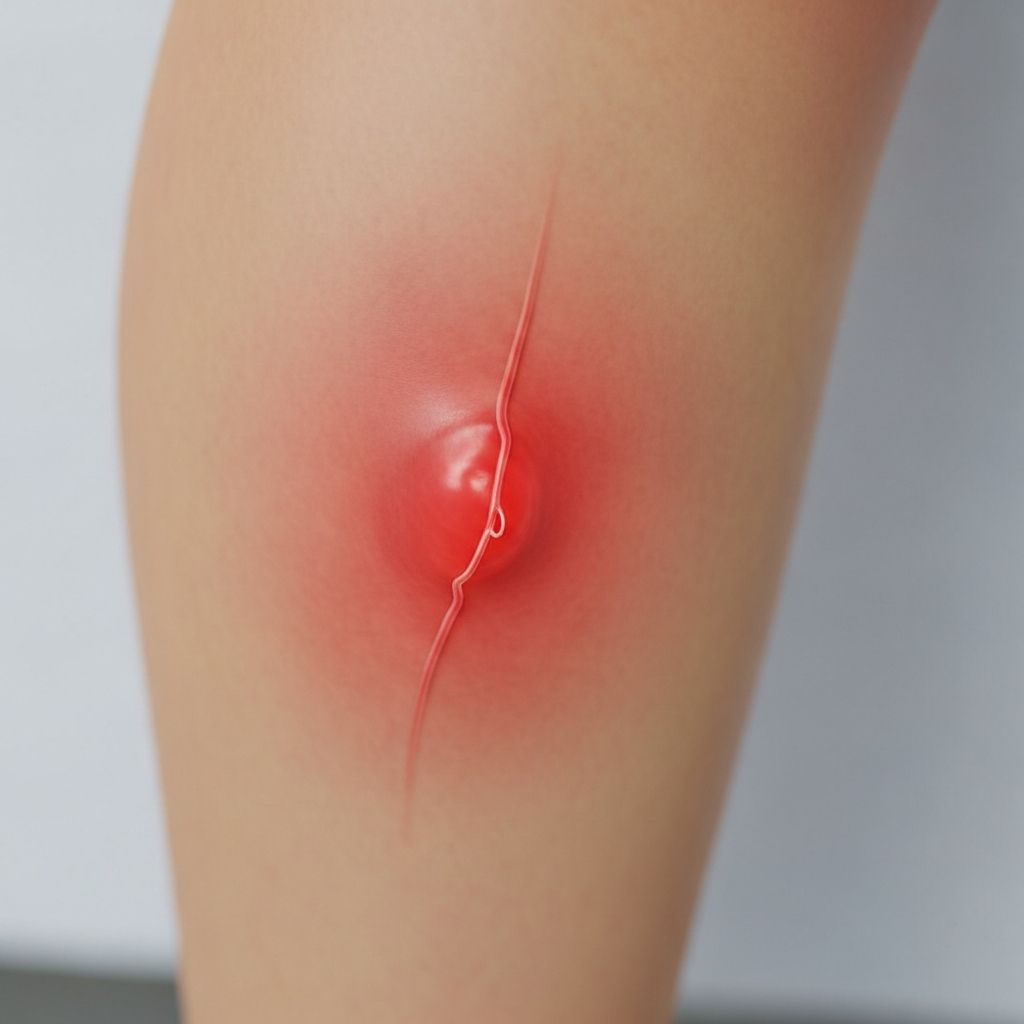
Superficial thrombophlebitis, also known as superficial phlebitis or superficial vein thrombosis (SVT), is a condition characterized by inflammation and blood clot formation in a vein close to the skin’s surface, most commonly in the legs. Unlike deep vein thrombosis (DVT), which affects deeper veins and poses a higher risk of pulmonary embolism, superficial thrombophlebitis is generally less serious but can cause significant discomfort and requires proper management to prevent progression.
What is Superficial Thrombophlebitis?
Superficial thrombophlebitis occurs when a superficial vein becomes inflamed, often accompanied by a small blood clot that forms due to venous stasis, vessel wall injury, or hypercoagulability. These veins are located just under the skin, typically in the legs, and the condition manifests as a reddened, warm, tender area along the vein’s path. It commonly affects varicose veins, which are prone to minor trauma leading to inflammation. The clot is usually confined to the superficial system and resolves within 2-6 weeks with conservative treatment, though it may leave residual pigmentation or a palpable cord.
Who Gets Superficial Thrombophlebitis?
Superficial thrombophlebitis can affect anyone but is more common in individuals with certain risk factors. People with varicose veins are particularly susceptible, as these dilated veins are vulnerable to injury and stasis. Other risk factors include:
- Prolonged immobility, such as long flights, bed rest, or sedentary lifestyles, which promote blood stasis.
- Intravenous catheters, pacemakers, or recent injections that irritate vein walls.
- Conditions causing hypercoagulability, like thrombophilia, autoimmune diseases (e.g., Behçet’s disease), active malignancy, or recent surgery.
- Pregnancy, obesity, or smoking, which exacerbate venous issues.
- Trauma or minor injury to the vein.
It is more prevalent in adults over 50, though it can occur at any age, and recurrent episodes are possible in those with underlying varicose veins.
Related Conditions
Superficial thrombophlebitis is often linked to varicose veins and can coexist with or mimic other venous disorders. Key differentiations include:
| Condition | Key Features |
|---|---|
| Superficial Thrombophlebitis | Superficial redness, tenderness, palpable cord; low risk of embolism. |
| Deep Vein Thrombosis (DVT) | Deep limb swelling, calf pain on walking, higher embolism risk; requires urgent anticoagulation. |
| Cellulitis | Diffuse redness, fever, no palpable cord; bacterial infection. |
| Varicose Veins | Dilated, twisted veins without inflammation or clot. |
Up to 25% of SVT cases near the saphenofemoral junction may extend into deep veins, necessitating DVT screening.
History and Symptoms
Patients typically report a sudden onset of pain, warmth, redness, and tenderness along a superficial vein, often feeling like a throbbing or burning sensation. A firm, cord-like structure may be palpable under the skin. Symptoms develop gradually over days and include:
- Long, linear redness following the vein’s path.
- Localized swelling or itchiness.
- Low-grade fever in some cases.
- Superficial nature distinguishes it from DVT’s profound swelling.
Symptoms usually peak within a week and resolve in 2-6 weeks, but severe cases or proximity to deep veins warrant evaluation.
Diagnosis
Diagnosis is primarily clinical, based on history and physical exam revealing an inflamed, tender venous cord. To exclude DVT, especially if SVT is within 10 cm of the saphenofemoral junction, >5 cm long, or involves the great saphenous vein, duplex ultrasound is recommended. This non-invasive test visualizes clot location, extent, and compressibility. Blood tests for D-dimer may be used but are non-specific; coagulation studies assess underlying thrombophilia. Differential diagnosis includes erysipelas, lymphangitis, or ruptured Baker’s cyst.
Treatment of Superficial Thrombophlebitis
Treatment focuses on symptom relief and preventing extension to deep veins. Most cases are self-limiting, but management includes:
- Elevation and heat: Elevate the limb and apply warm compresses to reduce pain and swelling.
- NSAIDs: Oral ibuprofen or topical gels for anti-inflammatory effects.
- Compression stockings: Gradient compression to improve flow, unless contraindicated.
- Anticoagulation: For high-risk cases (e.g., clot >5 cm, near knee/junction, severe symptoms), fondaparinux 2.5 mg/day or low-molecular-weight heparin (LMWH) for 45 days. Direct oral anticoagulants (DOACs) show promise but need more data.
Surgical options like vein ligation are rare, reserved for recurrent or complicated cases. Monitor for resolution; refer if symptoms persist >6 weeks.
ComplicationsWhile generally benign, complications include: - Clot extension to deep veins (5-10% risk), potentially causing DVT or pulmonary embolism.
- Recurrent SVT, especially with untreated varicose veins.
- Chronic pigmentation, palpable lumps, or post-thrombotic changes.
- Rarely, abscess or sepsis if infected.
Prevention
Prevent recurrence by addressing risk factors:
- Wear compression stockings during travel or immobility.
- Treat varicose veins with sclerotherapy, endovenous ablation, or surgery.
- Maintain mobility, hydration, and avoid smoking.
- Manage coagulopathies and monitor high-risk patients.
Frequently Asked Questions
Q: How long does superficial thrombophlebitis last?
A: Most cases resolve in 2-6 weeks with conservative treatment.
Q: Is superficial thrombophlebitis dangerous?
A: Usually not, but it can progress to DVT in high-risk locations; ultrasound screening is advised.
Q: Can I exercise with superficial thrombophlebitis?
A: Gentle walking is encouraged; avoid strenuous activity until symptoms improve.
Q: Does superficial thrombophlebitis require blood thinners?
A: Only for extensive or high-risk clots; otherwise, NSAIDs and elevation suffice.
Q: Can superficial thrombophlebitis occur in arms?
A: Yes, often from IV catheters, but legs are more common.
References
- Deep Vein Thrombosis & Superficial Thrombophlebitis — Minneapolis Vein Center. Accessed 2026. https://www.mplsvein.com/conditions/deep-vein-thrombosis-superficial-thrombophlebitis/
- Thrombophlebitis – Diagnosis & treatment — Mayo Clinic. 2023-10-15. https://www.mayoclinic.org/diseases-conditions/thrombophlebitis/diagnosis-treatment/drc-20354613
- Superficial Thrombophlebitis — StatPearls, NCBI Bookshelf, NIH. 2023-07-17. https://www.ncbi.nlm.nih.gov/books/NBK556017/
- Superficial Thrombophlebitis — Royal Berkshire NHS Foundation Trust. 2025-02. https://www.royalberkshire.nhs.uk/media/v1obr3ja/superficial-thrombophlebitis_feb25.pdf
- Phlebitis (superficial thrombophlebitis) — NHS. 2023-11-01. https://www.nhs.uk/conditions/phlebitis/
- Thrombophlebitis – Symptoms & causes — Mayo Clinic. 2023-10-15. https://www.mayoclinic.org/diseases-conditions/thrombophlebitis/symptoms-causes/syc-20354607
Similar Articles





Read full bio of medha deb