Superfoods To Eat: 10 Essential Nutrient-Packed Foods
Discover the top superfoods packed with nutrients that boost health, prevent disease, and support overall wellness daily.
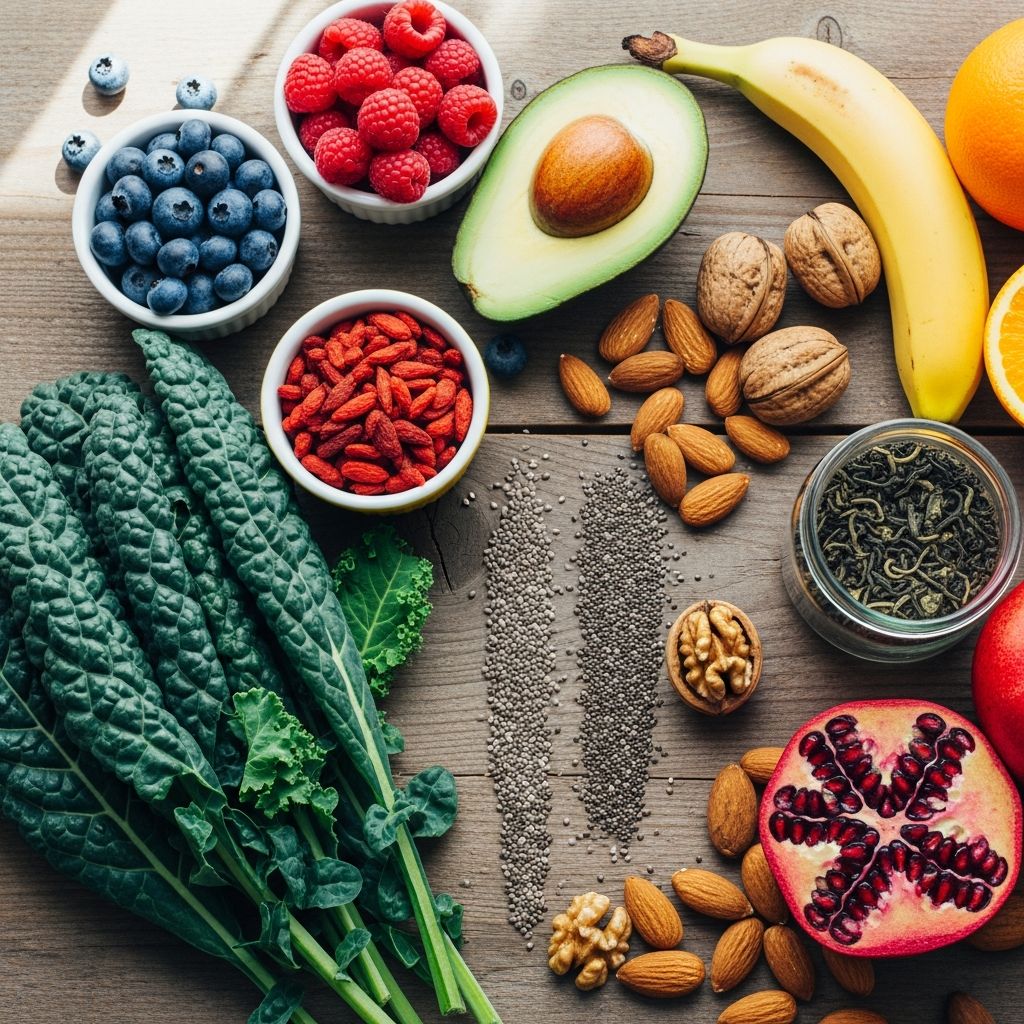
Superfoods are nutrient powerhouses loaded with vitamins, minerals, antioxidants, and other compounds that support overall health and may help prevent chronic diseases like heart disease and cancer. While no single food is a miracle cure, regularly eating these foods as part of a balanced diet can provide significant benefits. This article breaks down the top superfoods, their key nutrients, and evidence-based health effects, drawing from scientific analysis of popular recommendations.
What Are Superfoods?
The term “superfood” isn’t a formal scientific classification but refers to foods exceptionally rich in nutrients relative to their calorie content. Websites often highlight foods like leafy greens, berries, fatty fish, nuts, seeds, and fruits for their high levels of antioxidants, fiber, healthy fats, and vitamins. A study analyzing 45 web pages found 136 foods labeled as superfoods, with the top 10—kale, spinach, salmon, blueberries, avocado, chia seeds, walnuts, beans, fermented milks, and garlic—mentioned on at least 15 sites each.
These foods are praised for properties like antioxidant activity, cardiovascular protection, cancer risk reduction, and anti-inflammatory effects. Scientific literature supports many claims, though much evidence comes from in vitro or animal studies, with human trials ongoing.
Leafy Greens: Kale and Spinach
Kale
Kale, a cruciferous leafy green, tops superfood lists for its dense nutrition. It’s rich in vitamins A, C, K, and minerals like calcium and potassium. Websites attribute antioxidant activity, cardiovascular protection, cancer risk reduction, and digestive health benefits to kale.
These effects align with science: Kale’s polyphenols, carotenoids, and glucosinolates combat oxidative stress and inflammation. Studies link it to reduced heart disease risk and potential cancer prevention, though in vivo human data is limited.
- Key Nutrients: Vitamins A, C, K; fiber; antioxidants like quercetin and kaempferol.
- Health Benefits: Supports eye health, bone strength, and detoxification.
- How to Eat: Add to smoothies, salads, or sauté as a side.
Spinach
Spinach, another leafy green, is lauded for lutein, zeaxanthin, folate, and iron. Sites claim it protects against cardiovascular disease, reduces cancer risk, boosts antioxidants, and preserves bone health.
Its polyphenols, carotenoids, and vitamin C contribute to these benefits, though other greens may have higher concentrations. Regular intake supports heart health and may lower chronic disease risk.
- Key Nutrients: Vitamins A, C, K; magnesium; iron; nitrates for blood pressure.
- Health Benefits: Improves vision, reduces inflammation, aids muscle function.
- How to Eat: Blend into smoothies, wilt into soups, or use in omelets.
Fatty Fish: Salmon
Salmon ranks high for its omega-3 fatty acids, EPA and DHA. Websites emphasize cardiovascular protection, anti-inflammatory effects, and cognitive benefits like improved memory.
These polyunsaturated fats (PUFAs) reduce triglycerides, inflammation, and support brain health. The American Heart Association recommends fatty fish twice weekly for heart benefits, corroborated by clinical trials.
- Key Nutrients: Omega-3s (EPA/DHA), protein, vitamin D, selenium.
- Health Benefits: Lowers heart disease risk, supports brain function, fights inflammation.
- How to Eat: Grilled, baked, or in salads; aim for wild-caught when possible.
Related Stories



Berries: Blueberries
Blueberries are antioxidant stars, with sites noting fiber, vitamin C, and minerals like manganese. They promote heart health, reduce cancer risk, and aid weight loss.
Anthocyanins, the pigments giving blueberries their color, drive these effects by neutralizing free radicals. USDA research shows blueberries improve vascular function and insulin sensitivity.
- Key Nutrients: Anthocyanins, vitamin C, fiber, vitamin K, manganese.
- Health Benefits: Enhances brain health, supports digestion, protects cells from damage.
- How to Eat: Fresh, frozen in yogurt, or atop oatmeal.
Avocado
Avocados provide monounsaturated fats (MUFAs), fiber, potassium, and magnesium. They’re credited with heart disease prevention, diabetes risk reduction, antioxidant activity, and eye health.
MUFAs improve cholesterol profiles and nutrient absorption, like beta-carotene from other foods. A meta-analysis in the Journal of the American Heart Association links avocado intake to better cardiovascular outcomes.
- Key Nutrients: Healthy fats, fiber, vitamins E/K, folate, potassium.
- Health Benefits: Supports heart health, stabilizes blood sugar, promotes satiety.
- How to Eat: On toast, in guacamole, or sliced in salads.
Seeds and Nuts: Chia Seeds and Walnuts
Chia Seeds
Chia seeds are fiber and omega-3 bombs. Though less detailed in sources, they’re noted for plant-based ALA omega-3s, protein, and gel-forming fiber for digestion.
NIH data confirms chia’s role in heart health via blood pressure reduction and cholesterol management.
- Key Nutrients: Omega-3 ALA, fiber, protein, calcium, antioxidants.
- Health Benefits: Aids digestion, supports heart and bone health.
- How to Eat: In puddings, smoothies, or sprinkled on foods.
Walnuts
Walnuts offer ALA omega-3s, polyphenols, and melatonin. Sites link them to brain health, anti-inflammation, and heart protection.
Harvard studies show walnuts improve endothelial function and reduce LDL oxidation.
- Key Nutrients: Omega-3s, vitamin E, magnesium, polyphenols.
- Health Benefits: Boosts cognitive function, lowers cholesterol.
- How to Eat: As snacks, in salads, or baked goods.
Legumes: Beans
Beans are protein-fiber powerhouses with folate, iron, and antioxidants. They’re associated with diabetes prevention, gut health, and cancer risk reduction.
CDC reports legumes lower heart disease risk by 22% with regular consumption.
- Key Nutrients: Protein, fiber, iron, potassium, B vitamins.
- Health Benefits: Stabilizes blood sugar, promotes fullness.
- How to Eat: In soups, chili, or salads.
Fermented Foods: Yogurt and Kefir
Fermented milks like yogurt provide probiotics, calcium, and protein. Benefits include gut health, immunity, and bone support.
WHO guidelines endorse fermented dairy for microbiome diversity and reduced infection risk.
- Key Nutrients: Probiotics, calcium, vitamin B12, protein.
- Health Benefits: Improves digestion, strengthens immunity.
- How to Eat: Plain with fruit or in smoothies.
Allium Vegetables: Garlic
Garlic’s allicin offers antimicrobial and cardiovascular benefits. It’s linked to blood pressure reduction and immune support.
NHLBI research confirms garlic lowers hypertension modestly.
- Key Nutrients: Allicin, sulfur compounds, vitamin C.
- Health Benefits: Fights infections, supports heart health.
- How to Eat: Raw, roasted, or in dishes.
Superfoods Comparison Table
| Superfood | Key Nutrients | Top Benefits | Serving Suggestion |
|---|---|---|---|
| Kale | Vitamins A/C/K, antioxidants | Heart protection, cancer prevention | Salads, chips |
| Spinach | Iron, lutein, folate | Bone health, vision | Smoothies, sautés |
| Salmon | Omega-3 EPA/DHA | Brain health, anti-inflammatory | Baked fillets |
| Blueberries | Anthocyanins, vitamin C | Antioxidant, weight management | Fresh or frozen |
| Avocado | MUFAs, fiber, potassium | Heart health, diabetes prevention | Toast, salads |
| Chia Seeds | ALA, fiber | Digestion, heart support | Puddings |
| Walnuts | ALA, polyphenols | Cognitive boost | Snacks |
| Beans | Protein, fiber | Blood sugar control | Soups |
| Yogurt | Probiotics, calcium | Gut health | With berries |
| Garlic | Allicin | Immune support | Sauces |
Tips for Incorporating Superfoods
- Start small: Add one superfood daily, like blueberries to breakfast.
- Variety matters: Rotate greens, proteins, and fats for broad nutrients.
- Portion wisely: Aim for half your plate produce, per USDA MyPlate.
- Prep ahead: Wash and chop veggies for easy access.
- Combine for synergy: Pair avocado with tomatoes for better lycopene absorption.
Potential Downsides and Considerations
Superfoods are safe for most, but excess kale/spinach may affect thyroid due to oxalates; cook to reduce. Salmon’s mercury is low in wild varieties. Consult doctors for allergies or conditions.
Frequently Asked Questions (FAQs)
What makes a food a superfood?
A superfood is nutrient-dense with antioxidants, vitamins, and compounds linked to disease prevention, though benefits come from overall diet.
Can superfoods cure diseases?
No, they support health but don’t cure; evidence shows risk reduction, not treatment.
How many superfoods should I eat daily?
Incorporate 5-9 servings of fruits/veggies plus others; diversity is key.
Are frozen superfoods as good as fresh?
Yes, often more nutrient-retaining; choose unsweetened/no-added-salt options.
Vegetarian alternatives to salmon?
Chia, walnuts, algae oil for omega-3s.
References
- ‘Superfoods’: Reliability of the Information for Consumers Available on the Web — Rodríguez-Rodríguez E, et al. 2023-02-24. https://pmc.ncbi.nlm.nih.gov/articles/PMC9914617/
- Fish and Omega-3 Fatty Acids — American Heart Association. 2024-05-15. https://www.heart.org/en/healthy-living/healthy-eating/eat-smart/fats/fish-and-omega-3-fatty-acids
- Blueberry — USDA Agricultural Research Service. 2023-11-01. https://www.ars.usda.gov/northeast-area/beltsville-md-bhnrc/beltsville-human-nutrition-research-center/food-surveys-research-group/docs/blueberry/
- Avocado Consumption and Risk Factors for Heart Disease — Journal of the American Heart Association. 2022-01-05. https://www.ahajournals.org/doi/10.1161/JAHA.121.024014
- Chia Seeds — NIH Office of Dietary Supplements. 2024-08-20. https://ods.od.nih.gov/factsheets/Omega3FattyAcids-HealthProfessional/
- Walnuts and Health — Harvard T.H. Chan School of Public Health. 2023-06-12. https://www.hsph.harvard.edu/nutritionsource/food-features/walnuts/
- Legumes and Pulses — CDC. 2024-03-10. https://www.cdc.gov/nutrition/healthy-eating/legumes-pulses.html
- Probiotics in Food — WHO. 2023-04-18. https://www.who.int/news-room/fact-sheets/detail/probiotics
- Garlic — National Heart, Lung, and Blood Institute. 2024-01-22. https://www.nhlbi.nih.gov/health/garlic
Similar Articles








Read full bio of medha deb