Superoxidised Solution: Uses, Evidence, And Clinical Benefits
Antiseptic superoxidised solutions for wound care: mechanism, uses, evidence and application guidelines.
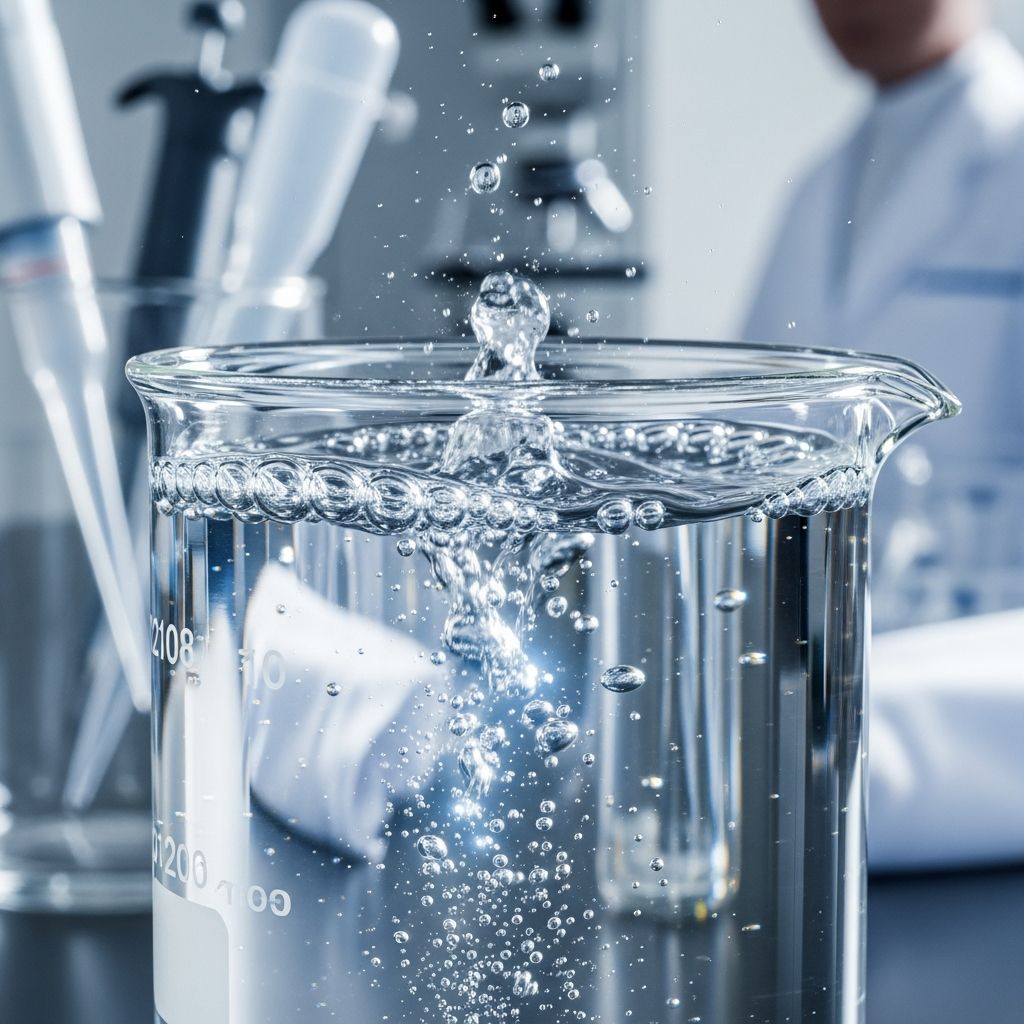
Superoxidised solution
What is superoxidised solution?
A
superoxidised solution
is an electrochemically processed antiseptic created by passing an electric current through a low concentration of sodium chloride (salt) dissolved in water. This process generates a mixture of reactive charged particles called ions, primarily combinations of hydrogen, oxygen, and chlorine. The resulting solution contains key active components such as hypochlorous acid (HOCl) and sodium hypochlorite (NaOCl), which provide broad-spectrum antimicrobial activity.Due to the production of hydrogen ions during electrolysis, superoxidised solutions are naturally acidic (pH typically 5-6). Some commercial formulations undergo additional processing to neutralise the pH, which stabilises the solution and extends shelf life up to 2 years when stored properly. These solutions are non-cytotoxic to human cells at therapeutic concentrations and are preservative-free, making them suitable for sensitive wound environments.
Superoxidised solutions are also known by alternative names including superoxidised water, anolyte solution, electrolysed water, oxidative potential water, and electrically activated water. Common brand examples include Microcyn®, Dermacyn®, PXP®, and Prontoderm®. They can be used in liquid form, as gels, sprays, or impregnated dressings for versatile application.
How does superoxidised solution work?
Superoxidised solutions exert their antimicrobial effects through oxidative chemical reactions. The reactive oxygen species (ROS) and hypochlorous acid penetrate and disrupt microbial cell walls, denature proteins, and interfere with essential cellular processes such as DNA replication and metabolism. This leads to rapid bacterial, viral, fungal, and protozoal death, often within 30 seconds of contact.
Key mechanisms include:
- Broad-spectrum antimicrobial action: Effective against Gram-positive and Gram-negative bacteria (including MRSA, Pseudomonas aeruginosa, and other antibiotic-resistant strains), fungi (Candida spp.), viruses (HIV, herpes simplex), and biofilms.
- Biofilm disruption: Biofilms are protective polymeric matrices produced by bacteria in chronic wounds that shield them from antibiotics and host defences. Superoxidised solutions break down the extracellular polymeric substances (EPS) in biofilms while killing embedded microbes.
- Anti-inflammatory effects: Reduce pro-inflammatory cytokines and matrix metalloproteinases (MMPs), promoting a healing microenvironment.
- Deodorising properties: React with volatile compounds from necrotic tissue and anaerobic bacteria to eliminate wound odour.
In chronic wounds, these actions collectively reduce bacterial burden, improve perfusion, decrease inflammation, and accelerate granulation tissue formation and epithelialisation. Laboratory studies confirm activity against common wound pathogens within 1-5 minutes.
Uses of superoxidised solution
In wound care
Superoxidised solutions form an essential component of modern wound management protocols for both acute and chronic wounds at risk of or exhibiting clinical infection. Grade B evidence supports their use to reduce local infection and promote healing, particularly in diabetic foot ulcers.
Indications include:
- Diabetic foot ulcers (post-surgical and neuropathic)
- Venous and arterial leg ulcers
- Pressure ulcers
- Burn wounds
- Surgical wounds
- Traumatic wounds
- Infected chronic wounds with biofilm
- Malodorous wounds
Clinical trials demonstrate superior healing rates compared to povidone-iodine and normal saline. For example, in a randomised controlled trial (RCT) of 40 post-surgical diabetic foot ulcers, 90% achieved complete healing with daily superoxidised solution irrigation vs 55% with povidone-iodine at 6 months (p=0.002). Mean healing time was 10.5 vs 16.5 weeks. Another RCT showed 80.9% cellulitis resolution vs 43.7% with saline (p=0.01).
Other uses
Beyond wounds, superoxidised solutions show promise in:
- Dermatological infections: Ecthyma, impetigo, and other superficial skin infections.
- Hand hygiene: Alcohol-free hand rubs for healthcare workers and patients with dermatitis.
- Mucosal applications: Oral rinses for gingivitis, eye washes for conjunctivitis.
- Surface decontamination: Medical equipment and environmental surfaces.
- Veterinary medicine: Wound care in animals.
Application methods
Superoxidised solutions are versatile and can be applied via multiple methods tailored to wound type, location, and exudate levels:
| Method | Description | Indications |
|---|---|---|
| Irrigation | Gentle flushing with 50-100mL using syringe | Cavitated wounds, surgical sites |
| Soaking | Gauze saturated and packed into wound | Deep ulcers, debridement |
| Spray | Aerosol application | Superficial wounds, burns |
| Gel | Thicker formulation for retention | Vertical surfaces, low exudate |
| Wet-moist dressing | Impregnated gauze covered with secondary dressing | Chronic wounds |
Dosing: Apply 1-3 times daily or continuously via negative pressure wound therapy. No rinsing required. Compatible with most dressings and topical agents.
Evidence and clinical studies
Systematic reviews and RCTs provide Level 1-2 evidence supporting efficacy:
- A systematic review found superoxidised solutions superior to povidone-iodine for wound healing parameters.
- Four RCTs confirmed faster healing, greater granulation tissue, and reduced infection vs comparators.
- Case series reported bacterial clearance in 95% of diabetic foot ulcers within 5 days.
- Health technology assessments in multiple countries affirm cost-effectiveness.
Limitations include small sample sizes and moderate risk of bias in some studies. Larger multicentre trials are ongoing.
Advantages and disadvantages
| Advantages | Disadvantages |
|---|---|
|
|
Precautions and contraindications
- Contraindications: Hypersensitivity, eyes (undiluted).
- Precautions: Monitor for irritation; discontinue if worsens. Pregnancy/breastfeeding: limited data.
- Adverse effects: Rare mild stinging (5%). No systemic absorption.
Frequently asked questions
Q: How long can superoxidised solution be stored?
A: Acidic formulations: 1-2 weeks; neutral pH versions: up to 2 years unopened.
Q: Is superoxidised solution safe for diabetic wounds?
A: Yes, Grade B recommendation specifically for diabetic foot ulcers.
Q: Can it replace antibiotics?
A: For local topical infection control; systemic antibiotics needed for spreading infection.
Q: Does it sting on application?
A: Minimal discomfort reported; less painful than hydrogen peroxide.
Q: What concentration is used?
A: Ready-to-use 0.005-0.01% available chlorine.
References
- Superoxidised solutions — DermNet NZ. 2023. https://dermnetnz.org/topics/superoxidised-solution
- WHAM Evidence Summary: Super-oxidised solutions for chronic wounds — Cambridge Media Journals. 2020-09-01. https://journals.cambridgemedia.com.au/wpr/volume-28-number-3/evidence-summary-super-oxidised-solutions-chronic-wounds
- Evidence Summary: Super-oxidised solutions for chronic wounds [PDF] — Cambridge Media. 2020. https://journals.cambridgemedia.com.au/download_file/2786/1677
- Wound cleansers — DermNet NZ. 2023. https://dermnetnz.org/topics/wound-cleansers
- Health technology assessment on super oxidized water — PubMed/NCBI. 2016-08-01. https://pubmed.ncbi.nlm.nih.gov/27493928/
- Hand rubs and the skin — DermNet NZ. 2023. https://dermnetnz.org/topics/hand-rub
- Ecthyma — DermNet NZ. 2023. https://dermnetnz.org/topics/ecthyma
Similar Articles








Read full bio of Sneha Tete