Supine Position: Benefits, Risks, 4 Safe Use Tips
Discover the benefits, risks, and practical uses of the supine position for sleep, exercise, medical procedures, and more.
The
supine position
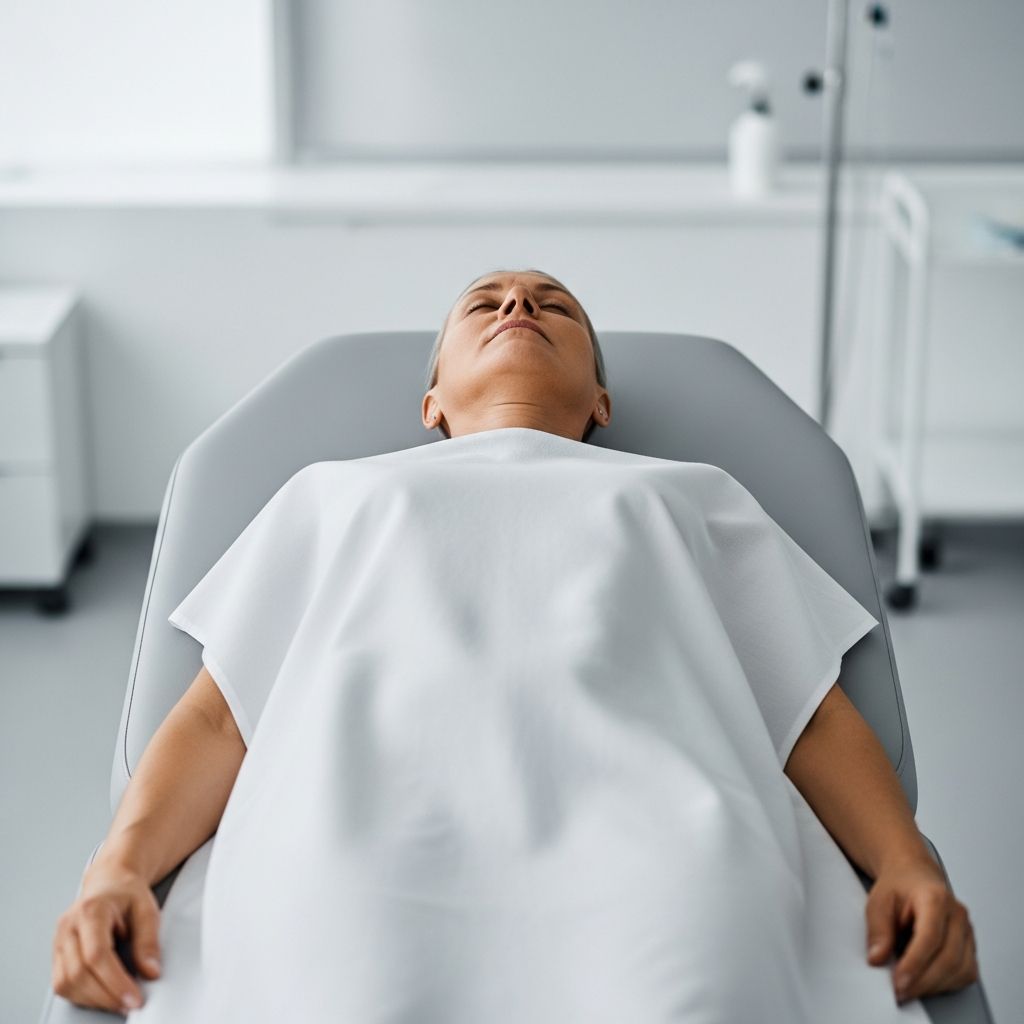
, defined as lying flat on your back with your face upward, is one of the most common body postures used in sleep, exercise, and medical settings. This position promotes spinal alignment and relaxation but carries risks for certain health conditions like sleep apnea and pregnancy complications.What Is the Supine Position?
The supine position involves lying on one’s back with the face pointing upward, arms typically at the sides, and legs extended. It contrasts with the prone position, where one lies face down. Medically, it’s the standard for many surgeries due to easy access to the front of the body and neutral spine alignment. In everyday use, it’s popular for sleeping and restorative exercises in yoga and Pilates.
This posture allows the spine to maintain its natural curves when properly supported, reducing pressure on joints and muscles. Achieving a
neutral spine
—where the lower back has a slight, natural curve without excessive arching—is key. To find it: lie supine with knees bent, feet flat, exhale while engaging abs to gently press the lower back toward the floor, then release to feel the natural gap.Supine Position in Exercise and Yoga
In
yoga
andPilates
, the supine position serves as a foundation for relaxation, stretching, and core strengthening. Poses like Savasana (Corpse Pose) encourage full-body relaxation, stress reduction, and mental focus by distributing weight evenly across the back.Pilates uses supine for precise alignment. Practitioners adopt a neutral spine to minimize strain on the spine and pelvis. Props like cushions under the head or blocks under the knees help achieve this, preventing lower back arching and promoting balanced muscle engagement. Benefits include improved posture, reduced muscle tension, and enhanced body awareness.
- Key supine exercises: Hundred (core activation), Single Leg Stretch (hip flexibility), and Roll-Up (spinal articulation).
- These build strength while protecting the back through controlled breathing and neutral alignment.
Studies note that supine-based practices ease pressure on bones and muscles, making them ideal for beginners or those with back pain.
Supine Position for Sleep
Many prefer sleeping supine for its spinal support. It keeps the head, neck, and spine neutral, potentially alleviating
back pain
by evenly distributing weight. A 2019 review in the British Medical Journal supports flatter back positioning with knee pillows to prevent arching. It may also reduce facial wrinkles by avoiding skin compression from side or stomach sleeping.However, supine sleep isn’t ideal for everyone. Research links it to increased
snoring
andobstructive sleep apnea (OSA)
, affecting over half of OSA cases. Gravity causes the tongue and soft tissues to collapse into the airway, worsening breathing. The FDA recommends positional therapy devices like pillows or monitors to encourage side sleeping.Related Stories



For
GERD
, supine position exacerbates acid reflux. A 2022 study found left-side sleeping superior, as supine allows acid to pool in the esophagus longer, causing heartburn. Elevating the bed head helps mitigate this.Risks of the Supine Position
While beneficial, supine carries notable risks:
- Pregnancy: After 20 weeks, it compresses the inferior vena cava, reducing uterine blood flow, lowering maternal blood pressure, and raising stillbirth risk. ACOG advises avoiding it; opt for left-side sleeping.
- Heart conditions: Supine worsens breathing in congestive heart failure due to fluid shifts. A recent study found it predicts more angina episodes (β=0.076 per SD increase), comparable to age or BMI effects.
- Surgery risks: Prolonged supine during procedures correlates with neurovascular injuries like poor perfusion, sensory changes, and pain (r=0.503-0.551). Variations like Lawnchair (flexed hips/knees) or Reverse Trendelenburg reduce back/hip pressure.
- Other: May increase lower back strain if unaligned; use pillows under knees.
| Variation | Description | Benefits | Risks/Notes |
|---|---|---|---|
| Standard Supine | Flat on back, neutral spine | Surgery access, relaxation | OSA, GERD risk |
| Lawnchair | Hips/knees flexed above heart | Relieves back/hip pressure | Facilitates venous return |
| Reverse Trendelenburg | Head elevated | Upper abdominal surgery | Hypotension risk |
Supine Position in Medical Settings
Supine is the go-to for surgeries, with the patient on their back, head/neck/spine neutral for optimal access and monitoring. It’s used in imaging (e.g., MRI), CPR, and exams. Variations prevent complications: Lawnchair eases lower body tension; Reverse Trendelenburg aids abdominal procedures but requires arterial monitoring for perfusion drops.
Post-op, improper supine positioning links to injuries; nurses must pad pressure points and monitor.
Tips for Safe Supine Use
- Use pillows under knees/head for neutral spine.
- Avoid if pregnant (past first trimester) or with OSA/GERD—side sleep instead.
- For exercise, engage core and breathe deeply.
- Consult doctors for heart issues or surgery recovery.
Frequently Asked Questions (FAQs)
What is the supine position?
Lying flat on your back with face up, used in sleep, yoga, and medicine.
Is supine sleeping good for back pain?
Yes, with knee pillows for neutral alignment, but avoid if it arches your back.
Why is supine bad for sleep apnea?
Gravity collapses airways; over 50% of OSA cases worsen supine.
Can pregnant people sleep supine?
No, after 20 weeks—risks vena cava compression and reduced fetal blood flow.
How to find neutral spine supine?
Lie back, knees bent; exhale to press low back down, inhale to release natural curve.
References
- Supine position: Health benefits and risks — Medical News Today. 2023-10-12. https://www.medicalnewstoday.com/articles/supine-position
- 0146 Supine Sleep Position and Angina Episodes — Oxford Academic (Sleep Journal). 2024-05-01. https://academic.oup.com/sleep/article/47/Supplement_1/A63/7654205
- Anatomy, Patient Positioning — StatPearls (NCBI Bookshelf, NIH). 2023-07-24. https://www.ncbi.nlm.nih.gov/books/NBK513320/
- Correlation between surgical patient supine positioning and the related neurovascular injuries — International Journal of Health Sciences. 2023. https://sciencescholar.us/journal/index.php/ijhs/article/view/12498
- Supine Position and Your Health: Exercise, Sleep, Pregnancy & More — Healthline. 2019-04-18. https://www.healthline.com/health/supine-position
Similar Articles








Read full bio of medha deb