Supplemental Oxygen Therapy: Types, Benefits & Complications
Complete guide to supplemental oxygen therapy for COPD, emphysema, and breathing disorders.
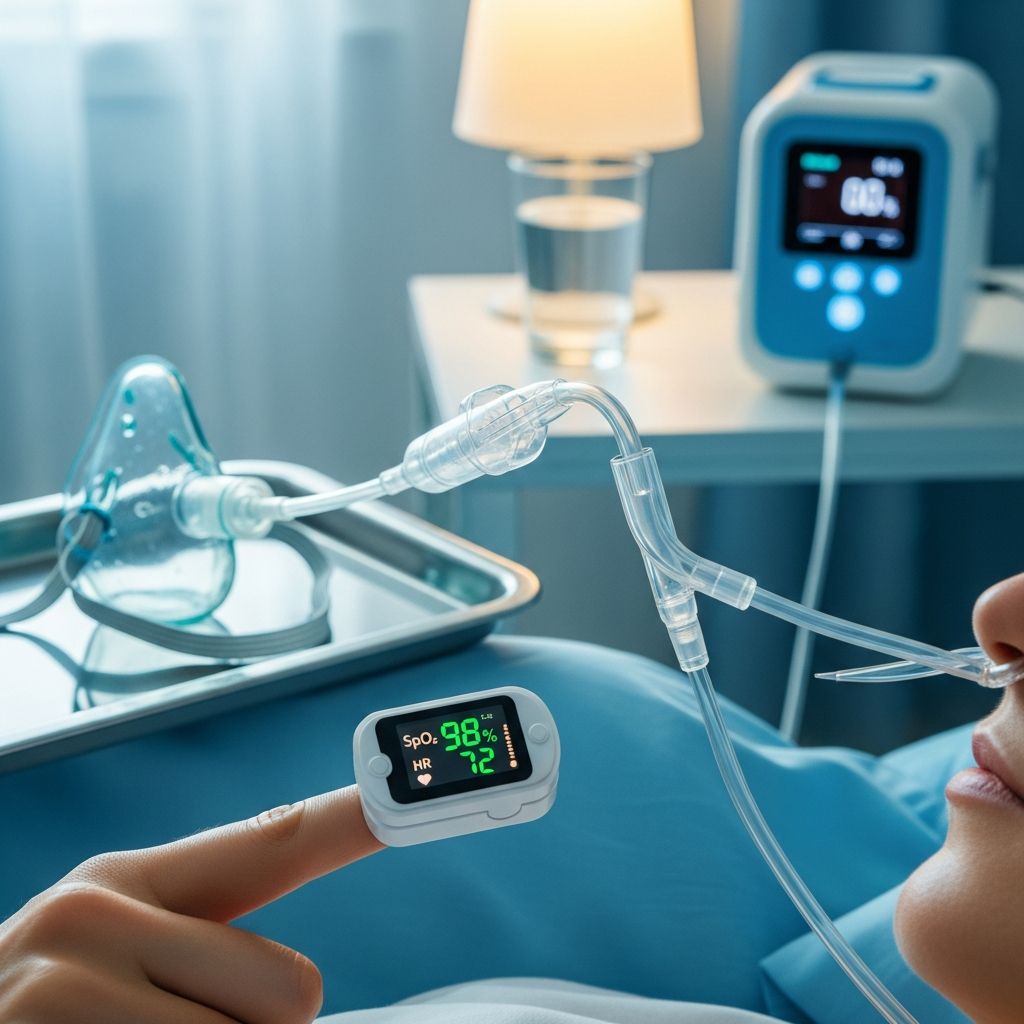
Supplemental oxygen therapy is a medical treatment that delivers extra oxygen to your bloodstream when your body isn’t getting enough oxygen on its own. This therapy helps people with various respiratory conditions breathe more easily and maintain adequate oxygen levels necessary for optimal bodily functions. Whether you have chronic obstructive pulmonary disease (COPD), emphysema, sleep apnea, COVID-19 complications, or other breathing disorders, supplemental oxygen therapy can significantly improve your quality of life and help your body function more effectively.
What Is Supplemental Oxygen Therapy?
Supplemental oxygen therapy is a treatment designed to increase the amount of oxygen available to your lungs and bloodstream. Unlike the air you normally breathe, which contains approximately 21% oxygen, supplemental oxygen therapy delivers concentrated oxygen ranging from 24% to 100% depending on the delivery method and your specific medical needs. This additional oxygen helps your body perform critical functions, including maintaining healthy organ function, supporting wound healing, and fighting infections.
The therapy works by either concentrating oxygen from ambient air or delivering pre-stored oxygen through various delivery devices. Your healthcare provider will determine the appropriate oxygen concentration and delivery method based on your specific condition, oxygen saturation levels, and overall health status.
Who Needs Supplemental Oxygen Therapy?
Several medical conditions may require supplemental oxygen therapy. Common conditions include:
- Chronic obstructive pulmonary disease (COPD)
- Emphysema
- Sleep apnea
- COVID-19 and post-COVID respiratory complications
- Pulmonary fibrosis
- Cystic fibrosis
- Acute respiratory distress syndrome (ARDS)
- Heart failure with respiratory complications
- Severe anemia
- Pneumonia
Your healthcare provider will assess your oxygen saturation levels using pulse oximetry or arterial blood gas testing to determine whether you require supplemental oxygen therapy. Oxygen therapy is typically recommended when your blood oxygen saturation falls below 88% at sea level or when you experience significant shortness of breath despite other treatments.
Types of Oxygen Delivery Systems
There are several methods to deliver supplemental oxygen, each with specific advantages depending on your lifestyle, oxygen needs, and treatment setting. Understanding the different delivery systems helps you choose the most appropriate option for your situation.
Nasal Cannula
The nasal cannula is the most commonly prescribed oxygen delivery device. This system consists of a flexible plastic tube that delivers oxygen through two small prongs inserted into your nostrils. The nasal cannula can deliver oxygen flow rates between 1 and 6 liters per minute, providing oxygen concentrations between 24% and 44%. This device is comfortable for extended use, allows you to eat and talk normally, and is portable enough for daily activities. Many patients find the nasal cannula the least intrusive option for long-term oxygen therapy.
Face Mask
Face masks cover your nose and mouth and can deliver higher oxygen concentrations than nasal cannulas. There are several types of face masks, including simple face masks, partial rebreather masks, and non-rebreather masks. Simple face masks deliver oxygen concentrations of 40% to 60% at flow rates of 5 to 8 liters per minute. Partial rebreather masks provide 60% to 75% oxygen concentration, while non-rebreather masks can deliver 80% to 95% oxygen concentration. Healthcare providers typically use face masks in hospital settings or when higher oxygen concentrations are needed.
Oxygen Concentrator
An oxygen concentrator is a stationary or portable medical device that concentrates oxygen from the air around you. The device works by sucking in atmospheric air through an air filter, compressing it, and filtering out nitrogen while collecting oxygen molecules into a reservoir. Oxygen concentrators can deliver up to 95% pure oxygen and are ideal for home use because they don’t require oxygen tank refills. These devices are particularly useful for patients requiring long-term oxygen therapy at home. Portable oxygen concentrators allow for greater mobility while maintaining reliable oxygen delivery.
Related Stories



Oxygen Tanks
Oxygen tanks store pressurized or liquid oxygen for portable use. There are three main types of oxygen tanks: compressed oxygen cylinders, liquid oxygen systems, and portable liquid oxygen containers. Compressed oxygen cylinders are the most common type and come in various sizes, from small portable tanks to large stationary tanks. Liquid oxygen systems store oxygen in a liquid state, allowing greater oxygen volume in a smaller container. Portable systems make it possible to maintain supplemental oxygen therapy during travel, errands, and outdoor activities. Your healthcare provider will help you determine which tank system best meets your needs.
How Supplemental Oxygen Therapy Works
Supplemental oxygen therapy functions by increasing the partial pressure of oxygen in your lungs, which enhances oxygen diffusion into your bloodstream. When you breathe in oxygen-enriched air, more oxygen molecules are available to cross the alveolar-capillary membrane in your lungs. This increased oxygen availability allows your red blood cells to carry more oxygen throughout your body to vital organs and tissues.
The therapy is particularly beneficial for people whose lungs cannot extract sufficient oxygen from room air due to disease, injury, or other medical conditions. By increasing the concentration of available oxygen, supplemental oxygen therapy ensures your body receives the oxygen necessary for proper cellular function, energy production, and overall health maintenance.
Benefits of Supplemental Oxygen Therapy
Supplemental oxygen therapy provides numerous health benefits for patients with chronic respiratory conditions and acute oxygen deficiency. Regular use of supplemental oxygen can significantly improve your quality of life and health outcomes.
Improved Exercise Tolerance
Patients using supplemental oxygen often experience improved exercise capacity and can engage in physical activities with less shortness of breath. The increased oxygen availability allows muscles to function more efficiently during physical exertion, reducing fatigue and dyspnea during daily activities.
Enhanced Cognitive Function
The brain is highly sensitive to oxygen deprivation. Supplemental oxygen therapy ensures adequate oxygen delivery to the brain, supporting cognitive function, concentration, and mental clarity. Patients often report improved focus and reduced confusion after initiating oxygen therapy.
Better Sleep Quality
Many patients with respiratory conditions experience sleep disruption due to oxygen desaturation during sleep. Supplemental oxygen therapy, particularly when used during sleep, can improve sleep quality, reduce nighttime arousals, and promote more restorative sleep patterns.
Reduced Hospitalizations
Long-term supplemental oxygen therapy has been shown to reduce hospitalizations and emergency room visits in patients with chronic respiratory conditions. By maintaining adequate oxygen levels, supplemental oxygen helps prevent acute exacerbations and respiratory crises.
Improved Survival Rates
Research demonstrates that appropriate supplemental oxygen therapy can improve survival rates in patients with severe COPD and other chronic respiratory conditions. Maintaining adequate oxygenation supports overall organ function and reduces the risk of complications.
Complications and Side Effects
While supplemental oxygen therapy is generally safe when used as prescribed, potential complications and side effects can occur, particularly with prolonged or inappropriate use.
Oxygen Toxicity
Prolonged exposure to high oxygen concentrations can cause oxygen toxicity, which damages lung tissue and can lead to acute respiratory distress. This complication is more common with very high oxygen concentrations over extended periods. Your healthcare provider carefully monitors oxygen levels to minimize this risk.
Hypercapnia
In patients with severe COPD, supplemental oxygen therapy can paradoxically increase carbon dioxide retention, a condition called hypercapnia. These patients have adapted to higher carbon dioxide levels, and sudden oxygen increases can suppress their respiratory drive. Healthcare providers carefully titrate oxygen therapy to maintain appropriate oxygen levels without causing this complication.
Nasal and Airway Irritation
Continuous use of oxygen delivery devices can irritate nasal passages, sinuses, and airways. This irritation may cause dryness, nosebleeds, or discomfort. Using humidified oxygen and taking regular breaks from the device can reduce these effects.
Skin Breakdown
Prolonged contact between oxygen delivery devices and your skin can cause pressure sores and skin breakdown, particularly around the nose, ears, and face. Regular skin inspections and device adjustments help prevent these complications.
Fire Risk
Oxygen supports combustion and increases fire risk. It’s essential to follow safety precautions when using oxygen, including avoiding open flames, smoking, and flammable materials near oxygen equipment.
Getting Started With Supplemental Oxygen Therapy
Beginning supplemental oxygen therapy involves several important steps to ensure safe and effective treatment. Your healthcare provider will evaluate your oxygen needs through pulse oximetry and possibly arterial blood gas testing to determine your appropriate oxygen prescription.
Your provider will prescribe specific oxygen flow rates for different activities, such as rest, exercise, and sleep. Flow rates are measured in liters per minute and typically range from 1 to 15 liters per minute depending on your condition and oxygen delivery method. Your healthcare provider will also recommend the appropriate delivery device based on your lifestyle, oxygen needs, and personal preferences.
Before beginning therapy, your healthcare team will provide comprehensive training on proper device use, maintenance, safety precautions, and when to seek medical attention. It’s crucial to follow your prescription exactly as directed and report any changes in your symptoms or concerns about your oxygen therapy to your healthcare provider.
Oxygen Safety Precautions
Proper oxygen safety is essential to prevent accidents and complications. Key safety measures include:
- Never smoke or allow others to smoke near oxygen equipment
- Keep oxygen at least 10 feet away from open flames and heat sources
- Store oxygen tanks upright and secure them to prevent falling
- Check equipment regularly for leaks or damage
- Use only grounded electrical equipment near stationary oxygen systems
- Keep fire extinguishers readily available
- Inform household members and visitors about oxygen safety
- Post warning signs indicating oxygen use in your home
Maintenance and Care of Oxygen Equipment
Proper maintenance ensures your oxygen equipment functions safely and effectively. For nasal cannulas and masks, wash the tubing and interfaces regularly with soap and warm water to prevent bacterial growth and ensure comfort. Replace oxygen delivery interfaces according to manufacturer recommendations, typically every 2 to 4 weeks.
For oxygen concentrators, ensure adequate ventilation around the device, keep air filters clean by replacing them monthly or as recommended, and have the device serviced regularly by qualified technicians. For oxygen tanks, never attempt to refill them yourself; work with authorized oxygen suppliers for refilling and maintenance services.
Traveling With Supplemental Oxygen
Many patients successfully travel while using supplemental oxygen with proper planning. Portable oxygen concentrators and oxygen tanks make travel feasible for most patients. When traveling, coordinate with your oxygen supplier to arrange oxygen delivery at your destination, understand airline regulations regarding oxygen equipment, and obtain necessary documentation from your healthcare provider.
Portable oxygen concentrators are particularly useful for air travel because they don’t contain compressed or liquid oxygen and may be more acceptable to airlines. Always contact your airline in advance to understand their specific oxygen policies and requirements.
Frequently Asked Questions
Q: How long can I use supplemental oxygen therapy?
A: Supplemental oxygen therapy can be used for as long as medically necessary. Some patients use oxygen temporarily during acute illness recovery, while others require long-term therapy for chronic conditions. Your healthcare provider will determine the appropriate duration based on your specific condition and response to treatment.
Q: Can I become dependent on supplemental oxygen?
A: Your body cannot become physically dependent on supplemental oxygen in the traditional sense of addiction. However, if your underlying condition improves, your oxygen requirements may decrease. Your healthcare provider regularly assesses your oxygen needs and adjusts your prescription accordingly.
Q: Can I use supplemental oxygen while exercising?
A: Yes, many patients use supplemental oxygen during exercise. In fact, maintaining adequate oxygen during physical activity can improve exercise capacity. Portable oxygen systems and portable concentrators make exercising with oxygen feasible and practical.
Q: What should I do if I experience side effects from oxygen therapy?
A: Report any side effects or concerns to your healthcare provider immediately. They can adjust your oxygen prescription, switch your delivery device, or recommend interventions to minimize discomfort and complications.
Q: How often should I have my oxygen levels checked?
A: Your healthcare provider will recommend appropriate monitoring intervals based on your condition. Patients with stable chronic conditions may have levels checked annually, while those with acute illness or recent changes may need more frequent monitoring.
Q: Can children use supplemental oxygen therapy?
A: Yes, children can use supplemental oxygen therapy when medically indicated. Pediatric oxygen delivery systems and age-appropriate equipment are available. Healthcare providers carefully tailor oxygen therapy for children based on their specific needs and developmental stage.
References
- Supplemental Oxygen Therapy: Types, Benefits & Complications — Cleveland Clinic. 2024. https://my.clevelandclinic.org/health/treatments/23194-oxygen-therapy
- Chapter 11 Oxygen Therapy – Nursing Skills — National Institutes of Health Bookshelf. 2024. https://www.ncbi.nlm.nih.gov/books/NBK593208/
- Nasal Cannula: Oxygen, Flow Rate, Benefits & How To Use — Cleveland Clinic. 2024. https://my.clevelandclinic.org/health/treatments/25187-nasal-cannula
- Oxygen Concentrators: Function, Settings & Results — Cleveland Clinic. 2024. https://my.clevelandclinic.org/health/treatments/25183-oxygen-concentrators
- Oxygen Therapy Tanks: Types, Purpose & How To Use — Cleveland Clinic. 2024. https://my.clevelandclinic.org/health/treatments/25181-oxygen-tank
- Heliox: Therapy, Treatment, Uses & Risks — Cleveland Clinic. 2024. https://my.clevelandclinic.org/health/treatments/heliox
Similar Articles








Read full bio of medha deb