Supplements And Ergogenic Aids: 6 Proven Performance Boosters
Explore the role of supplements and ergogenic aids in enhancing athletic performance, safety considerations, and evidence-based recommendations for athletes.
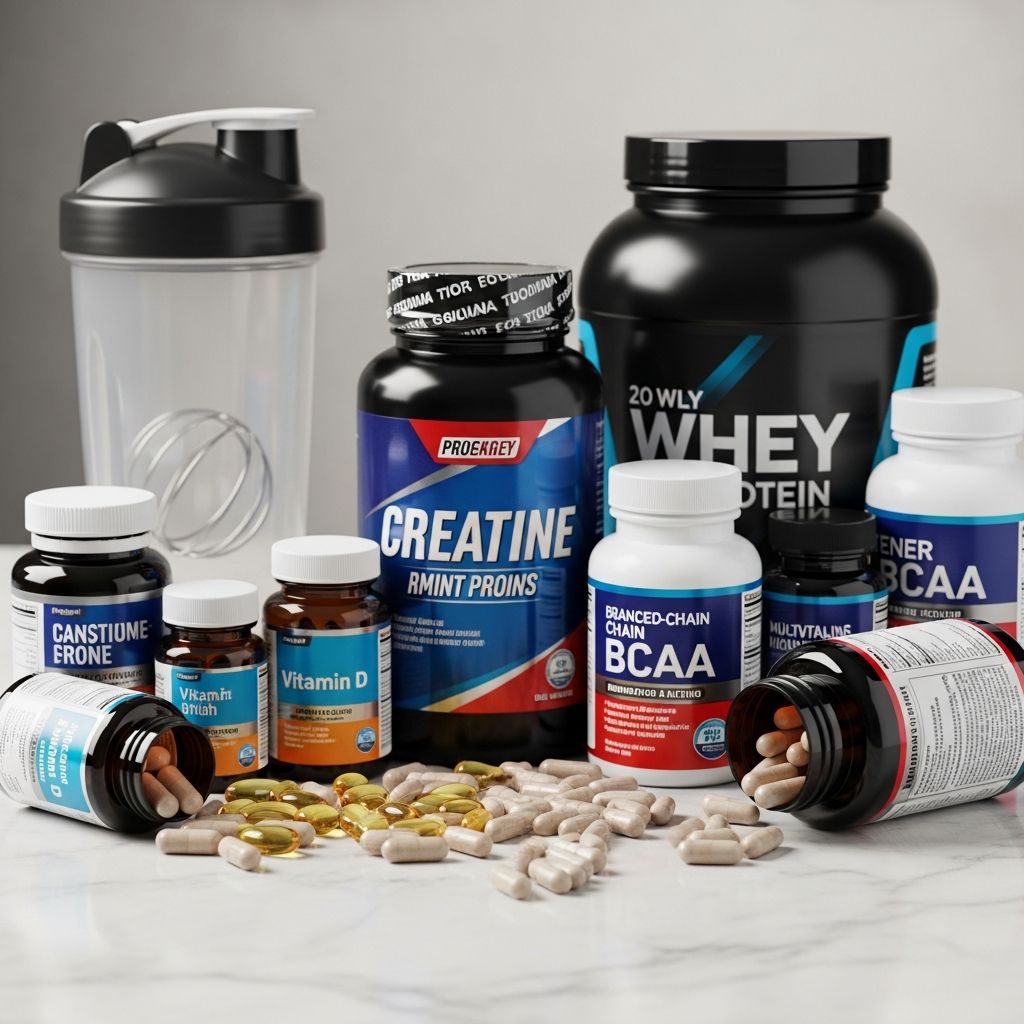
Ergogenic aids are substances or techniques designed to enhance physical performance, energy production, muscle growth, and recovery in athletes. These include nutritional supplements like vitamins, minerals, amino acids, and other compounds that athletes use to gain a competitive edge or improve training outcomes. While some aids like creatine and caffeine show proven benefits, many lack strong evidence, and safety concerns persist, particularly with unregulated products.
What Are Ergogenic Aids?
An
ergogenic aid
is any mechanical, nutritional, pharmacological, physiological, or psychological method that enhances athletic performance by improving efficiency, increasing energy, delaying fatigue, or aiding recovery. Common goals include building muscle, boosting endurance, reducing fatigue, and accelerating post-exercise recovery.Athletes from casual exercisers to professionals use these aids to prepare for workouts, sustain higher intensities, tolerate tougher training, or prevent injuries. They are categorized into nutritional (e.g., protein powders, vitamins), pharmacological (e.g., steroids), and others like blood doping. Nutritional ergogenic aids, the focus here, target energy metabolism, protein synthesis, or central nervous system stimulation.
Common Supplements Used as Ergogenic Aids
A wide array of supplements is marketed to athletes. Below are key examples with evidence summaries:
- Creatine: Increases muscle phosphocreatine stores, enabling faster ATP regeneration for high-intensity efforts. It buffers lactic acid, delays fatigue, and supports repeated bouts of exercise. Doses of 3-5g daily are effective and safe for most.
- Caffeine: Stimulates the central nervous system, enhancing alertness, endurance, and fat oxidation. Typical doses are 3-6mg/kg body weight, found in coffee or supplements. Benefits are well-supported for endurance and high-intensity sports.
- Beta-Alanine: Elevates muscle carnosine levels to buffer acid during intense exercise, delaying fatigue. Effective at 4-6g daily for 2-4 weeks; may cause harmless tingling (paresthesia).
- Protein/Amino Acids (e.g., BCAAs, Glutamine): Support muscle repair and growth. Whey protein aids recovery, but benefits are mainly from correcting dietary shortfalls.
- Vitamins and Minerals (B-Vitamins, Chromium Picolinate, Iron, Magnesium): B-vitamins aid energy production; chromium enhances insulin function for muscle building. Useful only if deficient, as excess provides little performance boost.
- Others (Ginseng, CoQ10, Omega-3s): Ginseng may improve endurance and reduce fatigue via antioxidant effects; omega-3s reduce inflammation and support recovery.
| Aid | Primary Benefit | Evidence Level | Typical Dose | Side Effects |
|---|---|---|---|---|
| Creatine | Increased strength, power output | Strong | 3-5g/day | Weight gain, GI upset |
| Caffeine | Endurance, alertness | Strong | 3-6mg/kg | Jitters, insomnia |
| Beta-Alanine | Delays fatigue in sprints | Moderate-Strong | 4-6g/day | Paresthesia |
| B-Vitamins | Energy metabolism | Limited unless deficient | Varies | None notable |
| Chromium Picolinate | Muscle building | Limited | 200-400mcg/day | Rare kidney issues |
Do They Work?
Evidence varies: Creatine, caffeine, and beta-alanine have robust support for specific benefits like power output and endurance. However, many supplements like B-vitamins or chromium show minimal gains beyond a balanced diet, as athletes rarely lack these nutrients. Nutritional ergogenic aids excel in addressing deficiencies, optimizing energy systems, or providing marginal gains in elite contexts.
Placebo effects can amplify perceived benefits, motivating harder efforts. Long-term studies emphasize diet first: Whole foods provide ergogenic benefits without risks.
Safety and Regulation
Not all aids are safe. Anabolic steroids, banned pharmacological aids, pose severe risks like hormonal disruption, liver damage, and cardiovascular issues. Even nutritional supplements may contain contaminants, exceed safe doses, or interact with medications.
The FDA does not pre-approve supplements, leading to variability in quality. Athletes risk positive doping tests from tainted products. Vulnerable groups—adolescents, pregnant individuals—should avoid most aids. Common side effects include gastrointestinal distress, dehydration, or overstimulation.
Consult a registered dietitian or physician before use, especially for high doses or combinations.
Related Stories



Academy Recommendations
Health experts, including the Academy of Nutrition and Dietetics, prioritize evidence-based use:
- Base nutrition on whole foods: Fruits, vegetables, lean proteins, whole grains.
- Use supplements only for confirmed deficiencies (e.g., iron in females).
- Creatine and caffeine are conditionally recommended for adults in specific sports.
- Avoid unproven aids like ephedra or high-dose vitamins.
- Individualize plans: Factors like age, sport, and health matter.
Periodized nutrition—tailoring intake to training phases—outperforms generic supplements.
Frequently Asked Questions (FAQs)
Are supplements necessary for athletic success?
No. A balanced diet suffices for most. Supplements offer marginal benefits at best and risks at worst.
Is creatine safe for teens?
Limited data; not recommended under 18 without medical supervision due to kidney concerns.
Can caffeine improve my marathon time?
Yes, evidence supports 3-6mg/kg 60 minutes pre-exercise for endurance gains.
What if I’m vegetarian—do I need more supplements?
Possibly creatine, B12, iron; test levels first.
Do ergogenic aids help women differently?
Similar benefits, but hormonal cycles and lower body mass affect dosing.
Choosing Quality Supplements
Look for third-party testing (NSF, Informed-Sport) to ensure purity and no banned substances. Read labels, start low, monitor effects. Track progress objectively.
In summary, while ergogenic aids can support performance, they are no substitute for training, sleep, and diet. Evidence guides safe, effective use.
References
- Dietary Supplements for Exercise and Athletic Performance — Office of Dietary Supplements, NIH. 2023-05-01. https://ods.od.nih.gov/factsheets/ExerciseAndAthleticPerformance-HealthProfessional/
- Ergogenic Aids | Definition, Uses & Examples — Study.com. 2024-01-15. https://study.com/academy/lesson/supplements-ergogenic-aids-effects-on-performance.html
- What Are Ergogenic Aids — Transparent Labs. 2025-03-20. https://www.transparentlabs.com/blogs/all/what-are-ergogenic-aids
- Ergogenic Aids: Counseling the Athlete — American Academy of Family Physicians. 2001-03-01. https://www.aafp.org/pubs/afp/issues/2001/0301/p913.html
- Ergogenic Aids: A Summary of An Assessment — AAFP (updated review). 2023-11-10. https://www.aafp.org/pubs/afp/issues/2001/0301/p913.html
- Supplements and Ergogenic Aids — Academy of Nutrition and Dietetics. 2024-06-12. https://www.eatright.org/health/essential-nutrients/supplements/supplements-and-ergogenic-aids
Similar Articles








Read full bio of medha deb