Supplements and Men’s Health: Essential Guide
Discover which supplements men need for optimal health, bone strength, and disease prevention.
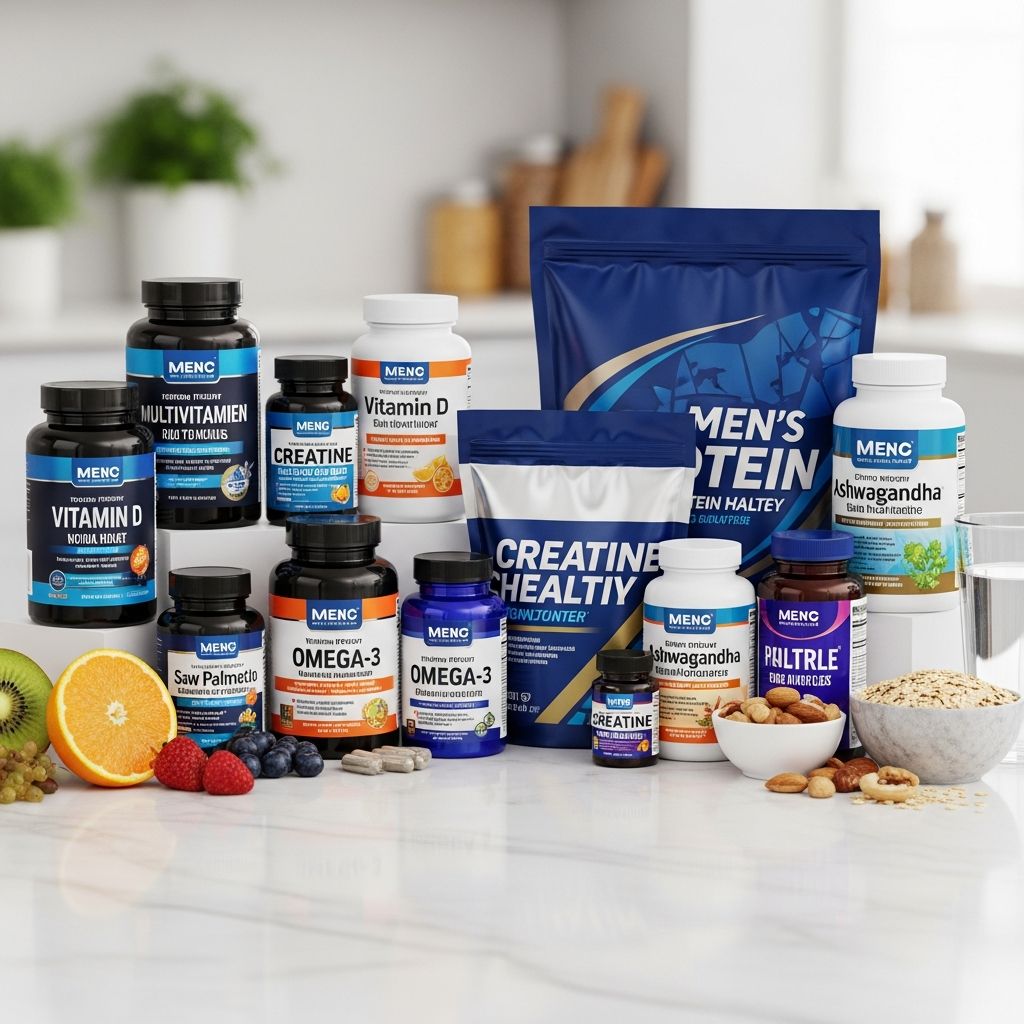
Supplements and Men’s Health: A Comprehensive Guide
Dietary supplements play an important role in supporting men’s health by filling nutritional gaps that may exist in regular diets. While a balanced diet should be the foundation of good nutrition, supplements can help address specific health concerns and support overall wellness. Understanding which supplements are beneficial and when they may be needed is essential for men of all ages.
Why Men May Need Supplements
There are several reasons why supplements may be recommended for men. Many men do not consume adequate amounts of essential nutrients through food alone, particularly minerals like magnesium, zinc, and calcium. Dietary patterns, lifestyle factors, stress levels, and age all influence nutritional needs. Additionally, men with specific health concerns, dietary restrictions, or those engaging in intense physical activity may benefit from targeted supplementation. Understanding your individual needs is the first step toward determining which supplements may be appropriate for you.
Bone Health: Calcium and Vitamin D
Calcium and vitamin D are key nutrients for bone health. These two nutrients work synergistically to maintain bone density and reduce the risk of fractures and osteoporosis, particularly as men age. While bone health is often associated with women, men also experience significant bone loss with age and are at risk for osteoporosis-related complications.
Calcium is essential for bone formation and strength, while vitamin D supports the body’s ability to absorb and utilize calcium effectively. Men should aim for adequate calcium intake through dietary sources such as dairy products, leafy greens, and fortified foods. However, if dietary intake falls short of recommendations, supplementation may be necessary.
It is important to note that multivitamins usually do not contain enough calcium to meet recommendations. Men requiring additional calcium may need a separate calcium supplement combined with vitamin D. The combination ensures optimal absorption and effectiveness. When selecting a calcium and vitamin D supplement, look for formulations that include both nutrients to maximize benefits.
Magnesium for Muscle and Metabolic Function
Magnesium is a crucial nutrient involved in over 300 biochemical reactions throughout the body. This mineral supports muscle function, nerve transmission, energy production, and helps regulate blood pressure. Magnesium also plays a vital role in sleep quality and cognitive function, making it important for overall well-being.
Unfortunately, most men do not obtain enough magnesium from their diets. Magnesium is primarily found in foods like green leafy vegetables, nuts, seeds, and whole grains—foods that many people do not consume in adequate quantities. Additionally, diets high in protein and fat, combined with stress and intense physical activity, can deplete magnesium levels, making supplementation especially important for men who exercise regularly.
When considering a magnesium supplement, look for forms that offer better absorption, such as magnesium citrate, glycinate, or threonate. These forms are more bioavailable and may cause less gastrointestinal discomfort compared to other varieties.
Zinc for Immune Function and Testosterone
Related Stories



Zinc is an essential mineral that plays a vital role in multiple aspects of men’s health. This nutrient supports immune function, helps maintain testosterone production, and supports prostate health. Zinc also facilitates wound healing and helps with the metabolism of macronutrients, making it important for muscle building and recovery.
Zinc deficiencies are common, especially in men, due to poor dietary intake or increased losses through sweat, particularly in those who exercise frequently. Since the body cannot store zinc, regular intake through diet or supplementation is necessary. Adult men require 11 milligrams of zinc daily. If dietary sources are insufficient, a zinc supplement can help support overall health and reduce the risk of deficiency-related health issues.
Vitamin D for Multiple Health Functions
Beyond its role in bone health, vitamin D supports numerous physiological functions essential for men’s health. This nutrient aids immune function, supports cardiovascular health, and promotes normal muscle function. Vitamin D also plays a role in mood regulation and cognitive health, making it one of the most important micronutrients for overall wellness.
Men should aim for 15 micrograms of vitamin D daily. However, many men do not get adequate sun exposure or consume enough vitamin D-rich foods to meet this requirement. Vitamin D supplements come in various forms, with some formulations including additional nutrients like vitamin K and CoQ10 to enhance bone health, cardiovascular support, and energy production.
When selecting a vitamin D supplement, liposomal formulations are particularly beneficial as they enhance absorption, protect against degradation, and may reduce stomach discomfort compared to traditional forms.
B-Complex Vitamins for Energy and Cognitive Health
B vitamins, including B6, B12, and folate, are essential for energy production, brain function, and cardiovascular health. These vitamins support metabolism, nerve function, and DNA synthesis. As men age, their ability to absorb and utilize B vitamins from food sources may decrease, making supplementation increasingly important for older adults.
Vitamin B12 is particularly important for men over 50, as it supports nerve function, energy metabolism, and cognitive health. Aging affects the body’s ability to absorb B12 from food sources, and deficiency can lead to fatigue, cognitive decline, and nerve damage. A B-complex supplement or standalone B12 supplement can help ensure adequate levels.
When choosing a multivitamin or B-complex supplement, select products that contain methylfolate, the active and more beneficial form of folate, rather than folic acid. Methylfolate is more readily utilized by the body and may be more effective for supporting health outcomes.
Omega-3 Fatty Acids for Heart and Brain Health
Omega-3 fatty acids are crucial for heart health, brain function, and reducing inflammation throughout the body. These essential fats support cardiovascular health, cognitive function, and joint health. Men can benefit from incorporating fish oil or algae-based omega-3 supplements into their routine to ensure adequate intake of eicosapentaenoic acid (EPA) and docosahexaenoic acid (DHA).
Omega-3 DHA from microalgae is particularly valuable for supporting brain health as a key component of brain cell membranes. For men concerned about cardiovascular health or cognitive decline, omega-3 supplementation offers evidence-based support for long-term wellness.
Protein and Amino Acids
Protein is essential for building and maintaining muscle mass, supporting immune function, and facilitating tissue repair. Men should consume 0.8 to 2 grams of protein per kilogram of body weight, depending on their level of activity. Those engaged in resistance training, endurance activities, or other intense exercise may require higher protein intake to support muscle development and recovery.
While whole food sources of protein—such as meat, fish, eggs, and legumes—should be prioritized, protein supplements can help men meet their daily requirements, particularly around workout times. Whey protein isolate and plant-based protein powders offer convenient options for increasing protein intake throughout the day.
Vitamin C and Antioxidant Support
Vitamin C is an antioxidant that supports immune health, collagen synthesis, and iron absorption. Adult men require 90 milligrams of vitamin C daily. While many multivitamins contain vitamin C, men may benefit from additional antioxidant support, particularly if they are under stress or engage in intense physical activity that increases oxidative stress.
Antioxidants help protect cells from damage caused by free radicals and support overall health and longevity. A combination of antioxidants, including vitamin C, vitamin E, and selenium, can provide comprehensive protection against oxidative stress.
Selenium for Thyroid and Immune Health
Selenium is a trace mineral essential for numerous physiological functions. This nutrient acts as a powerful antioxidant, helping combat oxidative stress and protect cells from damage caused by free radicals. Selenium is a critical component of enzymes like glutathione peroxidase, which support immune function and reduce inflammation.
Additionally, selenium plays a vital role in thyroid health by aiding in the production and regulation of thyroid hormones. It also supports reproduction and DNA synthesis, making it essential for overall health and wellness. Adult men require 55 micrograms of selenium daily, and most multivitamins designed for men contain adequate amounts.
CoQ10 for Cardiovascular and Cellular Health
Coenzyme Q10 (CoQ10) is involved in energy production and acts as an antioxidant within the body. Its levels naturally decrease with age, potentially affecting cardiovascular health and energy levels. CoQ10 levels have also been found to be lower in people taking cholesterol-lowering drugs called statins. Men taking statin medications may particularly benefit from CoQ10 supplementation to support cardiovascular health and energy production.
Age-Specific Considerations
Supplement needs vary based on age and life stage. Younger men focused on athletic performance may prioritize protein, creatine, and electrolyte supplements to support muscle building, recovery, and hydration. Middle-aged men should pay increasing attention to heart health and may benefit from omega-3 fatty acids, CoQ10, and magnesium supplements.
Older men, particularly those over 50, should focus on bone health through adequate calcium and vitamin D, energy production through B vitamins and CoQ10, and prostate health through targeted supplements. As men age, their ability to absorb nutrients from food decreases, making supplementation more important for maintaining health and preventing age-related decline.
Dietary and Lifestyle Factors
Individual supplement needs depend on various factors including diet, activity level, health status, and personal goals. Vegetarian or vegan men may have higher protein and vitamin B supplement needs than those who consume animal products. Men engaged in intense physical training may require additional protein, electrolytes, and magnesium to support performance and recovery.
Stress, poor sleep quality, and high-intensity exercise can increase nutrient demands and deplete certain minerals like magnesium. Men experiencing these factors should consider whether supplementation may be beneficial for their particular situation.
Daily Nutrient Recommendations for Men
| Nutrient | Daily Recommendation | Key Functions |
|---|---|---|
| Protein | 0.8–2 g/kg body weight | Muscle building, tissue repair, immune support |
| Fiber | 30–38 g | Digestive health, blood sugar regulation |
| Vitamin D | 15 mcg | Bone health, immune function, muscle function |
| Calcium | 1,000 mg | Bone formation, muscle contraction, nerve function |
| Magnesium | 400–420 mg | Muscle function, energy production, blood pressure regulation |
| Zinc | 11 mg | Immune function, testosterone production, wound healing |
| Selenium | 55 mcg | Antioxidant protection, thyroid health, immune support |
| Vitamin C | 90 mg | Immune support, collagen synthesis, antioxidant protection |
| Vitamin B12 | 2.4 mcg | Energy metabolism, nerve function, cognitive health |
| Folate | 400 mcg | DNA synthesis, cell division, brain function |
Choosing Quality Supplements
When selecting supplements, quality and safety should be priorities. Look for products that have been third-party tested and verified for purity and potency. Choose supplements from reputable manufacturers that follow good manufacturing practices (GMP). Read ingredient labels carefully to understand what you are consuming and avoid products with unnecessary additives or fillers.
Consider your specific health goals and nutritional gaps when selecting supplements. A high-quality multivitamin designed specifically for men can serve as a foundation for good health by providing essential vitamins and minerals. This should include vitamins A, C, D, E, K, B-complex vitamins, and minerals like magnesium, zinc, and selenium.
Consulting with Healthcare Providers
Supplement needs are highly individualized, and there is no universal recommendation that applies to all men. To determine the best supplements for your unique lifestyle and health objectives, it is advisable to consult with your healthcare provider or a registered dietitian. They can assess your current nutritional status, evaluate your diet, consider your health conditions and medications, and recommend appropriate supplements tailored to your specific needs.
This professional guidance is particularly important if you are taking medications, have chronic health conditions, or are considering supplements for disease prevention or management. Healthcare providers can help you avoid potentially harmful interactions and ensure that supplementation is safe and effective for your individual situation.
Frequently Asked Questions (FAQs)
Q: Do all men need to take supplements?
A: Not all men need supplements if they consume a well-balanced diet rich in nutrient-dense foods. However, many men have nutritional gaps that supplementation can help address. Individual needs vary based on age, activity level, diet, and health status. Consulting with a healthcare provider can help determine if supplements are appropriate for you.
Q: What is the best multivitamin for men?
A: The best multivitamin depends on your individual needs, age, and health goals. Look for a high-quality product specifically formulated for men that contains vitamins A, C, D, E, K, B-complex vitamins, and minerals like magnesium, zinc, and selenium. Check for third-party testing and reputable manufacturers to ensure quality and safety.
Q: Is vitamin D supplementation necessary for men?
A: Many men do not get adequate vitamin D from sun exposure or diet alone. Since vitamin D supports bone health, immune function, and muscle function, supplementation may be beneficial, particularly for men with limited sun exposure, darker skin tones, or those living in northern climates with limited winter sunlight.
Q: Can supplements replace a healthy diet?
A: No, supplements cannot replace a healthy diet. A balanced diet rich in whole foods should be the foundation of good nutrition. Supplements are intended to fill nutritional gaps and support health, not to serve as a substitute for proper nutrition from food sources.
Q: Are there supplements specifically for prostate health?
A: Yes, prostate health becomes increasingly important for men over 50. Supplements containing ingredients like saw palmetto, beta-sitosterol, and lycopene may help support prostate health and maintain normal urinary function, though research on efficacy varies.
Q: How much magnesium should men take daily?
A: Adult men should aim for 400–420 mg of magnesium daily. However, individual needs may vary based on activity level, stress, and dietary intake. Forms such as magnesium citrate, glycinate, or threonate offer better absorption than other varieties.
References
- Best Supplements for Men, According to Nutrition Experts — Men’s Health. https://www.menshealth.com/nutrition/a19539297/best-supplements-for-men/
- What Vitamins Should a Man Take Daily? Essential Nutrients Guide — Cooper Complete. https://coopercomplete.com/blog/what-vitamins-should-a-man-take-daily/
- Multivitamin for Men over 18 | Essential for Men — Ritual. https://ritual.com/products/essential-multivitamin-for-men
- 7 Supplements Every Man Should Be Taking — Wellcome MD. 2023-06-05. https://www.wellcomemd.com/news/2023/6/5/7-supplements-every-man-should-be-taking
- Supplements and Men’s Health — Academy of Nutrition and Dietetics. https://www.eatright.org/health/essential-nutrients/supplements/supplements-and-mens-health
Similar Articles








Read full bio of Sneha Tete