Supplements For Anxiety: 11 Evidence-Backed Options
Discover evidence-based supplements that may help manage anxiety symptoms safely and effectively.
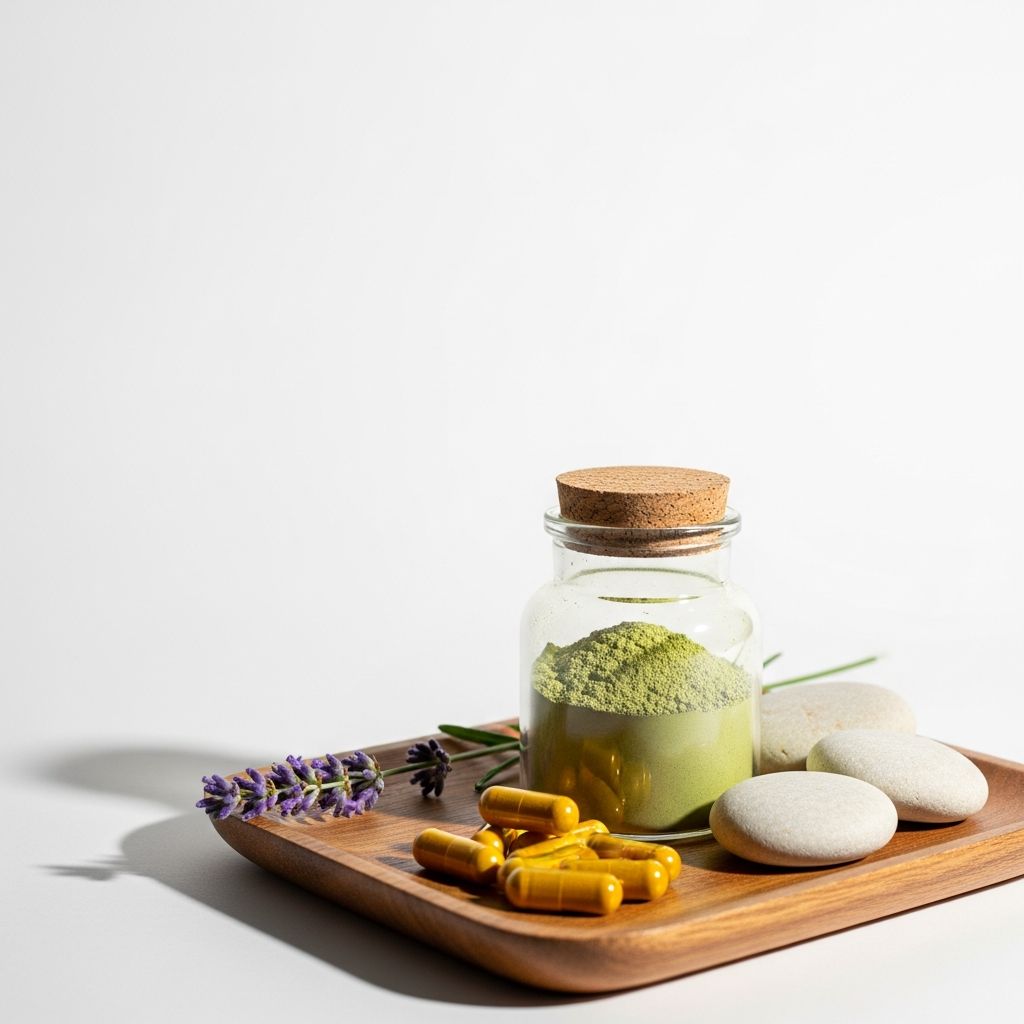
Anxiety affects millions worldwide, with generalized anxiety disorder (GAD) impacting around 6.8 million adults in the U.S. alone. While therapy and prescription medications are primary treatments, many people seek natural alternatives like supplements to manage symptoms such as worry, unease, fear, or panic. Research indicates that certain nutritional and herbal supplements may help alleviate anxiety without serious side effects, though results vary and placebo effects can play a role.
Before starting any supplement, consult a healthcare provider, especially if you’re on medications, pregnant, or have underlying conditions. Supplements are not FDA-regulated like drugs, so quality varies—look for third-party tested products.
What Is Anxiety?
Anxiety is a normal response to stress but becomes a disorder when excessive and persistent. Common types include GAD, panic disorder, social anxiety, and phobias. Symptoms range from restlessness and rapid heartbeat to sleep disturbances and irritability. According to the Anxiety and Depression Association of America, effective management often combines lifestyle changes, therapy, and sometimes supplements.
Do Supplements for Anxiety Work?
Evidence from systematic reviews shows promise for several supplements. A 2010 review of 24 studies found that 71% demonstrated positive effects from herbal and nutritional options like passionflower, kava, lysine-arginine combos, and magnesium, with mild side effects. Another analysis highlights vitamins, omega-3s, and herbs for symptom relief. However, study quality varies, and more RCTs are needed. Supplements may complement but not replace professional treatment.
Best Supplements for Anxiety
Here are evidence-backed supplements, including potential benefits, dosages, and considerations.
Ashwagandha
Ashwagandha, an adaptogenic herb from Ayurvedic medicine, may reduce stress and anxiety by lowering cortisol levels. Multiple RCTs show significant reductions in Hamilton Anxiety Rating Scale (HAM-A) scores after 6-8 weeks. A 2019 study of 60 adults found 240-600 mg daily reduced anxiety by 44% vs. placebo.
- Typical dose: 300-600 mg standardized extract daily.
- Side effects: Rare; mild GI upset. Avoid with thyroid meds or autoimmune conditions.
- Evidence level: Strong from recent trials.
Magnesium
Magnesium supports neurotransmitter function and GABA activity, crucial for calming the nervous system. A 2017 review of 18 studies linked supplementation to improved anxiety measures, especially in vulnerable groups like those with PMS. Studies show magnesium monotherapy or combos reduce psychological distress.
- Forms: Glycinate or threonate for better absorption/brain effects.
- Dose: 200-400 mg elemental magnesium daily.
- Food sources: Spinach, almonds, quinoa, dark chocolate.
- Side effects: Diarrhea at high doses; safe for most.
L-Theanine
Found in green tea, L-theanine promotes relaxation without drowsiness by boosting alpha brain waves and GABA. A 2016 study showed 200 mg reduced stress response and cortisol post-task.
- Dose: 100-400 mg daily; start low.
- Side effects: Minimal; avoid with sedatives.
- Best for: Acute stress.
Passionflower
This herb binds GABA receptors similarly to benzodiazepines. RCTs, including one for GAD, show it matches oxazepam for symptom relief with fewer side effects like impairment.
- Dose: 250-500 mg extract or tea.
- Evidence: Strong for adjustment disorders.
Related Stories



Lysine + Arginine
This amino acid combo reduces cortisol and trait/state anxiety. Two RCTs: one in high-trait anxiety males improved stress handling; another in 108 Japanese adults lowered salivary cortisol and anxiety scores.
- Dose: 2.64 g lysine + 2.34 g arginine daily.
- Side effects: None reported.
Other Promising Supplements
- Vitamin D: Deficiency links to anxiety; 2017 study showed benefits in diabetic women. Dose: 1,000-2,000 IU daily.
- B Vitamins: B6, B12 aid serotonin; 2018 study linked fortified foods to lower stress.
- Omega-3s: EPA/DHA reduce inflammation; meta-analyses support mood benefits.
- Kava: Effective but liver risk; use cautiously.
- Valerian/Lemon Balm: Mild sedatives; postmenopause and post-surgery studies show anxiety drops.
- Multivitamins: 2004-2018 studies reduced distress in GAD.
How to Choose the Right Anxiety Supplement
Select based on symptoms: adaptogens for chronic stress, magnesium/L-theanine for acute. Check third-party testing (USP, NSF). Start low, monitor effects. Combine with diet/lifestyle for synergy.
| Supplement | Best For | Dose | Potential Interactions |
|---|---|---|---|
| Ashwagandha | Stress/Cortisol | 300-600 mg | Thyroid meds |
| Magnesium | GABA Support | 200-400 mg | Antibiotics |
| L-Theanine | Focus/Relax | 200 mg | Sedatives |
| Passionflower | GAD | 250-500 mg | Benzos |
| Lysine+Arginine | Trait Anxiety | 2-3 g combo | None major |
Supplements for Anxiety Dosage Chart
(See table above for quick reference.) Always follow label or doctor advice.
Are Anxiety Supplements Safe?
Most are well-tolerated; 71% of studies report mild effects. Risks: herb-drug interactions (e.g., kava-liver, valerian-sedatives). Not for pregnant/breastfeeding without approval. Overuse can cause deficiencies/imbalances.
Who Shouldn’t Take Anxiety Supplements?
- Pregnant or breastfeeding individuals.
- Those on blood thinners, sedatives, or antidepressants.
- People with kidney/liver issues.
- Children under 18 without pediatrician OK.
When to See a Doctor for Anxiety
Seek help if anxiety interferes with daily life, lasts >6 months, or includes panic attacks, suicidal thoughts. Supplements aid mild cases; severe needs therapy/meds.
Lifestyle Tips to Ease Anxiety
- Exercise 30 min daily.
- Practice mindfulness/yoga.
- Prioritize 7-9 hours sleep.
- Eat balanced diet rich in omega-3s, magnesium.
- Limit caffeine/alcohol.
Frequently Asked Questions (FAQs)
What is the best supplement for anxiety?
No single best; ashwagandha and magnesium have strongest evidence. Personalize with doctor input.
Can supplements cure anxiety?
No, they manage symptoms. Combine with therapy/lifestyle for best results.
How long do anxiety supplements take to work?
1-8 weeks; L-theanine works acutely.
Are there side effects from anxiety supplements?
Mild GI issues common; serious rare. Monitor and consult MD.
Can I take multiple anxiety supplements together?
Yes, but check interactions; e.g., magnesium + B6 synergistic.
Do multivitamins help with anxiety?
Studies show reduced distress; useful if deficient.
References
- Nutritional and herbal supplements for anxiety and anxiety-related disorders: systematic review — Sarris J, et al. Nutrition Journal (PubMed Central). 2010-10-07. https://pmc.ncbi.nlm.nih.gov/articles/PMC2959081/
- Supplements for anxiety: Best types and evidence — Medical News Today. 2023-08-15. https://www.medicalnewstoday.com/articles/325823
Similar Articles








Read full bio of Sneha Tete