Supplements For Arthritis: 6 Evidence-Based Options
Discover evidence-based supplements that may help manage arthritis pain, stiffness, and inflammation effectively.
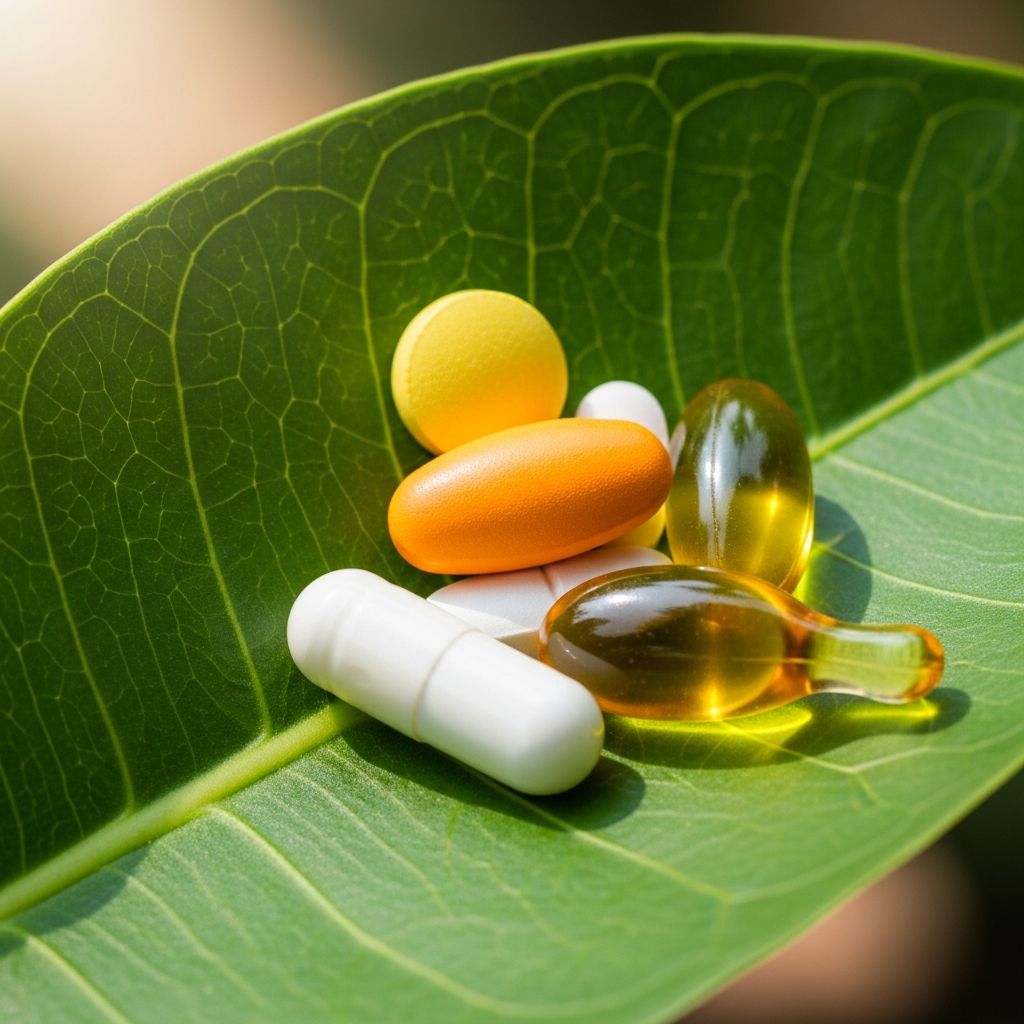
Arthritis affects millions worldwide, causing joint pain, stiffness, and reduced mobility. While no supplement cures arthritis, several show promise in managing symptoms based on clinical evidence. This article reviews popular options like glucosamine, turmeric, and omega-3s, drawing from recent studies on their efficacy and safety for osteoarthritis (OA) and rheumatoid arthritis (RA).
What Is Arthritis?
Arthritis encompasses over 100 conditions, primarily osteoarthritis (wear-and-tear joint damage) and rheumatoid arthritis (autoimmune inflammation). Symptoms include pain, swelling, and stiffness. Lifestyle changes, including supplements, can complement medical treatments to improve quality of life.
Can Supplements Help with Arthritis?
Research indicates certain supplements may reduce inflammation, protect cartilage, and alleviate pain. A 2024 review found lifestyle interventions, including supplements like curcumin and Boswellia, offer modest benefits with good safety profiles. However, results vary by individual, and supplements are not FDA-regulated like drugs. Always consult a healthcare provider, especially if on medications.
Popular Supplements for Arthritis
Glucosamine and Chondroitin
Glucosamine and chondroitin are building blocks of cartilage. Studies show mixed but promising results for OA knee pain. A combination significantly improved symptoms compared to placebo, though less than NSAIDs like celecoxib. The Natural Medicines Database rates glucosamine sulfate as “likely safe and effective”.
- Dosage: 1,500 mg glucosamine sulfate + 1,200 mg chondroitin daily.
- Time to effect: 4-8 weeks.
- Side effects: Mild GI upset; avoid if allergic to shellfish (use vegan forms).
Pairing with omega-3s or MSM enhances relief.
Fish Oil (Omega-3 Fatty Acids)
Omega-3s (EPA and DHA) suppress pro-inflammatory cytokines like IL-6 and TNF-α, reducing pain and stiffness in RA and OA. A 2017 review confirmed benefits, potentially lowering pain reliever use. Arthritis Society Canada notes reduced morning stiffness.
- Dosage: 1-2 grams EPA+DHA daily from fish or algae oil.
- Benefits: Heart and brain protection bonus.
- Side effects: Fishy aftertaste; thin blood slightly.
Turmeric (Curcumin)
Curcumin, turmeric’s active compound, has potent anti-inflammatory and antioxidant effects. Recent meta-analyses show pain reduction comparable to ibuprofen for OA. Take with black pepper (piperine) and fats for absorption.
- Dosage: 500 mg curcumin twice daily.
- Time to effect: 6-12 weeks.
- Side effects: Rare GI issues; may interact with blood thinners.
SAM-e (S-adenosylmethionine)
SAM-e supports cartilage and has pain-relieving effects equal to NSAIDs without GI side effects. Multiple trials confirm benefits for OA.
- Dosage: 600-1,200 mg daily on empty stomach.
- Time to effect: Up to 4 weeks.
- Caution: May cause mania in bipolar disorder.
Boswellia Serrata
Standardized extracts like Aflapin® reduce pain (VAS scores drop 16-18 mm) and stiffness in OA. Preclinical data support cartilage protection. Natural Medicines Database lists it as “possibly effective”.
- Dosage: 100-250 mg standardized extract daily.
- Side effects: Minimal.
Avocado Soybean Unsaponifiables (ASU)
Related Stories



ASU may slow cartilage damage. RCTs show pain and function improvements, though long-term data mixed.
- Dosage: 300 mg daily.
- Time to effect: Several weeks.
Supplements to Avoid or Use with Caution
Some popular options lack strong evidence:
- Vitamin D: Low levels link to RA progression; supplement if deficient.
- Ginger: Mild anti-inflammatory; possibly effective.
- MSM: Mixed data; better in combos.
- Avoid excess: Red meat raises inflammation.
How to Choose Quality Supplements
Look for third-party testing (USP, NSF). Check for standardization (e.g., curcumin with 95% curcuminoids). Vegans: algae omega-3s, shellfish-free glucosamine.
Table: Comparison of Top Arthritis Supplements
| Supplement | Best For | Evidence Strength | Dosage | Side Effects |
|---|---|---|---|---|
| Glucosamine + Chondroitin | OA knee pain | Moderate (better in combo) | 1,500/1,200 mg | GI upset |
| Omega-3s | RA inflammation | Strong | 1-2g EPA/DHA | Fishy taste |
| Curcumin | OA pain | Strong | 500 mg x2 | GI rare |
| SAM-e | OA overall | Strong | 600-1,200 mg | Mood changes |
| Boswellia | OA stiffness | Moderate | 100-250 mg | Minimal |
Lifestyle Tips Alongside Supplements
Combine with anti-inflammatory diets (Mediterranean), exercise (Tai Chi, resistance training), and sleep hygiene for best results. Cereal fiber and time-restricted eating show protective effects.
Frequently Asked Questions
Do supplements replace arthritis medications?
No, they complement treatments. Evidence supports adjunct use for symptom relief.
How long until supplements work?
Typically 4-12 weeks. Track symptoms and consult your doctor.
Are arthritis supplements safe?
Most are, with mild side effects. Check interactions.
Can diet alone help arthritis?
Yes, omega-3-rich foods and fiber reduce inflammation.
Which supplement is best for beginners?
Start with glucosamine/chondroitin or omega-3s.
(Word count: 1678)
References
- Lifestyle Interventions and Supplements for Joint and Arthritis Pain — PMC/NCBI. 2024. https://pmc.ncbi.nlm.nih.gov/articles/PMC12618219/
- Do supplements for arthritis work? What the evidence shows — Swedish Blog. Accessed 2026. https://blog.swedish.org/swedish-blog/do-supplements-for-arthritis-work-what-the-evidence-shows
- Popular Supplements for Arthritis: What You Need to Know — Arthritis Foundation. Accessed 2026. https://www.arthritis.org/health-wellness/treatment/complementary-therapies/supplements-and-vitamins/vitamins-supplements-arthritis
- What Are the Best Supplements for Joint Pain Relief? — AARP. 2023. https://www.aarp.org/health/drugs-supplements/supplements-for-joint-pain-relief/
- Eating Well with Arthritis — Arthritis Society Canada. 2025. https://arthritis.ca/wp-content/uploads/2025/11/Eating-Well-Final.pdf
Similar Articles








Read full bio of Sneha Tete