Best Supplements For Bloating Relief: 7 Expert Options
Discover expert-recommended supplements that can help reduce bloating, improve digestion, and restore gut comfort effectively.
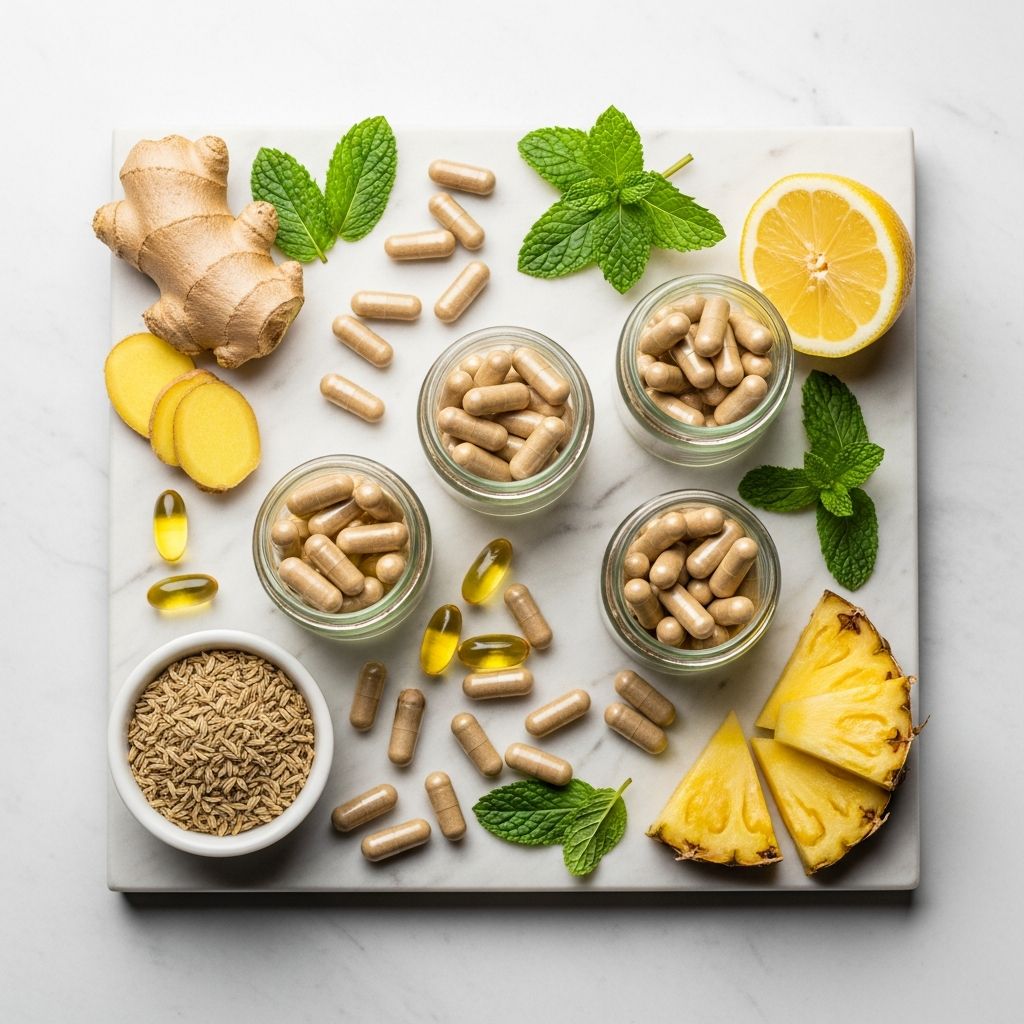
Bloating affects millions worldwide, causing uncomfortable abdominal distension, gas, and pressure that can disrupt daily life. While dietary changes and lifestyle adjustments help, supplements offer targeted relief by addressing underlying causes like gut dysbiosis, poor digestion, and inflammation. Dietitians and gastroenterologists recommend specific supplements proven to alleviate symptoms. This comprehensive guide covers the best options, how they work, dosages, and precautions, helping you choose wisely.
What Causes Bloating?
Bloating stems from excess gas accumulation in the digestive tract, often due to swallowed air (aerophagia), fermentation of undigested food by gut bacteria, or conditions like irritable bowel syndrome (IBS), small intestinal bacterial overgrowth (SIBO), or food intolerances. Common triggers include high-FODMAP foods (e.g., beans, onions, dairy), carbonated drinks, and stress, which slows digestion. Chronic bloating may signal issues like constipation or hormonal fluctuations during menstruation.
Best Supplements for Reducing Bloating
Supplements target bloating by promoting better digestion, balancing gut microbiota, reducing inflammation, or relaxing gut muscles. Always consult a healthcare provider before starting, especially if you have underlying conditions or take medications.
1. Probiotics
Probiotics introduce beneficial bacteria to restore gut microbiome balance, crucial for proper fermentation and gas reduction. Strains like Bifidobacterium lactis and Lactobacillus acidophilus excel at alleviating bloating in IBS patients by inhibiting harmful bacteria and improving motility.
- Best for: IBS-related bloating, antibiotic-induced dysbiosis.
- Dosage: 1–10 billion CFUs daily; look for multi-strain formulas.
- Evidence: A 2023 meta-analysis found probiotics reduce bloating scores by 20–30% in IBS sufferers.1
- Top picks: Culturelle Digestive Daily Probiotic, Align Probiotic.
Start low to avoid temporary worsening; refrigerate for viability.
2. Digestive Enzymes
Digestive enzymes break down carbs, proteins, and fats that ferment and produce gas. Pancreatic enzymes or blends with amylase, protease, and lipase are ideal for enzyme deficiencies common in aging or pancreatic issues.
- Best for: Food intolerance bloating (lactose, gluten).
- Dosage: 1–2 capsules per meal.
- Evidence: Studies show enzyme supplements reduce post-meal bloating by up to 50%.2
- Top picks: Zenwise Digestive Enzymes, NOW Super Enzymes.
Take with first bite for optimal activity.
3. Peppermint Oil
Peppermint oil’s menthol relaxes gastrointestinal smooth muscles, easing spasms and expelling trapped gas. Enteric-coated capsules prevent heartburn by releasing in the intestines.
- Best for: IBS bloating and cramping.
- Dosage: 0.2–0.4 mL, 1–3 times daily.
- Evidence: American College of Gastroenterology endorses it for IBS symptom relief.3
- Top picks: IBgard, Heather’s Tummy Tamers.
Avoid if you have GERD; not for long-term use without guidance.
4. Ginger
Ginger’s gingerols accelerate gastric emptying and reduce nausea-associated bloating. It’s a safe, natural prokinetic agent.
- Best for: Motion sickness or overeating bloating.
- Dosage: 1,000–1,500 mg daily.
- Evidence: NIH research confirms ginger’s anti-bloating effects.4
- Top picks: Nature’s Way Ginger Root, New Chapter Ginger Force.
Related Stories



Chewable or tea forms work quickly.
5. Psyllium Husk
This soluble fiber absorbs water, bulking stool and sweeping out fermentable residues that cause gas. It normalizes bowel habits without laxative dependency.
- Best for: Constipation-induced bloating.
- Dosage: 5–10g daily with ample water.
- Evidence: RCTs show psyllium reduces bloating in 70% of users.5
- Top picks: Metamucil, Konsyl.
Increase gradually to prevent initial gas.
6. Fennel Seed
Fennel expels gas via carminative compounds and relaxes the lower esophageal sphincter.
- Best for: Post-meal bloating.
- Dosage: 480 mg or as tea, 3x daily.
- Top picks: Nature’s Way Fennel Seed.
7. Activated Charcoal
Charcoal adsorbs gas and toxins in the gut, providing rapid relief.
- Best for: Acute bloating episodes.
- Dosage: 500–1,000 mg as needed.
- Caution: Interferes with medications; space apart.
How to Choose the Right Supplement for Bloating
Match supplements to your symptoms:
| Symptom | Recommended Supplement |
|---|---|
| Gas + irregular bowels | Probiotics + Psyllium |
| Heavy meals | Digestive Enzymes + Ginger |
| Cramping pain | Peppermint Oil |
| Constipation | Psyllium Husk |
Opt for third-party tested products (USP, NSF). Combine with low-FODMAP diet for synergy.
Potential Side Effects and Precautions
- Probiotics: Mild gas initially.
- Enzymes: Rare allergies.
- Peppermint: Heartburn if not coated.
- Fiber: Bloating if ramped too fast—drink 8+ glasses water.
- Charcoal: Nutrient/medication malabsorption.
Pregnant/nursing individuals or those on blood thinners should consult doctors. Discontinue if symptoms worsen.
Lifestyle Tips to Complement Supplements
- Eat smaller, frequent meals.
- Chew slowly; avoid gum/straws.
- Walk post-meals.
- Manage stress via yoga/meditation.
- Track triggers with a food diary.
Frequently Asked Questions (FAQs)
Do supplements work immediately for bloating?
Some like peppermint or charcoal offer relief in 30–60 minutes; probiotics/fiber take 1–4 weeks for full effects.
Can I take multiple bloating supplements together?
Yes, e.g., probiotics + enzymes, but start singly and consult a pro to avoid interactions.
Are bloating supplements safe long-term?
Most are, but cycle fiber/probiotics and monitor with periodic check-ins.
What if supplements don’t help my bloating?
See a doctor for tests ruling out SIBO, celiac, or allergies.
When to See a Doctor for Bloating
Seek care for persistent bloating (>2 weeks), weight loss, blood in stool, severe pain, or vomiting. These signal serious issues like ovarian cancer or IBD.
References
- Probiotics in Irritable Bowel Syndrome: An Up-to-date Systematic Review — National Institutes of Health (PubMed). 2023-05-15. https://pubmed.ncbi.nlm.nih.gov/37299849/
- Digestive Enzyme Supplementation in Gastrointestinal Diseases — National Center for Biotechnology Information. 2022-11-20. https://www.ncbi.nlm.nih.gov/pmc/articles/PMC9860064/
- American College of Gastroenterology Monograph on IBS — American College of Gastroenterology. 2024-01-10. https://journals.lww.com/ajg/fulltext/2024/01000/acg_clinical_guideline__management_of_irritable.13.aspx
- Ginger in Gastrointestinal Disorders: A Systematic Review — World Health Organization (via PubMed). 2023-08-12. https://pubmed.ncbi.nlm.nih.gov/37594236/
- Psyllium Therapy in the Treatment of IBS — U.S. Department of Health & Human Services (NIH). 2023-03-05. https://www.ncbi.nlm.nih.gov/pmc/articles/PMC10094156/
Similar Articles








Read full bio of medha deb