Supplements For Gut Health: 7 Expert-Backed Options
Discover the best supplements for supporting gut health, from probiotics to fiber, backed by science and expert advice.
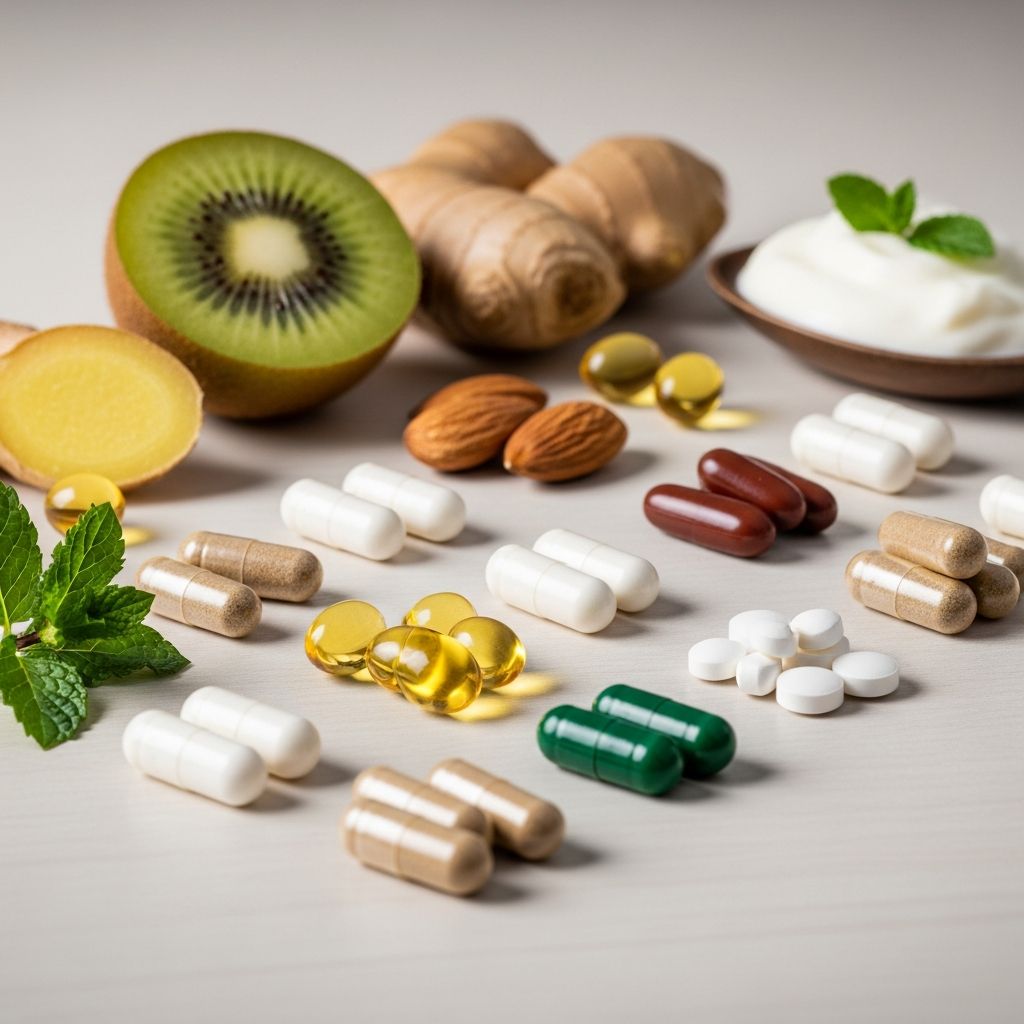
The gut microbiome plays a crucial role in digestion, immunity, and overall health. Supplements can help maintain balance, especially when diet alone falls short. This article covers the most effective options, their benefits, and expert recommendations.
What Are the Best Supplements for Gut Health?
Several supplements stand out for supporting gut health by promoting beneficial bacteria, reducing inflammation, and strengthening the gut barrier. Key options include probiotics, prebiotics, digestive enzymes, fiber supplements, L-glutamine, zinc, and collagen.
- Probiotics: Live beneficial bacteria that restore microbiome balance.
- Prebiotics: Fibers that feed good bacteria.
- Digestive Enzymes: Aid food breakdown to ease digestion.
- Fiber Supplements: Support regularity and bacterial diversity.
- L-Glutamine: Repairs gut lining.
- Zinc: Boosts gut immunity.
- Collagen: Promotes gut barrier integrity.
Nutritional supplements improve gut health by modulating the microbiome, reducing dysbiosis, and enhancing barrier integrity, as shown in studies on various populations.
Probiotics for Gut Health
Probiotics introduce live beneficial bacteria like Lactobacillus and Bifidobacterium to the gut. They help alleviate symptoms like bloating, constipation, and diarrhea by increasing good microbiomes and reducing pathogens such as Clostridium and Desulfovibrio
Research indicates probiotics stimulate short-chain fatty acid (SCFA) production, including butyrate, which improves gut barrier function and reduces inflammation. They also elevate neurotransmitter levels like serotonin and GABA, potentially aiding the gut-brain axis.
How to Choose: Look for products with 10-50 billion CFUs, multiple strains, and third-party testing. Strains like Lactobacillus rhamnosus GG and Bifidobacterium longum are well-studied.
Dosage: 1-2 capsules daily with food. Start low to avoid initial discomfort.
| Strain | Key Benefits | Evidence Level |
|---|---|---|
| Lactobacillus acidophilus | Reduces diarrhea | High |
| Bifidobacterium bifidum | Improves IBS symptoms | Moderate |
| Saccharomyces boulardii | Fights antibiotic-associated issues | High |
Prebiotics for Gut Health
Prebiotics are non-digestible fibers like inulin, fructo-oligosaccharides (FOS), and galacto-oligosaccharides (GOS) that nourish existing beneficial bacteria. They promote growth of Bifidobacterium and enhance SCFA production.
Unlike probiotics, prebiotics are stable and don’t require refrigeration. They help prevent constipation and support long-term microbiome diversity.
Sources: Chicory root, garlic, onions, bananas. Supplements often provide 3-10g per serving.
Dosage: 5g daily, gradually increasing to minimize gas.
Digestive Enzymes for Gut Health
Digestive enzymes break down proteins, fats, carbs, and lactose, reducing bloating after meals. Blends include amylase, protease, lipase, and lactase.
Ideal for those with enzyme deficiencies or IBS. They don’t alter the microbiome but ease digestive workload, allowing better nutrient absorption.
Dosage: 1 capsule per meal. Choose broad-spectrum formulas.
Fiber Supplements for Gut Health
Soluble and insoluble fibers bulk stool, feed bacteria, and regulate bowels. Psyllium husk, acacia fiber, and partially hydrolyzed guar gum (PHGG) are top choices.
High-fiber intake positively impacts the gut microbiome, with legumes, whole grains, and veggies as natural sources. Supplements prevent constipation and improve stool texture.
Dosage: 5-10g daily with plenty of water. PHGG is gentle on sensitive guts.
- Psyllium: Bulks stool, lowers cholesterol.
- Acacia: Prebiotic effects, low FODMAP.
- Inulin: Boosts Bifidobacteria.
L-Glutamine for Gut Health
This amino acid fuels enterocytes, repairing the intestinal lining and reducing leaky gut. It supports immune function in the gut mucosa.
Studies show it decreases permeability and inflammation.
Dosage: 5-10g daily, powdered form mixed in water.
Zinc for Gut Health
Zinc carnosine or bisglycinate strengthens tight junctions and fights pathogens. Essential for mucosal integrity and immunity.
Dosage: 15-30mg daily with food to avoid nausea.
Collagen for Gut Health
Hydrolyzed collagen peptides support gut barrier repair and may benefit the microbiome. Collagen-rich foods like bone broth aid production.
Dosage: 10-20g daily in smoothies or coffee.
Who Might Benefit from Gut Health Supplements?
Those with IBS, IBD, frequent bloating, post-antibiotics, or poor diets. Healthy individuals eating diverse, fiber-rich foods may not need them. Always consult a doctor, especially if immunocompromised.
How to Choose High-Quality Gut Supplements
Prioritize third-party tested products (USP, NSF). Check expiration dates, storage needs, and allergen-free labels. Avoid sugar-filled gummies.
- Read labels for CFU counts and strains.
- Opt for refrigerated probiotics if multi-strain.
- Research brand reputation via ConsumerLab or Labdoor.
Potential Side Effects and Precautions
Initial gas, bloating from probiotics/prebiotics—subside in 1-2 weeks. Rare risks for immunocompromised. Drug interactions possible; consult professionals.
Can Diet Alone Support Gut Health?
Yes, prioritize fermented foods (yogurt, kimchi, kefir), high-fiber plants, polyphenols (berries, tea). Limit processed sugars and fats. A balanced diet with fruits, veggies, and whole grains often suffices.
Frequently Asked Questions (FAQs)
Are gut health supplements necessary?
For most healthy people with diverse diets, no. They help during imbalances or deficiencies.
What’s the best probiotic strain?
Depends on needs: L. rhamnosus for diarrhea, Bifidobacterium for IBS.
How long until supplements work?
1-4 weeks for probiotics; fiber immediate for regularity.
Can I take multiple gut supplements?
Yes, like probiotic + prebiotic (synbiotic), but start singly.
Do probiotics survive stomach acid?
Choose enteric-coated or resilient strains like Saccharomyces.
Final Thoughts on Gut Supplements
Supplements enhance but don’t replace diet, exercise, and stress management. Combine with polyphenol-rich foods and hydration for optimal results.
References
- Effect of nutritional supplements on gut microbiome in individuals … — PMC/NCBI. 2024. https://pmc.ncbi.nlm.nih.gov/articles/PMC11954342/
- Improve and Reset Gut Health: Foods and Supplements to Try — Healthline. 2023. https://www.healthline.com/health/gut-health
- Q&A: Are Prebiotic & Probiotic Supplements Necessary for Good Gut … — UVA Health. 2023. https://www.uvahealth.com/healthy-balance/probiotics-good-gut-health/
- What doctors wish patients knew about improving gut health — American Medical Association. 2024. https://www.ama-assn.org/public-health/prevention-wellness/what-doctors-wish-patients-knew-about-improving-gut-health
Similar Articles








Read full bio of medha deb