Best Supplements For Gut Health: 11 Top Picks For 2025
Discover the top evidence-based supplements that support gut health, improve digestion, and promote a balanced microbiome.
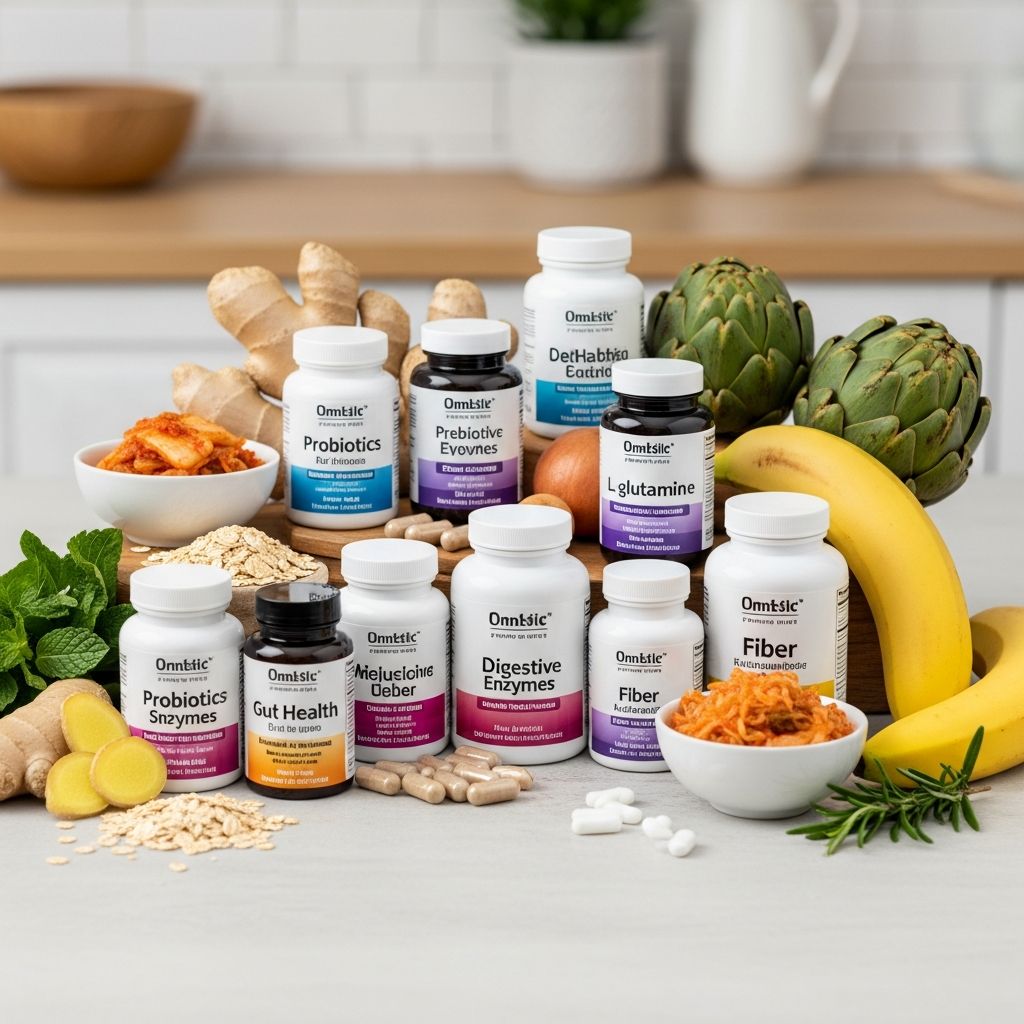
The gut microbiome plays a crucial role in digestion, immune function, and overall health. When imbalanced, it can lead to bloating, irregular bowel movements, and fatigue. Supplements can help restore balance, but they work best alongside a fiber-rich diet and healthy lifestyle.
What Are Gut Health Supplements?
Gut health supplements include
probiotics
,prebiotics
, digestive enzymes, and fiber products designed to support the gut microbiome—the trillions of bacteria influencing digestion and immunity. These supplements aim to replenish beneficial bacteria, aid nutrient breakdown, and promote regular bowel movements. Research shows probiotics can modulate gut bacteria, reducing gastrointestinal symptoms and supporting immune responses, particularly in active individuals. However, dietary fiber from whole foods remains foundational for microbiome diversity.Do You Need Gut Health Supplements?
Not everyone requires supplements; a high-fiber diet often suffices for optimal gut function. Consider them if you experience persistent bloating, constipation, diarrhea, or IBS symptoms. Factors like antibiotic use, stress, or poor diet disrupt the microbiome, making supplementation beneficial. Probiotics have shown promise in restoring microbiota composition and alleviating IBS-related pain and flatulence. Always consult a healthcare provider before starting, especially with underlying conditions.
Our Registered Dietitian’s Top 11 Gut Health Supplements of 2025
Based on scientific evidence and expert input, here are the top supplements for gut health. Dosages and strains vary; follow product labels and professional advice.
- Probiotics: Live beneficial bacteria like Lactobacillus and Bifidobacterium strains. They restore microbiome balance, reduce GI symptoms, and support immunity. Effective for IBS-D and antibiotic-associated issues. Typical dose: 1–10 billion CFU daily.
- Prebiotics: Non-digestible fibers (e.g., inulin, FOS) that feed good bacteria. They enhance microbial diversity and short-chain fatty acid production. Found in supplements or foods like garlic and onions.
- Synbiotics: Combine probiotics and prebiotics for synergistic effects. Studies show reduced intestinal permeability in athletes.
- Psyllium Husk: Soluble fiber that bulks stool, easing constipation and diarrhea. Promotes regular bowel movements. Dose: 5–10g daily with water.
- Digestive Enzymes: Break down proteins, fats, carbs (e.g., amylase, lipase, protease). Aid nutrient absorption in enzyme-deficient individuals.
- L-Glutamine: Amino acid repairing gut lining, reducing permeability. Dose: 5–10g daily for IBS or leaky gut.
- Zinc Carnosine: Supports mucosal integrity and reduces inflammation. Dose: 15–75mg daily.
- Slippery Elm: Mucilage coats and soothes the gut. Dose: 400–800mg daily.
- Peppermint Oil: Relieves IBS pain, bloating via antispasmodic effects. Enteric-coated capsules recommended.
- Omega-3 Fatty Acids: Anti-inflammatory; support barrier function. Dose: 1–3g EPA/DHA daily.
- Curcumin (Turmeric): Reduces gut inflammation and oxidative stress. Dose: 500–1,000mg with black pepper for absorption.
How We Selected the Best Gut Health Supplements
Selections prioritize third-party testing (USP, NSF), evidence from peer-reviewed studies, strain specificity for probiotics, and bioavailability. We favored products with clinical backing for symptoms like bloating or IBS, excluding unproven hype. Primary sources like PubMed studies guided choices.
| Supplement | Key Benefit | Evidence Level | Typical Dose |
|---|---|---|---|
| Probiotics | Microbiome balance | High | 5–20B CFU |
| Prebiotics | Feed good bacteria | Moderate | 3–5g |
| L-Glutamine | Gut repair | High | 5–10g |
| Psyllium | Bowel regularity | High | 5–10g |
Probiotics
Probiotics introduce live microbes to crowd out pathogens. Strains like L. rhamnosus GG, B. longum, and Akkermansia muciniphila improve digestion and immunity. A 4-week course reduced IBS symptoms via microbiota shifts. Athletes report fewer GI issues and URTIs. Choose refrigerated, multi-strain products with guaranteed CFU.
Prebiotics and Synbiotics
Prebiotics like fructo-oligosaccharides nourish existing bacteria, boosting butyrate production for colon health. Synbiotics amplify this; one study showed better permeability protection post-exercise. Dose: 3–10g daily.
Psyllium Husk
This fiber absorbs water, normalizing stool consistency. Superior to other fibers for IBS. Start low to avoid gas.
Digestive Enzymes
Essential for breaking down macros. Ginger-enhanced formulas (500–1,000mg) aid motility.
L-Glutamine
Fuels enterocytes, sealing tight junctions. Effective at 5–10g for leaky gut.
Other Key Supplements
- Zinc Carnosine: Protects mucosa; 75mg heals ulcers.
- Deglycyrrhizinated Licorice (DGL): Soothes esophagus/stomach.
- Slippery Elm & Marshmallow Root: Demulcents for irritation.
- Peppermint Oil: IBS symptom relief.
- Curcumin & Omega-3s: Anti-inflammatory powerhouses.
Related Stories



Should You Take a Gut Health Supplement?
Yes, if diet alone falls short. Combine with fermented foods, hydration, and stress management. Monitor for 4–8 weeks; discontinue if no improvement.
How to Choose the Right Gut Supplement for You
Match to symptoms: probiotics for dysbiosis, enzymes for maldigestion, fiber for motility. Check for allergens, third-party seals. Start single-ingredient.
Meet Our Registered Dietitian Expert
Our picks are vetted by RD experts emphasizing evidence-based nutrition.
Frequently Asked Questions (FAQs)
Can gut supplements cause side effects?
Initially, yes—bloating or gas from bacterial shifts. Start low, increase gradually.
What’s the best probiotic strain for gut health?
Lactobacillus and Bifidobacterium for general use; strain-specific for IBS.
How long until gut supplements work?
2–4 weeks for probiotics; fiber acts faster.
Are gut supplements safe long-term?
Most yes, but cycle probiotics and consult MD.
Do I need a prebiotic with probiotic?
Synbiotics optimal, but not always necessary.
References
- Gut Health 101 — Function Health. 2024. https://www.functionhealth.com/guides/gut-health-101
- Nutrition Strategies for Gut Health and Immune Function — GSSI. 2017. https://www.gssiweb.org/sports-science-exchange/article/nutrition-strategies-for-gut-health-and-immune-function—what-do-we-know-and-what-are-the-gaps
- Effects of probiotics on gut microbiota: mechanisms of intestinal… — PMC (PubMed Central). 2013. https://pmc.ncbi.nlm.nih.gov/articles/PMC3539293/
- Gut health — Better Health Channel (Vic.gov.au). Accessed 2026. https://www.betterhealth.vic.gov.au/health/healthyliving/gut-health
Similar Articles








Read full bio of Sneha Tete