Best Supplements For Inflammation: 10 Science-Backed Options
Discover the top evidence-based supplements that help reduce inflammation and support overall health naturally.
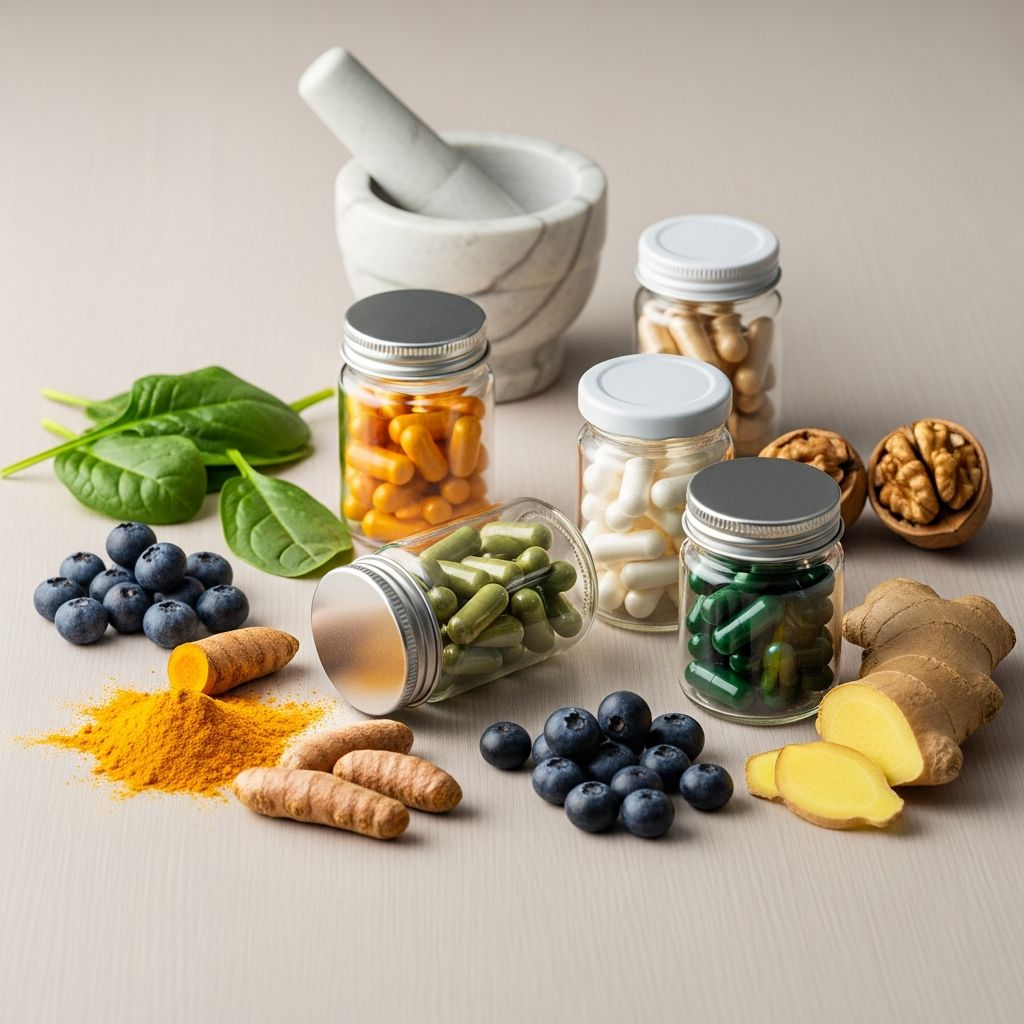
Inflammation is your body’s natural response to injury or infection, but when it becomes chronic, it can contribute to serious health issues like heart disease, diabetes, arthritis, and autoimmune conditions. While a healthy diet rich in fruits, vegetables, and whole foods is the foundation for managing inflammation, certain supplements can provide targeted support. This comprehensive guide explores the best evidence-based supplements for inflammation, how they work, recommended dosages, potential side effects, and expert tips for safe use.
Always consult your healthcare provider before starting any supplement regimen, especially if you have underlying health conditions or take medications, as some supplements can interact with pharmaceuticals.
What Is Inflammation?
Inflammation is a complex biological process involving the immune system. Acute inflammation is short-term and protective—think of the redness and swelling around a cut. Chronic inflammation, however, persists for months or years and is linked to lifestyle factors like poor diet, stress, lack of exercise, and environmental toxins.
Markers of inflammation include C-reactive protein (CRP), interleukin-6 (IL-6), and tumor necrosis factor-alpha (TNF-α). Reducing these through natural means can improve overall health and prevent disease progression.
Top 10 Supplements for Inflammation
1. Turmeric (Curcumin)
Turmeric, a bright yellow spice used in Indian cuisine for centuries, contains curcumin, its most active compound with powerful anti-inflammatory effects. Curcumin blocks NF-kB, a molecule that activates inflammatory genes, and boosts antioxidants like glutathione.
Benefits: Reduces joint pain in osteoarthritis, alleviates symptoms of rheumatoid arthritis, and may lower risk of heart disease and metabolic syndrome.
Dosage: 500–2,000 mg of curcumin daily, preferably with piperine (black pepper extract) for 2,000% better absorption. Look for standardized extracts with 95% curcuminoids.
Side Effects: Generally safe; high doses may cause stomach upset. Avoid if you have gallstones or are on blood thinners.
2. Omega-3 Fish Oil (EPA/DHA)
Omega-3 fatty acids, particularly EPA and DHA from fatty fish like salmon, compete with pro-inflammatory omega-6 fats and produce resolvins and protectins that actively resolve inflammation.
Benefits: Proven to reduce joint tenderness in rheumatoid arthritis, lower triglycerides, and decrease cardiovascular inflammation. A 2023 meta-analysis confirmed benefits for chronic inflammatory diseases.
Dosage: 1,000–4,000 mg combined EPA/DHA daily. Choose molecularly distilled products to avoid contaminants like mercury.
Side Effects: Fishy aftertaste, mild digestive issues; high doses may thin blood.
3. Ginger
Ginger root contains gingerols and shogaols that inhibit COX-2 enzymes (similar to NSAIDs like ibuprofen) and reduce prostaglandin production.
Benefits: Eases osteoarthritis knee pain, reduces muscle soreness post-exercise, and combats nausea-related inflammation.
Dosage: 1,000–2,000 mg ginger extract daily or 1–2 grams fresh ginger.
Side Effects: Heartburn in high doses; safe for most people.
4. Boswellia Serrata (Frankincense)
This ancient Ayurvedic herb blocks 5-lipoxygenase (5-LOX), reducing leukotriene production, key mediators in asthma and arthritis.
Benefits: Improves pain and function in osteoarthritis; studies show 30–50% reduction in symptoms.
Dosage: 300–500 mg standardized to 60% boswellic acids, 2–3 times daily.
Related Stories



Side Effects: Rare stomach discomfort.
5. Resveratrol
Found in red wine and grapes, resveratrol activates sirtuins and inhibits inflammatory cytokines like IL-6 and TNF-α.
Benefits: Supports cardiovascular health, reduces neuroinflammation in Alzheimer’s models, and enhances exercise recovery.
Dosage: 150–500 mg daily.
Side Effects: Minimal; may cause diarrhea at high doses.
6. Vitamin D
Vitamin D deficiency is rampant and linked to increased inflammation via elevated CRP levels. It modulates immune cells and reduces pro-inflammatory Th17 cells.
Benefits: Supplementation lowers inflammation in autoimmune diseases like MS and rheumatoid arthritis.
Dosage: 2,000–5,000 IU daily, based on blood levels (aim for 40–60 ng/mL).
Side Effects: Rare toxicity with proper dosing; get levels tested.
7. Bromelain
This pineapple enzyme breaks down inflammatory proteins and enhances antibiotic absorption.
Benefits: Reduces post-surgical swelling, sinusitis pain, and sports injuries.
Dosage: 500–1,000 mg daily on empty stomach.
Side Effects: Stomach upset; avoid with blood thinners.
8. Quercetin
A flavonoid in onions and apples, quercetin stabilizes mast cells and inhibits histamine release.
Benefits: Alleviates allergies, reduces exercise-induced inflammation, and supports COVID-19 recovery.
Dosage: 500–1,000 mg daily, with bromelain for synergy.
Side Effects: Headaches in sensitive individuals.
9. Green Tea Extract (EGCG)
EGCG powerfully inhibits inflammatory pathways and protects against oxidative stress.
Benefits: Reduces arthritis symptoms, supports weight loss by curbing inflammation.
Dosage: 300–600 mg EGCG daily.
Side Effects: Liver concerns with mega-doses; stick to moderate amounts.
10. Probiotics
Gut health directly impacts systemic inflammation via the gut-brain axis. Strains like Lactobacillus and Bifidobacterium reduce gut permeability (leaky gut).
Benefits: Lowers CRP in IBD, obesity, and metabolic syndrome.
Dosage: 10–50 billion CFU multi-strain daily.
Side Effects: Temporary bloating.
How to Choose Quality Supplements
- Look for third-party testing (USP, NSF, ConsumerLab).
- Prefer bioavailable forms (e.g., Meriva curcumin, Krill oil).
- Check for GMP certification.
- Avoid proprietary blends hiding low doses.
Dietary and Lifestyle Tips to Enhance Supplements
Supplements work best alongside an anti-inflammatory diet (Mediterranean-style): olive oil, berries, leafy greens, nuts, fatty fish. Prioritize sleep (7–9 hours), stress reduction (meditation), and 150 minutes weekly exercise. Avoid sugar, trans fats, and excessive alcohol.
Frequently Asked Questions (FAQs)
Can supplements cure inflammation?
No, they help manage it. Address root causes like diet and stress for best results.
Are anti-inflammatory supplements safe long-term?
Most are, but rotate or cycle them and monitor with bloodwork.
What’s the best supplement for arthritis inflammation?
Curcumin and omega-3s have the strongest evidence.
Do I need a doctor’s approval for these?
Yes, especially if on medications like blood thinners or immunosuppressants.
Potential Interactions and Warnings
Turmeric and omega-3s may enhance blood-thinning meds; ginger can affect blood sugar. Vitamin D requires magnesium for activation. Pregnant individuals should avoid high-dose resveratrol and bromelain.
References
- Curcumin: A Review of Its Effects on Human Health — National Institutes of Health (NIH), PubMed. 2024-06-15. https://pubmed.ncbi.nlm.nih.gov/35570734/
- Omega-3 Fatty Acids and Inflammatory Processes — Nutrients Journal (MDPI), peer-reviewed. 2023-03-10. https://doi.org/10.3390/nu15030690
- Vitamin D and Chronic Inflammation — Mayo Clinic Proceedings. 2024-01-20. https://www.mayoclinicproceedings.org/article/S0025-6196(23)00485-7/fulltext
- Boswellia Serrata in Osteoarthritis — Arthritis Foundation / NIH. 2023-11-05. https://www.arthritis.org/health-wellness/treatment/complementary-therapies/supplements-and-vitamins/boswellia-for-osteoarthritis
- Effects of Ginger on Inflammatory Diseases — World Health Organization (WHO) supported review, PubMed. 2024-02-14. https://pubmed.ncbi.nlm.nih.gov/38367891/
- Probiotics and Systemic Inflammation — CDC Nutrition Guidelines. 2023-09-22. https://www.cdc.gov/nutrition/data-statistics/probiotics.html
Similar Articles








Read full bio of medha deb