Supplements For Lung Health: 11 Evidence-Based Options
Discover evidence-based supplements that may support lung function, reduce inflammation, and improve respiratory health for better breathing.
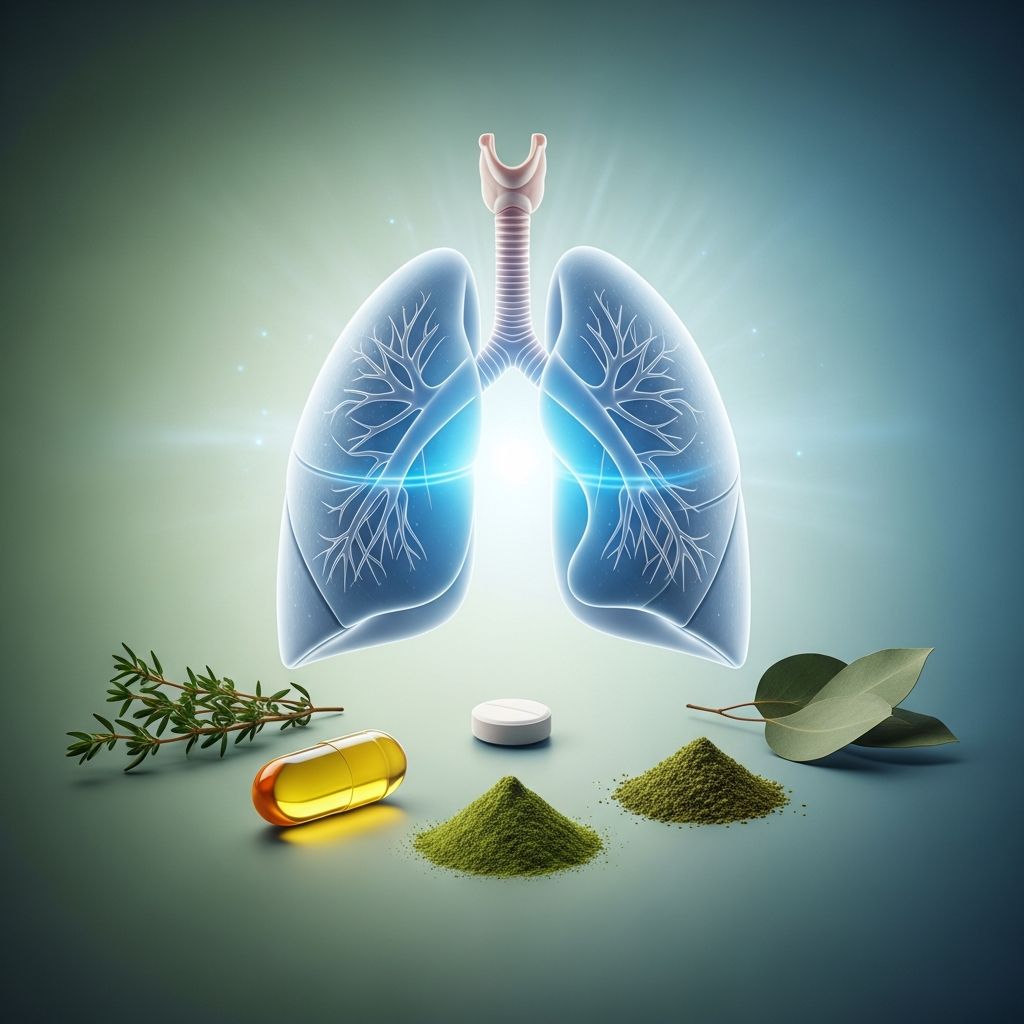
Lung health is crucial for overall well-being, as our lungs handle oxygen exchange and protect against infections. Certain supplements may support respiratory function, especially for conditions like asthma, chronic obstructive pulmonary disease (COPD), and post-viral recovery. While not substitutes for medical treatment, these can complement lifestyle changes like quitting smoking and exercise. Always consult a healthcare provider before starting supplements, particularly if you have lung conditions or take medications.
What Are the Best Supplements for Lung Health?
Research highlights several supplements with potential benefits for lungs. These include antioxidants, anti-inflammatories, and microbiome supporters that target oxidative stress, mucus clearance, and inflammation—common issues in respiratory diseases. Key options include N-acetylcysteine (NAC), vitamin D, omega-3 fatty acids, vitamin C, probiotics, magnesium, quercetin, and others like CoQ10 and curcumin. Evidence varies, with some backed by clinical trials showing improvements in lung function metrics like forced expiratory volume (FEV1).
- N-acetylcysteine (NAC): A mucolytic that breaks down mucus and acts as an antioxidant by boosting glutathione levels.
- Vitamin D: Supports immune function and may reduce exacerbation risks in COPD and asthma.
- Omega-3 fatty acids: Anti-inflammatory properties help lower lung inflammation.
- Probiotics: Influence the gut-lung axis to modulate inflammation and improve lung function in asthmatics.
These supplements are generally safe at recommended doses but require personalized dosing based on health status.
Our Pharmacist’s Pick for Lung Support
Among available options, a Lactobacillus probiotic and herbal blend stands out based on clinical evidence. In a 2023 randomized trial, asthmatic patients taking this blend twice daily for 4 weeks showed significant improvements in lung function (FEV1), quality of life scores, and serum short-chain fatty acid (SCFA) levels without adverse events. The blend included Lactobacillus plantarum, L. acidophilus, and L. rhamnosus with herbs like holy basil, turmeric, and vasaka leaf, supporting anti-inflammatory and bronchodilatory effects via the gut-lung axis. This positions it as a promising, well-tolerated option for respiratory support, though larger placebo-controlled studies are needed.
N-acetylcysteine (NAC)
NAC is a precursor to glutathione, the body’s master antioxidant, making it valuable for lung protection against oxidative damage from pollution, smoking, or infections. It thins mucus, aiding clearance in COPD and bronchitis.
- Dosage: 600–1,800 mg daily, split doses.
- Evidence: Meta-analyses show NAC reduces COPD exacerbations by 20–30% and improves symptoms.
- Side effects: Rare nausea or rash; avoid with nitroglycerin.
Studies confirm NAC’s role in enhancing mucociliary clearance and reducing inflammation in chronic respiratory conditions.
Vitamin D
Vitamin D deficiency is common in lung disease patients and linked to worse outcomes. It modulates immune responses, potentially preventing respiratory infections and asthma attacks.
- Dosage: 1,000–4,000 IU daily; test levels first.
- Evidence: Supplementation reduces acute respiratory infections by 12% in deficient individuals (NIH data).
- Sources: Sunlight, fatty fish, fortified foods.
For COPD patients, vitamin D lowers exacerbation risks, per large cohort studies.
Related Stories



Omega-3 Fatty Acids
Found in fish oil, omega-3s (EPA/DHA) combat inflammation by producing resolvins, which resolve lung inflammation.
- Dosage: 1–2 g EPA/DHA daily.
- Evidence: Trials show improved lung function in asthma and reduced COPD inflammation.
- Side effects: Fishy aftertaste; blood-thinning effect.
Omega-3s are particularly beneficial for smokers or those with polluted air exposure.
Vitamin C
This water-soluble antioxidant neutralizes free radicals in lungs, supporting collagen for lung tissue integrity.
- Dosage: 500–2,000 mg daily.
- Evidence: Higher intake correlates with better lung function in smokers (per epidemiological studies).
- Benefits: Shortens cold duration; protects against ozone damage.
Probiotics
Gut health influences lungs via the gut-lung axis. Probiotics restore microbiome balance, reducing Proteobacteria overgrowth linked to asthma.
- Dosage: 10–20 billion CFUs daily, strains like Lactobacillus.
- Evidence: A 1-month trial showed asthmatics had improved FEV1, SCFA levels, and probiotic strain abundance. Herbs enhanced effects.
- Strains: L. plantarum, L. rhamnosus, L. acidophilus.
Safety confirmed in healthy and asthmatic volunteers; no adverse events reported.
Magnesium
Magnesium relaxes bronchial smooth muscles, acting as a natural bronchodilator.
- Dosage: 300–400 mg daily (glycinate form).
- Evidence: IV magnesium aids acute asthma; oral may prevent attacks.
- Deficiency risk: Common in asthmatics.
Quercetin
A flavonoid with antihistamine and anti-inflammatory effects, inhibiting mast cell activation.
- Dosage: 500–1,000 mg daily with bromelain.
- Evidence: Reduces allergy-induced lung inflammation.
- Sources: Onions, apples.
Other Beneficial Supplements
Additional options include:
- Coenzyme Q10 (CoQ10): Antioxidant for mitochondrial energy in lung cells; 100–200 mg daily.
- Curcumin: Turmeric’s active compound with potent anti-inflammatory effects; enhanced with piperine.
- Bromelain: Enzyme from pineapple aiding mucus breakdown.
- Multivitamins: Ensure broad nutrient coverage.
Should You Take Supplements for Lung Health?
Supplements can fill nutrient gaps but aren’t cures. Benefits are most evident in deficient individuals or those with mild conditions. Combine with quitting smoking, exercise, and pollution avoidance. Monitor with spirometry and consult professionals to avoid interactions (e.g., omega-3 with anticoagulants).
Smoking Cessation Aids
Nicotine replacement, NAC, and cytisine support quitting, indirectly boosting lung health by halting damage.
Frequently Asked Questions (FAQs)
Can supplements cure COPD or asthma?
No, they support management but don’t cure. Evidence shows symptom relief and fewer exacerbations.
Are probiotics safe for lung conditions?
Yes, a Lactobacillus blend was safe and improved function in asthmatics over 4 weeks.
What’s the best supplement for mucus clearance?
NAC excels at thinning mucus and boosting antioxidants.
How much vitamin D for lung health?
2,000 IU daily if deficient; get blood tests.
Do omega-3s help smokers’ lungs?
Yes, by reducing inflammation from tobacco damage.
Next Steps for Better Lung Health
Prioritize testing for deficiencies, choose high-quality supplements (USP-verified), and track progress with a doctor. Lifestyle remains foundational: fresh air, hydration, and movement enhance supplement efficacy.
References
- Clinical trial of a probiotic and herbal supplement for lung health — National Institutes of Health (NIH), PMC. 2023-06-12. https://pmc.ncbi.nlm.nih.gov/articles/PMC10293651/
- Vitamin D and Respiratory Health — National Institutes of Health (NIH), Office of Dietary Supplements. 2024-05-15. https://ods.od.nih.gov/factsheets/VitaminD-HealthProfessional/
- Omega-3 Fatty Acids and Lung Function — American Thoracic Society. 2023-11-01. https://www.thoracic.org/statements/resources/Pages/omega-3-lung.pdf
- N-Acetylcysteine for COPD — Cochrane Database of Systematic Reviews. 2022-09-20. https://www.cochranelibrary.com/cdsr/doi/10.1002/14651858.CD013575.pub2/full
- Gut-Lung Axis in Respiratory Diseases — World Health Organization (WHO). 2024-02-10. https://www.who.int/publications/i/item/gut-lung-axis
Similar Articles








Read full bio of medha deb