Best Supplements For PCOS: 10 Evidence-Based Options
Discover the top evidence-based supplements that may help manage PCOS symptoms like insulin resistance, hormonal imbalance, and fertility issues.
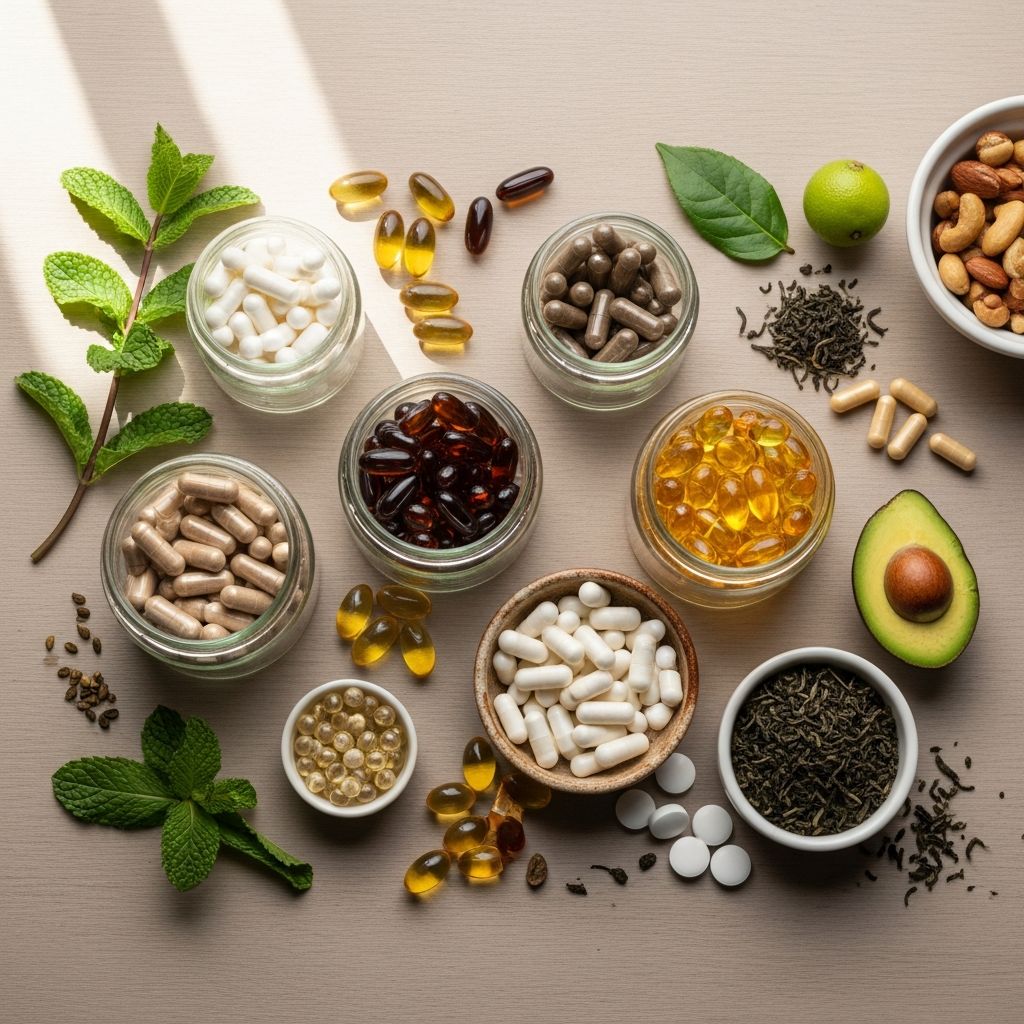
Polycystic ovary syndrome (PCOS) affects up to 10% of women of reproductive age, characterized by irregular periods, excess androgens, insulin resistance, and ovarian cysts. While lifestyle changes like diet and exercise form the foundation of management, supplements can play a supportive role in addressing metabolic disturbances, hormonal imbalances, and fertility challenges. This article reviews the most promising supplements based on recent systematic reviews and meta-analyses, focusing on their mechanisms, evidence, dosages, and potential benefits for PCOS symptoms.
What Is PCOS?
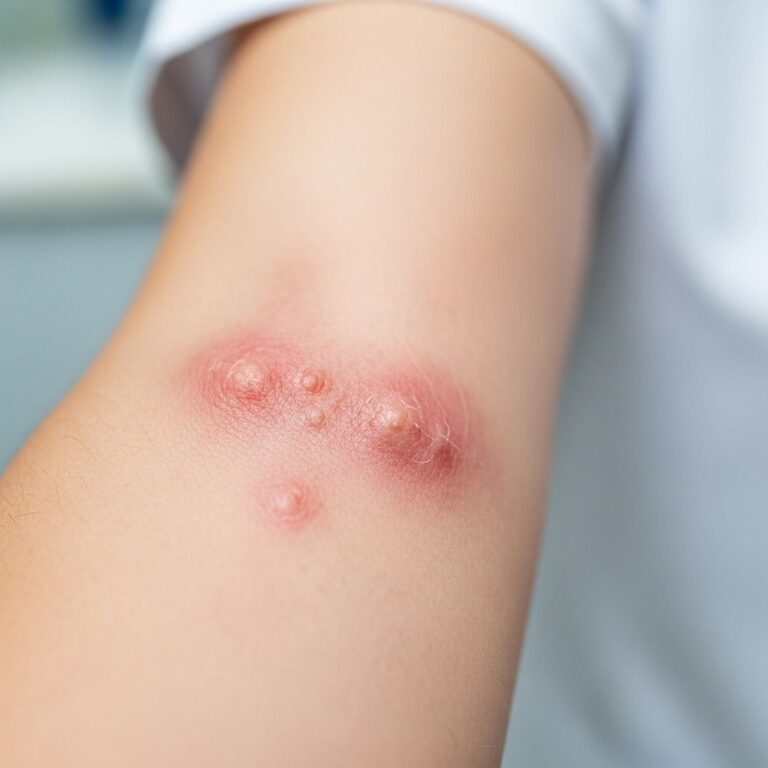
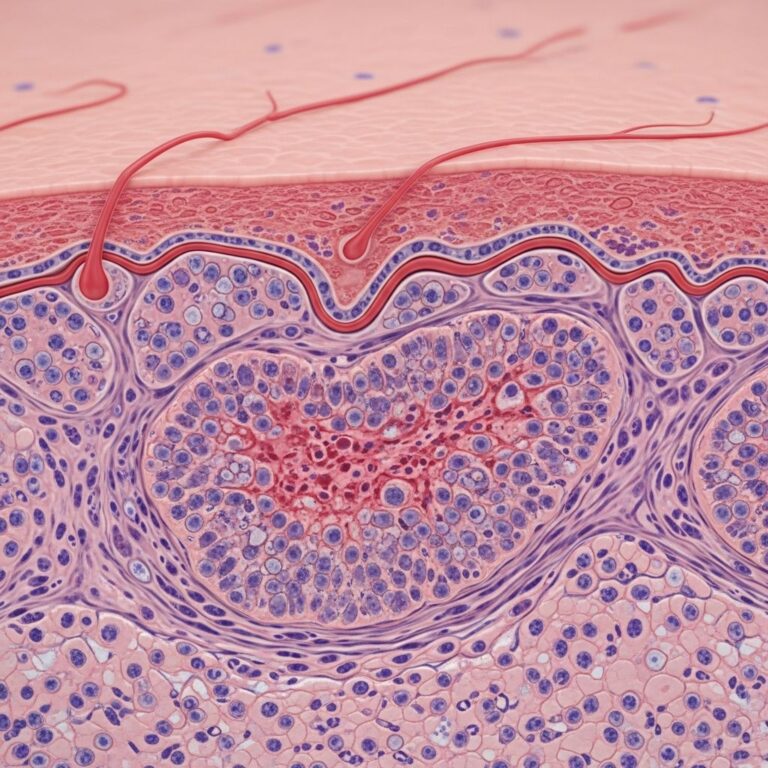
PCOS is a complex endocrine disorder diagnosed using the Rotterdam criteria, requiring at least two of three features: oligo-ovulation or anovulation, clinical or biochemical hyperandrogenism, and polycystic ovarian morphology on ultrasound. It often involves insulin resistance (affecting 50-70% of cases), leading to elevated insulin levels that exacerbate androgen production and impair ovulation. Common symptoms include irregular menstrual cycles, hirsutism, acne, weight gain, and infertility. Long-term risks include type 2 diabetes, cardiovascular disease, and endometrial cancer. Management typically combines lifestyle interventions, medications like metformin, and emerging nutraceuticals to target root causes like oxidative stress, inflammation, and nutrient deficiencies prevalent in PCOS.
How Supplements May Help With PCOS
Supplements target key PCOS pathologies: insulin signaling defects, hyperandrogenism, oxidative stress, and inflammation. For instance, many women with PCOS have deficiencies in vitamin D, magnesium, and zinc, which correlate with worsened insulin resistance and ovulatory dysfunction. Natural compounds like inositol act as insulin sensitizers, mimicking second messengers in the insulin pathway to improve glucose uptake and reduce hyperinsulinemia. Antioxidants such as vitamin E and selenium combat oxidative damage to ovarian follicles, while omega-3 fatty acids modulate inflammation and lipid profiles. Probiotics support gut health, influencing the gut-ovary axis to lower androgens and improve metabolic markers. Evidence from umbrella meta-analyses shows these interventions can enhance fasting glucose, insulin sensitivity (measured by HOMA-IR), testosterone levels, lipid profiles, and ovulation rates, often comparable to or synergistic with pharmaceuticals like metformin. However, results vary by individual factors like BMI, PCOS phenotype, and baseline nutrient status, underscoring the need for personalized approaches under medical supervision.
Supplements for PCOS
Several supplements stand out in the literature for PCOS. Below, we detail the top evidence-based options, including mechanisms, clinical outcomes, recommended dosages, and safety considerations. Rankings prioritize systematic reviews and meta-analyses for strength of evidence.
Inositol
Inositol, particularly myo-inositol (MI) and D-chiro-inositol (DCI), is a vitamin-like sugar alcohol naturally found in fruits, beans, and grains. It serves as a second messenger in insulin signaling, addressing the core insulin resistance in PCOS. Supplementation improves ovarian function by restoring FSH/LH ratios, reducing hyperandrogenism, and promoting ovulation. Meta-analyses show MI (2-4g/day) lowers fasting insulin, glucose, testosterone, and triglycerides, while improving menstrual regularity in 70% of users. Combined MI/DCI (40:1 ratio, 4g/day) enhances oocyte quality for IVF. A systematic review confirms inositol’s superiority for metabolic and reproductive outcomes, with minimal side effects like mild nausea.
Berberine
Berberine, a plant alkaloid from goldenseal and barberry, activates AMPK (a metabolic regulator) to mimic metformin’s effects on glucose uptake and lipid metabolism. In PCOS, it reduces BMI, waist circumference, insulin resistance, and androgens more effectively than placebo, with lipid improvements rivaling metformin. Doses of 500mg three times daily (1.5g total) yield significant drops in HOMA-IR and testosterone. It’s particularly beneficial for overweight women, promoting weight loss of 2-5kg over 3-6 months. Gastrointestinal upset is common but transient; long-term safety data is emerging.
L-Carnitine
L-Carnitine transports fatty acids into mitochondria for energy production, countering fat accumulation in PCOS. Supplementation (2-3g/day) reduces body weight, BMI, waist/hip ratios, and improves glycemic control versus placebo. It enhances insulin sensitivity and may support folliculogenesis. Best for women with obesity-related PCOS; side effects are rare (fishy odor at high doses).
Related Stories



Vitamin D
Vitamin D deficiency affects 67-85% of PCOS patients, impairing insulin secretion, ovarian steroidogenesis, and folliculogenesis via VDR and CYP27B1 genes. Supplementation (1,000-4,000 IU/day) improves insulin metabolism, total antioxidant capacity, hirsutism, CRP, and testosterone, while regulating ovulation. Meta-analyses report better HOMA-IR and SHBG levels; it’s safe up to 10,000 IU/day short-term. Monitor serum 25(OH)D levels.
Vitamin E
This fat-soluble antioxidant (400-800 IU/day) reduces oxidative stress, improving glucose/lipid metabolism, HOMA-IR, LH/testosterone, and increasing FSH/progesterone. It lowers TG and LDL-C, synergizing with vitamin D. Tocotrienol forms may be superior; mild bleeding risk at high doses.
Omega-3 Fatty Acids
Omega-3 PUFAs (EPA/DHA, 1-3g/day) from fish oil reduce inflammation, improving HOMA-IR, insulin, lipids (TC, TG, LDL-C, VLDL-C), and HDL-C. Anti-androgen effects are modest but aid cardiometabolic health. Vegetarian algae sources available; burping minimized with enteric-coated capsules.
Spearmint Tea
Daily spearmint tea (2 cups) lowers free testosterone and LH after 30 days, easing hirsutism. Polyphenols inhibit androgen synthesis; caffeine-free options ideal. Limited but consistent small trials.
Probiotics
Strains like Lactobacillus (10^9 CFU/day) normalize BMI, insulin, HOMA-IR, FPG, and testosterone via gut microbiota modulation. Synbiotics amplify effects. Safe for long-term use; choose refrigerated, multi-strain formulas.
Selenium
This trace mineral (200mcg/day) offers antioxidant/anti-inflammatory benefits, reducing FPG, cholesterol, insulin, and TC, while boosting TAC. Enhances IVF outcomes; no BMI effect. Brazil nuts alternative, but supplementation ensures dosage.
Chromium
Chromium picolinate (200-1,000mcg/day) lowers BMI, free testosterone, and fasting insulin, aiding glucose tolerance. No impact on total androgens; best for insulin-resistant phenotypes.
Spearmint Tea Dosage for PCOS
For hirsutism and androgen reduction, brew 1-2 teaspoons of dried spearmint leaves in hot water, twice daily for 1-3 months. Studies show 5g/day extract equivalent reduces free testosterone by 30%. Combine with other therapies; monitor for allergies.
Should You Take Supplements for PCOS?
Supplements are adjunctive, not replacements for lifestyle or medical therapy. Consult a healthcare provider to test for deficiencies (e.g., vitamin D, zinc) and avoid interactions (berberine with meds). Prioritize inositol, berberine, and vitamin D for broad benefits. Track symptoms via apps; reassess every 3 months with labs (HOMA-IR, androgens). Pregnant/breastfeeding women need tailored advice. Evidence gaps exist for combinations and long-term use; ongoing trials address this.
PCOS Diet
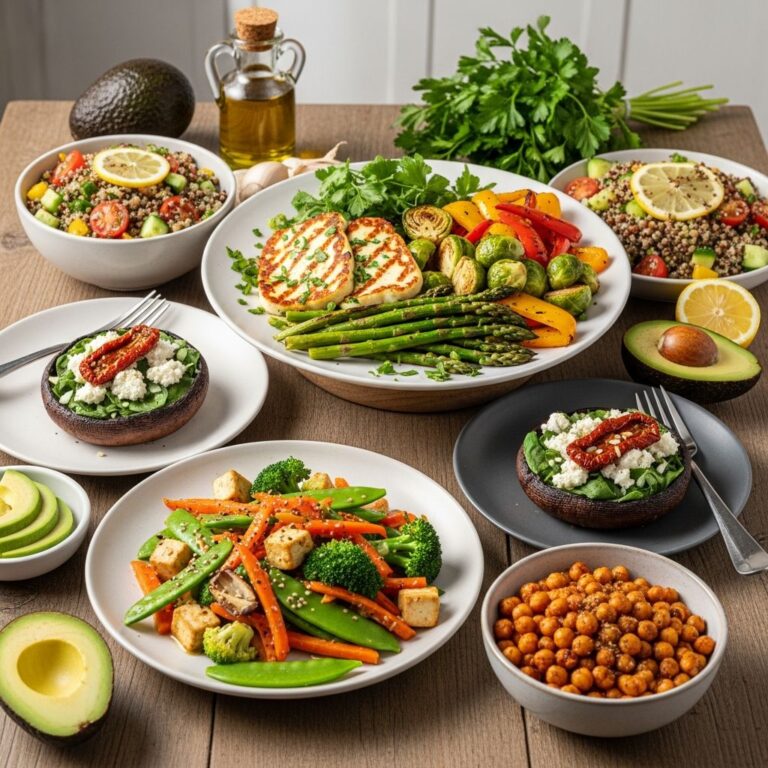
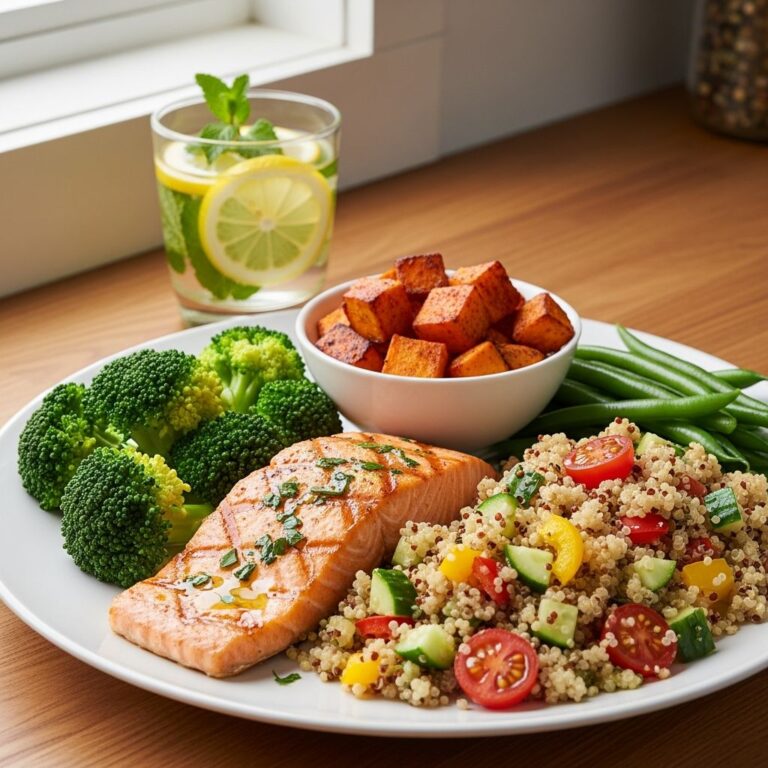
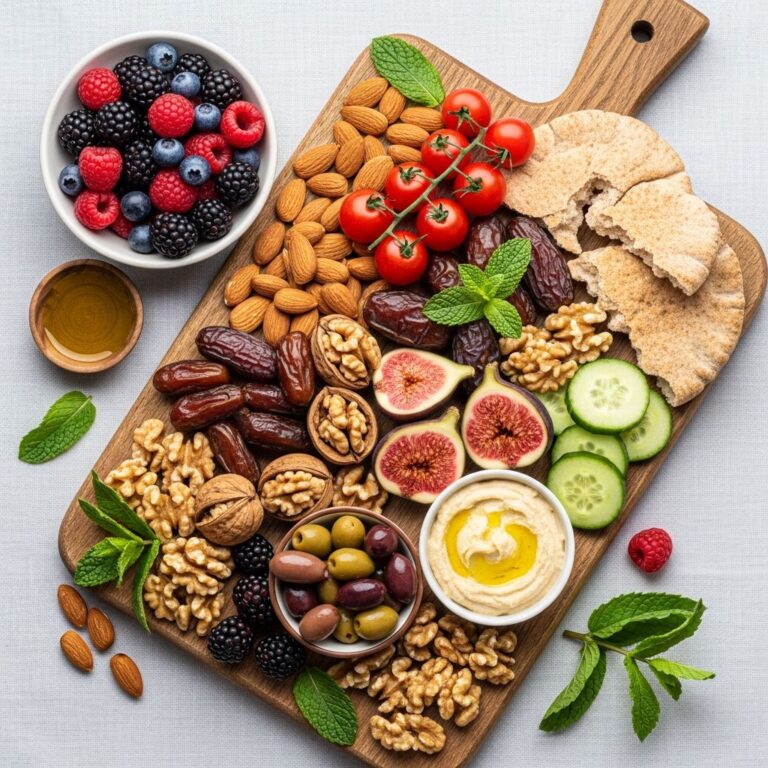
A Mediterranean-style diet amplifies supplements: emphasize low-GI foods (whole grains, legumes), anti-inflammatory fats (olive oil, avocados, fatty fish), fiber (fruits, veggies, nuts), and zinc-rich foods (oysters, seeds). Limit refined carbs/sugars to curb insulin spikes. Sample day: oatmeal with berries, salmon salad, dark chocolate. Weight loss of 5-10% restores ovulation in 50% of cases.
Frequently Asked Questions (FAQs)
What is the best supplement for PCOS?
Inositol tops evidence for insulin resistance, ovulation, and androgens; combine with berberine for metabolic syndrome.
How can I reverse PCOS naturally?
Combine low-GI diet, exercise (150min/week), sleep, and supplements like inositol/omega-3; 30-50% see remission with 5-10% weight loss.
Can spearmint tea help with PCOS?
Yes, 2 cups/day reduces hirsutism via anti-androgen effects; adjunctive only.
Does vitamin D help PCOS?
Strongly; corrects deficiency, improves IR, hormones, and fertility.
Are probiotics good for PCOS?
Yes, they improve gut health, BMI, insulin, and testosterone.
References
- Nutrition for Polycystic Ovary Syndrome (PCOS) — Female Health Awareness. 2023. https://femalehealthawareness.org/en/nutrition-for-polycystic-ovary-syndrome-pcos/
- Efficacy of dietary supplements as an adjunctive therapy in PCOS — Frontiers in Nutrition. 2025-01-13. https://www.frontiersin.org/journals/nutrition/articles/10.3389/fnut.2025.1705284/full
- Dietary supplements in polycystic ovary syndrome–current evidence — PMC / National Library of Medicine. 2024. https://pmc.ncbi.nlm.nih.gov/articles/PMC11466749/
Similar Articles








Read full bio of Sneha Tete