8 Supplements Not To Mix With Iron: Optimize Absorption Safely
Discover the 8 key supplements that can interfere with iron absorption and how to time them properly for optimal health benefits.
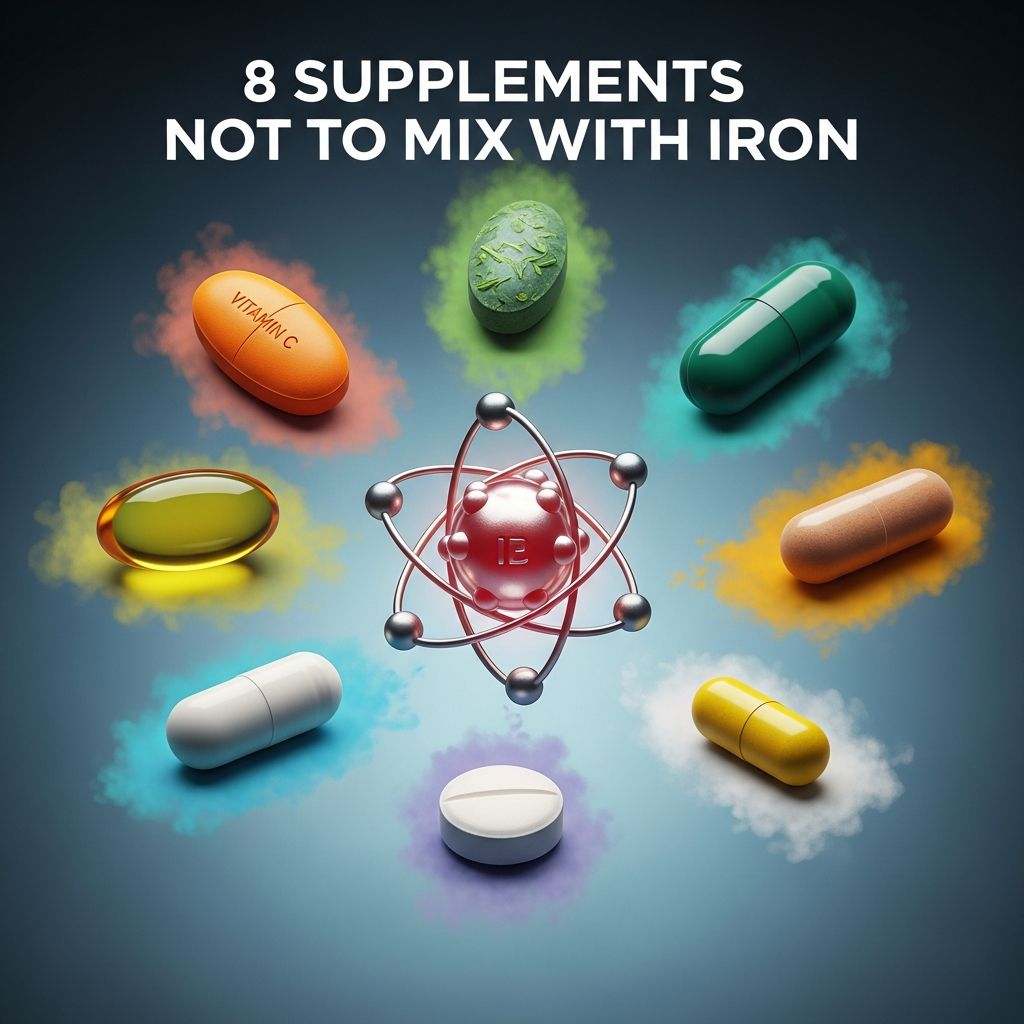
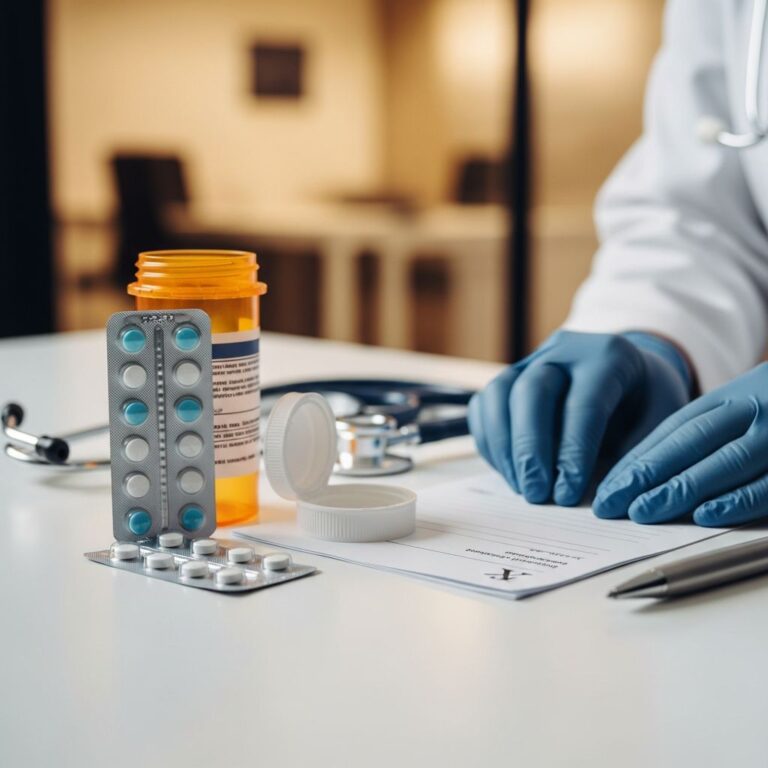
Iron is an essential mineral vital for oxygen transport, energy production, and overall health. Many people take iron supplements to combat deficiency, anemia, or low energy. However, certain supplements can interfere with iron absorption or even cause harmful interactions when taken together. Timing matters—separating doses by at least 2 hours is often recommended.
This article covers the top 8 supplements to avoid mixing with iron, backed by scientific evidence. Understanding these interactions helps optimize supplement efficacy and safety.
Why Iron Absorption Matters
Iron exists in heme (from animal sources) and non-heme forms (plants and supplements). Non-heme iron, common in supplements like ferrous sulfate, has lower bioavailability (10-15% absorption rate). Factors like stomach acid, food, and other minerals affect uptake in the duodenum.
MedlinePlus notes iron is best absorbed on an empty stomach but can cause GI upset; taking with food reduces absorption further. Poor absorption leads to inadequate hemoglobin production, perpetuating fatigue and deficiency.
1. Calcium Supplements
Calcium forms insoluble complexes with iron in the gut, blocking absorption. Dairy, antacids, and calcium pills compete for the same transporters (DMT1).
Wait 2 hours between calcium-rich foods/drinks and iron. Studies show co-administration reduces iron uptake by up to 50%. For bone health, alternate timings: iron in morning, calcium at night.
- Common sources: Milk, cheese, fortified cereals, Tums.
- Tip: Take iron with vitamin C (in moderation) to boost absorption, away from calcium.
2. Zinc Supplements
Zinc and iron compete for shared absorption pathways in the intestines. High zinc doses (over 25mg) can inhibit iron uptake by 40-60%, per research.
Immune support often pairs zinc with iron, but space them 2-4 hours apart. Those with both deficiencies should prioritize iron first, monitoring levels via blood tests.
- Affects: Cold remedies, multivitamins, prostate health supps.
- Solution: Morning iron, evening zinc.
3. Magnesium Supplements
Like calcium, magnesium binds iron, forming non-absorbable compounds. Laxatives and sleep aids containing magnesium oxide worsen this.
Separate by 2 hours. Epsom salts or topical magnesium have less impact but oral forms interfere significantly.
- Common in: Antacids, muscle relaxants.
4. Vitamin C (in High Doses)
Low-dose vitamin C enhances non-heme iron absorption by reducing Fe3+ to Fe2+. However, high doses with iron salts generate reactive oxygen species (ROS), causing oxidative stress, GI ulcers, and inflammation exacerbation.
PMC review warns: Ferrous iron + ascorbic acid produces hydroxyl radicals (•OH) via Fenton reaction: Fe(II) + H2O2 → •OH + Fe(III) + OH−. This damages GI mucosa, especially in Crohn’s patients. Limit to 50-100mg vitamin C per iron dose; avoid mega-doses (>500mg).
- Pro-oxidant risk: Ulcers, cancer promotion in chronic GI disease.
- Safe use: Orange juice (natural low-dose C) with iron.
Related Stories



5. High-Fiber Supplements
Phytates in bran, psyllium, and fiber powders bind iron, reducing bioavailability. Whole grains and raw veggies slow gastric emptying, further hindering uptake.
Take fiber 2+ hours post-iron. Soluble fibers like inulin are less inhibitory than insoluble bran.
- Examples: Metamucil, oatmeal supps.
6. Caffeine-Containing Supplements
Polyphenols in coffee, tea, and energy supps (guarana) chelate iron, slashing absorption by 50-60%.
MedlinePlus advises avoiding caffeine 1-2 hours around iron doses. Decaf has less impact.
- Hidden sources: Green tea extract, pre-workouts.
7. Antacids and PPIs
These reduce stomach acid (HCl) needed to convert iron to absorbable form. Proton pump inhibitors (PPIs) like omeprazole impair uptake long-term, risking deficiency.
Space 2-4 hours. Switch to H2 blockers if possible, or use liquid iron forms.
8. Other Multivitamins or Tetracyclines
Multis pack multiple inhibitors (calcium, zinc, fiber). Antibiotics like tetracycline bind iron directly, nullifying both.
Take multis separately; inform doctor of iron use before antibiotics.
How to Take Iron Supplements Safely
| Do | Don’t |
|---|---|
| Empty stomach or with low-dose C | Mix with dairy/calcium |
| 8oz water or OJ | High fiber/caffeine meals |
| 2hr gaps for inhibitors | Exceed RDA without tests |
| Monitor ferritin/hemoglobin | Ignore side effects |
Side effects: Constipation (use docusate), black stools (normal), nausea (smaller doses). Kids: Keep locked; overdose toxic.
Who Needs Iron Supplements?
Pregnant women, menstruators, vegetarians, athletes. Test first: Ferritin <30ng/mL indicates deficiency. Continue 6-12 months post-normalization.
Frequently Asked Questions (FAQs)
What enhances iron absorption?
Vitamin C (low dose), meat, acidic foods like citrus. Avoid inhibitors.
Can I take iron with food?
Yes, if GI upset; absorption drops 40%. Better empty stomach.
High vitamin C always bad with iron?
No—enhances at physiological doses; pro-oxidant at excess with ferrous salts.
How long for iron to work?
2 months for blood counts; 6-12 more for stores.
Safe iron forms?
Ferrous sulfate (325mg), gluconate, fumarate. Liquid for low acid.
Key Takeaways
- Separate iron from calcium, zinc, magnesium, fiber by 2hrs.
- Moderate vitamin C; avoid excess to prevent ROS damage.
- No caffeine, antacids near doses.
- Consult MD for personalized timing/tests.
References
- Iron supplements: the quick fix with long-term consequences — G. B. P. Higgins et al. PMC. 2008-07-17. https://pmc.ncbi.nlm.nih.gov/articles/PMC340385/
- Taking iron supplements — MedlinePlus Medical Encyclopedia. 2023-07-08. https://medlineplus.gov/ency/article/007478.htm
Similar Articles








Read full bio of Sneha Tete