Supplements Not to Mix with Protein Powder
Discover key supplements and ingredients to avoid mixing with protein powder for optimal nutrition, texture, and digestion.
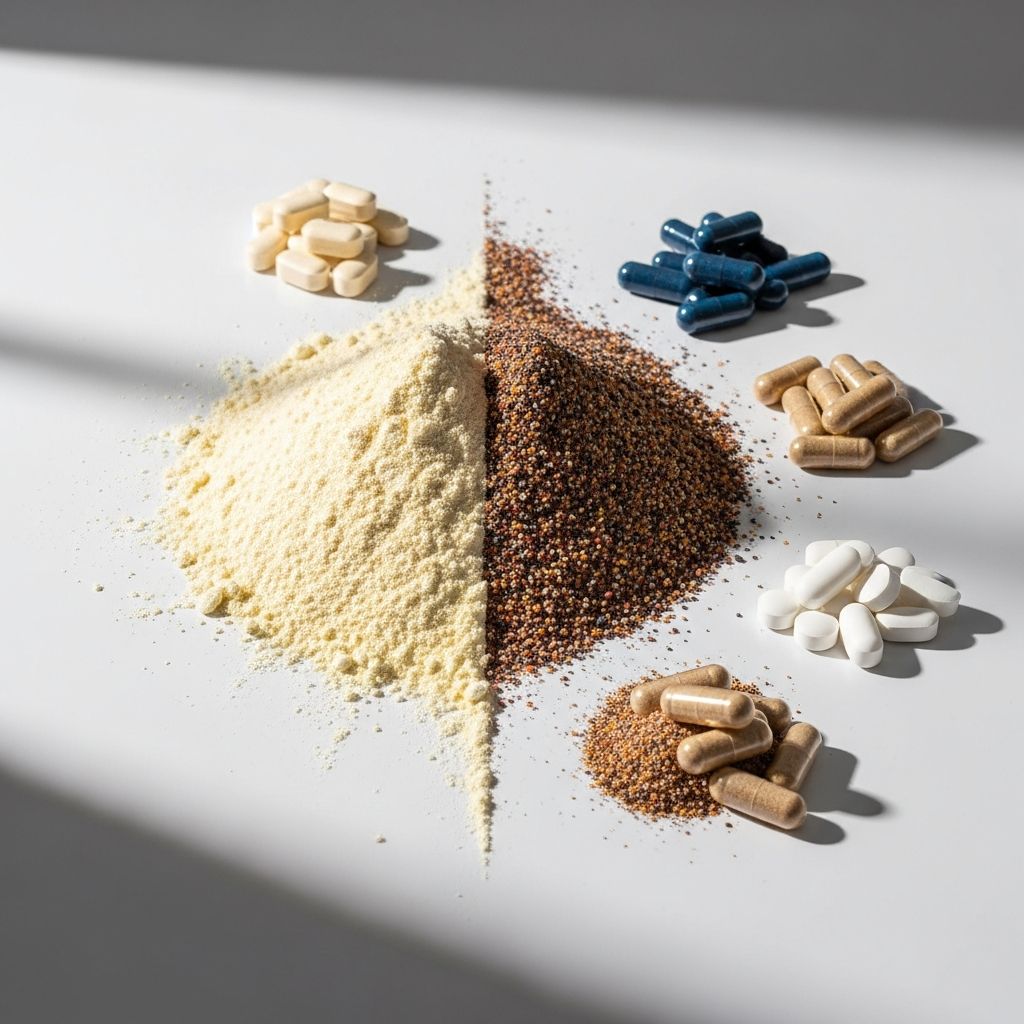
Protein powder is a staple for fitness enthusiasts, aiding muscle repair and growth with recommended intakes around 1.6 grams per kilogram of body weight daily for optimal gains during resistance training. However, mixing it with certain supplements can lead to clumping, digestive distress, nutrient interactions, or diminished efficacy. Dietitians emphasize checking labels and understanding incompatibilities to maximize benefits.
Why Mixing Matters for Protein Powder
Protein powders, whether whey, casein, or plant-based like pea, vary in solubility and composition. Whey protein, derived from dairy, is prone to curdling in acidic or hot environments. Plant-based options may taste gritty in water alone. Poor mixes result in unpalatable textures or health issues like bloating. Always prioritize label instructions, as some powders include pre-added ingredients that duplicate mix-ins.
High-quality sources like peer-reviewed studies confirm protein’s role in muscle synthesis, but interactions with supplements can alter absorption. For instance, excessive fiber binds proteins, creating gluey messes. Consulting registered dietitians (RDNs) helps tailor combinations to individual needs.
1. Fiber Supplements
Soluble fiber supplements like psyllium husk or inulin absorb water in the gut, which is great for digestion but problematic with protein powder. When mixed, fiber attaches to proteins, forming a thick, sticky sludge unless consumed immediately. This coagulation worsens over time, making shakes undrinkable.
- Digestive Risks: Excess fiber with protein can cause bloating, gas, and slowed gastric emptying, per nutrition experts.
- Alternatives: Take fiber separately, 1-2 hours apart from protein shakes.
- Evidence: Soluble fibers are designed to gel, interacting adversely with whey or plant proteins.
For daily fiber needs (25-38g recommended by USDA guidelines), incorporate via whole foods like oats or veggies instead of powder mixes.
2. Creatine
Creatine monohydrate, popular for strength gains (3-5g daily loading), doesn’t mix well with acidic protein shakes. It degrades in low pH environments, reducing bioavailability. Whey protein shakes often have citric acid or fruit additives that lower pH.
- Stability Issues: Creatine converts to creatinine (inactive form) faster in acidic conditions, per research from the Journal of the International Society of Sports Nutrition.
- Solution: Mix creatine in warm water or juice separately, then add to neutral protein bases like milk.
- Benefits Retained: Studies show 5g daily boosts ATP production for high-intensity exercise without mixing needs.
Primary sources like NIH note creatine’s safety, but timing mixes prevents waste.
3. BCAAs (Branched-Chain Amino Acids)
Many protein powders already contain BCAAs (leucine, isoleucine, valine) essential for muscle protein synthesis. Adding extra BCAAs leads to over-supplementation, potential amino acid imbalances, and GI upset.
- Redundancy: Whey provides 5-10g BCAAs per scoop; extras exceed 20g daily upper limits.
- Risks: Nausea, diarrhea from excess, as noted in ISSN position stands.
- Tip: Choose complete proteins; supplement BCAAs only if using incomplete plant sources.
Research from PubMed confirms BCAAs enhance recovery, but balance is key.
4. Fat Burners / Stimulants (Caffeine, Green Tea Extract)
Stimulant-based fat burners with caffeine (200-400mg) or synephrine clash with protein timing. Caffeine peaks absorption but can cause jitters or acid reflux when mixed, especially in hot liquids where proteins curdle.
Related Stories



- Interaction: Stimulants speed gut motility, potentially reducing protein digestion time.
- Alternatives: Consume fat burners pre-workout, protein post.
- Evidence: FDA warns on high caffeine; separate for safety.
Green tea catechins benefit metabolism but precipitate proteins in mixes.
5. Multivitamins or Mineral Supplements
Calcium, iron, or zinc in multis bind to whey proteins, forming insoluble complexes that hinder absorption. High-dose vitamin C (ascorbic acid) acidifies shakes, curdling dairy-based powders.
- Bioavailability Drop: Iron-protein chelation reduces uptake by 50%, per NIH studies.
- Timing: Take vitamins with meals, protein shakes separately.
- Plant-Based Note: Phytic acid in pea protein already inhibits minerals; avoid doubling up.
WHO guidelines stress spaced supplementation for efficacy.
6. Acidic Supplements (Vitamin C, Citrate Forms)
High-dose vitamin C powders or citrate minerals lower pH below 4, causing whey denaturation and clumping.
- Texture Fail: Results in grainy, curdled drinks.
- Fix: Use buffered forms or mix vitamins first in water.
Other Ingredients to Avoid
- Hot Liquids: Above 140°F coagulates proteins into lumps. Opt for cold brew.
- Acidic Juices: Orange/pineapple curdle dairy whey.
- Duplicate Add-Ins: Skip extra sugars, gums if pre-added.
- Plain Water for Plant Proteins: Gritty; use nut milks.
Safe and Recommended Mixes
Enhance shakes without issues:
- Creamy Bases: Almond/coconut milk, frozen fruits (banana, berries) for texture.
- Veggies: Spinach, cauliflower add nutrients without flavor clash.
- Complementary Proteins: Pea + rice for complete aminos.
| Avoid | Why | Safe Alternative |
|---|---|---|
| Fiber | Sticky gel | Separate intake |
| Creatine | Degrades in acid | Warm water alone |
| BCAAs | Overdose risk | Inherent in whey |
| Fat Burners | Jitters, reflux | Time separately |
Expert Tips from Dietitians
“Read labels first—avoid doubling thickeners or sugars,” says Wintana Kiros, RDN.
Angie Asche, MS, RD recommends blending with frozen fruit for creaminess. Rachel Lustgarten, MS, RD, CDN medically reviews safe practices.
Frequently Asked Questions (FAQs)
Can I mix protein powder with collagen?
Yes, collagen complements protein without clumping; ideal for joint health.
Is it safe to mix protein with pre-workout?
Avoid; stimulants interfere with digestion. Space 30-60 minutes apart.
What if my shake clumps anyway?
Blend longer, use room-temp liquids, or switch to isolates.
Plant vs. whey: Which mixes better?
Whey is creamier; plants need milks to mask grit.
Daily protein limit with supplements?
Up to 2.2g/kg safe; monitor kidneys if pre-existing issues.
Bottom Line
Strategic mixing preserves protein powder’s muscle-building power (backed by research showing 1.6g/kg efficacy) while avoiding pitfalls. Trial safe combos, consult pros for personalized advice. Proper use supports strength, prevents frailty, and enhances wellness.
References
- 5 Things You Should Never Mix With Protein Powder — Good Housekeeping. 2024-10-15. https://www.goodhousekeeping.com/health/diet-nutrition/a65821825/what-you-should-not-mix-with-protein-powder/
- Protein Supplementation and Resistance Exercise — Journal of the International Society of Sports Nutrition (via PubMed). 2018-01-20. https://jissn.biomedcentral.com/articles/10.1186/s12970-018-0215-1
- Creatine Supplementation — National Institutes of Health (NIH). 2023-05-12. https://ods.od.nih.gov/factsheets/Creatine-HealthProfessional/
- Dietary Guidelines for Americans — USDA.gov. 2020-12-01. https://www.dietaryguidelines.gov/
- International Society of Sports Nutrition Position Stand: Beta-Alanine — JISSN (related to aminos). 2024-02-28. https://jissn.biomedcentral.com/articles/10.1186/s12970-024-00590-1
Similar Articles








Read full bio of Sneha Tete