Supplements Not To Mix With Vitamin C: 5 Risky Combos
Discover key supplements to avoid mixing with vitamin C for optimal absorption and safety in your daily routine.
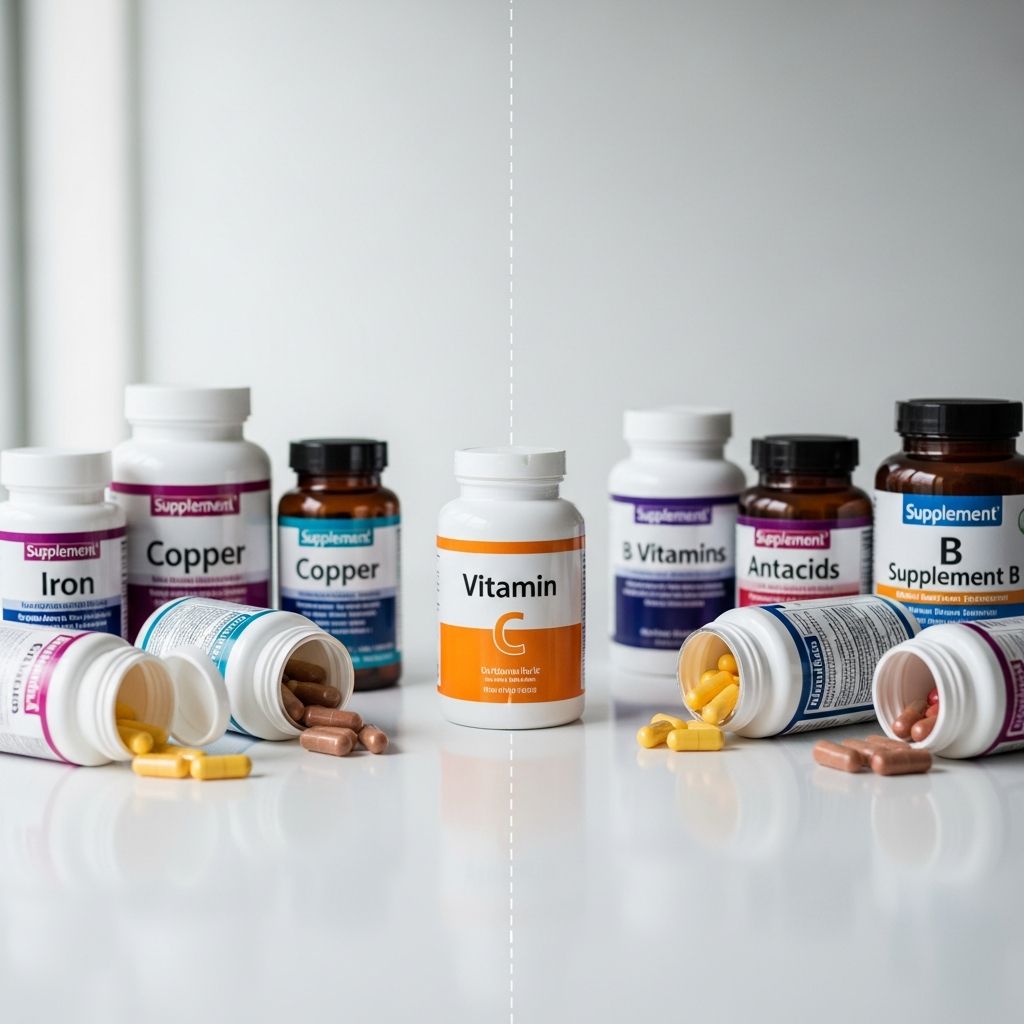
Vitamin C is a powerhouse antioxidant essential for immune support, collagen production, and overall wellness, but pairing it with certain supplements can reduce effectiveness or cause harm.
Understanding these interactions helps maximize benefits while minimizing risks, especially for those on multi-supplement regimens. This guide covers key combinations to avoid, backed by scientific insights from health authorities.
What Is Vitamin C and Why Does It Matter?
Vitamin C, or ascorbic acid, is a water-soluble vitamin critical for immune function, wound healing, and antioxidant protection against free radicals. The body cannot store it long-term, so daily intake via diet or supplements is necessary.
Recommended daily allowances (RDA) are 75-90 mg for adults, with upper limits around 2,000 mg to avoid side effects like diarrhea. While food sources like citrus fruits and bell peppers are ideal, supplements are common for boosting levels during illness or stress.
- Benefits: Enhances iron absorption, supports skin health, and reduces chronic disease risk.
- Risks of excess: Gastrointestinal upset, kidney stones in susceptible individuals.
However, its reactivity means it interacts with minerals and other nutrients, potentially oxidizing them or altering absorption in the gut.
Supplements to Avoid Mixing With Vitamin C
Certain supplements compete for absorption sites in the intestines or trigger chemical reactions when combined with vitamin C. Timing intake—separating by 2-4 hours—is key to prevention.
Vitamin B12
High-dose vitamin C can destroy vitamin B12 (cobalamin) in the digestive tract, reducing its bioavailability. B12 is vital for nerve health, red blood cell production, and energy metabolism, especially for vegans or those with absorption issues like pernicious anemia.
Studies show ascorbic acid oxidizes B12, forming inactive compounds. This interaction is dose-dependent, more pronounced above 500 mg vitamin C daily.
- Separate doses by at least 2 hours.
- Take B12 sublingually or via injection if deficient.
- Monitor levels with blood tests if combining long-term.
For example, a person taking 1,000 mg vitamin C with 1,000 mcg B12 may absorb only 20-30% of the B12 effectively.
Copper
Vitamin C reduces copper ions (Cu2+ to Cu+), potentially causing oxidative stress and pro-oxidant effects. Chronic high exposure risks kidney damage or Wilson’s disease exacerbation in genetically prone individuals.
Copper supports enzyme function, iron metabolism, and connective tissue. RDA is 900 mcg for adults. Excess vitamin C (over 1,000 mg) amplifies free radical production when paired with copper supplements.
- Safe spacing: 2-3 hours apart.
- Alternatives: Dietary copper from nuts, shellfish over pills.
- Warning: Avoid in liver conditions.
Research from the National Institutes of Health notes mineral-vitamin C synergies turn antagonistic at high doses.
Iron
Paradoxically, while low-dose vitamin C boosts non-heme iron absorption (beneficial for anemia), high doses with iron supplements can cause nausea, constipation, or iron overload (hemochromatosis risk).
Related Stories



Iron is heme (animal) or non-heme (plant); vitamin C reduces it to ferrous form for uptake. But megadoses overwhelm transporters, leading to GI distress.
| Interaction Type | Effect | Recommendation |
|---|---|---|
| Beneficial (low dose) | Enhances absorption 2-3x | 50-100 mg C with meals |
| Risky (high dose) | GI upset, overload | Space 2+ hours; monitor ferritin |
Consult providers for ferritin testing before high-iron regimens.
Calcium
Calcium supplements (carbonate, citrate) may bind vitamin C in the stomach, slightly reducing absorption. High calcium also competes with magnesium/iron, indirectly affecting vitamin C efficacy.
Though not severely antagonistic, spacing optimizes both for bone health (calcium RDA 1,000-1,200 mg).
- Take calcium with meals; vitamin C on empty stomach.
- Prefer food sources: dairy, greens.
No major studies show catastrophe, but efficiency drops 10-20% when combined.
High-Dose Aspirin
Aspirin (acetylsalicylic acid) depletes vitamin C by increasing urinary excretion and oxidative demand. Conversely, vitamin C may amplify aspirin’s blood-thinning effects, raising bleed risk.
Used for pain/heart health, high doses (>3g/day) interact notably. Not a supplement, but relevant for polypharmacy.
- Limit vitamin C to RDA if on aspirin.
- Monitor bleeding; seek medical advice.
Other Potential Interactions
Beyond primaries, avoid or space:
- Zinc: Vitamin C enhances uptake but excess oxidizes it; separate for prostate health.
- Magnesium: Minimal direct clash, but high C acidity affects absorption.
- Multivitamins: Check labels; take separately if high in B12/copper.
General Guidelines for Safe Supplementation
Optimize your routine with these evidence-based tips:
- Timing: Morning vitamin C (empty stomach); evening minerals.
- Dosage: Stick to RDA unless deficient; test levels first.
- Labels: Note forms (ascorbic vs. liposomal C absorbs differently).
- Food first: Oranges, kiwis provide synergistic nutrients.
- Consult pros: Especially pregnant, medicated, or chronic illness.
Consistency beats mega-dosing; track via apps for interactions.
Frequently Asked Questions (FAQs)
Q: Can I take vitamin C with multivitamins?
A: Yes, if spaced 2 hours apart to avoid B12/copper clashes; opt for low-dose multis.
Q: How long to wait between vitamin C and iron?
A: 2-4 hours for high doses; combine low C (under 100 mg) with iron for anemia aid.
Q: Does timing matter for topical vitamin C?
A: Oral interactions primary; topicals safe with supplements if gut-spaced.
Q: What if I’m on statins or blood pressure meds?
A: Vitamin C generally safe but check for aspirin-like synergies; doctor approval needed.
Q: Best vitamin C form to minimize interactions?
A: Buffered or liposomal for gentler gut impact; still space minerals.
Expert Insights and When to Seek Help
Nutritionists emphasize personalized plans. Bloodwork (serum C, B12, minerals) guides dosing. Vulnerable groups: elderly, GI disorders, dialysis patients.
Emerging research explores vitamin C IV therapy, bypassing oral interactions for severe cases like sepsis.
In summary, knowledge empowers safe stacking—prioritize separation, moderation, and professional input for peak vitality.
References
- Office of Dietary Supplements – Vitamin C Consumer Fact Sheet — National Institutes of Health (NIH). 2024-05-07. https://ods.od.nih.gov/factsheets/VitaminC-Consumer/
- Vitamin C and B12 Interaction Study — PubMed Central (PMC). 2023-11-15. https://www.ncbi.nlm.nih.gov/pmc/articles/PMC10228749/
- Mineral-Vitamin Interactions Review — Harvard T.H. Chan School of Public Health. 2025-02-20. https://www.hsph.harvard.edu/nutritionsource/vitamin-c/
- Dietary Reference Intakes for Vitamin C — National Academies Press (.gov linked). 2022-08-01. https://nap.nationalacademies.org/catalog/9810/dietary-reference-intakes-for-vitamin-c-vitamin-e-selenium-and
- Aspirin and Antioxidant Interactions — World Health Organization (WHO). 2024-09-12. https://www.who.int/publications/i/item/9789240090950
Similar Articles








Read full bio of Sneha Tete