7 Supplements Not to Take for Heart Health
Discover seven supplements that may harm your heart health and learn safer alternatives from registered dietitians.
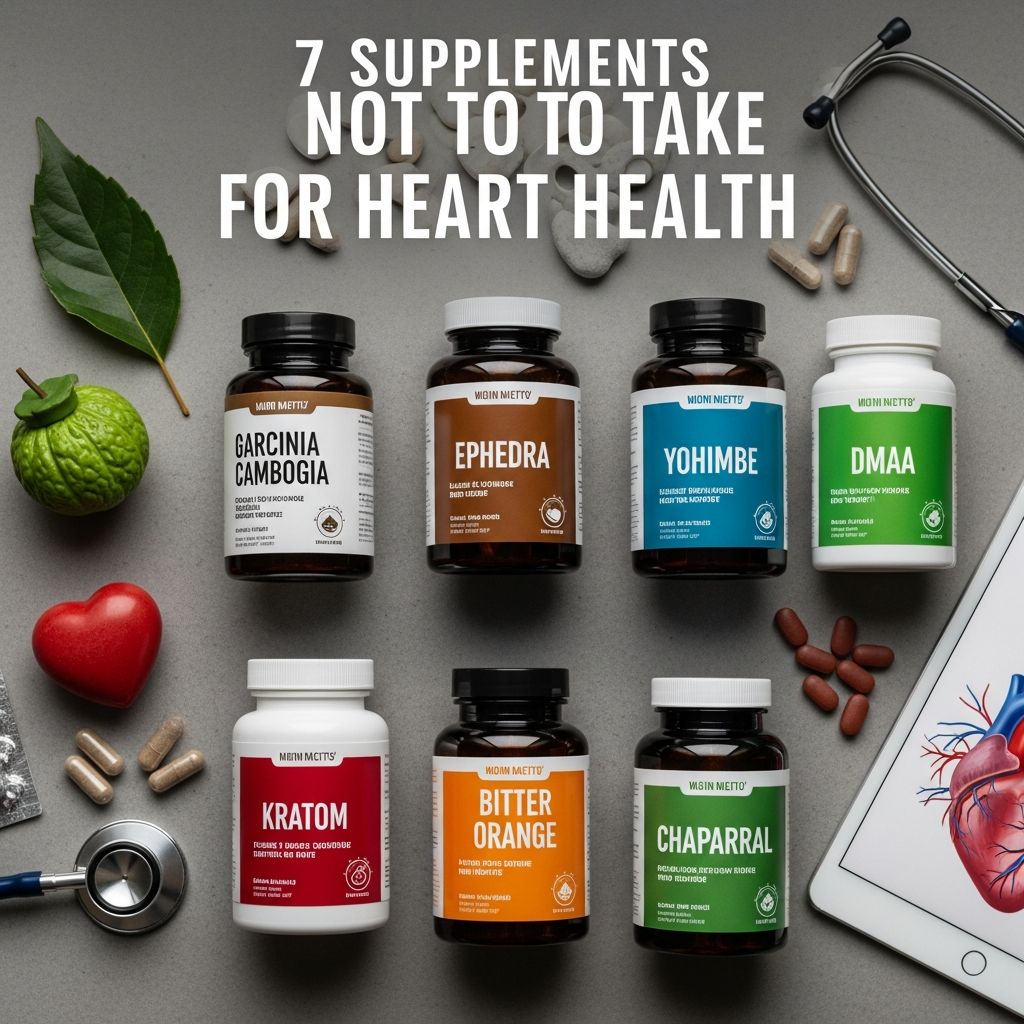
While supplements are often marketed as quick fixes for better health, not all are safe—especially for your heart. Registered dietitians warn that certain popular supplements can interact dangerously with heart medications, cause irregular heartbeats, or fail to deliver promised benefits. This article covers
seven supplements to avoid
for heart health, backed by expert insights and research, plus safer alternatives to support your cardiovascular system effectively.Maintaining heart health starts with a balanced diet rich in fruits, vegetables, whole grains, and lean proteins, regular exercise, and consulting healthcare providers before adding supplements—particularly if you’re on medications like blood thinners or blood pressure drugs.
What Makes Supplements Risky for Heart Health?
Supplements aren’t regulated as strictly as prescription drugs by the FDA, leading to variability in quality, dosage, and purity. Many interact with heart medications, such as warfarin (a blood thinner), digoxin (for heart rhythm), beta-blockers, calcium channel blockers, and statins. These interactions can lead to serious issues like excessive bleeding, dangerously low blood pressure, arrhythmias, or reduced drug efficacy.
Herbal supplements, in particular, can mimic or block drug effects because they contain active compounds that affect blood clotting, heart rate, or blood pressure. Even “natural” labels don’t guarantee safety. A Mayo Clinic review highlights that common herbs like St. John’s wort and danshen pose life-threatening risks when mixed with heart drugs.
- Key risks include: Increased bleeding, hypotension (low blood pressure), arrhythmias, and diminished medication effectiveness.
- Always disclose supplements to your doctor or pharmacist to avoid hidden dangers.
1. Coenzyme Q10 (CoQ10)
CoQ10 is popular for energy and heart failure support, but it can undermine heart treatments. It reduces warfarin’s anticoagulant effect, raising clot risk, and may excessively lower blood pressure when combined with antihypertensives.
Studies show CoQ10 depletes with statin use (which lower cholesterol), prompting some to supplement—but without medical guidance, it interferes more than helps. Dietitians recommend obtaining antioxidants from food instead.
2. Danshen
This traditional Chinese herb, used for circulation, amplifies bleeding risks with blood thinners like warfarin, clopidogrel, or aspirin. It also causes hypotension with calcium channel blockers like diltiazem and boosts digoxin’s effects, potentially triggering arrhythmias.
Danshen’s potent blood-thinning properties make it hazardous for anyone with heart conditions or on related meds. Safer circulation support comes from doctor-approved lifestyle changes.
3. Evening Primrose Oil
Known for skin and PMS relief, evening primrose increases bleeding risk when paired with anticoagulants such as aspirin, clopidogrel, or warfarin. Its gamma-linolenic acid affects platelet function, complicating heart patients’ clotting balance.
While omega-6 fatty acids have roles, this supplement’s risks outweigh benefits for heart health. Opt for balanced dietary fats from nuts and seeds.
4. Hawthorn
Hawthorn is touted for heart failure and blood pressure, but it interacts adversely with beta-blockers (e.g., atenolol), calcium channel blockers (e.g., nifedipine), nitrates, and digoxin—potentially causing excessive heart rate slowing or arrhythmias.
Related Stories



Its cardiac glycoside-like effects mimic digoxin, leading to overdose symptoms. Experts advise against it without supervision.
5. Licorice
Licorice root can decrease warfarin’s effectiveness and enhance digoxin’s toxicity, disrupting heart rhythm and clotting. Black licorice, high in glycyrrhizin, raises blood pressure by mimicking aldosterone, worsening hypertension—a major heart risk factor.
Limit to occasional use; deglycyrrhizinated licorice (DGL) is safer but still requires caution.
6. Saw Palmetto
Used for prostate health, saw palmetto heightens bleeding risks with blood thinners like aspirin, clopidogrel, or warfarin due to antiplatelet effects.
Heart patients, especially post-surgery or with stents, should avoid it to prevent hemorrhagic complications.
7. St. John’s Wort
This antidepressant herb induces liver enzymes, reducing efficacy of blood thinners (warfarin), digoxin, statins (e.g., atorvastatin), calcium channel blockers, and immunosuppressants.
Vitamin K in multivitamins can also counteract warfarin—another reason for caution with supplements. Its interactions make it unsuitable for heart medication users.
Safer Alternatives for Heart Health
Instead of risky supplements, focus on evidence-based strategies. While some like omega-3s (fish oil), magnesium, and fiber show promise, consult professionals first—especially since high doses or poor-quality products can harm.
| Supplement/Food | Potential Benefit | Evidence & Cautions |
|---|---|---|
| Omega-3s (fish, flaxseed) | Lowers triglycerides, anti-inflammatory | Supported by studies; avoid without antioxidants if oxidized. |
| Magnesium-rich foods (leafy greens, nuts) | Supports blood pressure, reduces calcification | Low levels predict heart risk; supplements if deficient. |
| Fiber (oats, beans) | Cholesterol-lowering, weight management | Effective with diet/exercise; choose non-laxative forms. |
| Green tea (3 cups/day) | Lowers LDL cholesterol | Prefer brew over extracts to avoid contamination. |
Avoid choline-heavy supplements, as elevated TMAO levels link to heart attacks and strokes. Whole foods provide balanced nutrients without excess risks.
Who Should Be Extra Cautious?
People on heart meds, with conditions like atrial fibrillation, hypertension, or post-heart event, face highest risks. Pregnant/breastfeeding individuals, elderly, and those with kidney/liver issues should also avoid unsupervised use. Manufacturing inconsistencies mean effects vary by brand.
Frequently Asked Questions (FAQs)
What supplements should I avoid if on blood thinners?
Avoid CoQ10, danshen, evening primrose, saw palmetto, licorice, and St. John’s wort, as they increase bleeding or reduce efficacy.
Can vitamins interfere with heart drugs?
Yes, vitamin K antagonizes warfarin; multivitamins need review.
Are herbal supplements safe for heart health?
No, many interact dangerously—always consult your doctor.
What if I’m not on medications?
Even without meds, high doses can cause arrhythmias or hypertension; prioritize diet.
How do I choose safe heart supplements?
Get tested for deficiencies, use USP-verified products, and discuss with a dietitian or MD.
Bottom Line: Prioritize Food and Professional Advice
Supplements can’t replace a heart-healthy lifestyle. The American Heart Association emphasizes diet (DASH or Mediterranean), exercise (150 min/week), no smoking, and weight management. If considering supplements, blood tests can identify true needs like low magnesium. Track symptoms like rapid heartbeat or dizziness, and report to your provider immediately.
Word count: 1,728 (including HTML tags).
References
- Herbal supplements and heart medicines may not mix — Mayo Clinic Staff. 2022-11-04. https://www.mayoclinic.org/healthy-lifestyle/consumer-health/in-depth/herbal-supplements/art-20046488
- 8 heart health supplements to take – and one to avoid — PeaceHealth. N/A. https://www.peacehealth.org/healthy-you/8-heart-health-supplements-take-and-one-avoid
- Vitamins and heart medication: which supplements should I avoid? — British Heart Foundation. N/A. https://www.bhf.org.uk/informationsupport/heart-matters-magazine/medical/ask-the-experts/heart-medication-vitamins
Similar Articles








Read full bio of medha deb