Supplements That Increase GLP-1 Naturally: 5 Essential Boosters
Discover natural supplements and strategies to boost GLP-1 levels for better blood sugar control, appetite regulation, and weight management.
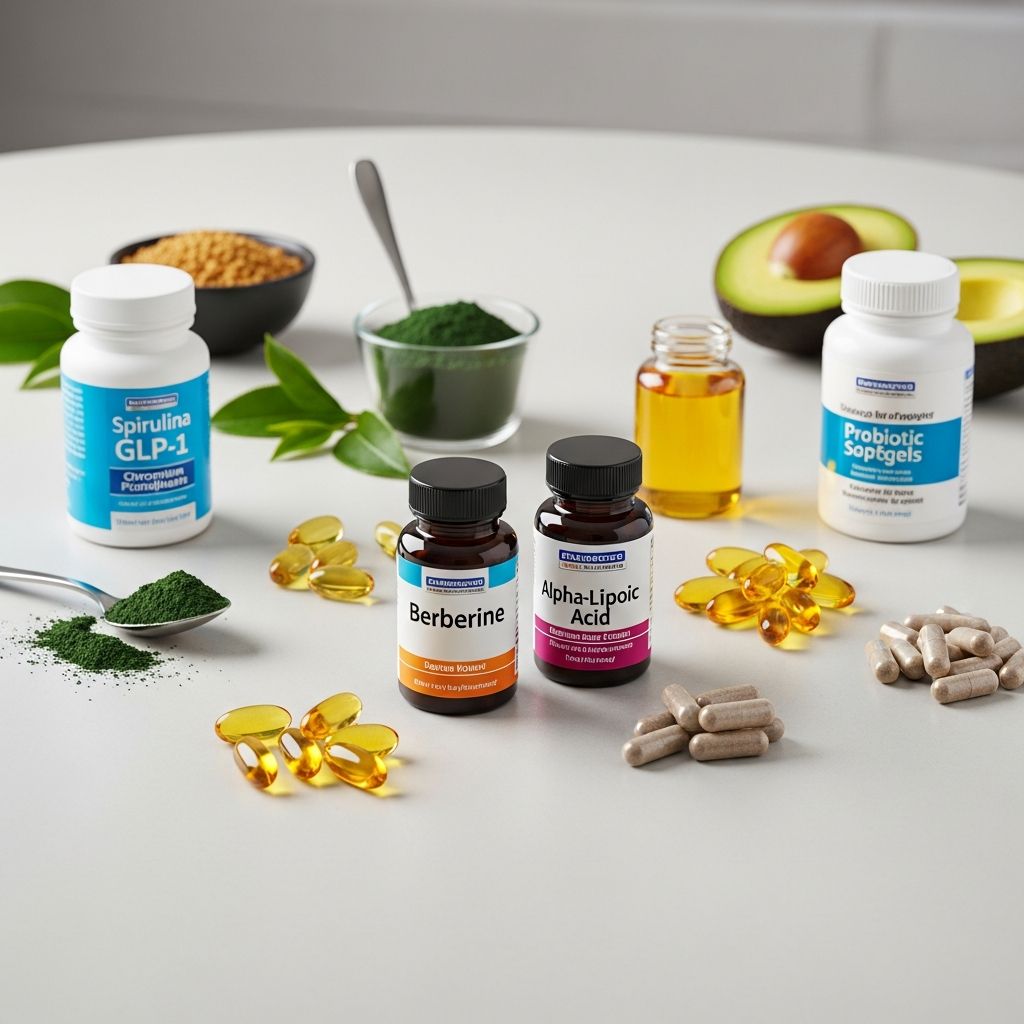
Glucagon-like peptide-1 (GLP-1) is a hormone produced in the gut that plays a crucial role in regulating blood sugar levels, promoting feelings of fullness, and supporting weight management. While GLP-1 receptor agonists like semaglutide are popular medications for obesity and diabetes, natural supplements can help boost your body’s own GLP-1 production. These supplements offer a gentler, side-effect-free approach to enhancing metabolic health, particularly for those with insulin resistance, PCOS, or on calorie-restricted diets.
What Is GLP-1 and Why Boost It Naturally?
GLP-1 is released in response to food intake, slowing digestion, reducing appetite, and stimulating insulin secretion to maintain stable blood sugar. Naturally stimulating GLP-1 provides benefits like improved satiety, better glucose control, and reduced inflammation without the high costs or gastrointestinal side effects of medications. Studies show GLP-1 medications achieve 5-18% weight loss, but natural boosters support similar pathways at lower potency while addressing nutritional gaps from reduced calorie intake.
People on weight loss diets or GLP-1 therapies often face shortfalls in vitamins A, C, D, E, K, calcium, magnesium, and B12 due to 16-39% fewer calories consumed. Prioritizing supplements helps prevent deficiencies, supports muscle and bone health, and enhances GLP-1 activity.
Top Supplements That Increase GLP-1
Several supplements have been shown to stimulate GLP-1 release or mimic its effects. Here’s a breakdown of the most effective ones, backed by research:
- Fiber Supplements (e.g., Soluble Fiber like Psyllium or Inulin): Certain fibers naturally stimulate GLP-1 secretion in the gut, promoting fullness and healthy digestion. Products like HUM Nutrition’s Flatter Me Fiber GLP-1 Booster use fiber to support blood sugar balance and reduce cravings, especially beneficial for PCOS.
- Berberine: This plant compound improves insulin sensitivity and boosts GLP-1 levels, targeting metabolic issues like those in PCOS. HUM’s Best of Berberine is highlighted for reducing inflammation and supporting hormone balance.
- Probiotics and Prebiotics: These nurture gut health, where GLP-1 is produced. Fermented foods and supplements enhance GLP-1 activity by fostering a healthy microbiome.
- Magnesium and Multivitamins: Essential for those on GLP-1 therapies or diets; magnesium supports energy production and nerve function, while multivitamins fill common nutrient gaps.
- Vitamin D, Calcium, and B12: Critical for bone health, mood, and energy; deficiencies are common in weight loss scenarios.
| Supplement | Key Benefits for GLP-1 | Recommended Sources | Daily Dose Example |
|---|---|---|---|
| Fiber | Stimulates gut GLP-1 release, fullness | Chia seeds, psyllium, inulin | 5-10g soluble fiber |
| Berberine | Insulin sensitivity, hormone balance | Goldenseal, barberry extracts | 500mg 2-3x/day |
| Probiotics | Gut health, GLP-1 production | Yogurt, kefir, supplements | 10-20 billion CFUs |
| Magnesium | Nutrient support on diets | Nuts, supplements | 300-400mg |
| Vitamin B12 | Energy, mood support | Multivitamins, fortified foods | 2.4mcg |
Foods That Naturally Boost GLP-1
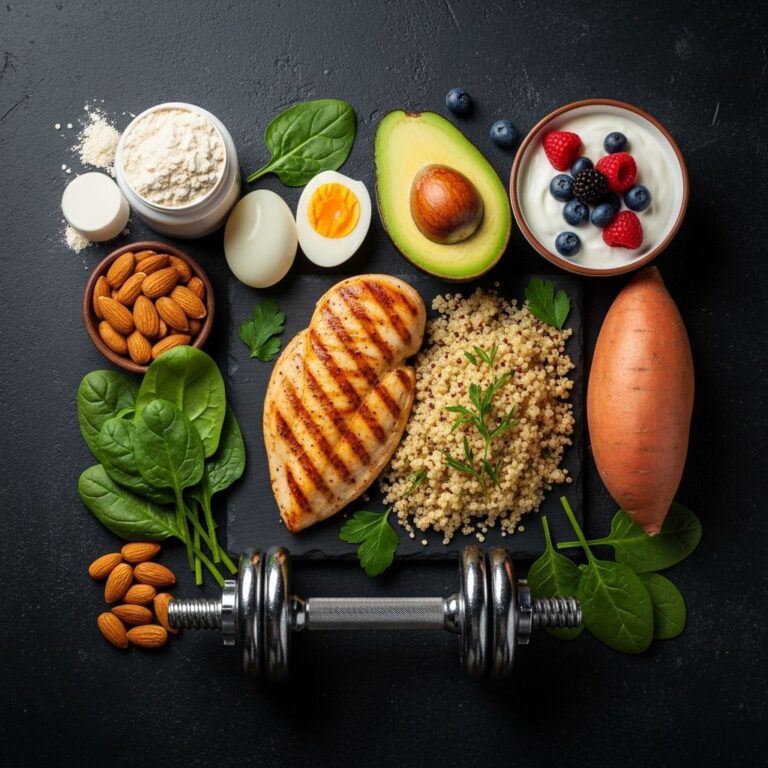
Diet is a powerful way to activate GLP-1. Eating protein and/or fat with fiber before carbs maximizes secretion. Focus on nutrient-dense whole foods:
- Protein-Rich Foods: Lean meats, poultry, fish, eggs, yogurt, beans, nuts. Protein promotes GLP-1 release and satiety.
- Fiber-Rich Foods: Oats, barley, legumes (beans, lentils), vegetables (artichokes, brussels sprouts, carrots), fruits (apples, pears, avocados), seeds (chia, flax).
- Fermented Foods: Yogurt, kefir, sauerkraut, kimchi, miso, tempeh for probiotics.
- Dark Chocolate: 70%+ cacao (1 oz/day) provides flavanols that support GLP-1 activity.
Practical tips: Front-load protein and veggies, eat within a 12-hour window, and space meals 3-4 hours apart. This enhances GLP-1 response and prevents blood sugar spikes.
Lifestyle Habits to Enhance GLP-1 Levels
Supplements work best alongside habits that amplify GLP-1:
- Exercise: Moderate-to-high intensity aerobic and resistance training boosts GLP-1 regardless of type. Consistency is key.
- Sleep Quality: Poor sleep delays GLP-1 peaks; aim for 7-9 hours to regulate appetite.
- Meal Timing: First meal 1-2 hours after waking, no eating 2 hours before bed.
- Stress Management: Reduces insulin resistance, supporting GLP-1 function, especially in PCOS.
GLP-1 Boosters for Specific Conditions Like PCOS
For women with PCOS, GLP-1 imbalances exacerbate insulin resistance, weight gain, and hormone disruptions. Fiber and berberine supplements address these by stimulating GLP-1, balancing blood sugar, and reducing inflammation. Combine with a diet rich in veggies, proteins, and fats for optimal results.
Related Stories



Nutritional Support for GLP-1 Medications or Diets
GLP-1 therapies cause 5-18% weight loss but risk muscle loss, bone density reduction, and deficiencies. Use multivitamin packs like Nature Made’s GLP-1 Companion (with magnesium, B12, calcium+D3) to provide 22 key nutrients. Tailor to needs: vitamin D for immunity, B12 for energy.
Potential Side Effects and Precautions
Natural boosters are generally safe but start low to avoid GI upset from fiber. Consult a doctor if on medications, pregnant, or with conditions like PCOS. Medications have higher potency but more side effects; natural methods offer sustainable benefits.
Frequently Asked Questions (FAQs)
What are the best supplements to increase GLP-1 naturally?
Fiber, berberine, probiotics, magnesium, and multivitamins top the list for stimulating GLP-1 and filling dietary gaps.
Can food boost GLP-1 levels?
Yes, protein, fiber-rich foods, fermented items, and dark chocolate naturally enhance GLP-1 secretion.
Is boosting GLP-1 helpful for PCOS?
Absolutely; it tackles insulin resistance, inflammation, and weight issues common in PCOS.
How does exercise affect GLP-1?
Moderate and high-intensity workouts elevate GLP-1 levels, aiding appetite control.
Should I take supplements if on GLP-1 meds?
Yes, to prevent deficiencies from calorie reduction; focus on vitamins D, B12, calcium, magnesium.
What’s the difference between natural GLP-1 boosters and medications?
Natural methods are lower potency but side-effect-free; meds offer stronger effects with potential GI issues.
This comprehensive guide empowers you to naturally optimize GLP-1 for better health. Always personalize with professional advice.
References
- GLP-1 Companion Health Pack — Nature Made. 2024. https://www.naturemade.com/products/glp-1-companion-health-pack
- How This Natural GLP-1-Boosting Supplement Can Help With PCOS — HUM Nutrition. 2024. https://www.humnutrition.com/blog/pcos-2/
- How to activate GLP-1 naturally — Ohio State Health & Discovery. 2024. https://health.osu.edu/wellness/exercise-and-nutrition/activiating-glp-1-naturally
- Nutritional Priorities to Support GLP-1 Therapy for Obesity — PMC (PubMed Central). 2024. https://pmc.ncbi.nlm.nih.gov/articles/PMC12125019/
Similar Articles








Read full bio of medha deb