Supplements To Avoid Taking With Coffee: 9 To Time Correctly
Discover which supplements don't mix well with your morning coffee and why timing matters for optimal absorption and health benefits.
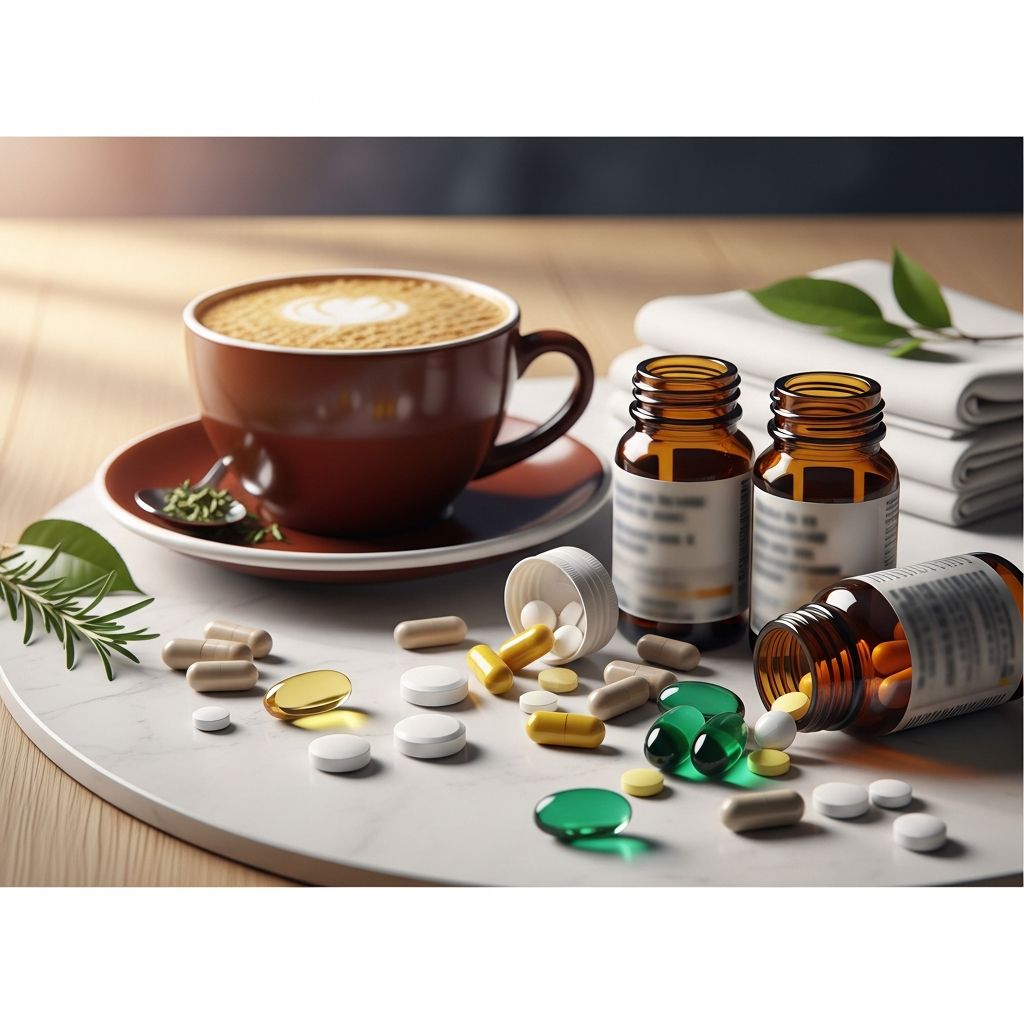
Coffee is a daily ritual for millions, delivering caffeine’s energizing boost alongside antioxidants. However, its compounds like chlorogenic acid, tannins, and caffeine can bind to certain nutrients or speed digestion, reducing supplement absorption by up to 80% in some cases. This article details nine supplements that interact negatively with coffee, backed by scientific evidence, plus expert tips for optimal timing.
1. Iron Supplements
**Iron absorption drops dramatically with coffee.** Polyphenols and tannins in coffee form complexes with non-heme iron (from plant sources or supplements), inhibiting uptake in the intestines. A study showed coffee reduces iron absorption by 39-90% when consumed together.
- Why it matters: Essential for oxygen transport, energy, and preventing anemia—especially for women, vegetarians, and athletes.
- How to time it: Take iron 1 hour before or 2 hours after coffee. Pair with vitamin C-rich foods for better uptake.
- Pro tip: Opt for ferrous bisglycinate form, gentler on the stomach.
2. Calcium Supplements
Coffee’s caffeine acts as a mild diuretic, increasing urinary calcium excretion by 3mg per 100mg caffeine—potentially weakening bones over time. One cup (95mg caffeine) could leach meaningful amounts from those with low intake.
- Risk factors: Postmenopausal women and older adults are most vulnerable to bone density loss.
- Better timing: Separate by at least 1 hour. Whole food sources like dairy or fortified plant milks absorb better anyway.
- Calcium types: Citrate absorbs independently of stomach acid; carbonate needs food.
3. Magnesium Supplements
Caffeine boosts urinary magnesium loss, counteracting supplements meant for muscle relaxation, sleep, or migraine prevention. Regular coffee drinkers excrete 10-15% more magnesium.
- Symptoms of deficiency: Muscle cramps, fatigue, irregular heartbeat.
- Optimal protocol: Take magnesium at night, away from morning coffee. Glycinate or threonate forms cross blood-brain barrier effectively.
- Daily needs: 310-420mg for adults; coffee habit may increase requirements.
4. B Vitamins (B1, B6, B12)
Caffeine accelerates stomach emptying, reducing time for water-soluble B vitamins to absorb in the small intestine. B12 deficiency risks nerve damage and fatigue; coffee exacerbates this in 15-20% of users.
- Most affected: B1 (thiamine) for energy metabolism; B6 for mood; B12 for vegans.
- Solution: Take B-complex mid-morning or with lunch, 2+ hours post-coffee.
- Food synergy: Pair with leafy greens or eggs for natural boost.
5. Vitamin D Supplements
Though less studied, caffeine may interfere with vitamin D receptor activity and increase its breakdown. Low D levels link to fatigue, immunity issues—compounded by indoor coffee routines.
- Prevalence: 40% of adults deficient; coffee drinkers average 10% lower levels.
- Timing hack: Take with fatty meal in evening; D is fat-soluble.
- Test first: Blood levels guide dosing (aim 30-50 ng/mL).
6. Zinc Supplements
Coffee’s polyphenols chelate zinc, slashing absorption by 50%. Zinc supports immunity, skin, and testosterone; poor uptake risks frequent colds or slow healing.
- High-risk groups: Vegetarians, elderly, those with gut issues.
- Separate by: 2 hours. Take zinc picolinate or gluconate on empty stomach.
- Balance copper: Long-term zinc needs 1-2mg copper daily.
Related Stories



7. Thyroid Medications (Levothyroxine)
Coffee speeds gastric emptying, reducing levothyroxine absorption by 25-57%. Inconsistent levels risk hypothyroidism symptoms like weight gain, fatigue.
- Strict rule: 60 minutes before coffee or food. Take first thing AM.
- Monitor TSH: Annual bloodwork essential.
- Alternatives: Switch to Tirosint (gel cap) less affected by coffee.
8. Multivitamins
Multis pack iron, calcium, zinc— all coffee-blocked. Overall nutrient uptake falls 20-40%; wasteful and ineffective.
- Smarter approach: Split doses or choose coffee-friendly formulas without iron/calcium.
- Evening dosing: Better for fat-solubles (A,D,E,K).
9. Curcumin (Turmeric Supplements)
Coffee’s acidity and caffeine hinder curcumin’s poor bioavailability further. Anti-inflammatory benefits drop; pair with piperine instead.
- Boost absorption: Black pepper + fat, away from coffee.
- Dose: 500-2000mg curcuminoids daily.
General Guidelines for Supplement Timing With Coffee
| Supplement | Wait Time Before Coffee | Wait Time After Coffee | Best Time of Day |
|---|---|---|---|
| Iron | 1 hour | 2 hours | Morning, empty stomach |
| Calcium/Magnesium | 1 hour | 1 hour | Evening |
| B Vitamins | 2 hours | 2 hours | Midday |
| Thyroid Meds | 60 min | N/A | First thing AM |
| Others (Zinc, D, etc.) | 2 hours | 2 hours | With meals |
Individual factors like genetics influence caffeine metabolism—slow metabolizers feel effects longer, amplifying interactions. Hydrate well; coffee’s diuretic effect is minimal at <400mg/day but compounds losses.
Who Should Be Most Cautious?
- Athletes: Higher caffeine tolerance but sweat losses amplify mineral needs.
- Pregnant/Breastfeeding: Limit caffeine to 200mg; monitor iron/folate.
- Seniors: Reduced absorption + medications heighten risks.
- Gut issues (IBS, low acid): Slower motility worsens timing problems.
Benefits of Coffee Despite Interactions
Coffee offers antioxidants, reduced diabetes risk, and cognitive perks—don’t quit, just time supplements. FDA deems 400mg safe for healthy adults.
Frequently Asked Questions (FAQs)
What if I can’t avoid taking supplements with coffee?
Opt for lower-interaction forms (e.g., liposomal iron) or increase doses 20-50%—but consult a doctor to avoid overload.
Does decaf coffee have the same issues?
Yes, polyphenols/tannins remain; decaf still inhibits iron/calcium by 30-60%.
How much coffee is too much with supplements?
>2 cups (200mg caffeine) amplifies effects; stick to 1 cup pre-supplements.
Tea or energy drinks—same problems?
Yes, similar tannins/caffeine; green tea milder but still reduces iron 60%.
Should I stop coffee entirely?
No—benefits outweigh risks with proper timing. Track symptoms and test nutrient levels.
References
- Common questions and misconceptions about caffeine supplementation: what does the scientific evidence really show? — PMC/NCBI. 2024-03-05. https://pmc.ncbi.nlm.nih.gov/articles/PMC10930107/
Similar Articles








Read full bio of Sneha Tete