Supplements To Avoid With Diabetes: 7 Harmful Interactions
Discover which supplements can interfere with diabetes management and medications.
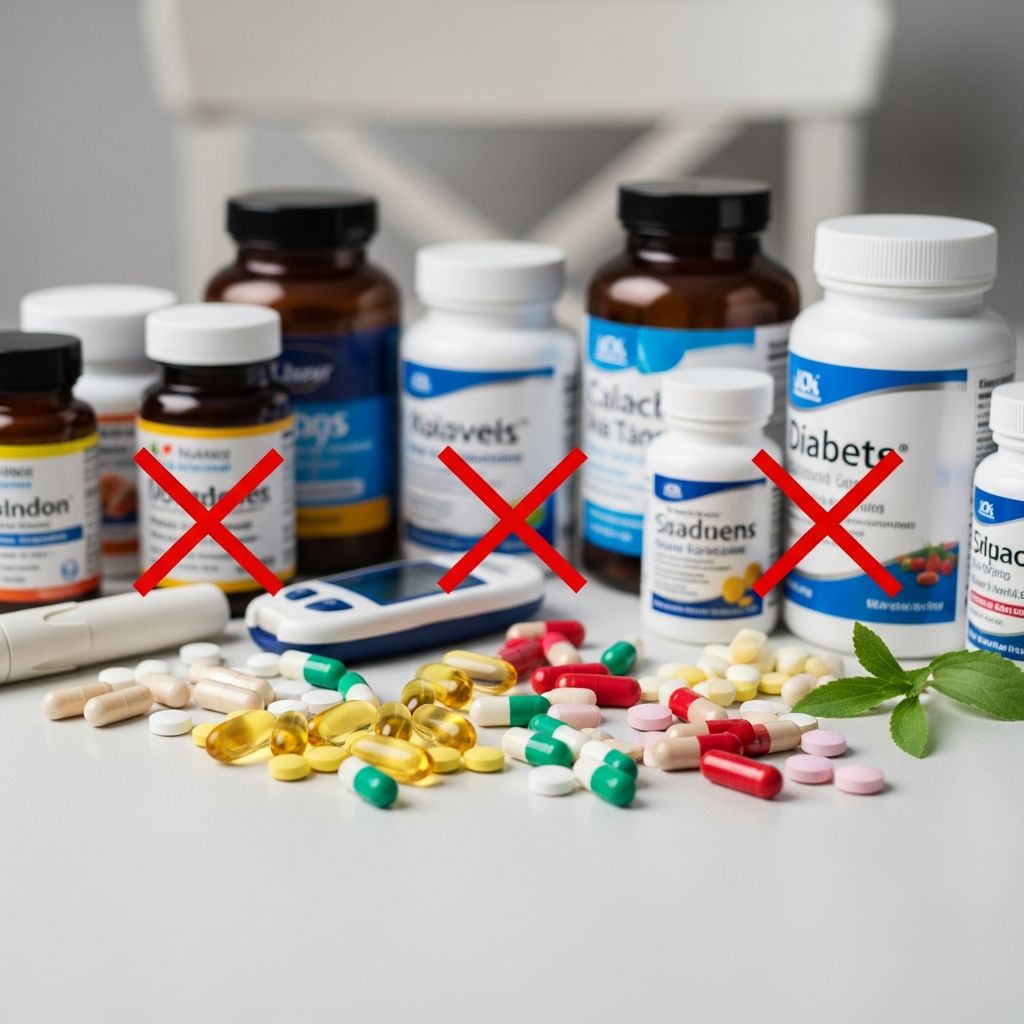
Supplements to Avoid With Diabetes: A Comprehensive Guide
Managing diabetes requires careful attention to diet, medication, and lifestyle choices. While many people turn to dietary supplements hoping to improve their health or support blood sugar control, not all supplements are safe for those living with diabetes. Some can raise blood glucose levels, interfere with the effectiveness of diabetes medications, or cause dangerous interactions. Understanding which supplements to avoid is essential for maintaining optimal health and preventing complications.
According to the American Diabetes Association, supplements are not proven as an effective option for lowering blood glucose or supporting diabetes management. This makes it even more important for people with diabetes to carefully evaluate any supplement they consider taking and consult with their healthcare provider before starting anything new.
Why Supplements Can Be Problematic for People With Diabetes
Dietary supplements can interact with diabetes medications in several ways. Some supplements may enhance the effects of medications, leading to dangerously low blood sugar (hypoglycemia). Others may reduce medication effectiveness, causing blood glucose levels to rise uncontrollably. Additionally, certain supplements contain ingredients that directly affect blood sugar metabolism or interfere with how your body processes insulin.
The challenge is that many supplements are marketed as “natural” remedies for blood sugar control, creating a false sense of safety. However, natural does not always mean safe, especially for individuals managing a chronic condition like diabetes who are taking multiple medications.
Key Supplements to Avoid
1. Niacin (Vitamin B3)
Niacin, also known as vitamin B3, is commonly used to help lower cholesterol levels. However, studies have shown that high doses of niacin—1,500 mg per day or more—can significantly raise blood glucose levels. This makes it a particularly problematic supplement for people with diabetes trying to maintain stable blood sugar levels.
Researchers believe niacin raises blood glucose because it makes your body less sensitive to insulin, reducing the hormone’s effectiveness. While the exact mechanism isn’t completely understood, the evidence is clear enough that healthcare professionals recommend avoiding niacin supplements without medical supervision. If you’re considering niacin for cholesterol management, discuss lower-dose options or alternative treatments with your healthcare provider.
2. St. John’s Wort
St. John’s Wort is a popular herbal supplement used to treat mild depression and mood-related issues. However, it can significantly interfere with diabetes medications, making them less effective. The supplement is known to interact with several diabetes drug classes, including sulfonylureas, thiazolidinediones, and DPP-4 inhibitors like Januvia.
Additionally, those taking metformin should avoid St. John’s Wort, as studies suggest the supplement can cause a buildup of metformin in the body, leading to excessive insulin release and affecting glucose levels. St. John’s Wort also shares similar blood-thinning concerns as vitamin E, particularly when combined with medications like warfarin.
Related Stories



3. Ginkgo Biloba
Ginkgo biloba is widely used to address various health concerns, including dementia, anxiety, and tinnitus (ringing in the ears). However, research has found that ginkgo biloba can raise blood glucose levels in people who take oral diabetes medications. While the exact mechanism isn’t fully understood, researchers suspect that ginkgo biloba causes the liver to break down insulin faster than normal.
If you’re currently using ginkgo biloba or considering it, monitor your blood glucose more frequently and watch for symptoms of high blood sugar. Consult your healthcare provider before starting this supplement.
4. Ginseng
While ginseng is popular for its potential to lower blood sugar, this property creates a significant risk for people with diabetes. Ginseng can amplify the effects of diabetes medications, potentially leading to hypoglycemia (dangerously low blood sugar). Frequent episodes of low blood sugar can be seriously dangerous and require immediate treatment.
If you’re interested in ginseng for other health benefits, discuss appropriate dosing with your healthcare provider and commit to more frequent blood glucose monitoring. The research on ginseng’s benefits remains inconclusive, making it a supplement worth avoiding unless specifically recommended by your doctor.
5. Chromium
Chromium is a mineral that some people believe can improve insulin sensitivity and glucose metabolism. However, the American Diabetes Association and National Institute of Health recommend avoiding chromium supplements if you take insulin, metformin, or other diabetes medications due to the increased risk of hypoglycemia. Additionally, high doses of chromium can cause gastrointestinal issues and kidney damage.
While chromium is naturally found in whole grains, fruits, and vegetables, supplemental forms present unnecessary risks for people with diabetes. Obtain this mineral through your regular diet rather than supplements.
6. Vitamin E
Vitamin E is known for its antioxidant properties and is a popular dietary supplement. While obtaining vitamin E through natural sources like nuts and leafy greens is safe, supplemental forms warrant caution for people with diabetes. This is particularly important if you take blood thinners like warfarin, as vitamin E can increase bleeding risk.
Since people with diabetes are 2-4 times more likely to develop heart disease—a condition often treated with blood thinners—the combination of vitamin E supplements and blood thinning medications becomes even more problematic.
7. Cinnamon Supplements
Cinnamon is often marketed as a natural blood sugar reducer, creating appeal for people with diabetes. However, cassia cinnamon, the type commonly used in supplements, contains coumarin, which in high amounts can harm the liver. Additionally, the effects of cinnamon supplements on blood sugar are inconsistent and unpredictable.
The supplement may interact with diabetes medications in unpredictable ways, and research hasn’t established clear benefits for blood sugar control. It’s best to use cinnamon as a flavoring in food rather than taking it as a supplement.
Supplements That May Lower Blood Sugar Too Much
Beyond the supplements that directly interfere with medications, several others can lower blood glucose levels independently or amplify medication effects. These include:
- Aloe vera – Can lower blood glucose and interact with diabetes medications
- Alpha-lipoic acid – May increase insulin sensitivity and lower blood sugar
- Fenugreek – Contains compounds that may reduce blood glucose
- Gymnema – May enhance insulin secretion and lower blood sugar
If you’re currently taking any of these supplements, monitor your blood glucose more frequently and inform your healthcare provider immediately if you notice patterns of low blood sugar.
Common Diabetes Medications and Their Interactions
Understanding which medications you take helps you identify problematic supplements. Common diabetes drug classes include:
- Glucagon-like peptide-1 (GLP-1) agonists – such as Ozempic (semaglutide)
- Sodium-glucose cotransporter-2 (SGLT2) inhibitors – such as Jardiance (empagliflozin)
- Sulfonylureas – such as glipizide
- Thiazolidinediones – such as Actos
- DDP-4 inhibitors (gliptins) – such as Januvia
- Metformin – the most commonly prescribed diabetes medication
- Insulin – available in multiple formulations
Different supplements interact with different medication classes, making it crucial to review each supplement’s specific interactions with your particular medications.
Best Practices for Supplement Safety With Diabetes
Consult Your Healthcare Provider
Always consult a healthcare professional before starting any new supplement. They can review your current medications, assess your individual risk factors, and determine which supplements are safe and appropriate for your specific needs. This conversation should include prescription medications, over-the-counter drugs, and any supplements you’re already taking.
Read Labels Carefully
Be aware that some supplements, particularly gummy vitamins or liquid formulations, may contain added sugars that can negatively impact blood sugar levels. Always read ingredient lists thoroughly and ask your pharmacist about sugar content.
Prioritize Whole Foods
It’s generally advisable to obtain essential nutrients from a balanced diet rather than relying on supplements unless directed otherwise by a healthcare provider. Whole foods provide nutrients in their natural context, with appropriate proportions and fewer risks of interaction. Focus on eating nutrient-rich vegetables, lean proteins, whole grains, and healthy fats.
Monitor Your Blood Glucose
If you do start a new supplement despite recommendations against it, keep a close eye on your blood sugar levels to detect potential changes or adverse effects. Using a continuous glucose monitor (CGM) can help you track your glucose levels around the clock. Share this data with your healthcare provider regularly.
Keep Fast-Acting Sugar Available
Keep a fast-acting sugar source on standby in case you start experiencing symptoms of hypoglycemia (low blood sugar) like rapid heartbeat, dizziness, or hunger. Glucose tablets, fruit juice, or regular soda can help quickly raise blood sugar in emergency situations.
Safer Supplement Alternatives
While many supplements should be avoided, some may support overall health without significantly interfering with diabetes management. Omega-3 fatty acids, for example, receive excellent reviews for cardiovascular health, which is particularly important for people with diabetes. However, even with supplements considered “safer,” obtain approval from your healthcare provider first.
The Bottom Line
While supplements can play a role in supporting overall health, people with diabetes must be extremely cautious about the supplements they choose. The five to seven supplements mentioned above—niacin, St. John’s Wort, ginkgo biloba, ginseng, chromium, vitamin E, and cinnamon—all have the potential to interfere with blood sugar control or interact with diabetes medications in harmful ways.
Supplements should never replace medical treatment or prescribed diabetes medications. Instead, focus on maintaining a balanced diet, taking medications as prescribed, exercising regularly, and working closely with your healthcare team. If you’re interested in supplements for any reason, have that conversation with your doctor or registered dietitian first. They can help you navigate the complicated landscape of supplements and make choices that truly support your health rather than undermine your diabetes management efforts.
Frequently Asked Questions
Q: Can I take any supplements if I have diabetes?
A: Some supplements may be safe with proper medical supervision, but the American Diabetes Association states that supplements are not proven effective for blood glucose management. Always consult your healthcare provider before starting any new supplement, as individual circumstances vary based on your medications and health status.
Q: What should I do if I’m already taking one of these supplements?
A: Don’t stop taking supplements abruptly without consulting your healthcare provider. Instead, schedule an appointment to discuss your current supplements, review potential interactions, and develop a plan to discontinue them safely if recommended. They may adjust your diabetes medications during the transition.
Q: Are there supplements that can help lower blood sugar safely?
A: Research on supplement effectiveness for blood sugar control remains limited and inconclusive. Rather than relying on supplements, focus on evidence-based approaches: maintaining a healthy diet, regular physical activity, stress management, and taking prescribed medications exactly as directed by your healthcare provider.
Q: How often should I monitor my blood glucose if I take supplements?
A: The frequency depends on your diabetes type and treatment plan. If you’re considering or taking a supplement despite medical advice, monitor more frequently than usual—potentially multiple times daily. Discuss appropriate monitoring with your healthcare provider and consider using a continuous glucose monitor for comprehensive data.
Q: Can natural supplements be harmful?
A: Yes, absolutely. “Natural” doesn’t mean safe, especially for people managing chronic conditions like diabetes. Many natural supplements contain potent active compounds that can interfere with medications or directly affect blood sugar metabolism. The regulatory requirements for supplements are less stringent than for medications, making safety evaluation more challenging.
References
- 9 Supplements People With Diabetes Should Avoid — GoodRx. https://www.goodrx.com/conditions/diabetes/vitamins-diabetics-should-not-take
- 5 Supplements to be Cautious About If You Have Diabetes — Healthy Eating 4U. https://healthyeating4u.com/uncategorized/supplements-to-avoid-with-diabetes/
- 5 Supplements People With Diabetes Should Avoid — diaTribe. https://diatribe.org/diet-and-nutrition/5-supplements-people-diabetes-should-avoid
- Diabetes and Dietary Supplements: What You Need To Know — National Center for Complementary and Integrative Health (NCCIH). https://www.nccih.nih.gov/health/diabetes-and-dietary-supplements-what-you-need-to-know
- Vitamins, Minerals, and Supplements — American Diabetes Association. https://diabetes.org/food-nutrition/diabetes-vitamins-supplements
Similar Articles








Read full bio of Sneha Tete