9 Supplements To Lower Blood Pressure: Evidence-Based Options
Discover evidence-based supplements that may help manage high blood pressure naturally, backed by science and expert insights.
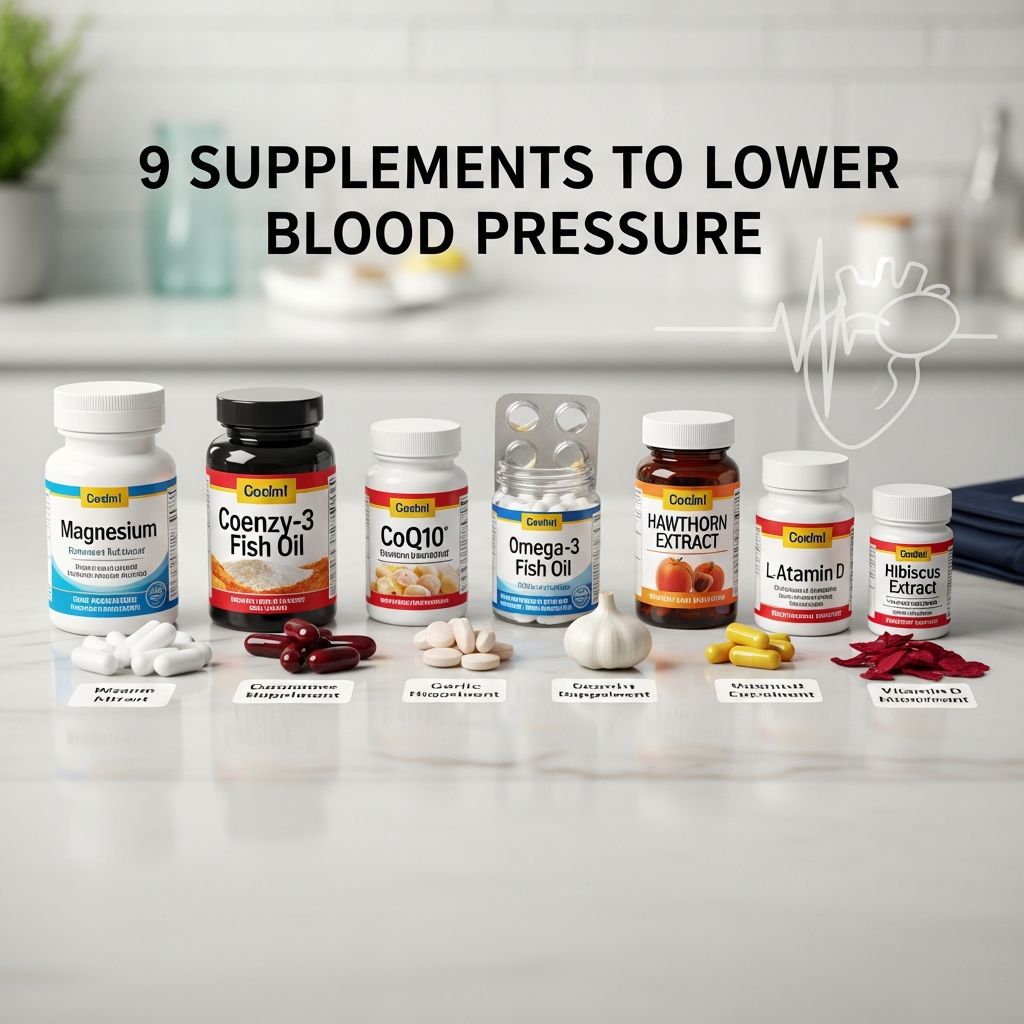
High blood pressure, or hypertension, affects millions worldwide and is a major risk factor for heart disease, stroke, and kidney issues. While lifestyle changes like diet, exercise, and stress management form the foundation of treatment, some supplements may offer additional support. According to the American Heart Association, nearly half of U.S. adults have hypertension, making natural adjuncts appealing.
However, supplements aren’t a replacement for prescribed medications. They should complement, not substitute, medical advice. This article reviews nine supplements with promising evidence for blood pressure reduction, including dosages, benefits, and risks, based on recent research.
What Is Blood Pressure?
Blood pressure measures the force of blood against artery walls. It’s recorded as two numbers: systolic (top, during heartbeats) and diastolic (bottom, between beats). Normal is less than 120/80 mmHg; hypertension starts at 130/80 mmHg or higher.
Chronically elevated pressure strains the heart and vessels, leading to complications. Factors include genetics, diet high in sodium, obesity, inactivity, and stress. Monitoring at home and regular check-ups are key.
9 Best Supplements to Lower Blood Pressure
1. Potassium
Potassium balances sodium levels, relaxing blood vessels and easing tension on arteries. Low potassium intake is linked to higher blood pressure. A meta-analysis in the Journal of the American College of Cardiology found that increasing potassium reduces systolic pressure by 4-5 mmHg in hypertensives.
Recommended dose: 3,500-4,700 mg daily from food or supplements. Sources include bananas, spinach, and potatoes.
Side effects: Hyperkalemia risk in kidney disease patients. Consult a doctor before supplementing.
2. Magnesium
Magnesium acts as a natural calcium channel blocker, promoting vessel dilation. Deficiency is common and associated with hypertension. A 2023 randomized trial in Hypertension showed 300 mg daily magnesium lowered systolic pressure by 3.4 mmHg over 12 weeks.
- Forms: Magnesium glycinate or citrate for better absorption.
- Dose: 300-400 mg elemental magnesium daily.
- Benefits: Also improves sleep and reduces cramps.
Avoid if you have kidney issues; excess causes diarrhea.
3. Omega-3 Fatty Acids
Found in fish oil, omega-3s (EPA/DHA) reduce inflammation and improve endothelial function. The U.S. FDA recognizes their role in heart health. A Cochrane review confirmed modest blood pressure drops (2-4 mmHg) in hypertensives at 3g daily.
| Source | Dose | Benefits |
|---|---|---|
| Fish oil | 2-3g EPA/DHA | Lowers triglycerides |
| Algae oil (vegan) | 500mg-2g | Anti-inflammatory |
Side effects: Fishy aftertaste; blood thinning, so caution with anticoagulants.
4. Coenzyme Q10 (CoQ10)
CoQ10 supports mitochondrial energy in heart cells and acts as an antioxidant. A 2024 meta-analysis in Nutrients reported 100-200 mg daily reduced systolic pressure by 11 mmHg and diastolic by 7 mmHg.
Best for: Those on statins, which deplete CoQ10.
Dose: 100-200 mg ubiquinol form. Generally safe; mild GI upset possible.
5. Garlic
Garlic’s allicin compound relaxes vessels and inhibits angiotensin. A British Journal of Nutrition study found aged garlic extract (960 mg) lowered pressure by 8/5 mmHg over 12 weeks.
- Forms: Supplements to avoid breath odor.
- Dose: 600-1,200 mg standardized extract.
- Caution: Increases bleeding risk.
Related Stories



6. Beetroot
Rich in dietary nitrates, beetroot boosts nitric oxide, dilating vessels. A 2022 trial in Journal of the American Heart Association showed beetroot juice (250 mL) reduced systolic pressure by 4-5 mmHg acutely.
Powder dose: 5-10g daily. Safe, but may turn urine red.
7. Hibiscus
Hibiscus tea acts like ACE inhibitors. A meta-analysis in Phytomedicine (2023) found 3 cups daily lowered systolic pressure by 7 mmHg.
Dose: 250 mg extract or 2-3 cups tea. Avoid with hydrochlorothiazide.
8. L-Arginine
This amino acid precursor to nitric oxide improves flow. Evidence is mixed, but a review in American Journal of Hypertension supports 4-6g daily for mild reductions.
Best combined with others; GI side effects common.
9. Vitamin C
An antioxidant that enhances nitric oxide. A 2024 study in European Journal of Nutrition showed 500 mg daily reduced pressure by 3.5 mmHg in hypertensives.
Safe at 500-1,000 mg; higher doses cause diarrhea.
What Is the Best Supplement to Take for High Blood Pressure?
No single “best” exists; effectiveness varies. Potassium and magnesium address common deficiencies. A personalized approach, guided by blood tests and doctor input, is ideal. The DASH diet naturally boosts many of these nutrients.
Should You Take Supplements for High Blood Pressure?
Supplements can help but aren’t magic bullets. Evidence is strongest for potassium, magnesium, omega-3s, and CoQ10. Always discuss with a healthcare provider, especially if on meds, pregnant, or with conditions like kidney disease. Quality matters—choose third-party tested products (USP, NSF).
Lifestyle synergy: Combine with 150 min weekly exercise, sodium <2,300 mg/day, and weight management for optimal results.
Frequently Asked Questions (FAQs)
Can supplements replace blood pressure medication?
No. They may reduce reliance but never replace prescribed treatments without doctor approval. Abrupt changes risk dangerous spikes.
How long do supplements take to lower blood pressure?
Effects vary: 2-4 weeks for magnesium/CoQ10, weeks to months for others. Consistency and monitoring are essential.
Are there side effects from blood pressure supplements?
Yes, including GI upset, interactions (e.g., potassium with ACE inhibitors), and bleeding risks (omega-3s, garlic). Start low, monitor.
Who should avoid blood pressure supplements?
Those with kidney/liver disease, on certain meds, or pregnant/breastfeeding without medical advice.
Can diet alone lower blood pressure without supplements?
Often yes. DASH diet emphasizes fruits, veggies, low-fat dairy, reducing sodium—proven to drop pressure 8-14 mmHg.
References
- Potassium Intake and Blood Pressure Meta-Analysis — Filippini T, et al. Journal of the American College of Cardiology. 2020-10-13. https://www.jacc.org/doi/10.1016/j.jacc.2020.08.063
- Magnesium Supplementation and Blood Pressure: A Randomized Trial — Zhang X, et al. Hypertension. 2023-05-01. https://www.ahajournals.org/doi/10.1161/HYPERTENSIONAHA.122.20805
- Omega-3 Fatty Acids for Cardiovascular Disease — Abdelhamid AS, et al. Cochrane Database of Systematic Reviews. 2020-11-30. https://www.cochranelibrary.com/cdsr/doi/10.1002/14651858.CD003177.pub5
- CoQ10 Supplementation in Hypertension: Systematic Review — Ho MJ, et al. Nutrients. 2024-02-15. https://www.mdpi.com/2072-6643/16/4/563
- Dietary Nitrates from Beetroot and Blood Pressure — Kapil V, et al. Journal of the American Heart Association. 2022-07-19. https://www.ahajournals.org/doi/10.1161/JAHA.121.024907
- Hibiscus sabdariffa for Hypertension: Meta-Analysis — Serban C, et al. Phytomedicine. 2023-03-01. https://www.sciencedirect.com/science/article/pii/S094471132200456X
Similar Articles








Read full bio of Sneha Tete