Supplements to Lower Blood Sugar Naturally
Discover evidence-based supplements like berberine, cinnamon, and fenugreek that may help manage blood sugar levels naturally.
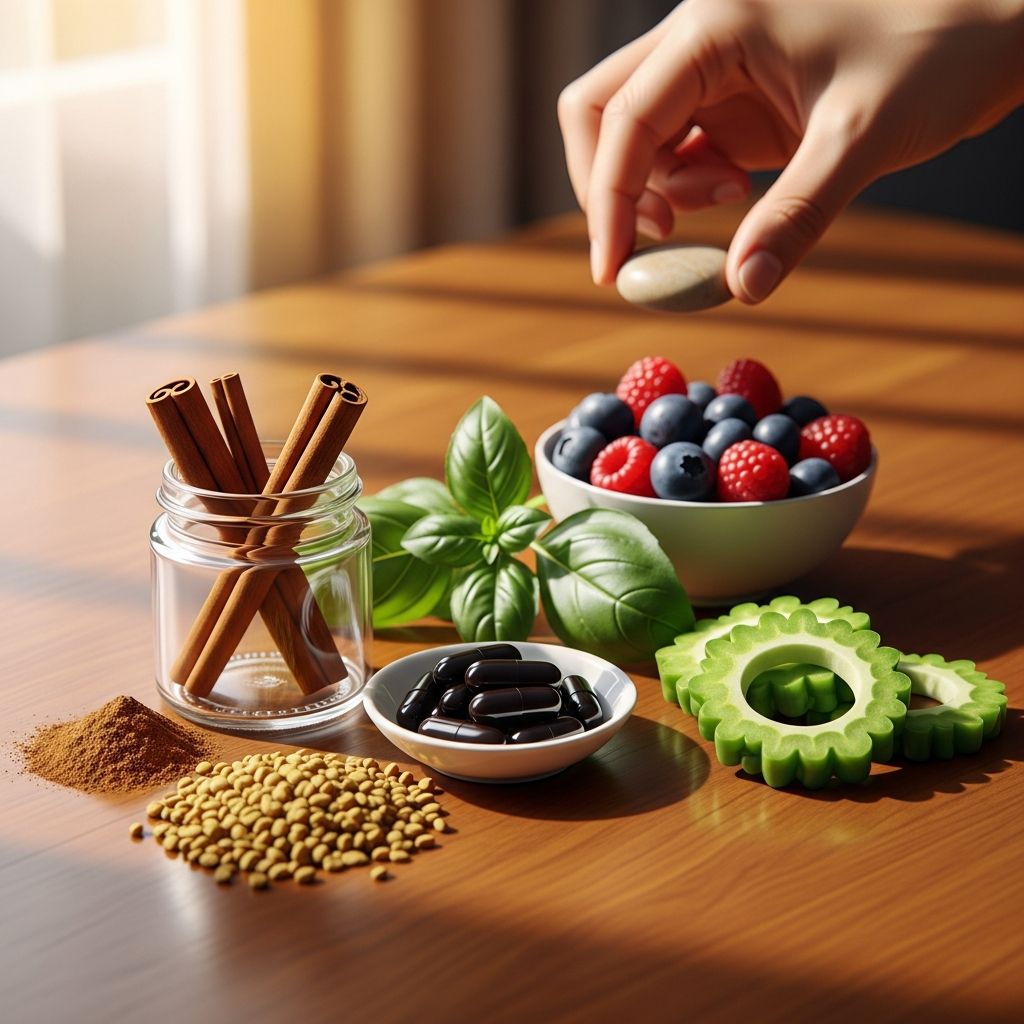
Maintaining healthy blood sugar levels is essential for individuals with diabetes or prediabetes. While lifestyle changes like diet and exercise form the foundation, certain supplements may offer additional support. This article reviews evidence-based options such as berberine, cinnamon, and fenugreek, drawing from clinical studies and expert insights. Always consult a healthcare provider before starting supplements, as they can interact with medications.
What Are Blood Sugar Supplements?
Blood sugar supplements are natural compounds, herbs, vitamins, or minerals that may help regulate glucose levels, improve insulin sensitivity, or slow carbohydrate absorption. They are not replacements for prescribed treatments like metformin or insulin but can complement them. Research from sources like the National Center for Complementary and Integrative Health (NCCIH) indicates that supplements such as fenugreek and ginseng have been studied for anti-glycemic effects. The American Diabetes Association notes that while promising, supplements are not proven as standalone solutions for blood glucose control.
Common mechanisms include enhancing insulin production, reducing glucose absorption in the gut, or acting as antioxidants to combat oxidative stress in diabetes. A 2023 review highlighted fenugreek’s potential to lower A1C due to its amino acid 4-Hydroxyisoleucine, which stimulates insulin release. Similarly, berberine mimics metformin by activating AMPK pathways for better glucose metabolism.
Top Supplements to Consider
Berberine
Berberine, a compound from plants like barberry and goldenseal, shows strong potential for blood sugar management. One review of 46 studies found it lowers blood sugar, though effects vary. In a study of 80 older adults with metabolic syndrome, daily berberine improved fasting and post-meal glucose more than some medications. Typical doses range from 500mg to 1,500mg daily, divided into 2-3 doses.
- Benefits: Enhances insulin sensitivity, reduces fasting glucose by up to 20% in 3 months.
- How to use: Take with meals to minimize GI upset.
- Precautions: May interact with blood thinners or antibiotics; not for pregnant individuals.
Cinnamon
Cinnamon, particularly Cassia variety, is one of the most studied spices for blood sugar. A 2024 analysis of 24 trials confirmed it lowers fasting glucose and may boost insulin sensitivity. Meta-analyses show reductions in fasting blood glucose and HOMA-IR in diabetics. Doses of 1-6g daily (0.5-2.5 teaspoons) for 20+ days yield results.
- Benefits: Anti-inflammatory; lowers postprandial spikes.
- How to use: Add to smoothies, yogurt, or take as capsules. Opt for Ceylon to avoid high coumarin in Cassia.
- Precautions: High doses may harm liver; limit to 6g/day.
Fenugreek
Fenugreek seeds rank highly for glucose control. A 2023 review found it reduces A1C and post-meal sugars via slowed digestion and insulin stimulation. Ranked second to apple cider vinegar in natural product comparisons. Soak seeds overnight or take 500-1,000mg supplements.
- Benefits: Lowers cholesterol too; safe in food amounts.
- How to use: Sprouts, teas, or capsules.
- Precautions: Avoid high supplement doses if pregnant; may cause GI issues.
Probiotics
Gut health influences glucose metabolism. Probiotics may lower fasting blood sugar in type 2 diabetes. Foods like yogurt, kefir, kimchi, or supplements support this.
- Benefits: Improves insulin sensitivity via microbiome modulation.
- How to use: 10-20 billion CFUs daily; rotate strains.
- Precautions: Not daily without doctor advice.
Related Stories



Ginseng
American or Korean ginseng may decrease post-meal blood sugar. A PLOS One review of 16 trials supports this for type 2 diabetes.
- Benefits: Boosts insulin production and sensitivity.
- How to use: 200-400mg extract daily.
- Precautions: Avoid with blood thinners or immunosuppressants.
Alpha-Lipoic Acid (ALA)
ALA, an antioxidant, turns glucose into energy and reduces oxidative stress. Studies suggest it lowers blood sugar and neuropathy symptoms.
- Dose: 600-1,200mg/day.
- Precautions: May lower blood sugar too much with meds.
Magnesium
Magnesium deficiency is common in diabetes. Supplementation improves insulin sensitivity. Aim for 300-400mg daily from foods or supplements.
Vitamin D
Low vitamin D links to poor glucose control. Supplementation may help type 2 diabetics.
Gymnema Sylvestre
This Ayurvedic herb reduces sugar absorption and fasting glucose by 1.57 mg/dL. Use under doctor guidance with insulin.
Other Options: Aloe Vera, Chromium, Zinc
Aloe vera lowers fasting sugar in prediabetes. Chromium enhances insulin action. Zinc reduces A1C in deficient individuals.
How to Choose Quality Supplements
Look for third-party testing (USP, NSF). Check for standardized extracts. Start low and monitor blood sugar.
| Supplement | Typical Dose | Key Study Evidence |
|---|---|---|
| Berberine | 500-1500mg/day | 20% fasting drop |
| Cinnamon | 1-6g/day | Lowers fasting glucose |
| Fenugreek | 500-1000mg/day | Reduces A1C |
| Probiotics | 10-20B CFUs | Improves sensitivity |
Potential Risks and Interactions
Supplements can cause hypoglycemia, GI issues, or drug interactions (e.g., berberine with statins). VA.gov notes hundreds claim benefits but evidence varies. NCCIH stresses consulting providers.
Lifestyle Integration
Pair with fiber-rich diets (25-30g/day: oats, beans), exercise, and monitoring. Apple cider vinegar and zinc also aid.
Frequently Asked Questions (FAQs)
Can supplements replace diabetes medication?
No, they support but do not replace prescribed treatments.
What’s the best supplement for blood sugar?
Berberine and cinnamon have strongest evidence, but individual results vary.
Are these safe for type 1 diabetes?
Consult a doctor; risk of hypoglycemia higher.
How long to see effects?
2-4 weeks typically, per studies.
Can I get these benefits from food?
Yes, for cinnamon, fenugreek seeds, probiotic foods.
References
- 6 Ways to Naturally Lower Blood Sugar — diaTribe.org. 2023. https://diatribe.org/diet-and-nutrition/6-ways-naturally-lower-blood-sugar
- How to Lower Your Blood Sugar — WebMD. 2024. https://www.webmd.com/diet/how-to-lower-your-blood-sugar
- 10 Supplements to Help Lower Blood Sugar — Healthline. 2025-02-24. https://www.healthline.com/nutrition/blood-sugar-supplements
- 4 Supplements to Help Lower Blood Glucose Levels Naturally — Veri. 2024. https://www.veri.co/learn/supplements-to-lower-blood-glucose-levels-naturally
- Supplements to Lower Blood Sugar — VA.gov Whole Health Library. 2024. https://www.va.gov/WHOLEHEALTHLIBRARY/tools/supplements-to-lower-blood-sugar.asp
- Diabetes and Dietary Supplements: What You Need to Know — NCCIH.nih.gov. 2024. https://www.nccih.nih.gov/health/diabetes-and-dietary-supplements-what-you-need-to-know
- Vitamins, Minerals, and Supplements — American Diabetes Association. 2025. https://diabetes.org/food-nutrition/diabetes-vitamins-supplements
Similar Articles








Read full bio of Sneha Tete