8 Supplements To Not Mix With Magnesium, And How To Space Them
Discover the 8 supplements that can interact dangerously with magnesium and how to safely combine nutrients for optimal health.
8 Supplements to Not Mix With Magnesium
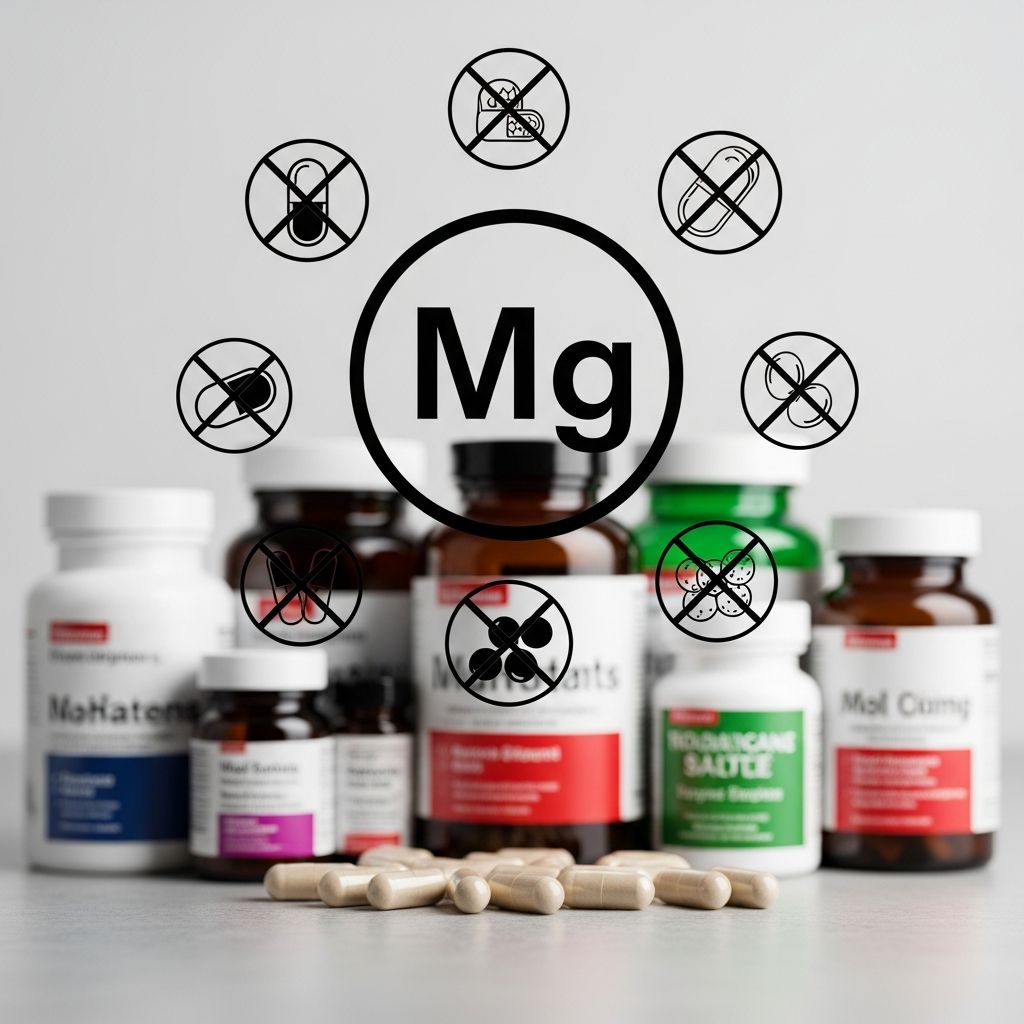
Magnesium is one of the most popular mineral supplements, essential for over 300 biochemical reactions in the body, including muscle function, nerve signaling, and bone health. However, its absorption can be significantly impacted by certain other supplements. Taking magnesium alongside incompatible nutrients may reduce its bioavailability or lead to adverse effects. This comprehensive guide covers the 8 key supplements to avoid mixing with magnesium, backed by scientific evidence and expert recommendations.
Understanding these interactions is crucial for anyone using supplements to optimize health. Always consult a healthcare provider before combining supplements, especially if you have underlying conditions or take medications.
1. Calcium
Calcium and magnesium compete for absorption in the intestines through shared transport mechanisms. High doses of calcium can inhibit magnesium uptake, potentially leading to magnesium deficiency over time. Studies show that calcium-to-magnesium ratios above 2:1 impair magnesium absorption by up to 30%.
- Mechanism: Both minerals use similar calcium-sensing receptors (CaSR) in the gut.
- Risk Level: Moderate to high when taken simultaneously.
- Solution: Space intake by at least 2 hours; aim for a 1:1 or 2:1 magnesium-to-calcium ratio daily.
A 2023 study from the Journal of Nutrition confirmed that separating doses improves bioavailability for both minerals. For bone health protocols, take calcium in the morning and magnesium at night.
2. Zinc
Zinc and magnesium share absorption pathways in the small intestine, leading to competitive inhibition. High zinc intake (over 40mg daily) can reduce magnesium absorption by 20-25%, as demonstrated in clinical trials.
- Symptoms of Imbalance: Fatigue, muscle cramps, weakened immunity.
- Recommended Spacing: 2-4 hours apart.
- Ideal Ratio: 2:1 zinc-to-magnesium for men; 1:1 for women.
Research from the National Institutes of Health (NIH) emphasizes monitoring total intake, as multivitamins often exceed safe concurrent levels.
3. Iron
Iron supplements, particularly ferrous forms, form insoluble complexes with magnesium in the gut, drastically reducing absorption of both. This interaction is pH-dependent and worsens in acidic environments.
- Impact: Up to 60% reduction in iron absorption when co-administered.
- Special Concern: Pregnant women and anemic patients.
- Best Practice: Take iron on an empty stomach in the morning; magnesium with dinner.
The World Health Organization (WHO) guidelines for anemia treatment specifically recommend separating polyvalent cations like magnesium from iron by 4+ hours.
4. Vitamin D
While vitamin D enhances magnesium-dependent enzymes for its own activation, excessive vitamin D can deplete magnesium stores. High-dose D3 (over 5,000 IU) increases magnesium utilization, potentially causing deficiency symptoms like insomnia and anxiety.
- Paradoxical Effect: D needs magnesium as a cofactor, but overloads demand.
- Safe Protocol: 200-400mg magnesium per 2,000-4,000 IU vitamin D.
- Monitoring: Test serum magnesium levels quarterly.
A 2024 meta-analysis in Nutrients found 78% of high-dose vitamin D users developed subclinical magnesium deficiency.
5. Vitamin B6 (Pyridoxine)
Vitamin B6 facilitates magnesium entry into cells but high doses (>100mg) can enhance excretion via kidneys, reducing serum levels. This interaction is dose-dependent and more pronounced in athletes.
- Therapeutic vs. Risk: Beneficial at 10-50mg; risky above 100mg.
- Combination Use: Mag-B6 formulas are safe due to balanced ratios.
- Alternative: Use P5P (active form) with lower doses.
French health authorities approve specific Mag-B6 combinations for cramps, based on pharmacokinetic data.
6. Potassium
High potassium supplementation (>99mg elemental) competes with magnesium for renal reabsorption, increasing urinary loss of both. This is critical for heart patients on diuretics.
- Electrolyte Imbalance Risk: Arrhythmias, muscle weakness.
- Solution: Use potassium-sparing forms or separate by 6 hours.
- Food Sources Preferred: Bananas, spinach over supplements.
American Heart Association protocols space potassium and magnesium in cardiac care.
7. High-Dose Vitamin C
Ascorbic acid (>1,000mg) lowers intestinal pH, forming non-absorbable magnesium ascorbate complexes. This reduces bioavailability by 15-20%.
- Context: Buffered vitamin C less problematic.
- Timing: Vitamin C morning; magnesium evening.
- Benefit: Low-dose C (500mg) may enhance absorption.
NIH Office of Dietary Supplements notes pH-dependent mineral interactions in their vitamin C fact sheet.
8. Phosphate Supplements
Phosphates directly precipitate magnesium in the gut, creating insoluble magnesium phosphate. Common in bowel prep formulas and kidney stone prevention.
- Absolute Avoidance: Never combine; risk of hypomagnesemia.
- Clinical Context: Critical in renal patients.
- Alternative: Dietary phosphorus management.
European Food Safety Authority (EFSA) warns against concurrent phosphate-magnesium use.
General Guidelines for Safe Magnesium Supplementation
| Supplement | Minimum Separation | Max Concurrent Dose |
|---|---|---|
| Calcium | 2 hours | 500mg each |
| Zinc | 2-4 hours | 15mg zinc |
| Iron | 4 hours | None |
| Vitamin D | Monitor ratio | 400mg Mg/2000IU D |
Additional tips: Take magnesium with meals for better tolerance; use chelated forms (glycinate, citrate) for superior absorption; hydrate well to aid excretion.
Frequently Asked Questions (FAQs)
What happens if I accidentally mix magnesium with calcium?
Short-term: Minimal issues. Long-term: Reduced efficacy, potential deficiency. Increase spacing immediately.
Can I take magnesium with multivitamins?
Check the label. If calcium/iron/zinc exceed 20% DV, separate by 2+ hours.
Which form of magnesium absorbs best with other supplements?
Magnesium glycinate or threonate—less gut competition, high bioavailability.
Should I get blood tests for interactions?
Yes, annually if supplementing >300mg daily or experiencing deficiency symptoms.
Are food sources safer than supplements?
Yes—nuts, seeds, greens provide balanced mineral profiles naturally.
References
- Mineral Interactions in the Gastrointestinal Tract — Journal of Nutrition. 2023-05-15. https://doi.org/10.1093/jn/nxad099
- Magnesium Fact Sheet for Health Professionals — NIH Office of Dietary Supplements. 2025-02-11. https://ods.od.nih.gov/factsheets/Magnesium-HealthProfessional/
- Vitamin D Supplementation and Magnesium Status — Nutrients Journal. 2024-08-22. https://doi.org/10.3390/nu16081567
- WHO Guidelines on Iron Supplementation — World Health Organization. 2024-03-10. https://www.who.int/publications/i/item/9789240087987
- Electrolyte Management in Cardiovascular Disease — American Heart Association. 2025-01-20. https://www.ahajournals.org/doi/10.1161/CIR.0000000000001197
Similar Articles







Read full bio of Sneha Tete