Supplements That Can Be Toxic If You Take Too Much
Discover which common supplements can turn dangerous with excessive intake, backed by expert insights and safety guidelines.
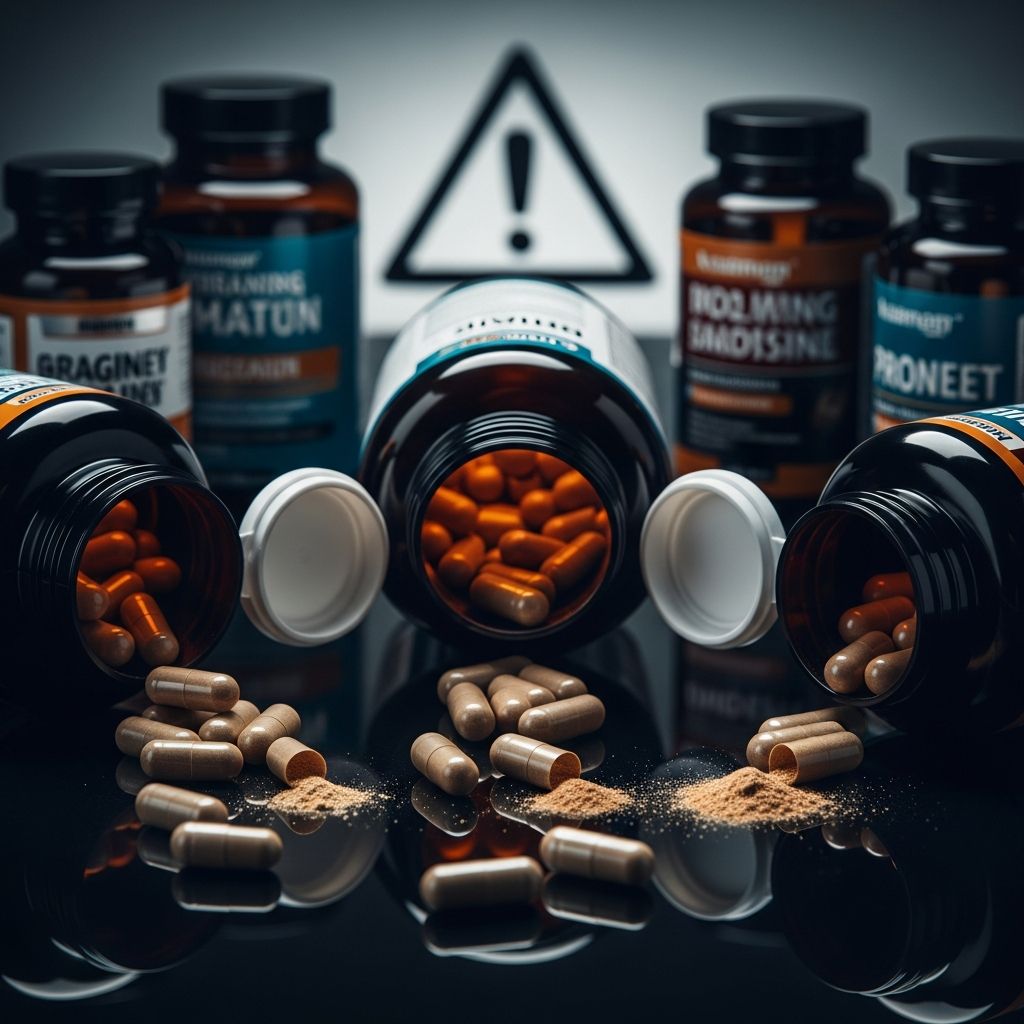
While dietary supplements offer benefits for filling nutritional gaps, excessive intake of certain vitamins and minerals can lead to serious toxicity. Common products like multivitamins, vitamin D, and protein powders may contain harmful levels of contaminants or exceed safe doses, as highlighted by health authorities. Understanding upper limits and symptoms is crucial for safe use.
What Makes Supplements Risky?
Dietary supplements are not as strictly regulated as drugs; the FDA does not approve them for safety before market entry, placing responsibility on manufacturers. This lax oversight means contamination with heavy metals like lead occurs, especially in plant-based protein powders where levels can exceed safe daily limits by over 1,000%. Overconsumption amplifies risks, with symptoms ranging from nausea to organ damage.
- Limited FDA Authority: Supplements enter the market without pre-approval; post-market monitoring relies on adverse event reports.
- Contamination Issues: Protein shakes often contain lead, cadmium, and arsenic from soil in plant ingredients.
- Dosage Overconfidence: Consumers assume more is better, ignoring established upper intake levels (ULs) set by health experts.
Always consult a healthcare professional before starting supplements, especially if combining with medications or diets.
Vitamin D
Vitamin D supports bone health and immunity but hypervitaminosis D from overdosing causes hypercalcemia, leading to kidney stones, nausea, and heart issues. The recommended dietary allowance (RDA) is 600-800 IU daily for adults, with a UL of 4,000 IU.
- Symptoms of Toxicity: Vomiting, weakness, frequent urination, and bone pain.
- Common Sources: Fortified foods, sunlight, supplements; excess from high-dose pills.
- Safe Practices: Test blood levels (25-hydroxyvitamin D) before supplementing; avoid mega-doses without medical advice.
Recent cases link inappropriate supplementation to rising toxicity risks, emphasizing blood monitoring.
Vitamin A
Essential for vision and immunity, excess vitamin A (retinol form) accumulates as it’s fat-soluble, causing liver damage, birth defects, and skin peeling. RDA is 700-900 mcg RAE daily; UL is 3,000 mcg.
| Form | Safe Daily Intake | Toxicity Threshold |
|---|---|---|
| Beta-carotene (provitamin A) | No UL (converts as needed) | Safe even in high amounts; skin yellowing only |
| Retinol (preformed) | 700-900 mcg | 3,000 mcg UL; acute toxicity at 25,000+ mcg |
- High-Risk Groups: Pregnant women, liver patients.
- Sources to Watch: Liver, cod liver oil, high-dose supplements.
Iron
Iron prevents anemia but overdoses cause gastrointestinal distress, organ failure, and death, especially in children. RDA is 8-18 mg; UL 45 mg for adults. Acute toxicity hits at 20-60 mg/kg body weight.
- Symptoms: Vomiting blood, diarrhea, shock; long-term leads to hemochromatosis.
- Prevention: Only supplement if deficient (confirmed by ferritin tests); use low-dose if needed.
- Stat Alert: Iron poisoning is a leading cause of pediatric fatalities from supplements.
Vitamin B6 (Pyridoxine)
B6 aids metabolism, but megadoses (>100 mg/day long-term) cause peripheral neuropathy—numbness, walking difficulties. RDA 1.3-1.7 mg; UL 100 mg.
- Reversible? Often yes, if caught early by stopping intake.
- Common in: Energy drinks, B-complex for PMS or carpal tunnel.
Related Stories



Neuropathy cases have risen with popularity of high-dose B6 for unsubstantiated benefits.
Vitamin C
Water-soluble antioxidant; excess usually excreted, but >2,000 mg/day risks kidney stones, diarrhea. RDA 75-90 mg; UL 2,000 mg.
- Who’s at Risk: Those with kidney issues or G6PD deficiency.
- Myth Bust: No evidence mega-doses prevent colds in general population.
Zinc
Zinc boosts immunity, but >40 mg/day long-term depletes copper, causing anemia, immune suppression. RDA 8-11 mg; UL 40 mg.
- Symptoms: Nausea, loss of taste/smell.
- Interactions: Reduces antibiotic absorption; pair with copper if supplementing.
Selenium
Antioxidant mineral; >400 mcg/day risks selenosis—hair/nail loss, GI upset. RDA 55 mcg; UL 400 mcg. Brazil nuts are potent sources (1-2 nuts meet needs).
Calcium
Vital for bones, but >2,500 mg/day risks kidney stones, heart calcification. RDA 1,000-1,200 mg; UL 2,000-2,500 mg. Excess from antacids/supplements plus diet.
- Tip: Space doses; absorb 500 mg max per sitting.
Magnesium
Relaxes muscles, but >350 mg supplemental causes diarrhea, low blood pressure. RDA 310-420 mg; UL 350 mg from supplements (food unlimited).
Protein Powders and Heavy Metals
Plant-based powders often contain lead (e.g., Naked Nutrition Vegan Mass Gainer at 7.7 mcg/serving, exceeding FDA reference by 1,570%), cadmium, arsenic. Average daily lead exposure is 5.3 mcg; one serving pushes over.
- Advice: Limit high-lead products to once weekly; choose tested brands.
- Regulation Gap: Post-1994 DSHEA limits FDA pre-market checks.
Frequently Asked Questions (FAQs)
Can supplements be safe for daily use?
Yes, at recommended doses from food or low-dose supplements, but consult a doctor for personalized needs and testing.
What if I experience side effects?
Stop immediately, seek medical help, report to FDA via MedWatch.
Are natural supplements safer?
No; ‘natural’ doesn’t mean safe, and contamination risks persist.
How to choose quality supplements?
Look for USP-verified, third-party tested; avoid hype claims.
Who needs supplements most?
Those with deficiencies (e.g., vegans for B12, elderly for D), confirmed by bloodwork.
Prevention Tips
To avoid toxicity:
- Get blood tests before high-dose regimens.
- Read labels; stick to RDAs/ULs.
- Prioritize whole foods over pills.
- Store securely, especially iron from kids.
Supplements enhance, not replace, balanced diets. With proper use, risks are minimal, but vigilance prevents harm.
References
- Protein Powders and Shakes Contain High Levels of Lead — Consumer Reports. 2023-10-10. https://www.consumerreports.org/lead/protein-powders-and-shakes-contain-high-levels-of-lead-a4206364640/
- FDA 101: Dietary Supplements — U.S. Food and Drug Administration (FDA). 2023-05-11. https://www.fda.gov/consumers/consumer-updates/fda-101-dietary-supplements
- The safety of commonly used vitamins and minerals — National Center for Biotechnology Information (PMC). 2021-08-18. https://pmc.ncbi.nlm.nih.gov/articles/PMC8377299/
Similar Articles








Read full bio of medha deb