Antioxidant Supplements: 9 Potent Options For Health
Boost your antioxidant intake with these powerful supplements that combat oxidative stress and support overall health naturally.
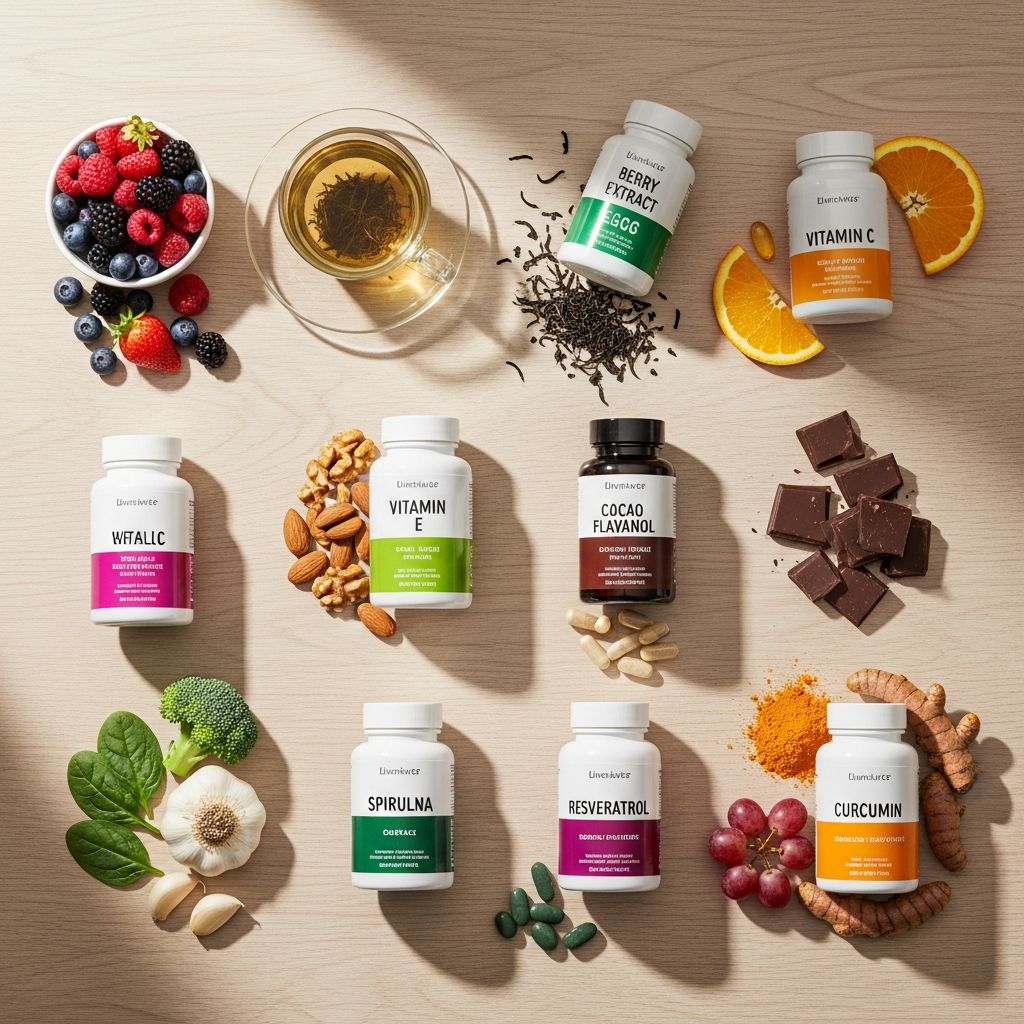
Antioxidants are compounds that help neutralize harmful free radicals in the body, potentially reducing oxidative stress linked to aging, inflammation, and chronic diseases. While a diet rich in fruits, vegetables, nuts, and herbs provides the best source, supplements can fill gaps for those needing extra support. This article explores nine potent antioxidant supplements, their benefits, recommended dosages, and precautions, drawing from scientific research on their high antioxidant content and health effects.
What Are Antioxidants?
Antioxidants are molecules that inhibit oxidation by neutralizing free radicals—unstable molecules produced during normal metabolism or from environmental factors like pollution and UV radiation. Free radicals can damage cells, proteins, and DNA, contributing to conditions like heart disease, cancer, and neurodegeneration. Key antioxidants include vitamins C and E, polyphenols, carotenoids, and enzymes like superoxide dismutase.
Research shows spices, herbs, berries, nuts, and certain supplements rank highest in antioxidant capacity, measured by assays like FRAP (ferric reducing antioxidant power). For instance, cloves, cinnamon, and pecan nuts exhibit exceptionally high levels, up to 277 mmol/100g in cloves.
Why Take Antioxidant Supplements?
Supplements deliver concentrated doses of antioxidants, which may support immune function, cardiovascular health, skin vitality, and exercise recovery. Plant-based foods and their extracts often outperform animal products by 5-33 times in antioxidant content. However, high-dose supplementation isn’t always beneficial and may interfere with exercise adaptations or cause pro-oxidant effects.
- Key benefits: Reduced inflammation, improved endothelial function, neuroprotection.
- Caveats: Prioritize food sources; consult healthcare providers, especially if on medications.
1. Vitamin C
Vitamin C (ascorbic acid) is a water-soluble antioxidant that regenerates vitamin E and scavenges reactive oxygen species (ROS). It’s essential for collagen synthesis, immune support, and iron absorption. Studies link higher intake to lower cardiovascular risk and faster wound healing.
Antioxidant power: Fresh orange juice averages 0.64 mmol/100g, but supplements provide precise dosing.
Recommended dose: 75-90 mg/day (RDA); up to 2,000 mg for therapeutic use, split doses to avoid GI upset.
Benefits:
- Boosts immunity by enhancing white blood cell function.
- Protects skin from UV damage and supports anti-aging.
- May reduce common cold duration by 8-14% in adults.
Precautions: High doses (>2g/day) may cause diarrhea or kidney stones in susceptible individuals. Safe upper limit: 2,000 mg/day.
2. Vitamin E
Vitamin E (tocopherols and tocotrienols) is a fat-soluble antioxidant embedded in cell membranes, protecting lipids from peroxidation. It’s vital for vision, reproduction, and neurological health. Nuts like pecans (8.5 mmol/100g) are rich sources.
Recommended dose: 15 mg/day (RDA); up to 1,000 mg/day (UL).
Benefits:
- Supports heart health by preventing LDL oxidation.
- Improves skin moisture and reduces scarring.
- May alleviate menstrual pain and dysmenorrhea.
Precautions: High doses (>400 IU/day) may increase bleeding risk or prostate cancer in smokers. Not recommended chronically for athletes due to potential blunting of training adaptations.
Related Stories



3. Coenzyme Q10 (CoQ10)
CoQ10 is a mitochondrial antioxidant involved in energy production (ATP synthesis). Levels decline with age, statins, and oxidative stress. It’s highly concentrated in organ meats but supplements mimic food levels effectively.
Benefits:
- Enhances heart function in congestive failure patients.
- Reduces statin-induced muscle pain.
- Supports fertility by improving sperm motility.
Dose: 100-200 mg/day, ubiquinol form for better absorption.
Precautions: May lower blood pressure; interact with warfarin.
4. Curcumin (Turmeric)
Curcumin, the active polyphenol in turmeric, boasts potent anti-inflammatory and antioxidant properties by activating Nrf2 pathway. Dried turmeric/curcumin extracts rival spices like oregano (63.2 mmol/100g).
Benefits:
- Relieves osteoarthritis pain comparable to ibuprofen.
- Supports brain health, potentially delaying Alzheimer’s.
- Improves exercise recovery by reducing muscle soreness.
Dose: 500-2,000 mg/day with piperine for bioavailability.
Precautions: May cause GI issues; avoid high doses with gallstones.
5. Resveratrol
Found in grapes, red wine, and berries, resveratrol activates sirtuins for longevity benefits. Supplements concentrate its polyphenol power, similar to high-antioxidant juices like pomegranate (2.1 mmol/100g).
Benefits:
- Protects cardiovascular system by improving blood flow.
- Enhances insulin sensitivity and metabolic health.
- May extend lifespan in animal models.
Dose: 150-500 mg/day.
Precautions: Estrogenic effects; limited human data on long-term use.
6. Astaxanthin
This carotenoid from microalgae gives salmon its pink hue and excels at crossing blood-brain and blood-retinal barriers. It’s a super-antioxidant, 6,000 times stronger than vitamin C in singlet oxygen quenching.
Benefits:
- Improves skin elasticity and reduces wrinkles.
- Boosts endurance and reduces fatigue.
- Protects eyes from blue light damage.
Dose: 4-12 mg/day.
Precautions: Generally safe; may cause harmless skin orange tint at high doses.
7. Alpha-Lipoic Acid (ALA)
ALA is a unique antioxidant soluble in both fat and water, regenerating other antioxidants like glutathione. It’s synthesized endogenously but supplements aid deficiency states.
Benefits:
- Improves nerve function in diabetic neuropathy.
- Supports weight loss and blood sugar control.
- Enhances mitochondrial function.
Dose: 300-600 mg/day.
Precautions: May lower blood sugar; GI upset possible.
8. Glutathione
The “master antioxidant,” glutathione detoxifies xenobiotics and regenerates vitamins C/E. Oral bioavailability is low, but liposomal forms improve absorption.
Benefits:
- Detoxifies liver and supports phase II detoxification.
- Brightens skin and reduces hyperpigmentation.
- Boosts immunity and reduces oxidative damage.
Dose: 250-500 mg/day liposomal.
Precautions: Rare asthma triggering; consult for autoimmune conditions.
9. Green Tea Extract
Rich in catechins like EGCG, green tea (1.5-2.62 mmol/100g prepared) offers broad antioxidant protection. Extracts standardize for high polyphenol content.
Benefits:
- Promotes fat oxidation and modest weight loss.
- Protects brain from Parkinson’s and Alzheimer’s.
- Supports oral health by inhibiting bacteria.
Dose: 250-500 mg/day (50% EGCG).
Precautions: Contains caffeine; high doses (>800 mg EGCG) linked to liver toxicity.
Potential Risks of High-Dose Antioxidants
While beneficial, excessive supplementation can backfire. High-dose vitamin C/E combos may blunt exercise-induced mitochondrial biogenesis and increase oxidative stress in athletes. Herbal antioxidants like catechins show dose-dependent pro-oxidant effects. Always prioritize whole foods and moderation.
| Supplement | Daily Dose | Key Benefit | Food Sources |
|---|---|---|---|
| Vitamin C | 500-1,000 mg | Immune boost | Citrus, peppers |
| Vitamin E | 15-400 IU | Heart protection | Nuts, seeds |
| CoQ10 | 100-200 mg | Energy production | Organ meats |
| Curcumin | 500 mg | Anti-inflammatory | Turmeric |
| Resveratrol | 250 mg | Longevity | Grapes |
Frequently Asked Questions (FAQs)
What are the best food sources of antioxidants?
Spices like cloves (277 mmol/100g), herbs (oregano, cinnamon), berries, nuts (pecans 8.5 mmol/100g), and green tea top the list.
Can antioxidant supplements replace a healthy diet?
No, whole foods provide synergistic nutrients and fiber that supplements lack. Use supplements to complement, not replace, diet.
Are antioxidant supplements safe during pregnancy?
Stick to food sources and prenatal vitamins; high doses require medical advice to avoid risks.
Do antioxidants help with exercise performance?
Moderate intake may aid recovery, but high doses can hinder adaptations like mitochondrial biogenesis.
How to choose quality antioxidant supplements?
Look for third-party testing (USP, NSF), standardized extracts, and avoid mega-doses without guidance.
References
- The total antioxidant content of more than 3100 foods, beverages… — Carlsen MH et al. Nutrition Journal. 2010-01-22. https://pmc.ncbi.nlm.nih.gov/articles/PMC2841576/
- Potential harms of supplementation with high doses of antioxidants… — Carrillo AE et al. Frontiers in Physiology. 2022-06-13. https://pmc.ncbi.nlm.nih.gov/articles/PMC9241084/
Similar Articles








Read full bio of medha deb