Supplements: 6 Essential Options To Consider For Health
Discover essential supplements to fill nutritional gaps and support your health, backed by expert insights and science.
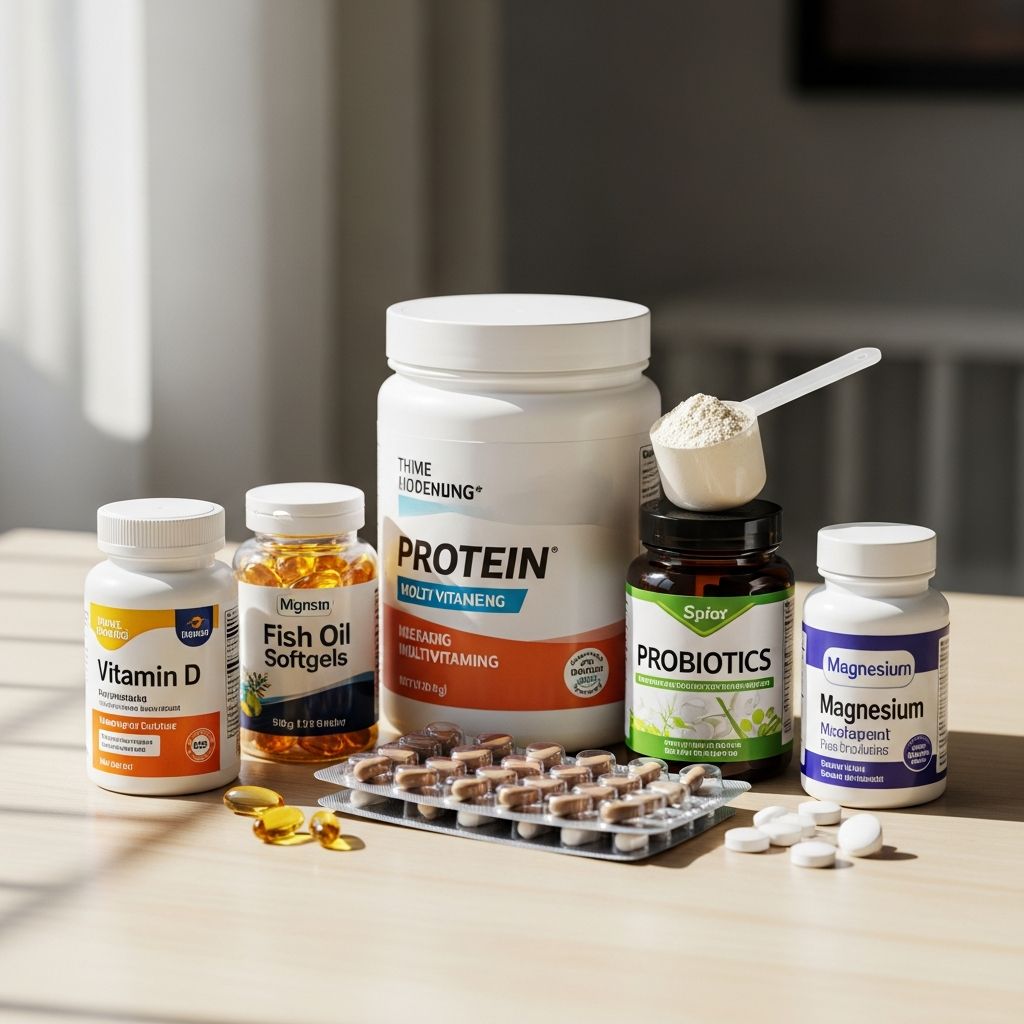
While a balanced diet rich in fruits, vegetables, whole grains, and lean proteins is the foundation of good nutrition, many people fall short of recommended nutrient intakes due to busy lifestyles, dietary restrictions, or soil depletion affecting food quality. Supplements can bridge these gaps, supporting bone health, heart function, immunity, and energy levels. However, they are not a substitute for whole foods—a ”food-first” approach is ideal, with supplements filling specific deficiencies confirmed by blood tests or dietary analysis. This article covers essential supplements worth considering, their benefits, recommended dosages, food sources, and precautions, drawing from credible health authorities.
1. Vitamin D: The Sunshine Vitamin for Bones and Immunity
Vitamin D is crucial for calcium absorption, bone strength, immune function, and reducing inflammation. Deficiency is widespread, affecting nearly 42% of U.S. adults, particularly those with limited sun exposure, darker skin, or obesity. Low levels link to weakened bones, increased infection risk, and mood disorders. The Office of Dietary Supplements recommends 600-800 IU daily for adults, up to 4,000 IU safe upper limit, but testing via 25-hydroxyvitamin D blood levels guides personalization—aim for 30-50 ng/mL.
Who should consider it? Postmenopausal women, vegans, northern latitude residents, and office workers. A study in the Journal of the American Medical Association showed supplementation reduces bone loss in older adults. Vegans benefit from D2 or algae-derived D3, as animal sources provide more bioavailable D3.
- Food sources: Fatty fish (salmon: 570 IU/3oz), fortified milk (120 IU/cup), egg yolks (40 IU each), mushrooms exposed to UV light.
- Supplement tips: Take with fat-containing meals for better absorption; pair with vitamin K2 and magnesium for synergy.
- Potential risks: Overdose above 10,000 IU/day can cause hypercalcemia—monitor with doctor if high-risk.
Pro tip: Get tested annually, especially in winter. For vegans avoiding fortified dairy, algal oil provides DHA alongside D3.
2. Omega-3 Fatty Acids: Heart and Brain Protectors
Omega-3s, particularly EPA and DHA, reduce triglycerides, inflammation, and heart disease risk while supporting brain health and eye function. Most Americans consume too few, averaging under 100 mg DHA/EPA daily versus recommended 250-500 mg. Fish oil or algal supplements deliver these benefits, with evidence from NIH showing cardiovascular protection in those eating fish 2-3 times weekly or supplementing equivalently.
Who needs it most? Non-fish eaters, vegans, pregnant women (for fetal brain development), and those with high triglycerides. A meta-analysis confirms omega-3s slow age-related macular degeneration progression when combined with antioxidants.
| Omega-3 Type | Best Sources | Daily Recommendation |
|---|---|---|
| DHA/EPA | Fatty fish, fish oil, algae | 250-500 mg combined |
| ALA (plant form) | Flaxseeds, chia, walnuts | 1.1-1.6 g (converts poorly to DHA/EPA) |
- Food sources: Salmon (1,200 mg/3oz), sardines, mackerel; plant ALA in walnuts (2.5 g/oz).
- Supplement tips: Choose third-party tested for purity (no mercury); enteric-coated to avoid fishy aftertaste.
- Risks: Blood thinning—consult doctor if on anticoagulants.
Vegans: Algae-based DHA fills the gap where fish is absent.
3. Magnesium: The Relaxation Mineral for Muscle and Sleep
Magnesium supports over 300 enzymatic reactions, including muscle relaxation, nerve function, blood sugar control, and sleep. About 48% of Americans are deficient due to processed food diets low in greens and nuts. NIH data links adequate intake to lower hypertension and diabetes risk. Recommended: 310-420 mg/day for adults.
Related Stories



Key benefits: Reduces migraines, improves sleep quality, eases PMS, and aids exercise recovery. Forms vary—glycinate for sleep, citrate for constipation.
- Food sources: Spinach (80 mg/cup), almonds (80 mg/oz), black beans (120 mg/cup), dark chocolate (65 mg/oz).
- Who benefits: Stressed individuals, athletes, those with GI issues impairing absorption.
- Tips: Take 200-400 mg evening dose; excess causes diarrhea.
4. Vitamin B12: Essential for Energy and Nerves
B12 maintains red blood cells, DNA synthesis, and neurological health. Deficiency causes fatigue, anemia, and nerve damage, prevalent in 20-40% of vegans/vegetarians due to absent animal sources. Elderly absorption declines too. RDA: 2.4 mcg/day; higher for deficiency.
Critical for: Vegans (must supplement), those on PPIs/metformin, over-50s. Fortified foods help but often insufficient.
- Sources: Clams (84 mcg/3oz), beef liver, eggs, fortified cereals.
- Tips: Sublingual or methylcobalamin forms absorb best.
5. Probiotics and Fiber: Gut Health Guardians
A healthy microbiome aids digestion, immunity, and mood. Most lack fiber (25-38 g/day recommended), leading to constipation. Probiotics (e.g., Lactobacillus, Bifidobacterium) and prebiotics (psyllium, inulin) restore balance post-antibiotics or poor diet.
Benefits: Psyllium improves regularity; strains like LGG reduce IBS symptoms.
- Sources: Yogurt, kefir, sauerkraut; fiber in oats, beans, fruits.
- Tips: Start low to avoid bloating; refrigerated live cultures best.
6. Other Notables: Iron, Calcium, and Multivitamins
Iron: Vital for oxygen transport; women, vegans at risk (non-heme less absorbable). Pair with vitamin C.
Calcium: Bone health; postmenopausal needs via dairy/greens or supplements (1,000-1,200 mg/day).
Multivitamins: Convenient gap-fillers for restricted diets like keto/vegan, but not for everyone.
Special Diets: Tailored Supplement Strategies
Keto Diet
Low-carb limits fruits/grains, risking B vitamins, electrolytes. Supplement magnesium, potassium, omega-3s.
Vegan Diet
Missing B12, D, omega-3 DHA, iron, zinc. Algae and fortified multis essential.
Mediterranean Diet
Nutrient-rich but add beta-glucans for immunity.
How to Choose Quality Supplements
Opt for USP/NSF third-party verified for purity/potency. Check labels for allergen-free, no fillers. Consult RD/doctor, especially if pregnant/medicated. Food-first: Prioritize diet, test levels.
Frequently Asked Questions (FAQs)
Should everyone take a multivitamin?
No, healthy eaters may not need one, but it’s useful for gaps in restrictive diets.
Can supplements replace meals?
No—whole foods provide fiber, phytonutrients absent in pills.
Are supplements safe with medications?
Some interact (e.g., omega-3 with blood thinners); always check with a doctor.
How do I know if I’m deficient?
Blood tests for vitamin D, B12, iron, etc., are best.
What’s the best time to take supplements?
Fat-solubles (D, omega-3) with meals; B12 morning for energy.
References
- Dietary Supplements: What You Need to Know – Consumer — NIH Office of Dietary Supplements. 2023-10-10. https://ods.od.nih.gov/factsheets/WYNTK-Consumer/
- 14 common supplements: Are they beneficial or a waste of money? — UCHealth Today. 2024-05-15. https://www.uchealth.org/today/dietary-supplements-are-they-beneficial-or-a-waste-of-money/
- Should I Take Supplements When Dieting? — Life Extension. 2024-08-20. https://www.lifeextension.com/wellness/supplements/best-diet-supplements
- Considerations When Choosing Supplements — Stanford Lifestyle Medicine. 2023-11-01. https://lifestylemedicine.stanford.edu/considerations-when-choosing-supplements/
- Supplements vs. Healthy Diets: Which Is Better for You? — VNS Health. 2024-02-14. https://www.vnshealth.org/patient-family-support/health-library/supplements-vs-healthy-diets-better/
Similar Articles








Read full bio of Sneha Tete