Supplements You Shouldn’t Take If You Have High Cholesterol
Discover which popular supplements can harm or interfere with cholesterol management and learn safer alternatives for heart health.
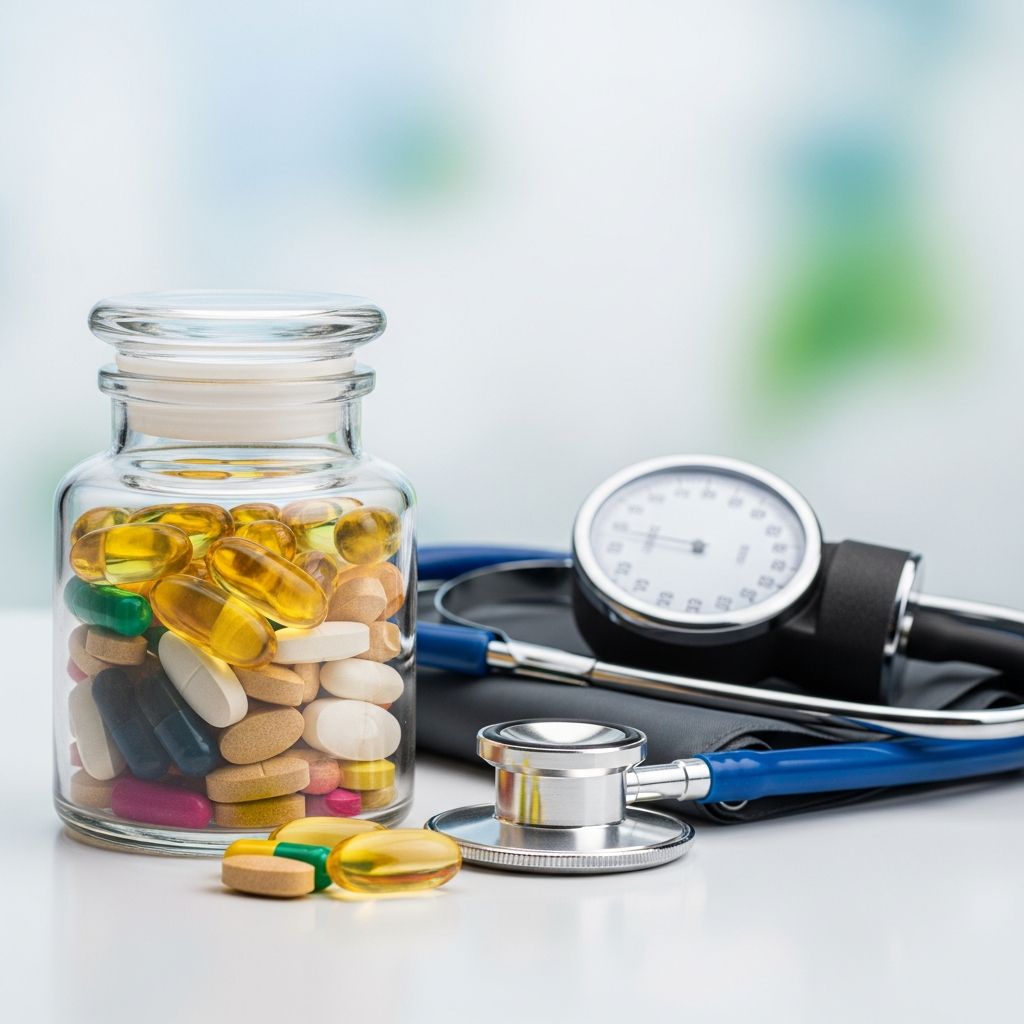
High cholesterol affects millions, prompting many to turn to supplements for relief. However, not all are safe or effective, especially if you’re on statin therapy or managing LDL levels. This article covers four key supplements to avoid—grapefruit, red yeast rice, vitamin A, and combination products—drawing from credible health authorities. Always consult your doctor before starting supplements, as they can interact dangerously with medications.
What Is High Cholesterol?
High cholesterol, or hyperlipidemia, occurs when blood levels of low-density lipoprotein (LDL, “bad” cholesterol) exceed healthy limits, raising heart disease risk. Total cholesterol above 200 mg/dL, LDL over 130 mg/dL, or low HDL (“good” cholesterol) signals concern. Causes include diet rich in saturated fats, genetics, inactivity, and age. Statins like rosuvastatin effectively lower LDL, but supplements promising similar benefits often fall short or pose risks.
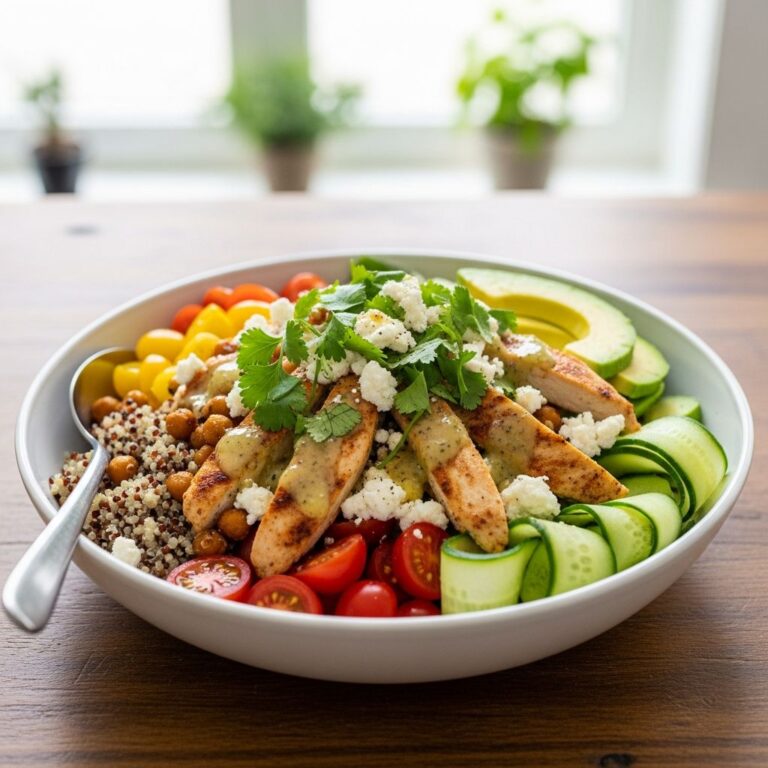
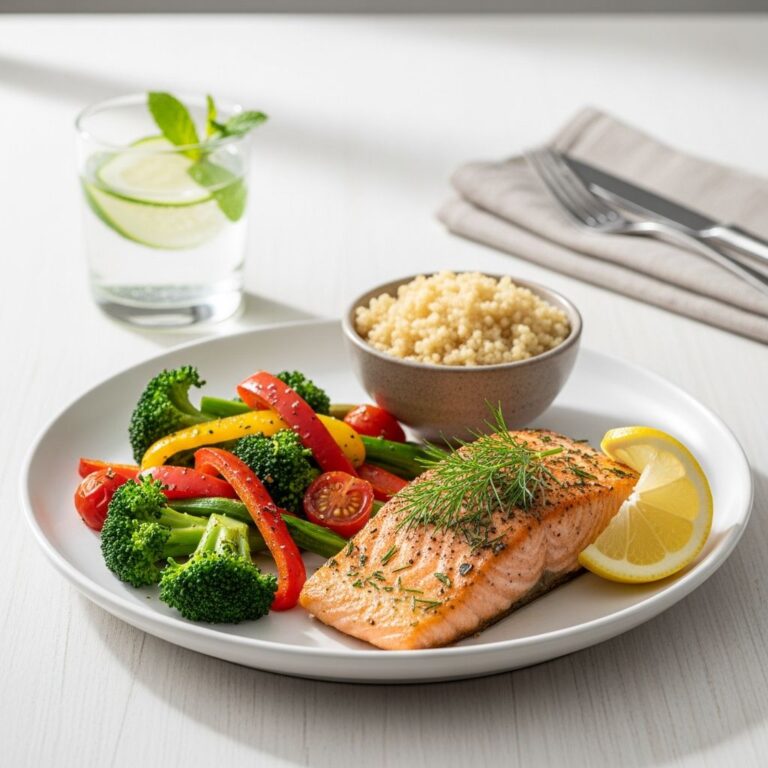
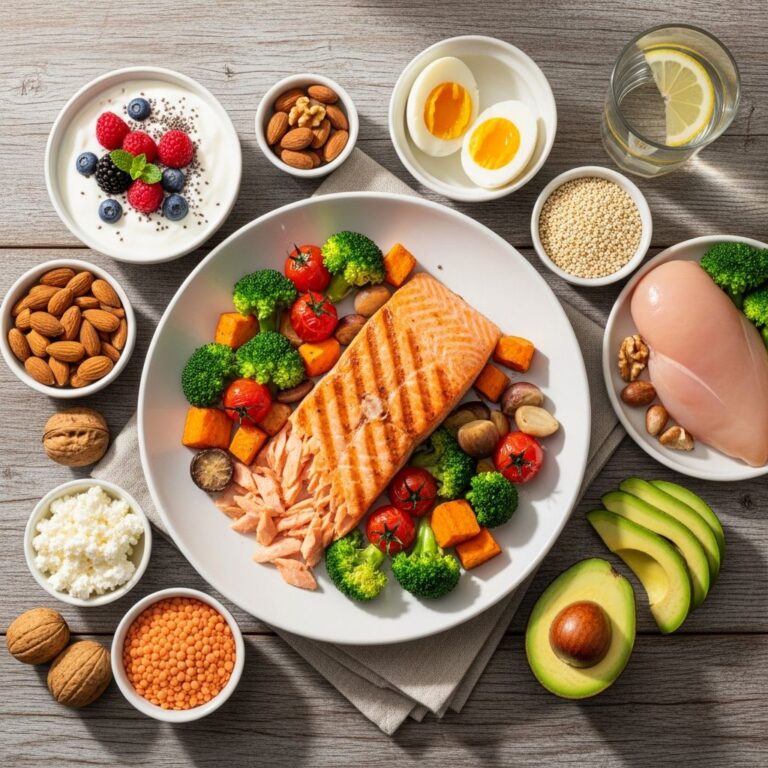
Lifestyle changes—eating oats, beans, nuts, fatty fish for omega-3s, and exercising—remain first-line defenses. Supplements may seem appealing, but evidence shows many don’t outperform placebos.
1. Grapefruit Supplements
Grapefruit and its extracts interact harmfully with statins, the cornerstone of cholesterol treatment. Compounds like furanocoumarins inhibit CYP3A4 enzymes in the liver and gut, slowing statin breakdown and elevating blood levels up to 10-fold. This heightens risks of muscle pain (myopathy), rhabdomyolysis, kidney damage, and liver toxicity.
Even supplement forms—pills, powders, or juices—carry the same danger. A single grapefruit equals 20-30g extract; avoid entirely if on statins like atorvastatin, lovastatin, or simvastatin. Alternatives? Focus on fiber-rich foods like oats and quinoa to naturally lower LDL without interactions.
- Risk Level: High for statin users.
- Safe Swap: Berries, citrus like oranges (no interaction).
- Evidence: Mayo Clinic warns against all grapefruit products with cholesterol meds.
2. Red Yeast Rice
Red yeast rice (RYR) contains monacolin K, chemically identical to lovastatin—a prescription statin. It lowers LDL by 20-30% in trials with consistent monacolin levels, but supplements vary wildly. Some have trace amounts (ineffective), others high doses mimicking drugs without regulation, risking muscle damage, liver injury, and kidney issues.
The FDA deems RYR with >trace monacolin K an unapproved drug. A 2023 trial found RYR (2,400mg) no better than placebo for LDL reduction versus low-dose statins. Variability stems from fermentation; citrinin contamination adds kidney toxicity risks. If cholesterol is high, opt for prescribed statins over unpredictable RYR.
| Aspect | Red Yeast Rice | Prescription Statins |
|---|---|---|
| Dosage Consistency | Variable (0-10mg monacolin K) | Precise (e.g., 5-40mg lovastatin equiv.) |
| LDL Reduction | Inconsistent; often none | 20-50% reliable |
| Safety Monitoring | None (supplement) | FDA-regulated |
3. Vitamin A Supplements
Excess vitamin A (retinol form) from supplements links to hypercholesterolemia. High doses raise LDL by interfering with cholesterol metabolism and promoting liver fat accumulation. Studies show chronic intake over 10,000 IU/day elevates total and LDL cholesterol, especially in those with existing high levels.
Unlike beta-carotene (safe plant form), preformed vitamin A in cod liver oil or multivitamins accumulates toxically. Upper limit: 3,000mcg RAE/day for adults. If managing cholesterol, skip high-dose vitamin A; get needs from diet (carrots, spinach). Those on statins face amplified liver strain.
Related Stories



- Daily Limit: Avoid >3,000mcg if high cholesterol.
- Sources to Limit: Retinol pills, liver products.
- Benefits Elsewhere: Supports vision, immunity—in moderation.
4. Combination Supplements
“Cholesterol-lowering” combos pack plant sterols, policosanols, or garlic with unproven synergies, often masking risks. Plant sterols (1,600mg) showed no LDL drop vs. placebo in recent trials. Mixtures amplify interactions—e.g., RYR + CoQ10 still risks myopathy without standardization.
AHA research on six combos (fish oil, sterols, RYR) confirmed ineffectiveness over 28 days. Labels mislead; prioritize single, evidence-based options like prescription niacin under supervision.
What Supplements Might Help High Cholesterol?
Not all supplements are villains. Mayo Clinic notes potential for:
- Plant Stanols/Sterols: 2g/day may cut LDL 10% via food; supplements less consistent.
- Niacin: Lowers LDL/triglycerides, boosts HDL; causes flushing.
- Omega-3s: Fish oil aids triglycerides, not always LDL; discuss with doctor.
- Flaxseed: Whole seeds reduce total/LDL in women/post-menopause.
Green tea catechins offer modest 2-5% LDL drops. Bergamot shows promise but limited data. Always pair with diet: avoid saturated fats, embrace oats, nuts, salmon.
How to Lower Cholesterol Naturally
Supplements aside, proven strategies include:
- Diet: Soluble fiber (oats, beans) binds cholesterol; omega-3s from salmon/walnuts.
- Exercise: 150min/week moderate activity raises HDL, lowers LDL.
- Weight Management: 5-10% loss drops LDL 5-8%.
- Quit Smoking: Improves HDL.
Statins outperform supplements; low-dose rosuvastatin slashed LDL far better than fish oil or garlic.
When to See a Doctor
Test lipids every 4-6 years; more if high-risk (diabetes, family history). Symptoms rare, but chest pain signals urgency. Discuss all supplements—interactions kill. Personalized plans beat DIY.
Frequently Asked Questions (FAQs)
Can fish oil lower cholesterol?
Fish oil reduces triglycerides but not reliably LDL; ineffective vs. statins in trials.
Is red yeast rice a safe statin alternative?
No—unregulated monacolin K causes side effects without benefits.
Do plant sterols work as supplements?
Modest LDL reduction in foods; supplements inconsistent, no better than placebo recently.
Should I take CoQ10 with statins?
May ease muscle pain; evidence mixed—not a cholesterol fix.
What’s the best diet for high cholesterol?
Mediterranean: oats, nuts, fish, veggies; limit saturated fats.
References
- 5 foods to avoid with high cholesterol (and what to eat instead) — Baylor Scott & White Health. 2023. https://www.bswhealth.com/blog/foods-to-avoid-with-high-cholesterol
- Cholesterol-lowering supplements may be helpful – Mayo Clinic — Mayo Clinic. 2023-10-04. https://www.mayoclinic.org/diseases-conditions/high-blood-cholesterol/in-depth/cholesterol-lowering-supplements/art-20050980
- High Cholesterol and Natural Products: What the Science Says — National Center for Complementary and Integrative Health (NCCIH). 2024. https://www.nccih.nih.gov/health/providers/digest/high-cholesterol-and-natural-products-science
- 6 common “heart-health” supplements ineffective at lowering cholesterol compared to statins — American Heart Association Newsroom. 2023-05-02. https://newsroom.heart.org/news/6-common-heart-health-supplements-ineffective-at-lowering-cholesterol-compared-to-statins
- 6 Supplements That Won’t Lower Your Cholesterol — AARP. 2023. https://www.aarp.org/health/conditions-treatments/do-supplements-lower-cholesterol/
- Cleveland Clinic Trial Finds Six Common Supplements Do Not Lower Cholesterol — Cleveland Clinic (YouTube). 2023. https://www.youtube.com/watch?v=7rcBlpg3UuM
- 4 Supplements You Shouldn’t Be Taking If You Have High Cholesterol — AOL. 2024. https://www.aol.com/4-supplements-shouldnt-taking-high-174231822.html
Similar Articles








Read full bio of Sneha Tete