Supporting Kids Through Eczema Challenges
Practical strategies to ease your child's eczema symptoms, reduce itching, and build emotional resilience for daily comfort.
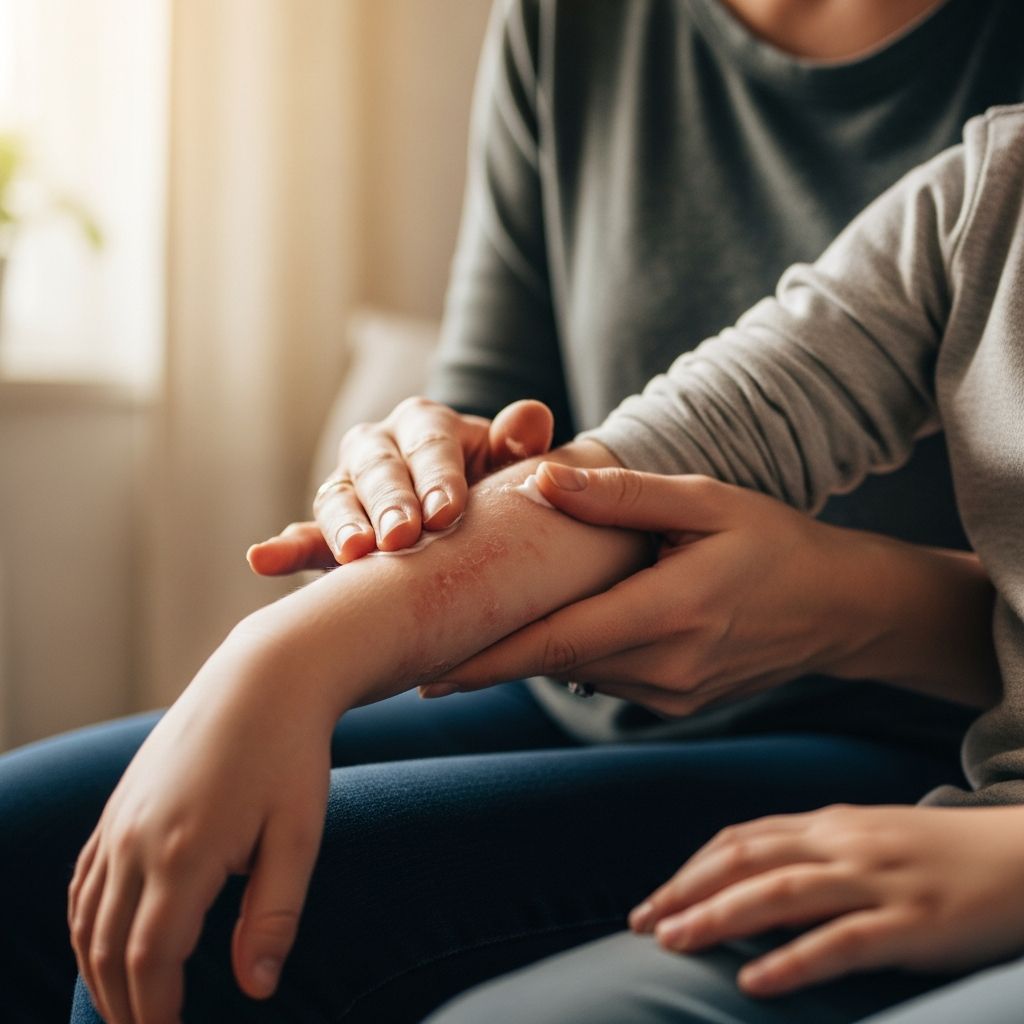
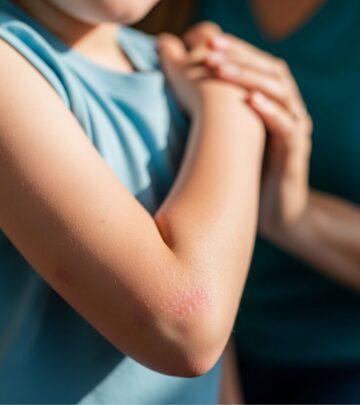
Eczema affects millions of children, causing red, itchy, and inflamed skin that disrupts daily life. With consistent care routines and empathetic support, parents can significantly reduce symptoms and improve their child’s well-being. This guide outlines practical steps for skin management, itch relief, and fostering resilience.
Building a Strong Daily Skincare Foundation
The cornerstone of managing pediatric eczema lies in maintaining the skin’s natural barrier through regular hydration and gentle cleansing. Dry skin exacerbates flares, so proactive moisturizing is essential.
Establish a routine that includes bathing followed immediately by emollient application. Lukewarm water baths lasting 5-10 minutes help hydrate without stripping natural oils. Opt for fragrance-free cleansers over harsh soaps, which can irritate sensitive skin.
- Use lukewarm water to avoid drying out the skin.
- Gently cleanse without scrubbing affected areas.
- Pat dry to leave skin slightly damp.
After bathing, apply thick ointments or creams liberally within three minutes to seal in moisture—a technique known as “soak and seal”. Repeat moisturizing throughout the day, especially when skin feels tight or itchy. Ointments provide superior occlusion compared to lotions.
Advanced Bathing Techniques for Flare Prevention
Bleach baths dilute household bleach to mimic pool chlorination levels, reducing bacterial load on the skin and preventing infections that worsen eczema. Perform these 1-2 times weekly as a preventive measure, not just during flares.
| Step | Instructions |
|---|---|
| 1. Fill tub | 40-gallon tub with warm water; add ¼-½ cup bleach. |
| 2. Soak | 10-15 minutes, neck down or on affected areas. |
| 3. Rinse & Moisturize | Rinse with fresh water, pat dry, apply emollient immediately. |
Consult a pediatrician if your child has asthma or bleach sensitivity. Colloidal oatmeal baths offer another soothing option, relieving itch by forming a protective layer on the skin. Add to running lukewarm water and soak for 10-15 minutes before moisturizing.
Targeted Treatments for Moderate to Severe Cases
For persistent flares, topical corticosteroids form the backbone of therapy, applied as prescribed to inflamed areas post-bath. A stepped approach tailors intensity to severity: mild cases use low-potency options, while moderate to severe may require stronger formulations or calcineurin inhibitors under medical supervision.
Wet wrap therapy intensifies treatment during acute episodes. After applying medication and moisturizer, wrap damp gauze or clothing over affected areas, covered by dry layers overnight. This enhances absorption and calms intense itching.
- Best performed evenings after full skincare routine.
- Monitor for overheating; use breathable fabrics.
- Limit to short-term use during flares.
Quick Itch Relief Strategies at Home
Itching drives scratching cycles that damage skin and invite infection. Immediate interventions break this pattern without relying solely on medications.
- Cool Compress: Soak a clean cloth in cool water, wring damp, and apply to itchy spots for relief, followed by moisturizer.
- Gentle Pinching or Tapping: Pinch nearby non-affected skin or have older kids tap gently to distract nerve signals.
- Oatmeal Compress: Blend colloidal oatmeal into a paste for direct application.
- Stress Reduction: Calm activities like reading or cuddling lower cortisol, which worsens flares.
Related Stories



Keep nails trimmed short post-bath and dress in loose, soft cotton clothing to minimize unconscious scratching. For toddlers, sock-gloves over hands provide temporary barriers during peak itch times.
Identifying and Avoiding Common Triggers
Eczema flares often stem from environmental irritants. Track patterns to pinpoint culprits: harsh detergents, wool fabrics, extreme temperatures, or allergens like dust mites.
- Switch to fragrance-free, “free and clear” laundry products.
- Avoid fabric softeners and opt for cotton bedding.
- Maintain moderate room humidity (40-60%) with a humidifier.
- Limit exposure to pet dander or pollen during high seasons.
Food allergies trigger some cases; allergy testing via a specialist can guide elimination if suspected. Infections, marked by oozing or crusting, require prompt antibiotics to prevent escalation.
Navigating School and Social Life with Eczema
Children spend much of their day at school, where routines lapse and stress mounts. Partner with teachers to maintain care: provide moisturizers, spare clothes, and flare action plans.
Educate peers gently to reduce stigma—simple explanations like “My skin gets bumpy and itchy sometimes” normalize the condition. Encourage self-advocacy in older kids, such as requesting bathroom breaks for reapplication.
Emotional and Psychological Support
Chronic itch affects sleep, mood, and self-esteem. Validate feelings: “I know it’s really uncomfortable, and we’re tackling it together.” Age-appropriate distractions like games or music divert focus from urges.
For severe emotional impact, pediatric psychologists offer coping tools. Family stress amplifies symptoms, so parental self-care—deep breathing or support groups—benefits everyone.
FAQs
How often should I bathe my child with eczema?
Daily 5-10 minute lukewarm baths are ideal, followed by immediate moisturizing to hydrate without over-drying.
Are steroid creams safe for long-term use?
When used as directed short-term, yes; follow a doctor’s stepped plan to avoid side effects.
What if over-the-counter remedies fail?
Consult a dermatologist for prescription options like wet wraps or advanced topicals.
Can diet influence eczema?
Some children react to allergens; testing identifies triggers, but elimination diets need supervision.
How do I handle nighttime itching?
Pre-bed soak-and-seal, wet wraps, or anti-itch meds calm skin for better sleep.
Long-Term Outlook and When to Seek Help
Many children outgrow eczema, but consistent management prevents complications like scarring or infections. Red flags include widespread oozing, fever, or unrelieved pain—seek immediate care. Regular pediatric dermatology check-ins adjust plans as needs evolve.
Empower your child with knowledge: explain routines simply, involve them in application, and celebrate itch-free days. This builds confidence and adherence.
References
- Eczema Treatment for Children — National Eczema Association. 2023. https://nationaleczema.org/children/treatment/
- Treating your child’s eczema — Mayo Clinic Health System. 2023. https://www.mayoclinichealthsystem.org/hometown-health/speaking-of-health/treating-your-childs-eczema
- Management of atopic eczema in children aged up to 12 years — PMC (NCBI). 2007 (authoritative clinical guidance). https://pmc.ncbi.nlm.nih.gov/articles/PMC2137073/
- Home remedies: What can relieve itchy eczema? — American Academy of Dermatology. 2023. https://www.aad.org/public/diseases/eczema/childhood/itch-relief/home-remedies
- Eczema In Children — Children’s Hospital Colorado. 2023. https://www.childrenscolorado.org/conditions-and-advice/conditions-and-symptoms/symptoms/eczema/
- Atopic dermatitis (eczema) – Diagnosis and treatment — Mayo Clinic. 2023. https://www.mayoclinic.org/diseases-conditions/atopic-dermatitis-eczema/diagnosis-treatment/drc-20353279
Similar Articles








Read full bio of medha deb