Supporting Loved Ones With Parkinson’s: Practical Care Guide
Discover practical, compassionate strategies to empower and uplift those living with Parkinson's disease while caring for your own well-being.
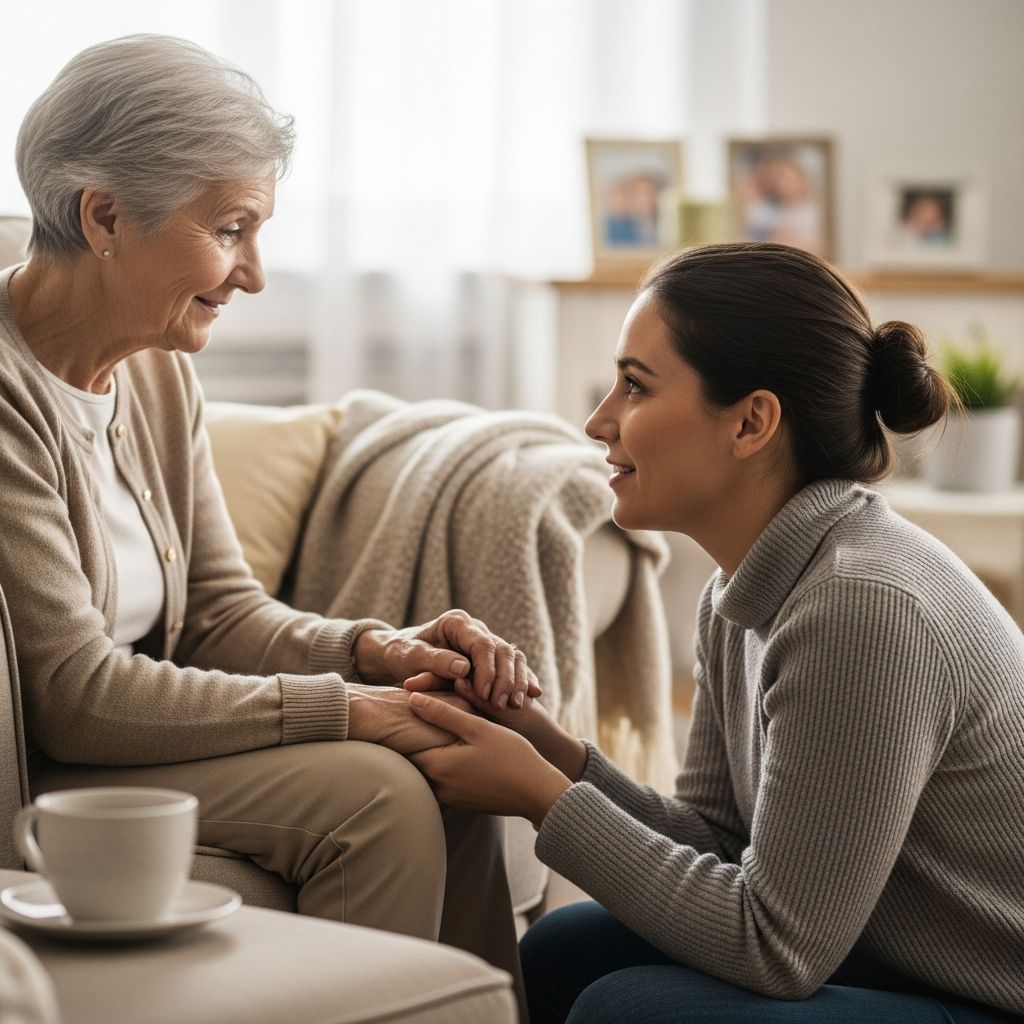
Parkinson’s disease presents unique challenges that affect not only the individual diagnosed but also their family and friends. Providing meaningful support involves understanding the condition, offering emotional backing, and implementing practical strategies to improve daily life. This comprehensive guide explores ways to stand by those with Parkinson’s, drawing from established health resources to promote independence and well-being for everyone involved.
Understanding Parkinson’s and Its Impact
Parkinson’s disease is a progressive neurological disorder that primarily affects movement, causing symptoms like tremors, stiffness, and balance issues. Non-motor symptoms, such as fatigue, depression, and sleep disturbances, also play a significant role. Recognizing these helps supporters respond effectively.
Family members and friends can start by educating themselves about the disease’s progression. This knowledge reduces frustration and builds empathy. For instance, motor symptoms fluctuate, known as ‘on’ and ‘off’ periods, influenced by medications. Patience during these times is crucial.
Emotional Encouragement: Building a Strong Foundation
Emotional support forms the cornerstone of helping someone with Parkinson’s. Simple acts of listening and validation can alleviate feelings of isolation.
- Listen actively without interrupting, allowing them to express frustrations or fears.
- Validate their experiences by acknowledging the reality of their symptoms, avoiding dismissive phrases.
- Celebrate small victories, like completing a short walk, to boost morale.
Encourage open conversations about their needs. Regularly check in with questions like, ‘How are you feeling today?’ or ‘What would make this easier?’ This fosters trust and partnership.
Practical Daily Assistance: Enhancing Independence
While emotional support matters, hands-on help with daily tasks preserves dignity and autonomy. Focus on strategies that empower rather than over-assist.
- Assist with meal preparation by chopping vegetables or setting up ingredients, enabling them to cook safely.
- Help organize medications using pill organizers or apps for reminders.
- Accompany them to appointments, taking notes to ensure nothing is missed.
Adapt routines together. For example, break chores into smaller steps to avoid overwhelm. These actions show care while respecting their capabilities.
Promoting Physical Health Through Activity
Regular exercise significantly benefits those with Parkinson’s, improving mobility, mood, and cognitive function. Supporters can motivate participation without pressure.
According to health experts, incorporating aerobic, strength, and balance exercises is ideal. Join in activities like walking or yoga classes tailored for Parkinson’s to make it enjoyable and social.
| Exercise Type | Benefits | How to Support |
|---|---|---|
| Aerobic (walking, swimming) | Boosts endurance, heart health | Schedule joint walks, track progress |
| Strength training | Maintains muscle mass | Provide resistance bands, spot during lifts |
| Balance (Tai Chi, yoga) | Reduces fall risk | Attend classes together, practice at home |
Physical and occupational therapies are also vital. Physiotherapists address stiffness and gait, while occupational therapists adapt daily activities. Encourage consistent therapy sessions and help implement home exercises.
Creating a Safe and Accessible Home Environment
Related Stories



Home modifications prevent accidents and simplify routines, crucial as symptoms progress. Collaborate on changes to make the space supportive.
- Install grab bars in bathrooms and along hallways for stability.
- Remove rugs and clutter to minimize tripping hazards.
- Use adaptive tools like weighted utensils or reachers for easier handling.
Consult occupational therapists for personalized advice on assistive devices. Rearranging furniture for clear pathways and better lighting enhances safety. These adjustments promote confidence in navigating the home independently.
Fostering Social Connections and Combating Isolation
Social engagement counters depression and cognitive decline common in Parkinson’s. Help maintain relationships and discover new communities.
Plan outings like coffee meetups or park visits. Support groups provide peer understanding; the Parkinson’s Foundation offers local and online options. Virtual calls with friends keep bonds alive on tougher days.
- Host small gatherings to ease social re-entry.
- Encourage hobby clubs or Parkinson’s-specific dance classes.
- Facilitate family video chats for distant relatives.
Social ties stimulate the brain and uplift spirits. Your role in coordinating these can make a profound difference.
Navigating Healthcare and Treatment Options
Supporting medical management involves advocacy and organization. Stay informed about treatments like medications, deep brain stimulation (DBS), and focused ultrasound.
Accompany them to specialist visits, prepare questions, and track symptom changes. Resources from the American Parkinson Disease Association provide helplines and education. Monitor medication timing to manage ‘off’ periods effectively.
Incorporating Complementary Therapies
Beyond conventional treatments, complementary approaches like yoga, Tai Chi, massage, and acupuncture offer relief. These improve flexibility, reduce stress, and enhance sleep.
- Research local classes adapted for Parkinson’s.
- Try massage for muscle tension relief.
- Explore meditation apps for daily relaxation.
Integrate these with doctor approval to complement primary care.
Prioritizing Caregiver Well-Being
Supporting someone with Parkinson’s demands energy; self-care prevents burnout. Experts emphasize balance for sustainability.
- Schedule personal time for hobbies or rest.
- Join caregiver support groups via the Michael J. Fox Foundation.
- Delegate tasks to other family members or services.
Practice mindfulness or seek counseling. A healthy caregiver provides better support long-term.
Long-Term Planning and Resources
Discuss future needs early, including legal documents and care plans. Organizations like the Parkinson’s Foundation offer tools for every stage.
Local authorities can assess needs for additional support. Build a network of professionals: neurologists, therapists, and social workers.
Frequently Asked Questions (FAQs)
What should I say to someone newly diagnosed with Parkinson’s?
Express empathy: ‘I’m here for you, and we’ll navigate this together.’ Avoid unhelpful platitudes.
How can I help with mobility issues?
Encourage therapy, provide walking aids, and walk alongside for encouragement without leading.
Are support groups beneficial?
Yes, they offer shared experiences and strategies. Find them through Parkinson’s Foundation or APDA.
What home changes are most important?
Prioritize fall prevention: grab bars, clear paths, good lighting.
How do I avoid caregiver fatigue?
Set boundaries, seek respite care, and connect with support networks.
References
- Living With Parkinson’s Disease (PD): Treatment and Support Resources — DBSandMe. 2024. https://www.dbsandme.com/en/support-and-resources/articles/living-with-parkinsons-treatment-support-resources.html
- 10 Ways to Manage Your Parkinson’s Symptoms and Enhance Your Life — PhotoPharmics. 2024. https://photopharmics.com/10-ways-to-manage-your-parkinsons-symptoms-and-enhance-your-life/
- Resources & Support — Parkinson’s Foundation. 2024. https://www.parkinson.org/resources-support
- Parkinson’s disease – Treatment — NHS. 2024. https://www.nhs.uk/conditions/parkinsons-disease/treatment/
- Ask the MD: Five Tips to Support a Loved One with Parkinson’s — Michael J. Fox Foundation (YouTube). 2024-12-23. https://www.youtube.com/watch?v=GiY7cJ02das
- Parkinson’s disease – Diagnosis and treatment — Mayo Clinic. 2024. https://www.mayoclinic.org/diseases-conditions/parkinsons-disease/diagnosis-treatment/drc-20376062
- Medications & Treatments — Michael J. Fox Foundation. 2024. https://www.michaeljfox.org/medications-treatments
Similar Articles








Read full bio of Sneha Tete