Undefined Suppositories Guide: Uses, Insertion, Safety
Discover how suppositories deliver medication effectively through rectal, vaginal, and other routes, offering advantages for patients who can't use oral drugs.
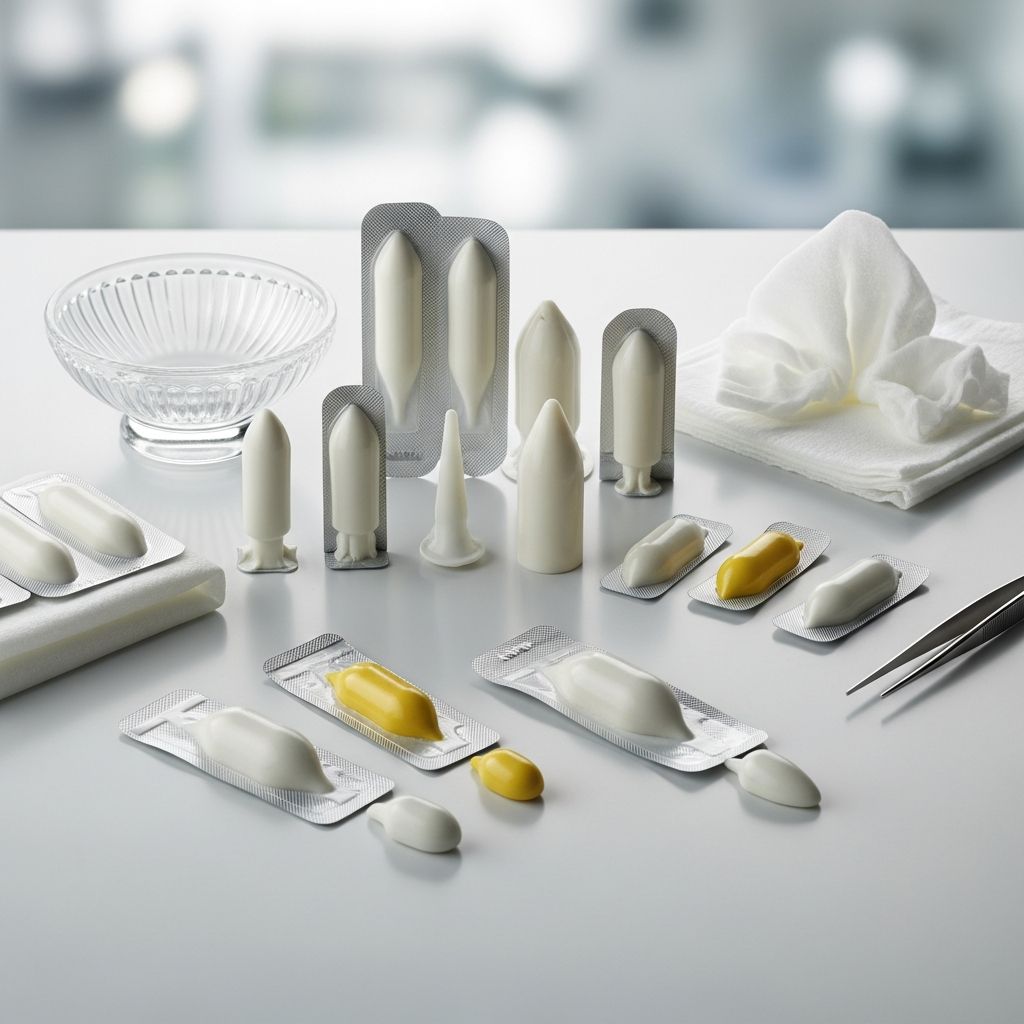
Suppositories provide an alternative method for delivering medications when oral intake is not feasible, melting inside the body to release active ingredients directly at the site or into the bloodstream.
Understanding Suppository Basics
These medications come in a solid, cone-shaped or oval form designed for insertion into body cavities such as the rectum, vagina, or urethra. Once inserted, body heat causes the base material to soften and dissolve, allowing the drug to be absorbed through the mucous membranes. This approach bypasses the digestive system, avoiding issues like nausea or first-pass metabolism where the liver breaks down drugs before they reach full effect.
Common base materials include cocoa butter for its low melting point, polyethylene glycol for water-soluble options, and synthetic emulsifiers like witepsol for stability. The choice of base affects how quickly the suppository melts and releases the medication.
Primary Categories of Suppositories
Suppositories are classified by insertion site, each tailored to specific therapeutic needs.
- Rectal suppositories: The most prevalent type, typically torpedo-shaped for easy passage into the rectum. They measure about an inch in length.
- Vaginal suppositories: Often oval, used for gynecological issues and inserted deeper into the vagina.
- Urethral suppositories: Small, rice-grain sized, primarily for male erectile dysfunction with drugs like alprostadil.
- Other types: Less common nasal or ear versions for localized relief.
Special formulations include tablet-like compressed suppositories, layered ones to separate incompatible drugs, coated versions for smoother insertion, and capsule-filled types for liquids or semisolids.
Key Medical Applications
Suppositories address a wide array of conditions, particularly where rapid or localized action is needed.
Rectal Uses
Rectal administration excels for gastrointestinal and systemic relief. Glycerin or bisacodyl suppositories act as laxatives to soften stool and stimulate bowel movements in constipation cases. They also treat hemorrhoids by reducing swelling and discomfort. Other applications include fever reduction with acetaminophen, anti-nausea for motion sickness, pain relief, allergy management, anxiety, seizures, and even mental health conditions like bipolar disorder or schizophrenia.
Vaginal Applications
These target infections and dryness. Antifungals like clotrimazole or miconazole combat yeast infections, while estrogen-based ones alleviate dryness. Emerging uses include birth control and STI prevention.
Specialized Uses
Urethral suppositories aid erectile function. Rectal forms benefit infants, elderly, or post-surgery patients unable to swallow.
| Suppository Type | Primary Conditions | Examples |
|---|---|---|
| Rectal | Constipation, Hemorrhoids, Nausea, Fever, Pain | Glycerin, Bisacodyl, Acetaminophen |
| Vaginal | Infections, Dryness, Birth Control | Clotrimazole, Estrogen |
| Urethral | Erectile Dysfunction | Alprostadil (MUSE) |
Pharmacological Advantages
Suppositories offer distinct benefits over oral or injectable forms. They avoid the harsh stomach environment, preventing breakdown of sensitive drugs and reducing gastric irritation. This leads to higher bioavailability, especially for patients vomiting, with blockages, or unable to swallow—ideal for epileptics, unconscious individuals, or children.
Local effects minimize systemic side effects; for instance, lower doses suffice for targeted action, cutting toxicity risks. No needles mean painless self-administration, and they dissolve fully without residue, unlike some vaginal tablets.
Related Stories



- Avoid first-pass liver metabolism for better drug potency.
- Rapid onset for emergencies like seizures.
- Stable storage without refrigeration for many types.
Correct Insertion Techniques
Proper use ensures efficacy and comfort. Always wash hands and wear gloves if possible.
For Rectal Suppositories
- Chill the suppository if too soft.
- Lie on your side with knees drawn up or stand with one leg raised.
- Unwrap and insert pointed end first, about 1 inch into the rectum using a lubricated finger.
- Remain lying down 10-15 minutes to allow melting.
For Vaginal Suppositories
- Insert while lying back with knees bent, using fingers or an applicator.
- Push to the back of the vagina.
- Use a sanitary pad for discharge.
General Tips
Avoid bowel movements or urination post-insertion for 15-30 minutes. Store in a cool place to prevent premature melting.
Potential Side Effects and Precautions
While generally safe, issues can arise. Rectal use might cause minor bleeding, irritation, or strictures with chronic application. Vaginal ones may lead to discharge or itching. Allergic reactions to bases or drugs are possible.
- Consult a doctor for pregnancy, rectal bleeding, or prolonged use.
- Do not use if allergic to ingredients.
- Children under 6 require medical advice.
Overuse of laxative suppositories can lead to dependency.
Who Benefits Most from Suppositories
Pediatric and geriatric populations gain significantly due to swallowing difficulties. Nausea sufferers, post-op patients, and those with GI obstructions find them invaluable. For localized issues like hemorrhoids or infections, direct delivery enhances outcomes.
Future Developments in Suppository Technology
Research explores advanced formulations for HIV antivirals, contraceptives, and STD protection via rectal or vaginal routes. Improved bases promise better release control and patient acceptance.
Frequently Asked Questions (FAQs)
What if a suppository falls out?
If expelled soon after insertion, reinsert if intact; otherwise, wait and try again later.
Can suppositories be cut in half?
Only if scored and advised by a pharmacist; uneven dosing risks exist.
How long do they take to work?
Laxatives: 15-60 minutes; pain relievers: 30-60 minutes.
Are suppositories safe during pregnancy?
Some are, like certain laxatives, but consult a healthcare provider.
Do they stain clothing?
Modern bases rarely do; use protection if concerned.
References
- Suppository Dosage Form: Benefits And Challenges — LGM Pharma. 2023. https://lgmpharma.com/blog/suppository-dosage-form-benefits-and-challenges/
- How do suppositories work? Uses, instructions, and pictures — Medical News Today. 2023-05-29. https://www.medicalnewstoday.com/articles/323008
- Definition, Types, Advantages and Disadvantages of Suppositories — Pharma Guideline. 2021-10-20. https://www.pharmaguideline.com/2021/10/definition-types-advantages-and-disadvantages-of-suppositories.html
- Suppository — Wikipedia. 2024. https://en.wikipedia.org/wiki/Suppository
- Suppositories: What They Treat and How to Use Them — WebMD. 2023. https://www.webmd.com/digestive-disorders/suppositories-how-to-use
- Suppositories how to use them — Plymouth Hospitals NHS. 2023. https://www.plymouthhospitals.nhs.uk/display-pil/pil-suppositories-how-to-use-them–6294/
- Suppositories: What Are They, How Do They work, Types — Cleveland Clinic. 2023-08-01. https://my.clevelandclinic.org/health/drugs/suppositories
Similar Articles








Read full bio of medha deb