Suppositories: 3 Types, Safe Use Guide & Benefits
Discover everything you need to know about suppositories: types, uses, how they work, and safe insertion tips for effective relief.
A
suppository
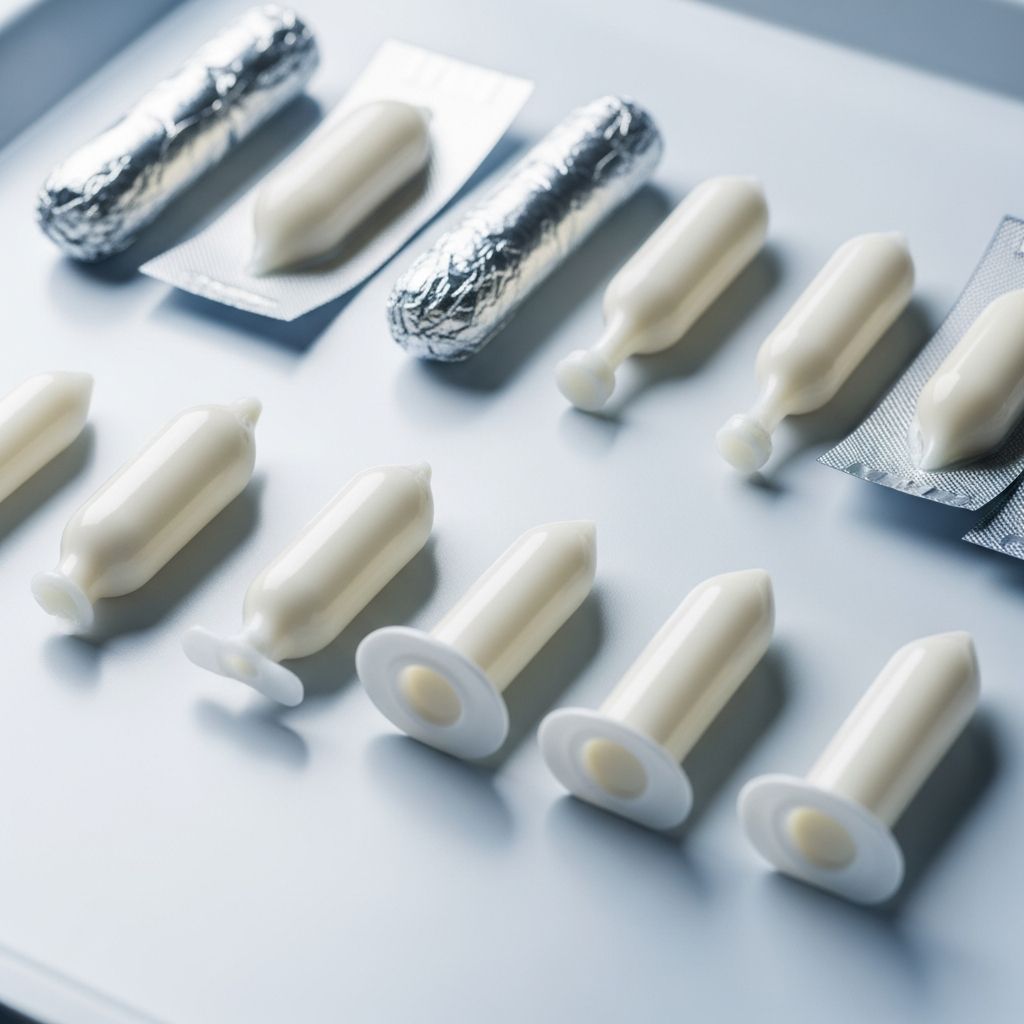
is a solid dosage form of medication designed for insertion into body cavities such as the rectum, vagina, or urethra, where it melts or dissolves at body temperature to release the active drug for local or systemic absorption. This delivery method bypasses the digestive system, avoiding first-pass metabolism in the liver and providing targeted relief with potentially fewer systemic side effects.How Do Suppositories Work?
Suppositories are typically small, cone-shaped, oval, or bullet-shaped solids made from a base material like cocoa butter, glycerin, or polyethylene glycol (PEG) combined with active pharmaceutical ingredients (APIs). Upon insertion, body heat (around 98.6°F or 37°C) causes the base to soften and melt, releasing the medication. The drug is then absorbed directly through the mucous membranes into local tissues or the bloodstream. This process allows for rapid onset—often within 15-30 minutes—and higher bioavailability compared to oral pills, as it skips stomach acid degradation and liver processing.
For
rectal suppositories
, absorption occurs via the rich vascular supply in the lower rectum, enabling both local treatment (e.g., hemorrhoids) and systemic effects (e.g., fever reduction).Vaginal suppositories
target the vaginal mucosa for conditions like infections or atrophy, delivering drugs precisely to the site while minimizing exposure elsewhere. Urethral suppositories, less common, are used for specific urological issues.Types of Suppositories
There are three primary types of suppositories, each suited to specific body cavities and medical needs:
- Rectal suppositories: Inserted into the anus/rectum; about 1-2 inches long with a rounded tip. Common for constipation, pain, nausea, and fever.
- Vaginal suppositories: Oval or egg-shaped for vaginal insertion. Used for yeast infections, bacterial vaginosis, and hormonal therapies.
- Urethral suppositories: Small pellets inserted into the urethra, primarily for erectile dysfunction (e.g., alprostadil).
Uses for Suppositories
Suppositories treat a wide range of conditions when oral medications are impractical—such as during vomiting, swallowing difficulties, or for localized therapy. Key uses include:
- Constipation: Glycerin suppositories draw water into the rectum, softening stool for quick relief (15-60 minutes).
- Hemorrhoids: Phenylephrine or hydrocortisone suppositories reduce swelling, itching, and pain.
- Pain and fever: Acetaminophen or ibuprofen suppositories for children or post-surgery patients.
- Nausea and seizures: Anti-emetics like promethazine or diazepam for rapid absorption.
- Vaginal infections and health: Antifungals (e.g., miconazole for yeast), antibiotics for bacterial vaginosis, or estrogen for atrophy.
- Mental health: For anxiety, schizophrenia, or bipolar when oral intake fails.
- Other: HIV prevention microbicides, fertility treatments, and pregnancy-related issues via vaginal routes.
In women’s health, vaginal suppositories are growing in popularity due to precise delivery for infections, atrophy, and STIs, with innovations like nanotechnology enhancing efficacy.
Who Might Need to Use a Suppository?
Suppositories benefit diverse groups:
- Infants and children unable to swallow pills.
- Adults with nausea, vomiting, or GI blockages.
- Post-surgical patients or those with dysphagia.
- Women seeking localized gynecological treatments.
- Individuals preferring discreet, needle-free options.
They are especially valuable in pediatrics, geriatrics, and chronic conditions where adherence to oral meds is low.
Suppository Pros and Cons
| Pros | Cons |
|---|---|
| Localized delivery minimizes systemic side effects | Potential discomfort or mess during insertion/melting |
| Bypasses first-pass metabolism for better bioavailability | User acceptance issues (embarrassment, unfamiliarity) |
| Fast-acting for emergencies (e.g., seizures) | Not suitable for all drugs; formulation challenges |
| Ideal for non-oral candidates (kids, vomiting) | Risk of expulsion if not inserted properly |
| High adherence for targeted therapies | Limited availability for some medications |
Related Stories



How to Use Rectal Suppositories
Follow these steps for safe, effective use:
- Wash hands thoroughly with soap and water.
- Prepare: Unwrap the suppository; if hard, run under warm water for 10-20 seconds to soften.
- Position: Lie on your side with knees drawn up (Sims’ position) or stand with one leg raised.
- Insert: Gently push the pointed end 1 inch into the rectum using a clean finger. Avoid forcing.
- Relax: Stay lying down 5-15 minutes to prevent expulsion.
- Wash hands again. Effects begin in 15-60 minutes.
Tip: Use lubricant if needed; store in a cool place to prevent premature melting.
How to Use Vaginal Suppositories
Vaginal insertion mirrors rectal but targets infections or dryness:
- Wash hands and genital area.
- Soften if necessary; lie on back with knees bent.
- Insert: Use applicator or finger to place high into vagina (as far as a tampon).
- Remain supine 15-30 minutes; use panty liner for leakage.
- Best at bedtime for retention.
Avoid intercourse or tampons during treatment unless directed.
Suppository Side Effects
Most are mild, but monitor for:
- Rectal: Irritation, burning, diarrhea, or cramping.
- Vaginal: Discharge, itching, or yeast overgrowth.
- Systemic: Allergic reactions (rash, swelling) or overdose symptoms.
Seek immediate care for severe pain, bleeding, or no bowel movement after laxative use (possible impaction).
When to See a Doctor
- Constipation persists >1 week or with blood.
- Vaginal symptoms worsen or recur frequently.
- Signs of infection/allergy appear.
- Pregnant, breastfeeding, or on other meds—consult first.
Frequently Asked Questions (FAQs)
Can suppositories be used during pregnancy?
Some are safe (e.g., glycerin for constipation), but vaginal types require doctor approval due to absorption risks.
Do suppositories work faster than pills?
Yes, often 15-30 minutes vs. 30-60 for orals, thanks to direct absorption.
What if a suppository falls out?
Wash and reinsert if intact; if dissolved, wait—effects may still occur.
Are suppositories safe for kids?
Yes, pediatric doses exist for fever/constipation; use under guidance.
How to store suppositories?
Refrigerate if cocoa butter-based; room temp for PEG to avoid melting.
This comprehensive guide empowers safe suppository use for various health needs, from everyday relief to specialized women’s health care. Always read labels and consult healthcare providers for personalized advice.
References
- The Growing Women’s Health Suppository Market: An Analysis — LGM Pharma. 2023. https://lgmpharma.com/blog/the-growing-womens-health-suppository-market-an-analysis/
- Designing and developing suppository formulations for anti-HIV microbicide drugs — Ther Deliv (PMC). 2017-08-21. https://pmc.ncbi.nlm.nih.gov/articles/PMC6123880/
- How do suppositories work? Uses, instructions, and pictures — Medical News Today. 2023. https://www.medicalnewstoday.com/articles/323008
- Rectal Suppository: Positions, Tips, Side Effects — Healthline. 2023-04-17. https://www.healthline.com/health/general-use/how-to-use-rectal-suppositories
- Glycerin Suppository: Uses, Side Effects, and Risks — Healthgrades. 2023. https://resources.healthgrades.com/right-care/digestive-health/glycerin-suppository
- Suppository for constipation: How to use and precautions — Medical News Today. 2023. https://www.medicalnewstoday.com/articles/suppository-for-constipation
- Preparation H (pe) 0.25 % rectal suppository — Kaiser Permanente. 2023. https://healthy.kaiserpermanente.org/health-wellness/drug-encyclopedia/drug.preparation-h-pe-0-25-rectal-suppository.618772
Similar Articles








Read full bio of medha deb