Surgical Options for Parkinson’s Disease
Discover advanced surgical interventions that offer hope for managing Parkinson's symptoms when medications fall short.
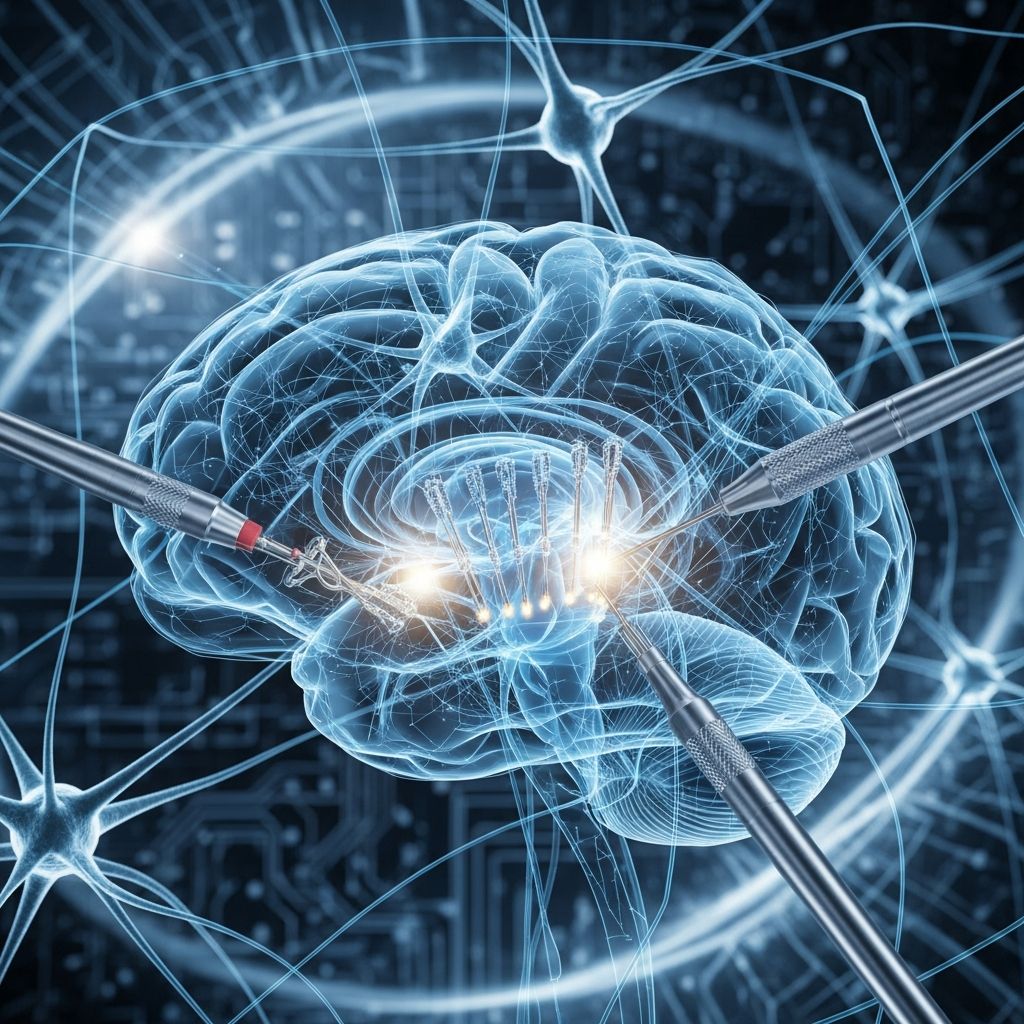
Parkinson’s disease progressively impairs movement through the loss of dopamine-producing cells in the brain, leading to symptoms such as tremors, stiffness, and slowness. While medications like levodopa provide initial relief, their effectiveness often wanes over time, causing fluctuations and side effects like dyskinesias. Surgical interventions step in for advanced cases, targeting brain circuits to restore smoother motor function and extend periods of good symptom control.
Understanding When Surgery Becomes Necessary
Surgery is typically considered for individuals with Parkinson’s who experience significant motor complications despite optimized medical therapy. Key indicators include unpredictable ‘off’ periods, severe tremors unresponsive to drugs, rigidity, bradykinesia, or levodopa-induced involuntary movements. Candidates must undergo thorough evaluations, including neurological assessments, imaging, and cognitive testing, to ensure they can tolerate the procedure and its adjustments.
These treatments do not cure Parkinson’s but can dramatically improve quality of life by reducing reliance on high-dose medications and minimizing daily disruptions. Success depends on factors like disease duration, symptom profile, and overall health.
Deep Brain Stimulation: The Leading Surgical Choice
**Deep brain stimulation (DBS)** stands as the most widely used and FDA-approved surgical approach for Parkinson’s, involving the implantation of electrodes in specific brain regions to deliver controlled electrical pulses. These pulses modulate abnormal neural activity, alleviating motor symptoms without destroying tissue.
The procedure unfolds in stages: first, thin leads are precisely placed in targets like the subthalamic nucleus (STN), globus pallidus interna (GPi), or thalamus using MRI-guided stereotaxy. Patients are often awake during lead placement for real-time symptom testing. A pulse generator, resembling a pacemaker, is then implanted under the collarbone and connected via subcutaneous wires. Post-surgery, programming sessions fine-tune stimulation parameters to optimize benefits and minimize side effects.
- Key Benefits: Reduces tremors, rigidity, and bradykinesia; cuts ‘off’ time by up to 50%; allows medication reduction; adjustable and reversible.
- Target Areas: STN for comprehensive symptom relief; GPi for dyskinesia control; thalamus for tremor-dominant cases.
- Outcomes: Many patients report sustained improvements for 5-10 years, with battery replacements every 3-5 years for rechargeable models.
DBS excels in bilateral symptom management but requires commitment to follow-up adjustments. Risks include infection (1-3%), hemorrhage (<1%), and temporary speech or mood changes, which often resolve with reprogramming.
Lesioning Procedures: Precise Brain Ablations
For patients unsuitable for DBS—due to medical contraindications or preference for non-implantable options—lesioning surgeries create targeted scars to disrupt faulty circuits. These irreversible procedures are usually unilateral to limit complications.
Pallidotomy
Pallidotomy targets the globus pallidus interna (GPi), a structure overactive in Parkinson’s. Using radiofrequency heat or other methods, surgeons ablate a small area, confirmed by MRI and intraoperative testing. This interrupts signals causing slowness, stiffness, and dystonia.
Related Stories



- Effective for levodopa fluctuations, painful muscle cramps, bradykinesia, and tremor.
- Unilateral focus reduces bilateral risks like cognitive decline or dysphonia.
Though less common today due to DBS advancements, pallidotomy remains valuable for select cases.
Thalamotomy
Thalamotomy lesions the thalamus to quell intractable tremors. Traditional approaches used radiofrequency, but it’s now often paired with modern techniques.
It excels against action tremors but offers limited aid for rigidity or gait issues.
Focused Ultrasound: A Non-Invasive Breakthrough
**Focused ultrasound (FUS)** represents a cutting-edge, incision-free method where high-intensity sound waves, guided by real-time MRI, converge to heat and ablate deep brain targets. Patients remain awake, providing feedback to refine accuracy.
FDA-approved for medication-resistant Parkinson’s tremor, FUS thalamotomy creates a permanent lesion in the ventral intermediate nucleus. Recent expansions include subthalamotomy for asymmetric symptoms.
| Advantages | Disadvantages |
|---|---|
| No skull incision or implants | Irreversible; unilateral only |
| Outpatient recovery (hours) | Potential side effects: numbness, balance issues |
| Precise, MRI-monitored | Limited to tremor-dominant PD |
Studies show 50-70% tremor reduction lasting years, with low complication rates.
Less Common and Experimental Approaches
Subthalamotomy destroys parts of the subthalamic nucleus to address limb symptoms contralaterally. Performed via radiofrequency or FUS, it’s reserved for unilateral needs due to bilateral risks like speech impairment.
Emerging therapies hint at future shifts: gene therapy to boost dopamine production, immunotherapy targeting alpha-synuclein aggregates, and cell transplantation to replace lost neurons. These remain investigational, with clinical trials assessing safety and efficacy.
Patient Selection and Preparation
Not everyone qualifies for surgery. Ideal candidates have:
- Idiopathic Parkinson’s confirmed by levodopa response.
- Motor complications refractory to meds.
- No significant cognitive impairment, psychosis, or untreated depression.
- Realistic expectations and support system.
Pre-op protocols involve multidisciplinary teams: neurologists, neurosurgeons, neuropsychologists, and therapists. Levodopa challenge tests predict outcomes.
Risks, Recovery, and Long-Term Management
All surgeries carry risks like bleeding, infection, or stroke (<5% combined). DBS adds hardware issues; lesioning risks permanence.
Recovery varies: DBS requires 2-4 weeks for full activity; FUS allows same-day discharge. Long-term, regular programming and monitoring ensure peak performance.
Comparing Surgical Options
| Procedure | Best For | Reversibility | Invasiveness |
|---|---|---|---|
| DBS | Advanced PD, multiple symptoms | Yes | Invasive (implant) |
| FUS Thalamotomy | Tremor-dominant | No | Non-invasive |
| Pallidotomy | Dyskinesia, dystonia | No | Invasive |
| Thalamotomy | Tremor | No | Invasive |
Frequently Asked Questions (FAQs)
Is DBS a cure for Parkinson’s?
No, it manages symptoms effectively but does not halt disease progression.
How long does DBS relief last?
Benefits often persist 5+ years, with adjustments extending efficacy.
Can FUS be done on both brain sides?
Typically unilateral; bilateral risks outweigh benefits.
What if surgery doesn’t help?
Options include reprogramming, medication tweaks, or alternative therapies like Duopa.
Who performs these surgeries?
Experienced neurosurgeons in specialized centers with movement disorder expertise.
Surgical advancements continue to evolve, offering renewed hope. Consult a movement disorder specialist to explore if these fit your journey.
References
- Current surgical treatments for Parkinson’s disease and potential paradigm shifts — PMC/NCBI. 2018-08-28. https://pmc.ncbi.nlm.nih.gov/articles/PMC6108190/
- Types of Surgery – Kaiser Permanente Parkinson’s Care — Kaiser Permanente. Accessed 2026. https://parkinsonscare.kaiserpermanente.org/types-of-surgery/
- Surgery for Parkinson’s Disease – Weill Cornell Neurosurgery — Weill Cornell Medicine. Accessed 2026. https://neurosurgery.weillcornell.org/condition/parkinsons-disease/surgery-parkinsons-disease
- Other Surgical Options – Parkinson’s Foundation — Parkinson’s Foundation. Accessed 2026. https://www.parkinson.org/living-with-parkinsons/treatment/surgical-options/other-surgical-options
- Surgical Options for Parkinson’s Disease with James Beck, PhD — Parkinson’s Foundation (YouTube). Accessed 2026. https://www.youtube.com/watch?v=pI_LtUrhAfg
- Deep Brain Stimulation – Michael J. Fox Foundation — Michael J. Fox Foundation. Accessed 2026. https://www.michaeljfox.org/deep-brain-stimulation
- Parkinson’s Disease Diagnosis and Treatment – Mayo Clinic — Mayo Clinic. Accessed 2026. https://www.mayoclinic.org/diseases-conditions/parkinsons-disease/diagnosis-treatment/drc-20376062
Similar Articles








Read full bio of Sneha Tete