Surgical Pathology: Diagnosis and Patient Care
Expert surgical pathology services for accurate diagnosis and optimal patient outcomes.
Understanding Surgical Pathology
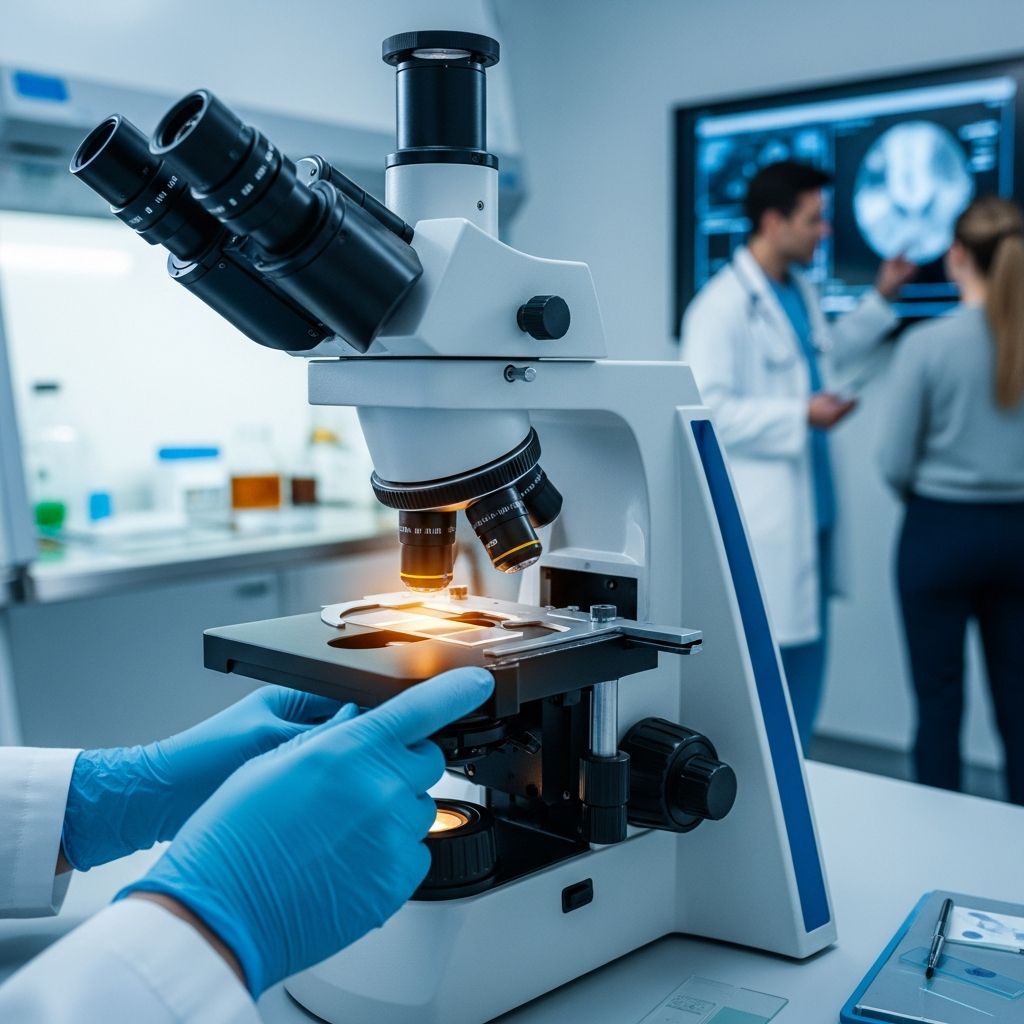
Surgical pathology is a critical medical specialty that plays an essential role in diagnosing and managing a broad spectrum of medical conditions. Pathologists examine tissue samples and other specimens removed during surgical procedures to identify diseases, determine the nature of abnormalities, and guide treatment decisions. This specialized field requires meticulous handling and care of medical specimens at every step to ensure accurate diagnoses and optimal patient care outcomes.
The primary mission of surgical pathology departments is to discover, disseminate, and apply knowledge in the study of disease while advancing the field of human health and providing the highest quality of patient care. Through rigorous diagnostic protocols and adherence to strict quality standards, surgical pathologists help physicians develop appropriate treatment plans tailored to each patient’s specific condition.
The Importance of Specimen Collection and Handling
Accurate diagnoses depend fundamentally on the proper collection and handling of surgical specimens. From the moment tissue is removed during a procedure until it reaches the pathology laboratory, every step must be carefully managed to preserve specimen integrity and ensure reliable diagnostic results. This process involves multiple healthcare professionals working in coordination, including surgeons, nurses, surgical technologists, and pathology staff.
Proper specimen management begins before the surgical procedure even commences. Healthcare teams must establish clear communication protocols and follow standardized procedures to ensure that specimens are collected appropriately and that all necessary information is documented accurately from the outset.
Specimen Order and Request Process
The surgical pathology process begins with a properly documented specimen order entered by an authorized prescriber or their designee. This initial request must include several critical components to ensure appropriate specimen handling and analysis:
– Required patient identifiers including the patient’s name, unique medical record number, and date of birth- The source or type of specimen being submitted- Additional comments or descriptions providing relevant clinical context, such as anatomical location or specific suture tag information- Any requests for special handling or specialized testing procedures- Clear identification and contact information for the authorized prescriber
The phase of care must also be indicated when the order is entered by the prescriber, helping to classify whether the examination is occurring during active treatment, follow-up, or another stage of patient management. Direct communication between the pathologist and prescriber is often required to discuss diagnosis or provide specific information about the specimen, ensuring that all clinical questions are addressed appropriately.
Specimen Collection and Transportation
Proper specimen collection begins with clear verification between the surgical team and pathology staff regarding the type of examination needed. Specimens may be collected for frozen section examination, fresh examination, permanent examination, research purposes, or a combination of these applications. Understanding the intended use of the specimen is crucial for determining how it should be handled and transported.
Frozen section diagnoses require immediate verbal communication from the pathologist to the surgeon or proceduralist, and additional specimens may need to be procured during the procedure. For specimens removed during minimally invasive robotic or laparoscopic procedures, the specimen must be announced at the time of resection and documented as pending collection. Resected specimens must be removed from the body cavity prior to closure of incisions to prevent specimen loss or degradation.
Related Stories



Certain specimens require special handling and must be collected fresh rather than in preservative solutions. These include:
– Specimens requiring flow cytometry analysis- Specimens where lymphoma is suspected or lymphoma work-up is requested- Specimens too large to place in a closed container, such as amputated limbs- Specimens shared with the microbiology laboratory for culture- Specimens requiring chromosome analysis or cytogenetics studies- Specimens needing intraoperative gross evaluation- Specimens requiring frozen section examination- Specimens collected for tissue harvesting under research or clinical trial protocols- Specimens requiring specialized testing such as urinary tract stone analysis or crystal analysis- Specimens from neuromuscular biopsies involving muscle or nerve tissue
Specimen Identification and Labeling Protocols
Accurate specimen identification is paramount to patient safety and diagnostic accuracy. Upon announcement and receipt of a specimen from the surgeon or proceduralist, the designated person in the operating or procedure room repeats the specimen name aloud for all procedural staff present, and the surgeon confirms the identification. This verbal verification serves as a critical safety checkpoint.
Specimen labels must be accurate, legible, and complete, with verification of information performed using a read-back method. Documentation on the label must include the patient’s name, medical record number, date of birth, and the collection date and time. The specimen source, including the specific tissue type and anatomical site with laterality information when applicable, must also be clearly documented.
Special attention is required for certain types of specimens. If a specimen is intended for reimplantation, it must be clearly labeled as such, isolated from other surgical pathology specimens on the sterile field, and documented on the surgical count board. Specimens intended for research only must be documented in the electronic medical record and labeled accordingly, with management performed by the research team according to the appropriate institutional review board protocol.
Storage and Transport of Specimens
Specimens that cannot be transported immediately to the pathology laboratory must be temporarily stored in a manner that maintains specimen integrity for examination. Unfixed specimens that cannot be immediately transferred should be refrigerated until transport to the laboratory can occur. This preservation is critical for maintaining the cellular and tissue architecture necessary for accurate pathological examination.
For specimens requiring frozen or rapid gross section examination, transport to the pathology laboratory must follow established organizational procedures to ensure timely delivery. Prior to a specimen leaving the operating or procedure room, verbal verification of patient identification must occur, comparing the patient name on the surgical specimen label with the requisition form and confirming the intended specimen destination.
Upon arrival at the laboratory, verbal verification must occur to confirm whether the specimen requires frozen or rapid gross section examination. Clinical staff must confirm delivery and receipt of critical and time-sensitive specimens to the pathology department. If critical specimens are collected but not received by pathology, clinical staff must immediately investigate the discrepancy to locate the specimen and prevent diagnostic delays.
Specimen Processing and Examination
Once specimens arrive in the pathology laboratory, they undergo careful processing and examination by experienced pathologists. For routine specimens, pathology reviews the expected specimen report on a daily basis and follows up with the operating room or procedure area regarding any expected specimens not yet received. This systematic approach ensures that no specimens are overlooked and that diagnostic results are provided in a timely manner.
Pathologists may employ various diagnostic techniques depending on the nature of the specimen and clinical questions being asked. These may include routine histopathological examination, immunohistochemical staining, in situ hybridization, molecular assays, electron microscopy, and other specialized testing procedures. The selection of appropriate diagnostic methods helps ensure accurate identification of diseases and guides clinical management decisions.
Specialized Testing and Advanced Diagnostics
Modern surgical pathology laboratories offer a broad menu of specialized tests to support comprehensive diagnostic evaluation. Immunostains help identify specific cellular markers and proteins that may indicate particular diseases or conditions. In situ hybridization techniques allow pathologists to detect specific DNA or RNA sequences within tissue samples. Molecular assays can identify genetic mutations and other molecular alterations that may influence treatment selection.
Flow cytometry is used to analyze cell populations and identify abnormal cells that may indicate lymphoma or leukemia. Chromosome analysis and cytogenetics studies help identify chromosomal abnormalities that may be clinically significant. Electron microscopy provides ultrastructural detail that can be particularly valuable in the diagnosis of renal diseases and certain other conditions.
These advanced diagnostic capabilities allow pathologists to provide detailed, clinically relevant information that helps physicians make informed treatment decisions and improves patient outcomes.
Quality Assurance and Standards
Surgical pathology laboratories maintain rigorous quality assurance protocols to ensure accurate and reliable diagnostic results. By upholding the highest standards of precision throughout every step of the specimen collection, handling, processing, and examination process, pathology services remain vital in diagnosing and managing a broad spectrum of medical conditions. These quality measures help ensure the best possible outcomes for each patient.
Laboratory staff receive extensive training in proper specimen handling techniques and participate in ongoing education to maintain and enhance their expertise. Standardized procedures are regularly reviewed and updated to incorporate new technologies and best practices in the field.
Common Questions About Surgical Pathology
Q: What types of specimens can be examined by surgical pathology?
A: Surgical pathology can examine tissues and organs removed during surgical procedures, including biopsies from various anatomical sites, resected tumors, organ transplants, and other surgical specimens. Specimens may come from virtually any tissue in the body.
Q: How long does it take to receive surgical pathology results?
A: Frozen section results, which are needed during surgery, are typically available within 15-30 minutes. Permanent section results are usually available within 3-5 business days, depending on the complexity of the specimen and the specialized tests required.
Q: What is the difference between frozen section and permanent section?
A: Frozen section provides rapid examination of tissue during surgery to guide immediate surgical decisions. The tissue is frozen and examined quickly. Permanent section involves fixation and processing of tissue, allowing for more detailed examination and specialized testing, with results available several days after surgery.
Q: Why is proper specimen handling so important?
A: Proper specimen handling maintains tissue integrity and cellular detail necessary for accurate diagnosis. Poor handling can damage tissue architecture, making it difficult or impossible to reach accurate diagnostic conclusions, potentially affecting patient treatment decisions.
Q: Can I request additional testing or a second opinion on my pathology results?
A: Yes, additional specialized testing can often be performed on specimens if clinically indicated. Many pathology departments, including those at major medical centers, offer consultation services and second opinion reviews for patients seeking additional expert assessment of their pathology diagnosis.
References
- Surgical Pathology — Johns Hopkins Pathology, Department of Pathology. 2024. https://pathology.jhu.edu/patient-care/testing/surgical-pathology
- Department of Pathology — Johns Hopkins Medicine. 2024. https://pathology.jhu.edu
- Fast Processing of Electron Microscopic Specimen Preserved Ultrastructure of Glomeruli and Electron-Dense Deposits in Diagnostic Renal Biopsies — Pinedo A, et al. Modern Pathology. 2025-02. https://pubmed.ncbi.nlm.nih.gov/39577665/
- Surgical Pathology Fellowship Program — Johns Hopkins Hospital, Department of Pathology. 2024. https://pathology.jhu.edu/education/fellowships/surgical-pathology
- Reference Histology Laboratory — Johns Hopkins Department of Pathology. 2024. https://johnshopkins.ilab.agilent.com/service_center/show_external/3819?name=reference-histology
Similar Articles








Read full bio of medha deb