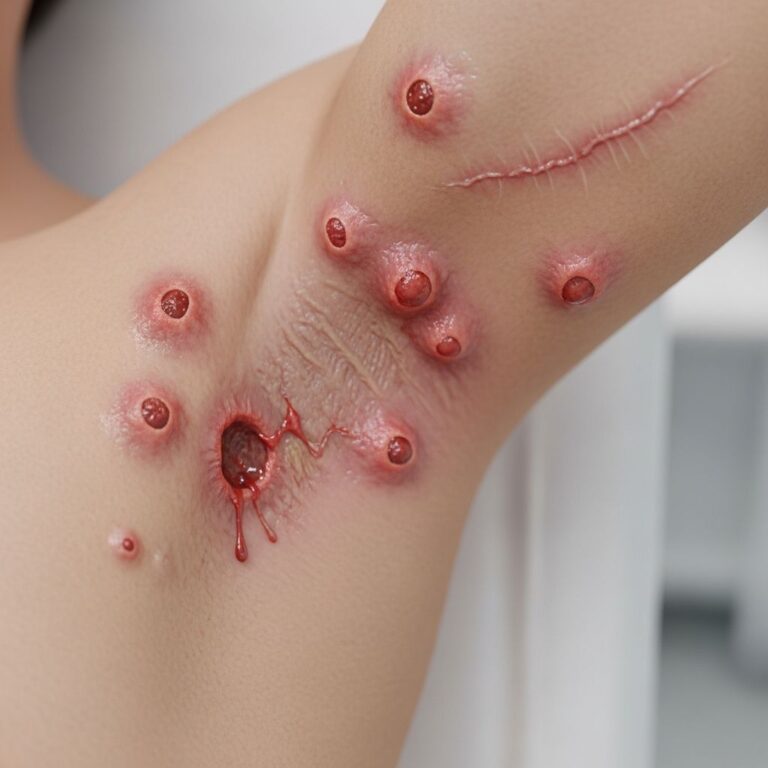
Surgical Site Infections: Prevention and Treatment
Learn about surgical site infections, risk factors, prevention strategies, and evidence-based treatment options.

Understanding Surgical Site Infections
Surgical site infections (SSIs) represent a significant challenge in modern healthcare, affecting patient outcomes and placing considerable burden on healthcare systems worldwide. A surgical site infection is defined as an infection of the surgical wound that presents with local signs and symptoms, and in severe cases, may include systemic manifestations such as fever or elevated white blood cell count. SSIs account for approximately 20% of all healthcare-associated infections, with at least 5% of patients undergoing surgical procedures developing this complication. The incidence of SSIs in inpatient surgeries ranges from 2-5%, though the actual prevalence may be higher since approximately 50% of SSIs manifest after patient discharge.
Classification of Surgical Site Infections
SSIs are classified into three distinct categories based on the anatomical depth and extent of the infection:
- Superficial Incisional SSI: Involves only the skin or subcutaneous tissue layers
- Deep Incisional SSI: Extends to involve the fascia and/or muscular layers beneath the skin
- Organ/Space SSI: Affects any body cavity or organ that was exposed or manipulated during the surgical procedure, excluding the previously mentioned layers
This classification system helps clinicians determine the severity of infection and guides appropriate treatment strategies.
Causes and Risk Factors
Understanding the etiology of SSIs is crucial for implementing effective prevention strategies. The majority of surgical site infections result from contamination of the surgical incision with microorganisms from the patient’s own microbial flora during the surgical procedure. External sources of infection following surgery are considerably less common, highlighting the importance of intraoperative infection control measures.
Patient-Related Risk Factors
Numerous patient characteristics have been identified as significant risk factors for developing SSIs. Research has demonstrated that diabetes mellitus, particularly both insulin-dependent and non-insulin-dependent forms, substantially increases SSI risk. Malnutrition, defined as significant weight loss within six months prior to surgery, also elevates infection risk. Additionally, postoperative anemia has been identified as a significant risk factor, with low hematocrit levels associated with increased SSI development.
Other notable patient risk factors include obesity, compromised nutritional status, and perioperative blood transfusion requirements. Interestingly, some traditionally considered risk factors including tobacco use, steroid use, and chronic obstructive pulmonary disease (COPD) have not been consistently identified as independent predictors of SSI in recent analyses.
Microbial Factors
The microorganisms responsible for SSIs vary, with Staphylococcus aureus representing one of the primary causative agents. This organism can cause disease through multiple mechanisms including toxin production, tissue destruction, vascular complications, and bacteremia. A particularly concerning aspect of S. aureus is its ability to form biofilms, which are responsible for chronic infections and persistent reinfection cycles. Approximately 40% of the healthy population carry S. aureus in areas such as the nares, oropharynx, and perineal skin, creating a substantial reservoir for potential infection.
Methicillin-Resistant Staphylococcus Aureus (MRSA)
The prevalence of methicillin-resistant Staphylococcus aureus (MRSA) has increased dramatically in recent decades, with approximately 7% of patients screening positive for MRSA colonization. While the incidence of MRSA infection following major surgical procedures is estimated at only 1% overall, MRSA colonization is associated with significantly worse outcomes and higher risk of both MRSA-specific SSIs and SSIs in general. Patients with MRSA colonization face elevated risks of complications and mortality compared to those with methicillin-susceptible strains.
Related Stories



Other common causative organisms include coagulase-negative staphylococci, Enterococcus species, Streptococcus species, gram-negative bacilli, and anaerobes depending on the surgical site. Less commonly implicated pathogens include Candida species and atypical mycobacteria.
Prevention Strategies
Effective prevention of SSIs requires a comprehensive, multifaceted approach addressing multiple aspects of perioperative care. Evidence-based prevention strategies have been well established and continue to evolve with advancing medical knowledge.
Preoperative Screening and Decolonization
Nasal swab screening for both methicillin-susceptible Staphylococcus aureus (MSSA) and methicillin-resistant Staphylococcus aureus (MRSA) serves as a critical first step in identifying colonized patients at higher risk for SSI. Once identified, nasal decolonization using mupirocin ointment combined with chlorhexidine body wash represents a fundamental strategy to reduce SSI risk in colonized individuals. This dual approach targets the primary reservoir of S. aureus and reduces the bacterial burden before surgery.
Bundled Prevention Practices
Modern SSI prevention emphasizes bundled approaches that combine multiple evidence-based interventions rather than relying on single measures. These comprehensive bundles address preoperative patient optimization, intraoperative infection control, and postoperative wound management. SSI rates have been established as surrogate metrics for overall surgical care quality and are closely tied to financial incentives and institutional reputation. Healthcare institutions implementing robust prevention bundles demonstrate significantly lower SSI rates and improved patient outcomes.
Topical and Local Antimicrobial Agents
While there is inadequate evidence to support routine use of topical or local antimicrobial agents across all patient populations and procedures, specific circumstances and patient populations may benefit from targeted topical antimicrobial interventions. Clinical judgment and institutional protocols should guide decisions regarding topical antimicrobial use.
Symptoms and Diagnosis
Recognition of SSI symptoms is essential for prompt diagnosis and treatment initiation. Patients with SSIs typically present with local wound manifestations including increased redness, swelling, warmth, and drainage from the surgical site. Pain and tenderness at the incision may be more pronounced than expected based on the time elapsed since surgery.
In cases of deeper or more severe infections, patients may experience systemic symptoms including fever, chills, malaise, and overall illness sensation. Diagnosis is typically clinical, based on the presentation of local and systemic signs and symptoms. Laboratory studies such as wound cultures may be obtained to identify the causative organism and guide antimicrobial therapy. In some cases, imaging studies may be necessary to evaluate the extent of infection and identify complications such as abscess formation.
Treatment Approach
The therapeutic management of SSIs requires knowledge of the likely causative organisms, local epidemiology, and antimicrobial resistance patterns within the healthcare setting. The primary treatment for most SSIs involves suture removal combined with incision and drainage with evacuation of infected material, followed by appropriate wound dressing.
Antimicrobial Therapy
Antibiotic selection must account for the increasing prevalence of multidrug-resistant organisms. For staphylococcal infections, the choice of antimicrobial agent depends on resistance patterns and severity of infection. Vancomycin remains the antibiotic of choice for many resistant gram-positive infections, though alternatives including daptomycin, fifth-generation cephalosporins, linezolid, and lipoglycopeptides may be considered in specific clinical scenarios.
Staphylococcus aureus infections carry high risks of complications and mortality, necessitating aggressive treatment approaches. The organism’s ability to produce toxins, cause tissue destruction, and form biofilms requires careful antimicrobial selection and often prolonged therapy. Coagulase-negative staphylococci, while generally causing nosocomial infections with lower mortality, also require appropriate antimicrobial therapy tailored to susceptibility patterns.
Wound Management
Proper wound management is integral to successful SSI treatment. After drainage of purulent material, wounds require appropriate dressing to promote healing while preventing contamination. Dressing changes should be performed using sterile technique, and the frequency of changes should be based on wound characteristics and drainage volume. Regular assessment for signs of healing or complications is essential throughout the treatment course.
Clinical and Economic Impact
SSIs significantly affect patient quality of life and impose substantial burdens on healthcare systems. Following colorectal surgery, SSI is associated with worse postoperative outcomes, longer hospital length of stay, and higher rates of readmission. Beyond the immediate clinical consequences, SSIs generate substantial financial costs through increased hospitalization, additional diagnostic testing, antimicrobial therapy, and potential complications requiring further intervention.
SSI rates serve as important quality metrics for surgical programs, reflecting the overall quality of surgical care delivery. Institutions with high SSI rates face reputational challenges and financial penalties through value-based purchasing programs. Conversely, programs successfully implementing comprehensive prevention strategies achieve better clinical outcomes, improved patient satisfaction, and enhanced financial performance.
Future Directions in SSI Management
As antimicrobial resistance continues to escalate globally, the management of SSIs becomes increasingly complex. Future strategies must focus on enhanced prevention approaches, rapid diagnostics to identify causative organisms, and development of novel therapeutic interventions for resistant pathogens. Early preoperative identification and optimization of high-risk patients, particularly those with diabetes and malnutrition, represents a critical opportunity for SSI reduction.
Frequently Asked Questions
Q: What is the difference between normal postoperative wound healing and a surgical site infection?
A: Normal healing involves gradual wound closure with minimal drainage and no systemic symptoms. SSIs present with increased redness, swelling, warmth, drainage, pain, and may include fever or malaise. If you experience these symptoms, contact your healthcare provider immediately.
Q: How long after surgery can a surgical site infection develop?
A: SSIs can develop at any point after surgery, but approximately 50% become evident after hospital discharge. While most manifest within the first two weeks, some may appear weeks later, particularly organ/space infections.
Q: Who is at highest risk for developing surgical site infections?
A: Patients with diabetes, malnutrition, low postoperative blood counts, MRSA colonization, obesity, and those requiring blood transfusions face elevated risk. Your surgeon can discuss your individual risk factors.
Q: Can surgical site infections be prevented completely?
A: While complete prevention is not always possible, comprehensive prevention strategies significantly reduce SSI risk. These include preoperative screening, patient optimization, appropriate antibiotic prophylaxis, and meticulous surgical technique.
Q: What should I do if I suspect a surgical site infection?
A: Contact your surgeon or healthcare provider immediately if you notice increased redness, swelling, drainage, warmth, severe pain, or fever at your surgical site. Prompt evaluation and treatment can prevent serious complications.
References
- Update on the Management of Surgical Site Infections — National Center for Biotechnology Information, National Institutes of Health. 2023. https://pmc.ncbi.nlm.nih.gov/articles/PMC9686970/
- Surgical Site Infections (SSI) — Johns Hopkins ABX Guide, The Johns Hopkins University. 2023-01-13. https://www.hopkinsguides.com/hopkins/view/Johns_Hopkins_ABX_Guide/540533/all/Surgical_Site_Infections__SSI_
- Surgical Site Infection: The Clinical and Economic Impact — Johns Hopkins University Research Publication. https://pure.johnshopkins.edu/en/publications/surgical-site-infection-the-clinical-and-economic-impact/
- Surgical Site Infections: Reanalysis of Risk Factors — Journal of Surgical Research, Johns Hopkins University. 2002-05. https://pure.johnshopkins.edu/en/publications/surgical-site-infections-reanalysis-of-risk-factors-3
Similar Articles








Read full bio of Sneha Tete