Managing Excessive Menstrual Bleeding: 3 Surgical Options
Explore operative interventions to manage excessive menstrual bleeding effectively
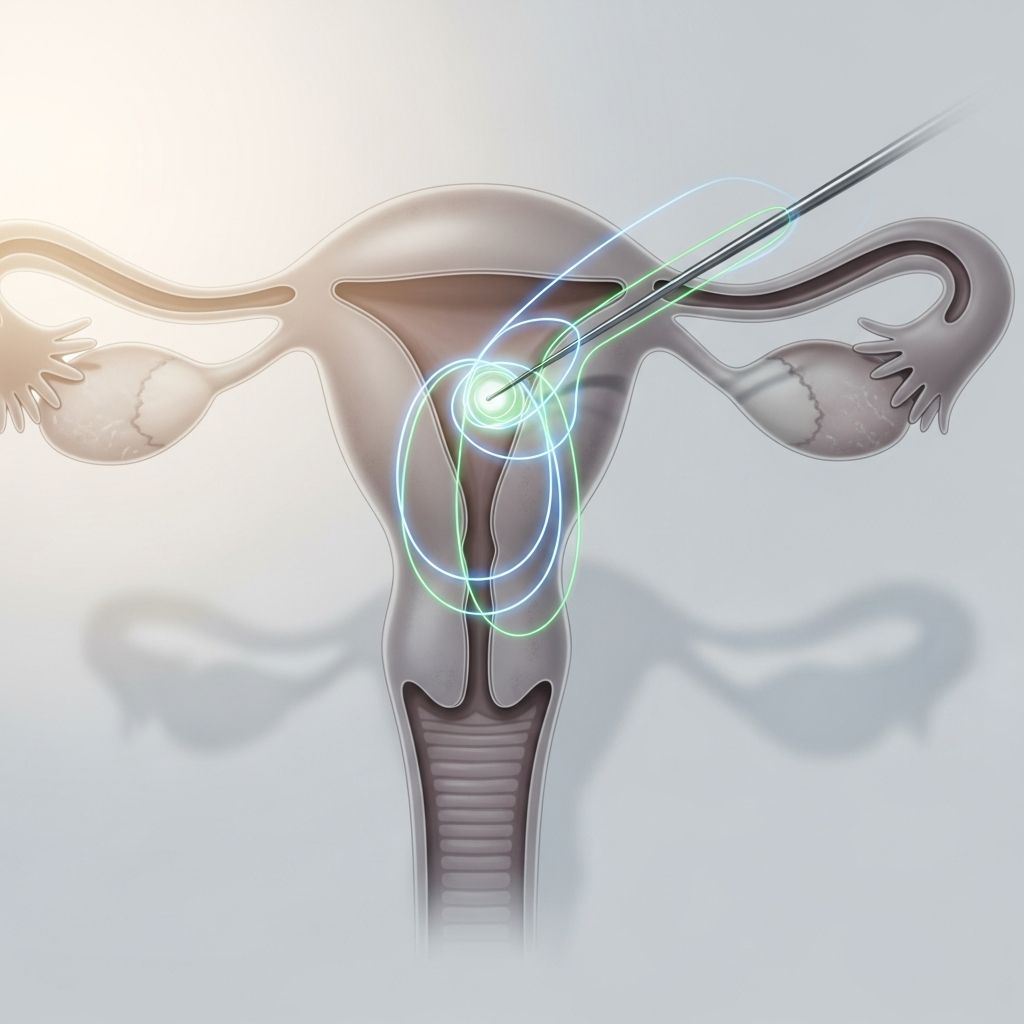
When conservative medical treatments fail to control heavy menstrual bleeding—a condition clinically referred to as menorrhagia—surgical intervention may become a viable pathway toward symptom relief and improved quality of life. The decision to pursue operative management involves careful consideration of individual circumstances, fertility goals, and the underlying causes of abnormal bleeding patterns. Understanding the range of surgical options available empowers patients to make informed decisions in consultation with their healthcare providers.
When Surgery Becomes the Next Treatment Step
Medical professionals typically recommend surgical evaluation after conservative treatment attempts have proven inadequate. The transition from pharmaceutical management to operative intervention occurs under specific circumstances that warrant escalation of care.
Surgery may become appropriate when:
- Medical therapies have been attempted but failed to produce meaningful improvement in bleeding patterns
- Underlying structural abnormalities such as fibroids or adenomyosis are identified as causative factors
- Medication use is contraindicated due to pre-existing health conditions or medication interactions
- Patients experience intolerable side effects from pharmaceutical treatments
- The burden of menorrhagia significantly impacts daily functioning and overall wellbeing
The determination to proceed with surgery represents a collaborative decision-making process between patient and clinician, weighing the potential benefits against procedural risks and long-term implications.
Understanding the Three Primary Operative Approaches
Contemporary gynecological practice offers three primary surgical techniques specifically designed to address excessive menstrual bleeding. Each procedure functions through distinct mechanisms and carries different implications regarding fertility, recovery, and long-term outcomes.
Endometrial Ablation: Targeted Destruction of Uterine Tissue
Endometrial ablation represents a minimally invasive surgical technique that destroys or removes the endometrial lining of the uterus—the tissue that thickens and sheds during menstrual cycles. By eliminating or significantly damaging this tissue layer, the procedure substantially reduces menstrual bleeding in the majority of cases.
Procedural characteristics:
- Performed using a hysteroscope, a slender illuminated instrument inserted through the vagina into the uterus
- Energy sources including heat, microwaves, or radiofrequency waves are applied to destroy endometrial tissue
- Typically completed as an outpatient day procedure in hospital or surgical settings
- Can be performed under local, regional, or general anesthesia depending on patient preference and clinical factors
- Procedure duration generally ranges from 30 to 60 minutes
Clinical evidence demonstrates that approximately 85% of women experience significant reduction in menstrual bleeding following endometrial ablation, with many achieving complete cessation of menses. The procedure offers several advantages, including shorter recovery time compared to hysterectomy and the preservation of the uterus. However, endometrial ablation is appropriate only for women who have completed childbearing, as pregnancy following the procedure carries substantial risks including abnormal placentation and uterine rupture.
Myomectomy: Targeted Fibroid Removal
Myomectomy addresses heavy bleeding specifically when benign uterine tumors—fibroids or leiomyomas—serve as the primary causative factor. This procedure removes individual fibroids while preserving the intact uterus, making it particularly valuable for women who wish to maintain fertility potential.
Surgical approaches for myomectomy include:
- Hysteroscopic myomectomy: Removal of fibroids projecting into the uterine cavity through a hysteroscope
- Laparoscopic myomectomy: Minimally invasive removal using small abdominal incisions and specialized instruments
- Abdominal myomectomy: Open surgical approach providing direct visualization for complex fibroid cases
The selection of surgical approach depends on fibroid location, size, number, and patient factors. Hysteroscopic techniques offer the quickest recovery and least invasiveness for fibroids located within the uterine cavity. Laparoscopic approaches balance tissue preservation with minimal tissue trauma. Open abdominal approaches may be necessary for large, numerous, or deeply embedded fibroids.
Related Stories



Myomectomy preserves reproductive capacity while eliminating or substantially reducing bleeding symptoms caused by fibroid-related endometrial distortion and disruption of normal contractile function. Recovery timelines vary based on the surgical approach employed, ranging from several days for hysteroscopic procedures to 2-4 weeks for open abdominal surgery.
Hysterectomy: Complete Uterine Removal
Hysterectomy represents the most definitive surgical solution to menorrhagia, involving complete removal of the uterus and typically the cervix. This procedure permanently eliminates menstrual bleeding and is particularly appropriate for women who have completed childbearing and whose symptoms have not responded to less invasive interventions.
Hysterectomy approaches include:
- Vaginal hysterectomy: Uterus removed through the vaginal canal, offering shortest recovery period
- Laparoscopic hysterectomy: Minimally invasive removal using small abdominal incisions and specialized visualization
- Abdominal hysterectomy: Traditional open surgical approach allowing direct visualization of pelvic structures
As a major surgical procedure, hysterectomy carries inherent risks including infection, bleeding complications, anesthesia-related complications, and longer recovery periods compared to endometrial ablation or myomectomy. Patients may experience early menopause if ovaries are removed during the procedure. However, hysterectomy offers the highest rate of complete symptom resolution and eliminates future risks of uterine-related pathology.
Additional Surgical Considerations: Complementary Interventions
Beyond the three primary surgical options, additional interventions address specific structural abnormalities contributing to menorrhagia.
Hysteroscopic Management of Polyps and Fibroids
Operative hysteroscopy enables both diagnosis and treatment of uterine abnormalities. When endometrial polyps or submucosal fibroids (those projecting into the uterine cavity) are identified as bleeding sources, hysteroscopic polypectomy or myomectomy can be performed with minimal tissue trauma. This approach preserves normal uterine anatomy while removing the pathological structures causing excessive bleeding.
Uterine Artery Embolization
Uterine artery embolization (UAE) offers an alternative for women with fibroids causing heavy bleeding who may not be surgical candidates or prefer to avoid hysterectomy. The interventional radiological procedure involves injecting particles into the uterine arteries to block blood supply to fibroid tissue, causing shrinkage and reduced bleeding. While UAE preserves the uterus and avoids general anesthesia, it carries considerations regarding future fertility and potential post-procedure pain.
Comparing Surgical Effectiveness and Patient Outcomes
| Surgical Option | Effectiveness for Bleeding Control | Recovery Timeline | Fertility Preservation | Key Limitations |
|---|---|---|---|---|
| Endometrial Ablation | 85% achieve significant reduction or cessation | Few days to one week | No—not recommended for future pregnancy | Not suitable for women desiring children; pregnancy complications if occur |
| Myomectomy | 70-90% depending on fibroid characteristics | 1-4 weeks depending on approach | Yes—preserves reproductive capacity | Fibroids may recur; surgical approach affects recovery time |
| Hysterectomy | Nearly 100%—permanent resolution | 2-6 weeks for recovery | No—ends reproductive capacity | Major surgery; potential early menopause if ovaries removed; irreversible |
| Uterine Artery Embolization | 70-90% symptom improvement | 5-7 days typically | Possibly compromised—not recommended for future conception | Post-procedure pain; potential permanent fertility impact |
Evaluating Individual Suitability for Surgical Options
The optimal surgical intervention varies substantially based on individual patient circumstances. Several critical factors influence procedural selection and appropriateness.
Key decision-making factors include:
- Fertility intentions: Women desiring future pregnancy should avoid endometrial ablation and hysterectomy, making myomectomy preferable for fibroid-related bleeding
- Bleeding severity: Moderate bleeding may respond to endometrial ablation, while severe cases may warrant hysterectomy
- Underlying pathology: Structural abnormalities like fibroids may benefit from targeted removal, while primary endometrial dysfunction responds well to ablation
- Medical comorbidities: Significant health conditions may limit surgical approach options or necessitate specific anesthesia considerations
- Uterine characteristics: Severely enlarged uteri or extensive fibroid burden may favor hysterectomy over conservative approaches
- Previous surgical history: Prior abdominal surgery may influence surgical approach selection
- Patient preferences: Informed patient input regarding acceptable risks and desired outcomes guides final procedural selection
Recovery and Post-operative Expectations
Recovery experiences vary significantly based on surgical approach and individual factors. Minimally invasive procedures such as endometrial ablation typically permit return to light activities within days and normal activities within 1-2 weeks. More extensive surgery such as abdominal hysterectomy may require 4-6 weeks for full recovery, during which heavy lifting and strenuous activity remain restricted.
Post-operative complications are generally infrequent but may include infection, bleeding, or organ injury. Patients should maintain communication with their surgical team regarding concerning symptoms such as excessive bleeding, fever, severe pain, or signs of infection.
Frequently Asked Questions About Surgical Management
Is surgery always necessary for heavy menstrual bleeding?
No. Surgery is typically considered only after medical treatments have been attempted without adequate improvement, or when medical therapy is contraindicated due to underlying health conditions.
Can I become pregnant after endometrial ablation?
Pregnancy following endometrial ablation is strongly discouraged due to substantially elevated risks of abnormal placentation, miscarriage, and uterine rupture. Effective contraception should be maintained following the procedure.
Will fibroids return after myomectomy?
Fibroids may regrow after myomectomy in some patients. The recurrence rate varies but generally ranges from 10-30% over five years. Patients retain the option of repeat myomectomy or alternative procedures if recurrence occurs.
How long does post-operative bleeding persist?
Light vaginal bleeding or spotting commonly persists for 2-4 weeks following endometrial ablation or myomectomy. Heavy bleeding beyond this timeframe warrants physician contact. Following hysterectomy, minimal vaginal discharge is expected, as no endometrial tissue remains to shed.
What happens to my menstrual cycle after these procedures?
Endometrial ablation typically eliminates or substantially reduces menstrual periods. Myomectomy usually normalizes menstrual patterns if fibroids were the primary pathological factor. Hysterectomy permanently eliminates menstruation. Hormone levels and menopause timing remain unaffected by these procedures unless ovaries are removed.
Making the Surgical Decision: Collaborative Planning
The decision to pursue surgical management of menorrhagia should emerge from thorough discussion between patient and healthcare provider, weighing individual circumstances, procedural benefits, potential complications, and alignment with personal values and life goals. Patients benefit from understanding not only what each procedure entails but also realistic expectations for symptom improvement, recovery timelines, and long-term implications.
Surgical management of heavy menstrual bleeding represents a significant decision point in the treatment journey. By understanding the distinct characteristics, benefits, and limitations of available surgical options, patients can engage meaningfully in shared decision-making with their physicians to select the approach best suited to their unique circumstances and goals.
References
- Periods – surgical options for heavy bleeding — Healthify. https://healthify.nz/health-a-z/p/periods-surgical-options-for-heavy-bleeding
- Endometrial Ablation for Heavy Menstrual Bleeding — U.S. Food and Drug Administration. https://www.fda.gov/medical-devices/surgery-devices/endometrial-ablation-heavy-menstrual-bleeding
- Heavy menstrual bleeding – Diagnosis and treatment — Mayo Clinic. https://www.mayoclinic.org/diseases-conditions/menorrhagia/diagnosis-treatment/drc-20352834
- Treating with surgery — The Royal Women’s Hospital. https://www.thewomens.org.au/health-information/periods/heavy-periods/treating-with-surgery
- Surgery vs. Medical Therapy for Heavy Menstrual Bleeding — American Academy of Family Physicians. 2017. https://www.aafp.org/pubs/afp/issues/2017/0701/p24.html
- Surgical options for treating heavy menstrual bleeding — Women’s Health Associates. https://www.whallc.com/gynecology/treating-abnormal-menstrual-bleeding-with-surgery/
Similar Articles








Read full bio of Sneha Tete