Surgical Thrombectomy: Blood Clot Removal Procedure
Understanding surgical thrombectomy: A minimally invasive procedure to remove dangerous blood clots and restore blood flow.
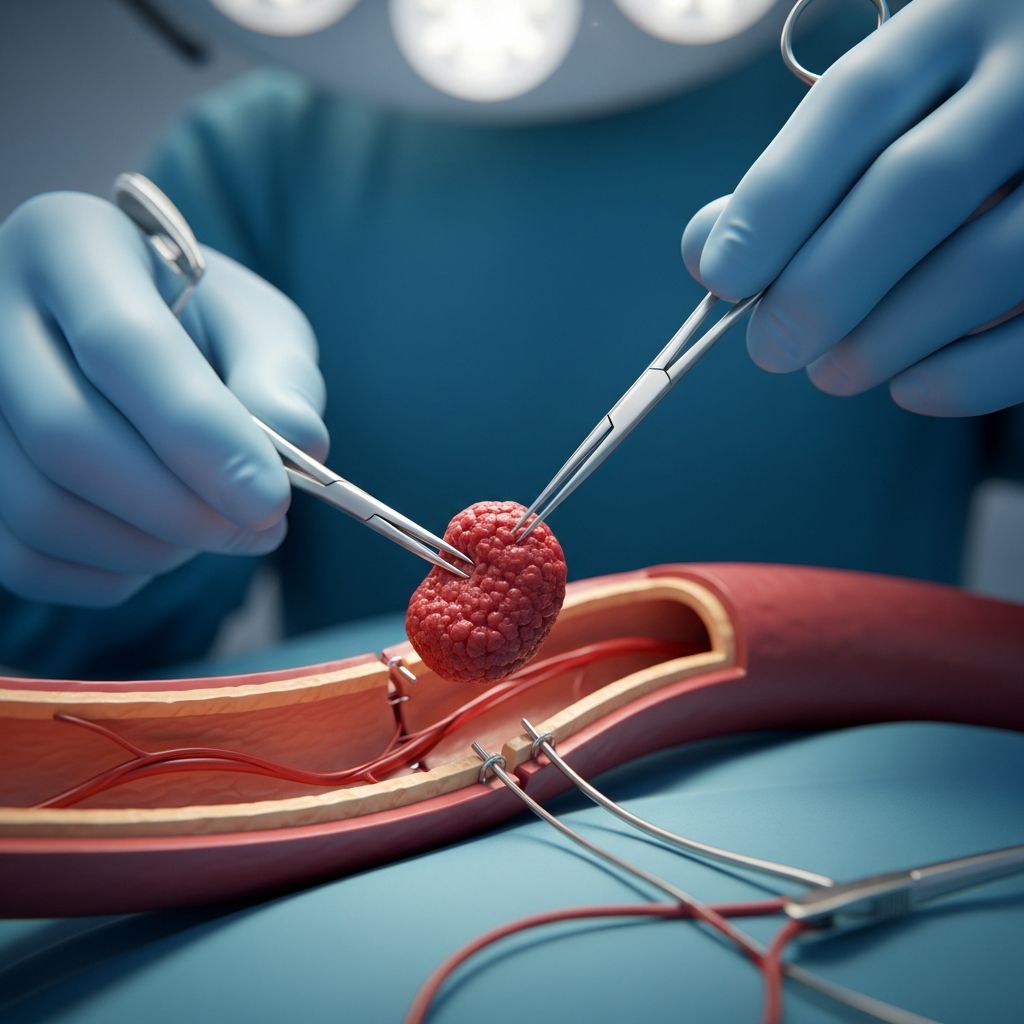
Surgical Thrombectomy: Understanding Blood Clot Removal
Surgical thrombectomy is a medical procedure designed to remove blood clots from arteries or veins, restoring critical blood flow to affected areas of the body. When blood clots form in major vessels and cannot be treated with medications alone, surgical intervention becomes necessary to prevent life-threatening complications. This procedure has become an important treatment option for patients with deep vein thrombosis (DVT), acute venous occlusion, and other vascular emergencies. Understanding how thrombectomy works and when it may be needed can help patients make informed decisions about their medical care.
What Is Surgical Thrombectomy?
A surgical thrombectomy is a procedure in which a surgeon removes a blood clot directly from a blocked blood vessel. Unlike other clot treatments that rely on medications to dissolve clots over time, thrombectomy provides immediate clot removal. The procedure is classified as minimally invasive surgery, meaning it involves smaller incisions and less tissue damage compared to traditional open surgery. This approach allows surgeons to operate with precision while reducing patient trauma, postoperative pain, and recovery time.
The procedure can be performed on blood vessels throughout the body, though it is most commonly used for clots in the legs, arms, and other peripheral vessels. In some cases, thrombectomy may be used to treat clots in other organs or blood vessels that require urgent intervention to prevent organ damage or loss of limb.
Why You Might Need Surgical Thrombectomy
Your healthcare provider might recommend surgical thrombectomy for several important reasons. The primary indication is the presence of a blood clot that cannot be safely managed with medication alone. Several specific situations warrant this procedure:
- You have a large blood clot that poses an immediate risk of breaking loose and traveling through your bloodstream
- The clot is causing tissue damage or threatening limb viability
- You are unable to take blood thinners (anticoagulants) due to bleeding disorders or other medical conditions
- You cannot safely receive thrombolytic medications (clot-busting drugs)
- The clot is located in a critical vessel where rapid restoration of blood flow is essential
- There is risk of pulmonary embolism, where the clot could travel to your lungs
Additionally, thrombectomy may become the treatment of choice for relieving acute symptoms of venous occlusion and preventing serious complications such as post-thrombotic syndrome. When a blood clot blocks blood flow to vital organs or tissues, the consequences can be severe, including tissue death, organ dysfunction, or even death if left untreated.
Types of Surgical Thrombectomy Procedures
Surgical thrombectomy can be performed using different techniques depending on the clot location, size, and patient factors. Healthcare providers typically choose between two main approaches:
Catheter-Based Thrombectomy
This minimally invasive approach involves inserting a thin, flexible tube called a catheter through a small incision, typically in the groin or arm. The surgeon guides the catheter to the clot site using X-ray imaging and specialized instruments. Once positioned, the surgeon can remove the clot through several methods:
- Direct aspiration, where the clot is suctioned out through the catheter
- Mechanical maceration, where the clot is broken into smaller pieces for removal
- Balloon-assisted removal, where a balloon is attached to the catheter to extract clot fragments
- Catheter-directed thrombolysis, where clot-dissolving medication is injected through the catheter
Related Stories



After clot removal, the surgeon may place a stent—a small mesh device—inside the blood vessel to keep it open and maintain proper blood flow.
Open Surgical Thrombectomy
Open surgery involves making a larger incision directly over the blocked blood vessel. The surgeon opens the vessel, removes the clot directly under direct visualization, and then repairs and closes the vessel. While this approach allows the surgeon to directly visualize the surgical area, it generally involves a longer recovery period, more postoperative pain, and greater tissue disruption compared to catheter-based procedures. Open surgery is typically reserved for emergency situations where immediate access to the clot is critical or when catheter-based approaches are not feasible.
The Surgical Thrombectomy Procedure: What to Expect
Before the Procedure
Before your surgical thrombectomy, your healthcare team will provide detailed preparation instructions. These typically include fasting requirements, medication adjustments, and information about anesthesia options. Your surgeon will likely order imaging studies such as ultrasound, CT, or MRI to precisely locate the clot and plan the surgical approach.
During the Procedure
The procedure begins with anesthesia administration. You may receive general anesthesia, which puts you into a deep sleep, or regional anesthesia combined with sedation, which numbs the surgical area while keeping you conscious but relaxed. Your surgical team will monitor your vital signs and critical body functions throughout the procedure.
For catheter-based procedures, your surgeon will make a small incision and insert the catheter through a blood vessel. X-ray imaging with contrast dye helps visualize the clot location and guide the catheter placement. Once the catheter reaches the clot, the surgeon uses specialized instruments to remove it. The specific removal technique depends on clot characteristics and vessel anatomy.
For open surgical procedures, the surgeon makes an incision over the blocked vessel, opens it carefully, removes the clot directly, and then repairs the vessel to restore blood flow. In some cases, a balloon or stent may be used to maintain vessel patency during and after the procedure.
After the Procedure
Recovery from surgical thrombectomy is generally shorter than from traditional open surgery, particularly with catheter-based approaches. You will be monitored in a recovery area as anesthesia wears off. Most patients can leave the hospital within one to three days, depending on the procedure type and individual factors. Your surgeon will provide specific discharge instructions regarding activity limitations, wound care, and medication management.
Success Rates and Outcomes
Surgical thrombectomy has demonstrated excellent success rates when performed appropriately. Research on thrombectomy outcomes, particularly when stents are used, shows that patients experience excellent long-term results. The procedure carries a relatively low complication rate compared with other minimally invasive treatments for blood clots, making it an effective option for appropriate candidates.
Beyond immediate clot removal, thrombectomy can significantly reduce the risk of severe disability, limb loss, and death. By restoring blood flow quickly to affected tissues and organs, the procedure prevents tissue death and preserves organ function. This rapid intervention is particularly important in emergency situations where every minute matters for patient outcomes.
Risks and Complications
Like all surgical procedures, thrombectomy carries potential risks. Possible complications include bleeding at the incision site, infection, damage to blood vessels, allergic reactions to contrast dye, and recurrent clot formation. In some cases, the procedure may not completely remove all clot material, potentially requiring additional treatment. Your surgeon will discuss these risks thoroughly before the procedure and explain how they apply to your specific situation.
Most complications are manageable with appropriate medical care, and the benefits of clot removal typically outweigh the risks for appropriate candidates.
Recovery and Long-Term Management
Recovery after surgical thrombectomy depends on the procedure type and individual patient factors. Most patients experience faster recovery with catheter-based procedures compared to open surgery. Your healthcare provider will likely recommend blood-thinning medications after the procedure to prevent another clot from forming. Compression stockings may also be recommended, particularly for leg thrombectomy, to improve blood circulation and reduce clot risk.
Long-term follow-up care is essential to monitor for recurrent clots and complications. Your doctor will schedule imaging studies to assess blood vessel patency and ensure sustained restoration of blood flow. Lifestyle modifications, including regular physical activity, staying hydrated, and avoiding prolonged immobility, support long-term vascular health.
Frequently Asked Questions
Q: How is surgical thrombectomy different from thrombolytic therapy?
A: Thrombolytic therapy uses medications to dissolve blood clots over hours to days, while surgical thrombectomy physically removes clots immediately. Thrombectomy is preferred when rapid clot removal is critical or when medications are contraindicated.
Q: What is the recovery time after surgical thrombectomy?
A: Recovery time varies depending on the procedure type. Catheter-based thrombectomy typically allows discharge within one to three days with return to normal activities in one to two weeks. Open surgery may require a longer recovery period of several weeks.
Q: Will I need blood thinners after thrombectomy?
A: Most patients require blood-thinning medication after thrombectomy to prevent recurrent clot formation. Your healthcare provider will determine the appropriate medication and duration based on your specific situation.
Q: Can a blood clot reform after thrombectomy?
A: While thrombectomy removes the current clot, recurrent clot formation is possible. Blood thinners, compression therapy, and lifestyle modifications help reduce this risk significantly.
Q: Is surgical thrombectomy considered major surgery?
A: Catheter-based thrombectomy is minimally invasive and not considered major surgery. Open surgical thrombectomy is more invasive but may still be less extensive than other vascular surgeries.
References
- Thrombectomy Suggested for Venous Occlusion — JAMA Network. Published in JAMA Network Journal. https://jamanetwork.com/journals/jama/fullarticle/1165712
- Surgical Thrombectomy for DVT: What to Know — WebMD. https://www.webmd.com/dvt/surgical-thrombectomy-dvt
- Thrombectomy: What It Is and Procedure Details — Cleveland Clinic. https://my.clevelandclinic.org/health/treatments/22897-thrombectomy
- Embolectomy and Thrombectomy – Deep Vein Thrombosis — Healthgrades. https://resources.healthgrades.com/right-care/vascular-conditions/embolectomy-and-thrombectomy
Similar Articles








Read full bio of Sneha Tete