Surgical Wound Healing: 4 Key Phases For Faster Recovery
Complete guide to understanding surgical wound healing phases and optimal care strategies
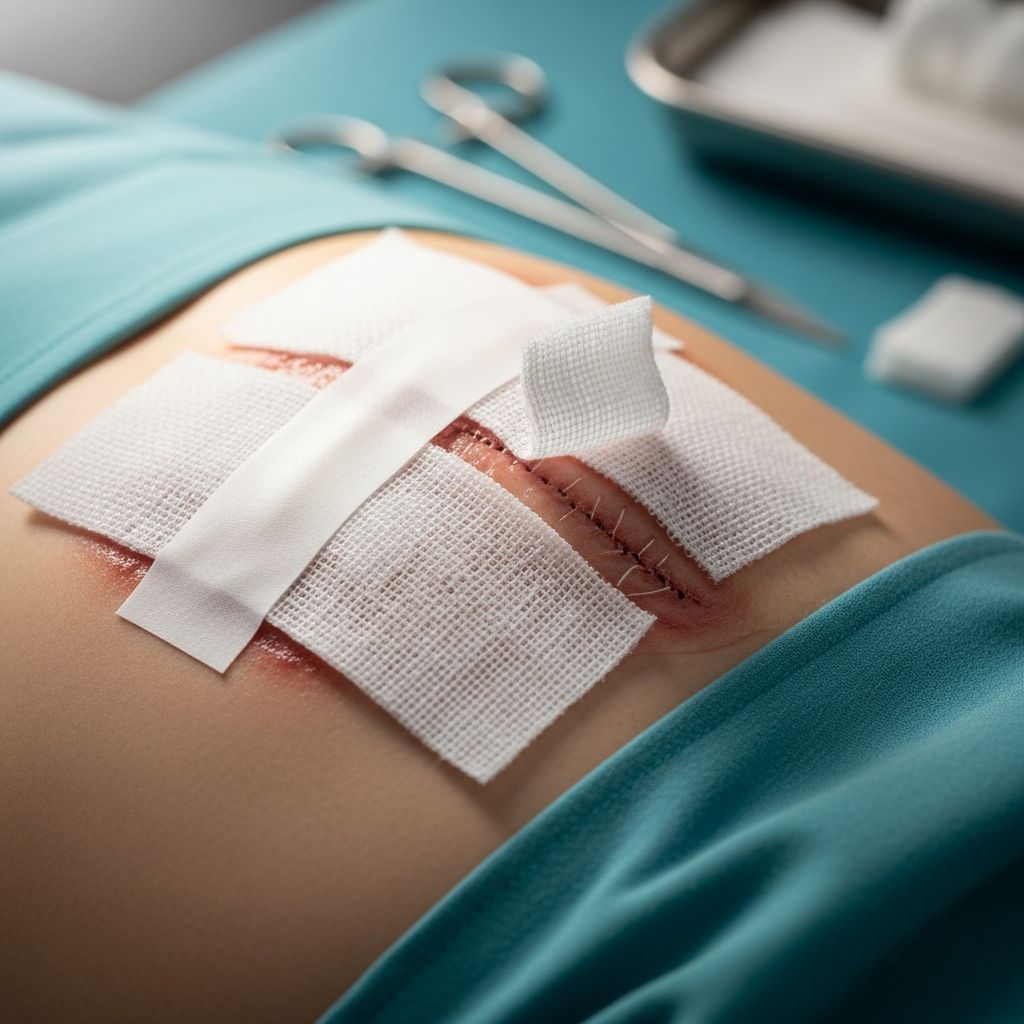
When your body undergoes surgical intervention, a carefully orchestrated biological process begins immediately to restore tissue integrity and function. Understanding how surgical wounds heal empowers you to take active steps in your recovery and recognize when complications may need professional attention. This guide explores the science behind wound healing and provides practical strategies for optimizing your recovery journey.
The Biological Blueprint: How Your Body Repairs Surgical Wounds
Surgical wounds initiate a complex cascade of biological events designed to stop bleeding, prevent infection, rebuild damaged tissue, and restore strength to the affected area. Rather than occurring randomly, this healing process follows a predictable sequence of overlapping phases, each with specific physiological goals and characteristics.
Your body’s healing response begins the moment the surgical incision is made, with multiple biological systems activating simultaneously to manage the injury. The progression from initial bleeding to mature scar tissue involves orchestrated cellular migration, chemical signaling, and structural protein synthesis.
Phase One: Hemostasis and Initial Sealing
The first critical phase of wound healing focuses exclusively on stopping bleeding and creating an initial barrier against contamination. This phase begins immediately upon tissue injury and typically completes within the first two days, though deeper wounds may require longer.
What happens during hemostasis:
- Blood vessels near the wound constrict to reduce blood flow to the affected area
- Platelets—specialized blood cells—accumulate at the wound site and adhere to each other, forming a plug
- Platelets interact with fibrin, a fibrous protein, and thrombin, an enzyme that transforms blood consistency into a gel-like clot
- The resulting blood clot seals broken blood vessels and prevents excessive bleeding
During this phase, proper wound coverage with sterile dressings facilitates the clotting process and provides a protective barrier. The blood clot serves as both a physical seal and a scaffold for the cellular activities that follow in subsequent healing phases.
Phase Two: The Inflammatory Response and Debris Removal
Following hemostasis, your body initiates an inflammatory response that may last up to six days or longer. Though inflammation often carries negative connotations in everyday language, this phase is essential for proper healing and serves multiple critical functions.
Key inflammatory processes include:
- Blood vessels near the wound expand, increasing blood flow and vascular permeability
- Neutrophils, a type of white blood cell, migrate to the wound to destroy bacteria and pathogens within the first 24-48 hours
- Macrophages replace neutrophils and continue defensive and cleaning functions while releasing chemical signals
- Inflammatory mediators and cytokines promote new blood vessel formation, tissue regeneration, and cellular migration
- Cellular debris, dead tissue, and bacteria are removed from the wound site
Related Stories



The visible signs of inflammation—redness, swelling, warmth, and some discomfort—represent your immune system actively protecting and preparing your wound for repair. These symptoms typically peak around day 3-4 and gradually subside as the proliferative phase begins.
Phase Three: Tissue Rebuilding and Regeneration
Beginning around day 5 and extending through approximately day 21, the proliferative phase represents your body’s major reconstruction effort. This phase is where visible tissue regeneration occurs as your body literally rebuilds the damaged structures.
Three concurrent processes characterize the proliferative phase:
Granulation Tissue Formation
Fibroblasts—specialized cells responsible for structural protein production—begin synthesizing collagen and glycosaminoglycans starting around days 5-7. These proteins form the foundational scaffold that gives the wound structure and stability. Granulation tissue, composed primarily of these newly laid collagen fibers and new blood vessels, fills the wound cavity. This tissue appears pink or red with an uneven, bumpy texture.
Neovascularization
New blood vessel formation occurs through two mechanisms: angiogenesis, where new vessels sprout from existing blood vessels, and vasculogenesis, where new vessels develop from endothelial progenitor cells. These new blood vessels ensure that regenerating tissue receives adequate oxygen and nutrients essential for protein synthesis and cellular function.
Reepithelialization
Epithelial cells from the wound edges and surrounding tissue migrate across the damaged area to reestablish the protective skin barrier. Initially, only a thin layer of epithelial cells covers the wound, but over time, this develops into a thicker, more durable protective layer. This process restores the barrier function that prevents infection and fluid loss.
The proliferative phase requires sustained moisture and oxygen supply to the wound to proceed optimally. Proper nutrition, adequate hydration, and avoidance of tobacco products during this phase support robust fibroblast activity and collagen synthesis.
Phase Four: Maturation and Scar Development
The final healing phase begins approximately three weeks after injury and can continue for up to 12 months or longer, depending on wound severity and individual factors. During maturation, the wound transitions from active repair to scar tissue stabilization and strength development.
Major remodeling activities include:
- Excess collagen deposited during the proliferative phase is degraded through enzymatic processes
- Wound contraction peaks around week 3 as fibroblasts and myofibroblasts continue working
- Tensile strength—the ability to resist tearing—increases gradually, reaching maximum strength approximately 11-14 weeks after injury
- Scar tissue matures and may gradually fade in appearance
- Programmed cell death (apoptosis) removes cells and molecules no longer needed for structural support
An important reality about surgical wound maturation is that fully healed scar tissue never regains 100% of the original tissue’s tensile strength, achieving approximately 80% of pre-injury strength. This reduced tensile strength reflects the structural differences between scar tissue and original tissue, though the scar remains mechanically sound for most functional purposes.
Optimizing Your Wound Care Throughout Recovery
While your body performs most of the healing work internally, specific care practices significantly influence the speed and quality of your recovery. Different phases benefit from distinct care approaches:
Early Phase Care (Days 1-5)
During hemostasis and early inflammation, your primary goals are maintaining sterile conditions and minimizing bleeding. Keep the wound covered with appropriate dressings as recommended by your healthcare provider. Avoid disrupting any blood clots, maintain proper hydration to support immune function, and follow all post-operative instructions regarding activity restrictions and medication use.
Mid-Phase Care (Days 5-21)
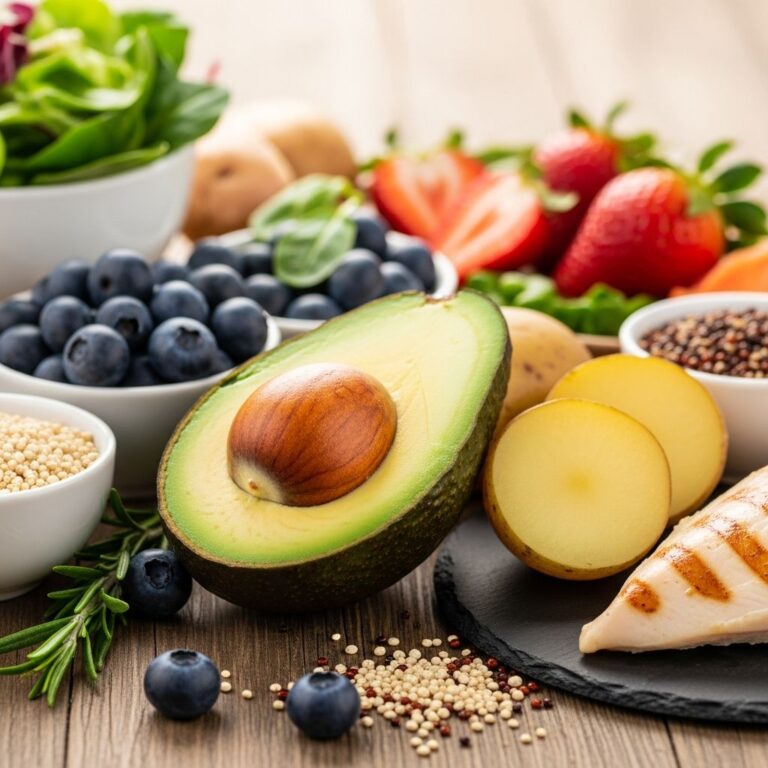
As proliferation progresses, maintain optimal moisture levels in the wound environment through appropriate dressing changes. Proper nutrition becomes increasingly important—ensure adequate protein intake to support collagen synthesis, and consume foods rich in vitamin C, zinc, and other micronutrients essential for fibroblast function. Maintain hydration, avoid tobacco products that restrict blood vessels and impair healing, and gradually increase activity as tolerated with provider guidance.
Late-Phase Care (Weeks 3 and Beyond)
As your wound enters maturation, protect healing scar tissue from sun exposure by using broad-spectrum sunscreen or protective clothing. Gentle scar massage, initiated once the incision has adequately sealed, may improve tissue organization and scar appearance. Continue maintaining overall skin health through moisturization and sun protection, and monitor for any signs of complications.
Recognizing Optimal Healing Progress
Understanding what normal healing looks like helps you identify potential complications early. The appearance and characteristics of your wound should follow predictable patterns:
| Healing Phase | Timeline | Expected Appearance | Texture and Color |
|---|---|---|---|
| Hemostasis | Day 1 | Bleeding stops; clot forms | Dark red; firm clot |
| Inflammation | Days 1-5 | Redness, swelling, warmth | Red; may weep clear fluid |
| Proliferation | Days 5-21 | Filling in with new tissue | Pink-red granulation tissue |
| Maturation | Weeks 3-12+ | Scar formation and fading | Pink to white; flattening |
When to Seek Professional Medical Attention
While most surgical wounds heal without complications, certain signs warrant immediate professional evaluation. Contact your healthcare provider if you observe:
- Increasing redness, warmth, or swelling beyond the first week
- Purulent or foul-smelling drainage
- Separation of wound edges that were previously well-sealed
- Fever or systemic symptoms of infection
- Excessive bleeding that doesn’t respond to gentle pressure
- Signs of allergic reaction to dressings or medications
- Wound edges that remain open beyond expected healing timeframes
Factors Affecting Individual Healing Timelines
While the phases of wound healing follow consistent biological patterns, the duration and quality of healing varies significantly among individuals. Several factors influence healing speed:
- Age: Younger individuals typically heal faster than older adults, though age alone doesn’t preclude excellent outcomes
- Nutritional status: Adequate protein, vitamins C and A, zinc, and iron support fibroblast function and collagen synthesis
- Chronic conditions: Diabetes, compromised circulation, and autoimmune disorders may extend healing timelines
- Medications: Certain medications that suppress immune function may slow healing
- Smoking: Tobacco use restricts blood vessel function and significantly impairs wound healing
- Wound location: Wounds on highly mobile areas or areas with rich blood supply may heal differently
- Wound depth and size: Deeper or larger surgical wounds naturally require longer healing periods
Frequently Asked Questions About Surgical Wound Healing
How long does it take for a surgical wound to heal completely?
The timeline varies by wound characteristics and individual factors. The active proliferative phase typically spans 3-4 weeks, but the maturation phase continues for months, with maximum strength developing around 11-14 weeks. Some remodeling may continue for up to a year.
Is some pain and swelling normal after surgery?
Yes. Pain, swelling, redness, and warmth during the inflammatory phase (days 1-5) represent normal immune activity. However, pain should gradually diminish over subsequent weeks. Significant increases in pain after initial improvement warrant medical evaluation.
Can I shower or bathe while my wound is healing?
Follow your specific surgeon’s guidance, as protocols vary. Generally, once the incision has sealed adequately, gentle bathing is permissible, though submersion in standing water may be restricted initially. Keep the wound clean and dry according to post-operative instructions.
Should my incision line look perfectly straight?
Incision lines may appear slightly irregular immediately after surgery but typically settle as swelling decreases. Minor irregularities in appearance improve during the maturation phase as the scar tissue stabilizes.
When is scar massage recommended?
Gentle scar massage can be initiated once the incision has adequately sealed, typically around week 2-3, and continued through the maturation phase. Massage techniques should be discussed with your healthcare provider to ensure appropriate pressure and direction.
Supporting Your Healing Journey
Successful wound healing requires partnership between your body’s biological processes and your active participation in recovery. By understanding what occurs at each healing phase, recognizing normal progression, and implementing evidence-based care practices, you optimize your outcomes and minimize complications. Maintain open communication with your healthcare team, follow post-operative instructions carefully, and attend all follow-up appointments to ensure your surgical wound heals optimally.
References
- What Are The Phases of Surgical Wound Recovery — The Wound Pros. https://www.thewoundpros.com/post/what-are-the-phases-of-surgical-wound-recovery
- Wound Healing Phases — National Center for Biotechnology Information (NCBI). https://www.ncbi.nlm.nih.gov/books/NBK470443/
- Wound healing stages: What to look for — HealthPartners. https://www.healthpartners.com/blog/wound-healing-stages-how-to-tell-if-a-wound-is-healing-infected-or-chronic/
- The Four Stages of Wound Healing — Wound Evolution. https://www.woundevolution.com/blog/the-four-stages-of-wound-healing/
- Wound Healing – Stages of healing and pathology — YouTube. https://www.youtube.com/watch?v=Q3cVCiraAgw
- How to Know Your Surgical Cut Is Healing Right — WebMD. https://www.webmd.com/first-aid/surgical-incision-healing
- The 4 Stages of Wound Healing and Your Role — Essentia Health. https://www.essentiahealth.org/about/essentia-health-newsroom/general-surgery-the-4-stages-of-wound-healing-and-your-role-in-the-process
Similar Articles








Read full bio of medha deb