Surprising Allergies: Types, Reactions, Treatments
Discover uncommon allergies like water, sun, and meat triggers, their symptoms, and effective management strategies for better living.
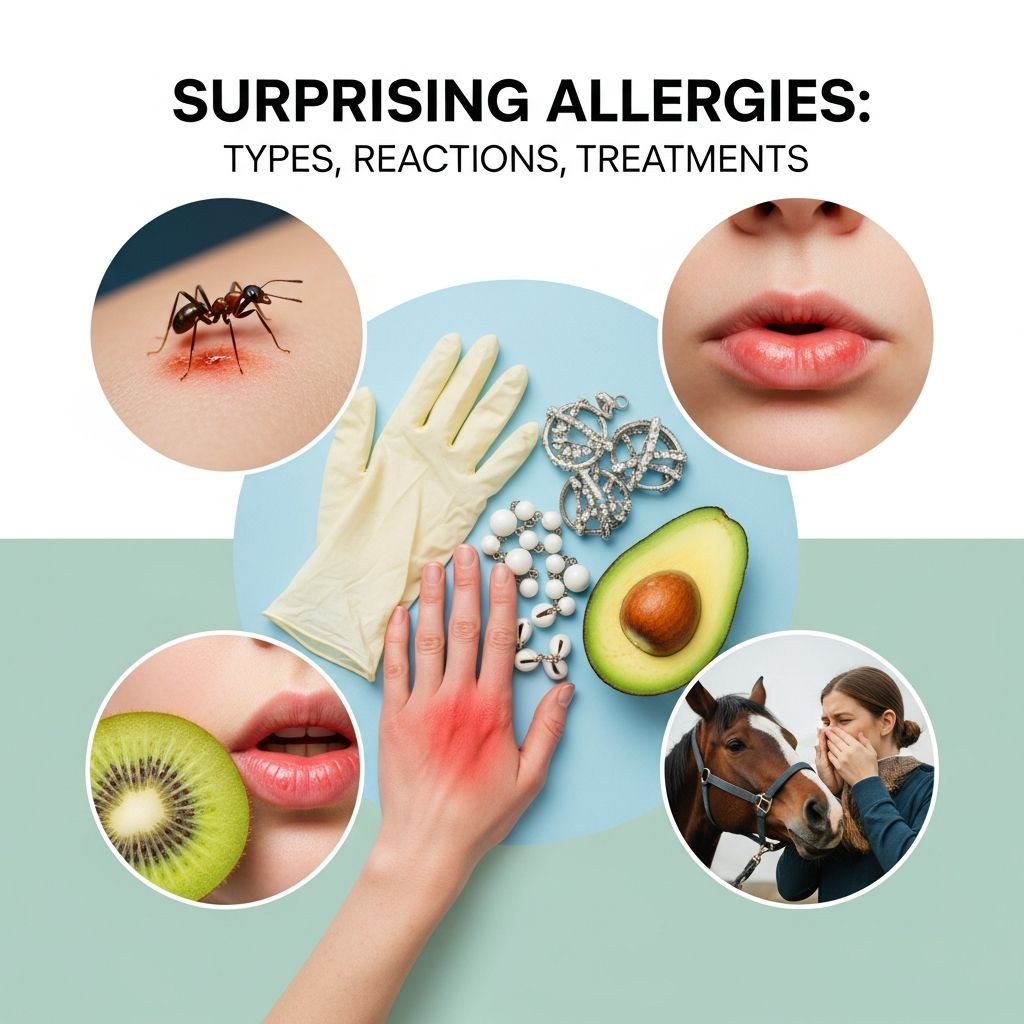
Allergies affect millions worldwide, but while common triggers like pollen and peanuts dominate conversations, surprising allergies to water, sunlight, cold, exercise, and even red meat challenge our understanding of immune responses. These rare conditions, often called idiopathic or physical urticarias when triggered by non-allergens, cause hives, itching, swelling, and in severe cases, life-threatening anaphylaxis. Understanding these helps in early diagnosis and management through avoidance, medications, and advanced therapies.
What Are Surprising Allergies?
Surprising allergies refer to uncommon hypersensitivity reactions where the immune system overreacts to typically harmless stimuli like temperature changes, physical activity, or environmental elements not usually considered allergens. Unlike classic IgE-mediated allergies to foods or pollen, these often involve mast cell degranulation releasing histamine, leading to urticaria (hives) or angioedema (swelling). They impact daily life profoundly, from bathing to outdoor activities, and require tailored strategies.
Diagnosis typically involves clinical history, provocation tests under medical supervision, and ruling out other conditions. Allergists use skin prick tests sparingly for these, favoring observation or patch tests for contact types.
Aquagenic Urticaria: Allergy to Water
Aquagenic urticaria, dubbed ‘water allergy,’ causes itching, redness, and painful welts within minutes of water contact, regardless of temperature, lasting 30 minutes to hours. This rare condition hinders bathing, swimming, or sweating, as even one’s own sweat triggers it.
Symptoms include:
- Itchy hives on contact areas
- Burning or stinging sensation
- Red, raised welts
Treatment focuses on symptom relief: oral antihistamines like cetirizine reduce reactions; severe cases use omalizumab (Xolair), an anti-IgE biologic injection. Thick barrier creams protect skin pre-exposure. Patients avoid unnecessary water contact and shower with lukewarm water using emollients.
Sun Allergy (Polymorphous Light Eruption)
Sun allergy, or polymorphous light eruption (PMLE), affects those with genetic predisposition or immune issues, worsened by certain medications or skincare. UV exposure triggers itchy hives, swelling on hands, feet, lips, and burning/tingling within minutes.
Management includes:
- UV-protective clothing and broad-spectrum SPF 50+ sunscreen
- Oral antihistamines or topical corticosteroids
- Gradual sun exposure to build tolerance
For persistent cases, phototherapy desensitizes skin. Prevalence is higher in fair-skinned individuals in temperate climates.
Cold Urticaria: Allergy to Cold
Cold urticaria provokes hives, swelling, and itching from cold air, water, or objects. Symptoms appear minutes post-exposure, risking anaphylaxis in immersion.
Key symptoms:
- Hives on exposed skin
- Swelling of lips/hands from cold drinks/objects
- Systemic reactions like dizziness
Treat with high-dose antihistamines; carry epinephrine auto-injectors for severe risks. Omalizumab helps refractory cases. Avoid cold plunges; warm up gradually post-exposure.
Exercise-Induced Anaphylaxis
Exercise, especially with cofactors like wheat ingestion, triggers anaphylaxis: hives, swelling, breathing difficulty, nausea. Symptoms onset during/after activity.
Prevention:
- Exercise on empty stomach, avoid triggers 4-6 hours prior
- Antihistamines pre-workout
- Epinephrine ready; stop if symptoms start
Related Stories



Omalizumab aids some.
Alpha-Gal Syndrome: Red Meat Allergy
Lone star tick bites sensitize to alpha-gal sugar in red meat, causing delayed reactions (3-6 hours post-meal): hives, GI upset, anaphylaxis.
Avoid mammalian meat, gelatin, dairy derivatives. Antihistamines manage mild symptoms; EpiPens for severe. Prevalence rises in tick-endemic areas.
Nickel Allergy
Contact with nickel in jewelry/tools causes delayed eczema: itchy red skin, blisters, scaling days later.
Strategies:
- Nickel-free products
- Barrier creams
- Topical steroids/antihistamines
Patch testing confirms.
Dermatographism: Allergy to Touch/Scratch
Dermatographism raises hives from skin pressure/scratching via histamine release. Common, itchy welts form in minutes.
Antihistamines control; no cure. Avoid tight clothing/scratching.
Other Rare Allergies
Seminal Fluid Allergy: Reactions post-intercourse from proteins in semen: local itching to anaphylaxis. Condoms help; hyposensitization possible.
Chamomile Tea: Ragweed cross-reactivity causes rhinitis/anaphylaxis.
Latex: From gloves/balloons, cross-reacts with fruits. Use alternatives.
Nitrates in Processed Meats: Hives/itching from hot dogs/deli meats.
Recognizing Allergic Reactions
Mild: Isolated hives, itching, sneezing. Severe: Multi-system involvement, breathing issues, swelling, anaphylaxis.
| Type | Symptoms | Body Areas |
|---|---|---|
| Mild | Hives, itch | One area |
| Severe | Swelling, dyspnea, nausea | Multiple/systemic |
Anaphylaxis signs: throat swelling, hypotension, unresponsiveness.
Treatments for Allergic Reactions
Immediate: Epinephrine for severe; call 911. Antihistamines for mild.
- Cold compresses/cortisone for skin
- Stay calm, remove trigger
Long-term: Immunotherapy, omalizumab, leukotriene modifiers. Avoidance paramount.
Frequently Asked Questions (FAQs)
Can you be allergic to water?
Yes, aquagenic urticaria causes hives from water contact; managed with antihistamines and barrier creams.
What is sun allergy?
PMLE triggers rashes from UV; prevent with sunscreen/clothing.
How to treat cold urticaria?
Antihistamines, epinephrine for severe; avoid cold.
What causes alpha-gal syndrome?
Tick bites; avoid red meat.
Is there a cure for dermatographism?
No, but antihistamines relieve symptoms.
Prevention Tips
- Identify triggers via allergist
- Carry epinephrine if high-risk
- Use medications prophylactically
References
- Why you’re suddenly allergic to everything — Memorial Health. 2023. https://www.memorialhealth.com/healthy-living/blog/why-youre-suddenly-allergic-to-everything
- What are the Most Interesting Allergies? — Allermi. 2024. https://www.allermi.com/blogs/allergy-101/rare-allergies
- Recognizing and Treating Reaction Symptoms — FoodAllergy.org. 2024-01-13. https://www.foodallergy.org/resources/recognizing-and-treating-reaction-symptoms
- Allergic Reaction: Causes, Symptoms & Treatments — Cleveland Clinic. 2024. https://my.clevelandclinic.org/health/symptoms/allergic-reaction
- Unusual and Uncommon Allergies — BK Allergy. 2023. https://www.bkallergy.com/unusual-and-uncommon-allergies/
- 6 Bizarre Allergies — Allergy Tampa. 2022-02-10. https://www.allergytampa.com/2022/02/10/6-bizarre-allergies/
Similar Articles








Read full bio of medha deb