Surprising Foods That Boost Bone Health: Science-Backed Guide
Discover nutrient-rich foods beyond dairy that strengthen bones and support skeletal health.
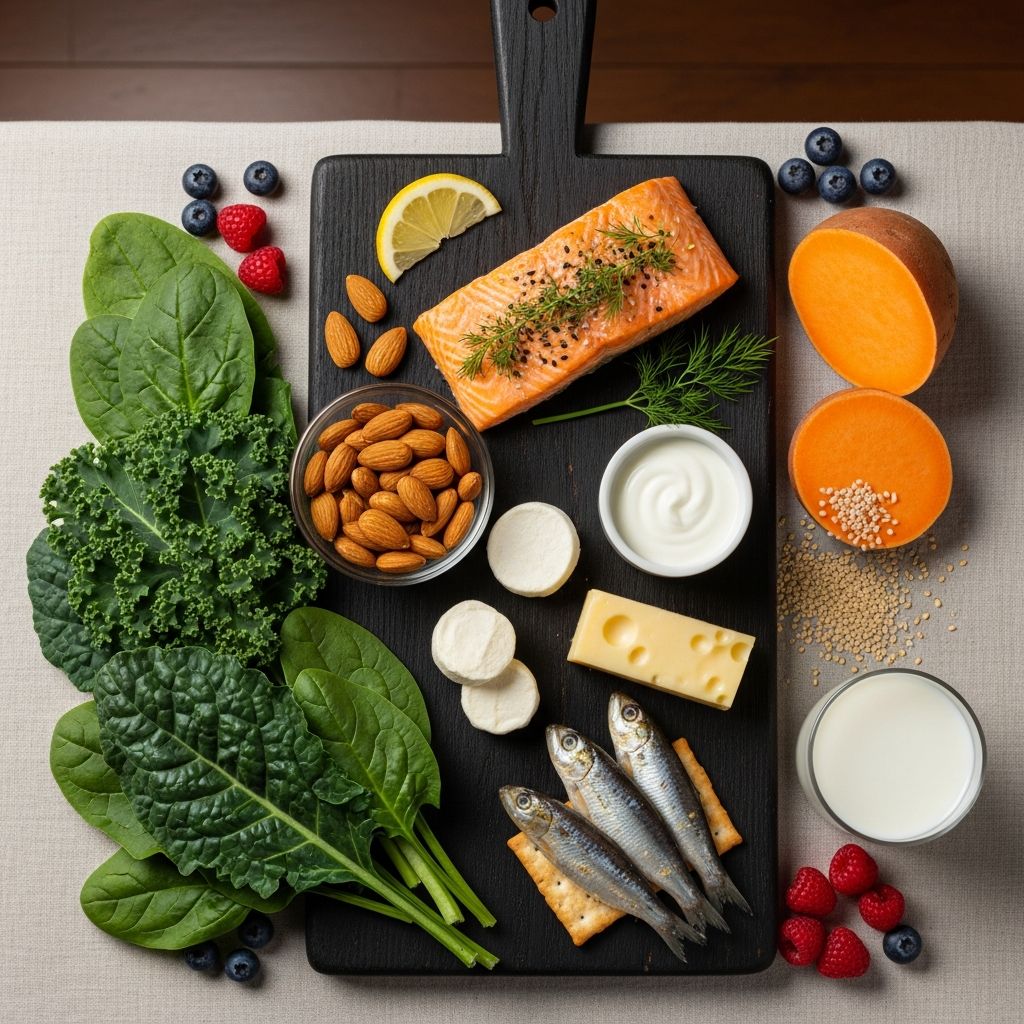
Surprising Foods That Boost Bone Health
Strong bones are essential for maintaining mobility, independence, and quality of life, particularly as we age. While many people associate bone health primarily with dairy products and calcium supplements, the reality is far more nuanced and exciting. A wealth of research, including studies from Harvard Medical School, reveals that numerous surprising foods can significantly contribute to bone strength and density. These foods work through multiple mechanisms—providing essential minerals, supporting anti-inflammatory processes, and promoting gut health—all of which play crucial roles in maintaining skeletal integrity.
Understanding which foods truly support bone health empowers individuals to make dietary choices that protect their skeletal system naturally. Beyond the traditional milk and cheese, nature offers an impressive array of nutrient-dense options that can be incorporated into daily meals to strengthen bones and reduce the risk of fractures and osteoporosis, particularly in postmenopausal women who face heightened vulnerability to bone loss.
The Foundation: Understanding Bone Health
Bone is living tissue that constantly undergoes remodeling throughout our lives. This process involves the removal of old bone and the addition of new bone tissue. During childhood and early adulthood, new bone is added faster than old bone is removed, increasing bone mass. Most people reach their peak bone mass by their early thirties. After that, bone density gradually decreases, but this process can be slowed significantly through proper nutrition and lifestyle choices.
For women, the risk of bone loss accelerates dramatically after menopause due to declining estrogen levels. Estrogen plays a critical role in maintaining bone density, and when production drops sharply during menopause, women can lose bone mass at an alarming rate. This is why targeted nutritional interventions become increasingly important during this life stage. The good news is that dietary choices can meaningfully influence bone health outcomes at any age.
Fatty Fish: Omega-3s and Vitamin D Powerhouses
Fatty fish such as salmon, sardines, mackerel, and trout represent some of the most nutrient-dense options for bone health. These fish excel in providing two critical nutrients for skeletal strength: omega-3 fatty acids and vitamin D.
Vitamin D is essential for calcium absorption in the intestines and plays a fundamental role in bone mineralization. Without adequate vitamin D, the body cannot effectively utilize dietary calcium, regardless of intake. Fatty fish naturally contain substantial amounts of vitamin D, making them particularly valuable for individuals who have limited sun exposure or live in regions with minimal sunlight during certain seasons.
Additionally, the omega-3 fatty acids in these fish possess powerful anti-inflammatory properties. Chronic inflammation is linked to accelerated bone loss, and omega-3s help counteract these inflammatory pathways. This dual benefit—providing vitamin D while simultaneously reducing inflammation—makes fatty fish an exceptionally strategic choice for bone health. Including fatty fish in your diet two to three times weekly can provide meaningful support for bone density maintenance.
Related Stories



Leafy Greens: Calcium and Vitamin K Allies
Dark leafy greens including kale, collard greens, bok choy, and broccoli are nutritional powerhouses for bone health. These vegetables provide multiple essential nutrients that work synergistically to support skeletal strength.
Calcium content: While many people overlook greens as calcium sources, dark leafy greens contain substantial amounts of bioavailable calcium. One cup of cooked collard greens provides approximately 268 milligrams of calcium, rivaling dairy products in some cases.
Vitamin K: This often-overlooked nutrient plays a crucial role in bone mineralization. Vitamin K activates osteocalcin, a protein that binds calcium to the bone matrix, essentially helping to anchor calcium where it’s needed most. Research demonstrates that individuals with higher vitamin K intake have greater bone density and lower fracture risk.
Magnesium and other minerals: Leafy greens also provide magnesium, phosphorus, and zinc—all minerals that contribute to bone structure and density. These vegetables represent a comprehensive nutritional package for skeletal health, making them invaluable additions to any bone-supportive diet.
Prunes: An Unexpected Bone-Building Superfruit
Recent groundbreaking research from Penn State University has elevated prunes to the status of a legitimate bone-health superfood. A landmark randomized controlled trial published in Osteoporosis International demonstrated that consuming just four to six prunes daily helped postmenopausal women preserve bone density and strength over a 12-month period.
This study was notably sophisticated in its methodology, employing peripheral quantitative computed tomography (pQCT) scans to measure three-dimensional bone structure, geometry, and estimated strength—measurements far more detailed than traditional bone density assessments. The results were striking: women consuming prunes daily maintained bone mass density and bone strength at the tibia (shin bone), while the control group experienced measurable bone loss in these weight-bearing areas.
Mechanisms behind prunes’ benefits: Prunes contain bioactive compounds including polyphenols that appear to blunt inflammatory pathways contributing to bone loss. Additionally, emerging research suggests that prunes influence the gut microbiome in ways that may enhance nutrient absorption and support bone health through microbial metabolite production.
The practical advantage of prunes is their convenience and palatability. Four to six prunes daily is an easily achievable target that doesn’t require significant dietary restructuring. Whether eaten alone as a snack or incorporated into oatmeal, yogurt, or baked goods, prunes offer a delicious pathway to stronger bones.
Extra Virgin Olive Oil: Anti-Inflammatory Support
Extra virgin olive oil, a cornerstone of the Mediterranean diet, contributes to bone health through its remarkable anti-inflammatory properties. This oil contains polyphenols—plant compounds with potent antioxidant and anti-inflammatory effects.
Chronic inflammation drives bone loss by activating osteoclasts (cells that break down bone) and suppressing osteoblasts (cells that build bone). By reducing systemic inflammation, extra virgin olive oil helps preserve the balance necessary for healthy bone remodeling. The Mediterranean dietary pattern, centered on olive oil as a primary fat source, has been associated with improved bone density and reduced fracture rates compared to typical Western diets.
Beyond bone health, the cardiovascular benefits of olive oil provide additional motivation for regular consumption. Two to three tablespoons daily, used in salad dressings, drizzled over vegetables, or used in moderate-heat cooking, can contribute meaningfully to anti-inflammatory nutrition.
Berries: Antioxidant Protection for Bones
Berries—including blueberries, strawberries, blackberries, and raspberries—deliver concentrated doses of antioxidants and polyphenols that support bone health. These compounds combat oxidative stress, a process that accelerates bone loss and impairs bone quality.
The antioxidants in berries help dampen inflammatory cascades that contribute to bone deterioration. Additionally, berries contain vitamin C, which is essential for collagen synthesis—collagen being a critical structural component of bone. By supporting the organic bone matrix through antioxidant protection and vitamin C provision, berries offer preventive benefits for skeletal health.
Fresh berries can be incorporated into breakfast dishes, added to yogurt, blended into smoothies, or eaten as convenient snacks. Frozen berries maintain their nutritional profile and offer year-round accessibility.
Low-Fat Dairy and Fortified Alternatives
While surprising foods deserve attention, traditional dairy products remain valuable bone-health staples. Low-fat milk, yogurt, and cheese provide highly bioavailable calcium and vitamin D—a combination specifically engineered to support bone mineralization.
For individuals who cannot consume dairy due to lactose intolerance or dietary preferences, fortified plant-based milks including soy, almond, and oat milk can provide equivalent calcium and vitamin D when properly fortified. The key is selecting products explicitly fortified with both nutrients and verifying the fortification level on the label. Three servings of dairy or fortified alternatives daily helps meet recommended calcium intake for most adults.
Additional Bone-Supporting Foods
Beyond the primary categories, several other foods contribute meaningfully to bone health:
Almonds and nuts: These provide calcium, magnesium, and protein—all essential for bone structure and strength.
Seeds (sesame, pumpkin, sunflower): Rich in minerals including magnesium, zinc, and copper that support bone formation and remodeling.
Legumes (beans, lentils, peas): Provide plant-based protein, minerals, and polyphenols that collectively support skeletal health.
Whole grains: Contain magnesium and phosphorus, supporting bone mineral density when consumed as part of a balanced diet.
Nutrient Synergy: How Bone-Supporting Foods Work Together
The most powerful approach to bone health involves understanding how various nutrients work synergistically. Calcium absorption requires vitamin D. Vitamin K activation requires vitamin D and fat-soluble cofactors. Collagen synthesis requires vitamin C. Anti-inflammatory effects from polyphenols and omega-3s create an environment where bone-building processes can proceed efficiently.
This interconnection explains why no single food or nutrient can serve as a complete solution for bone health. Instead, a dietary pattern incorporating variety—fatty fish, leafy greens, fruits, whole grains, healthy fats, and protein sources—creates redundancy and comprehensive nutritional support for the skeletal system.
Practical Implementation: Building a Bone-Health Diet
Translating research into daily practice requires realistic, sustainable strategies:
Breakfast: Oatmeal topped with berries, almonds, and ground flaxseed provides carbohydrates, antioxidants, minerals, and omega-3 fatty acids.
Lunch: A salad combining dark leafy greens, colorful vegetables, sardines or salmon, and extra virgin olive oil dressing delivers comprehensive bone-supporting nutrients.
Snacks: Prunes, almonds, Greek yogurt, or cheese provide convenient calcium and mineral intake between meals.
Dinner: Fatty fish, legume-based dishes, or poultry served with roasted cruciferous vegetables and whole grains create balanced, bone-supportive meals.
Frequently Asked Questions
Q: How quickly do dietary changes affect bone health?
A: Bone remodeling occurs continuously but gradually. Meaningful improvements in bone density typically require 12 to 24 months of consistent dietary and lifestyle changes. The Penn State prune study observed significant effects over 12 months, indicating this timeframe for expecting measurable benefits.
Q: Can dietary changes alone treat osteoporosis?
A: While nutrition is fundamental, established osteoporosis typically requires medical treatment alongside dietary modifications. However, proper nutrition can slow bone loss, prevent progression, and reduce fracture risk when combined with appropriate medical care.
Q: Are supplements necessary if I eat these foods?
A: For most people consuming a varied diet including the foods discussed, supplements are unnecessary. However, individuals with limited sun exposure, dietary restrictions, or specific health conditions may benefit from supplementation. Consulting healthcare providers can determine individual needs.
Q: Is protein important for bone health?
A: Yes, protein is essential for bone structure and the synthesis of bone-building enzymes. Adequate protein intake—approximately 0.8 grams per kilogram of body weight daily—supports bone health alongside mineral intake.
Q: Can men benefit from these dietary recommendations?
A: Absolutely. While postmenopausal women face accelerated bone loss, men also experience age-related bone density decline. All individuals benefit from nutrition supporting bone health, though men’s peak bone mass and remodeling rates differ slightly from women’s.
Conclusion: A Comprehensive Approach to Bone Health
The evidence is clear: bone health extends far beyond milk and calcium supplements. A diverse array of surprising foods—from fatty fish rich in vitamin D and omega-3s to prunes packed with bone-preserving polyphenols, from leafy greens delivering vitamin K to berries providing antioxidant protection—collectively support skeletal strength and resilience. By incorporating these foods into regular dietary patterns, individuals can meaningfully influence their bone health outcomes and reduce their risk of fractures and osteoporosis throughout life.
References
- A Surprising Superfood: New Bone-Boosting Benefits of Prunes Discovered — Penn State University/SciTechDaily. 2024-08-01. https://doi.org/10.1007/s00198-024-07031-6
- These 5 Harvard-backed foods relieve knee pain and increase bone density — Harvard Health Reports/Economic Times. 2024. https://economictimes.indiatimes.com/news/india/these-5-harvard-backed-foods-relieve-knee-pain-and-increase-bone-density
- Foods That Are Surprisingly Good for Bones — Nature’s Branch. 2024. https://naturesbranch.com/blogs/blog/foods-that-are-surprisingly-good-for-bones
Similar Articles








Read full bio of medha deb